Image sourcing: see credits & licences
The Chinese giant salamander (Andrias davidianus) is an amphibian of the family Cryptobranchidae, in the order Urodela.
Quick answer
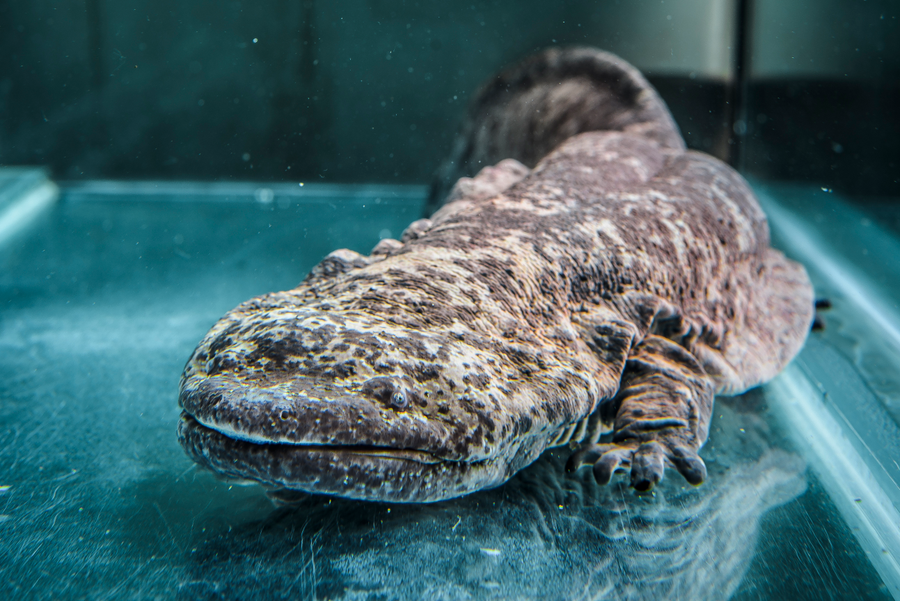
The Chinese giant salamander (Andrias davidianus) is the world's largest amphibian, reaching about 1.5 m and 25 kg in cool mountain streams of central and southern China. It hunts fish and invertebrates by night and is Critically Endangered in the wild after overharvesting for food and medicine plus damming of streams — despite large numbers on farms.
Top questions about the Chinese Giant Salamander
Also available in Español (Salamandra gigante china)
Chinese Giant Salamander facts at a glance
- Weight 25 kg
- Length 1.5 m
- Top speed 5 km/h
- Lifespan 50 years
| Scientific name | Andrias davidianus |
|---|---|
| Diet | Carnivore |
| Habitat | Cool, clear mountain rivers and streams |
| Lifespan | Around 50 years in the wild (varies by population and captivity). |
| Weight | About 25 kg typical adult mass (sex and region vary). |
| Top speed | Up to roughly 5 km/h when moving at speed. |
| Conservation status | Critically Endangered (IUCN) |
| Kingdom | Animalia |
|---|---|
| Phylum | Chordata |
| Class | Amphibia |
| Order | Urodela |
| Family | Cryptobranchidae |
| Genus | Andrias |
Where it lives
The chinese giant salamander (Andrias davidianus) is native to Mountain streams of central and southern China; critically depleted in the wild. — recorded across Asia in this guide’s range summary.
For occurrence records, see GBIF species search and sources below.
How big is a chinese giant salamander?
An adult chinese giant salamander measures 1.5 m long — about 87% of the height of an average adult person (1.73 m) — and weighs around 25 kg, about 36% of an average adult’s body weight (70 kg).
Length vs an average adult’s height (to scale)
What is a group of chinese giant salamanders called?
Group name (collective noun)
A group of Chinese Giant Salamanders is called a colony.
Baby name
A baby Chinese Giant Salamander is called a larva.
Explore more animal collective nouns and baby animal names .
Largest living amphibian
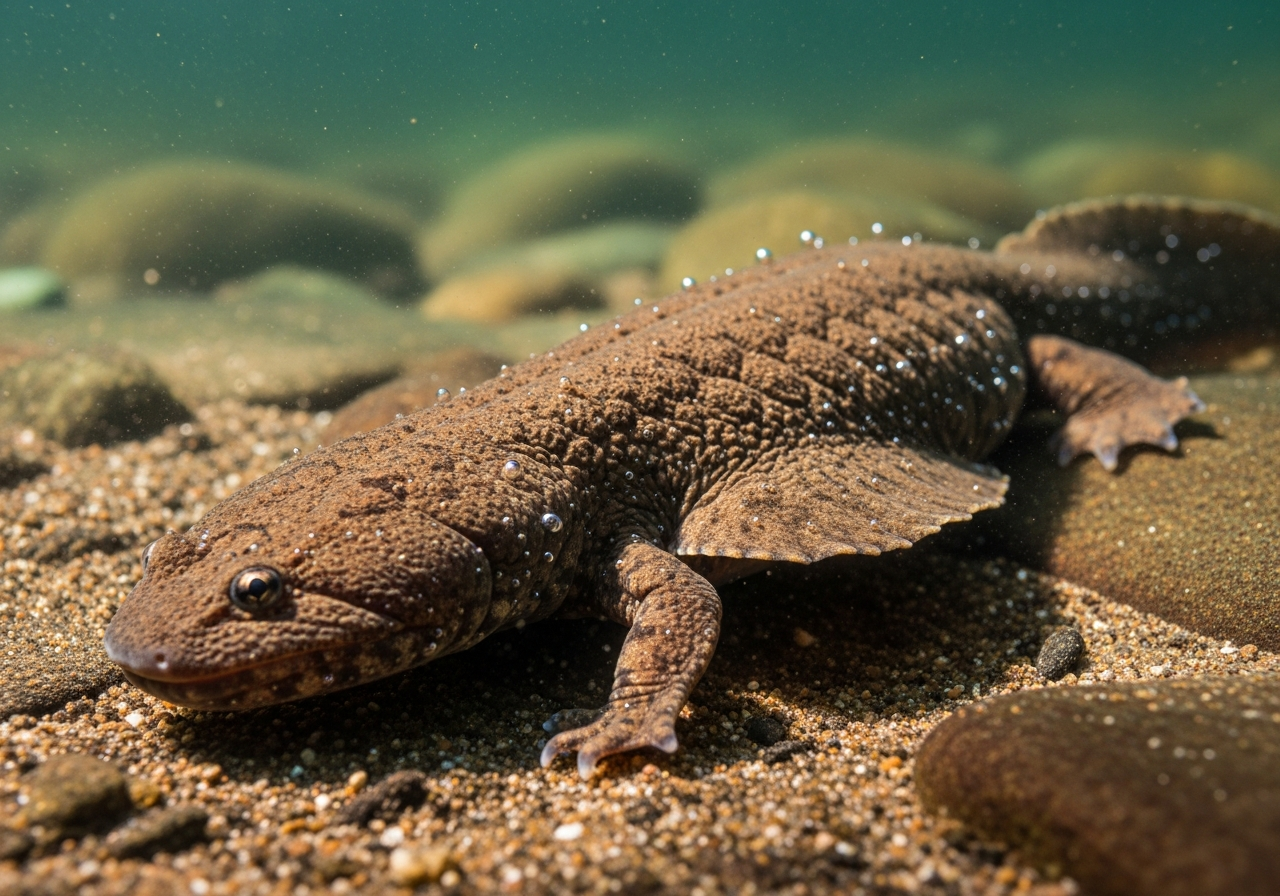
Flattened heads, tiny eyes, and wrinkled skin folds increase oxygen uptake in cool water. They can exceed 1.5 m — far larger than hellbenders or mudpuppies.
Sit-and-wait stream predator
Diet includes fish, frogs, worms, crabs, and other stream animals detected by touch and lateral-line senses more than sharp vision. Across its range it is tied to cool, clear mountain rivers and streams, and field accounts emphasise this species’ distinctive ecology rather than generic habitat labels.
Central and southern China rivers
Cool, clear mountain rivers and streams of central and southern China — now fragmented by dams and pollution. Across its range it is tied to cool, clear mountain rivers and streams, and field accounts emphasise this species’ distinctive ecology rather than generic habitat labels.
Critically Endangered despite farms
Farmed animals number in the millions, yet wild populations collapsed from hunting and hybridisation with released farm stock. IUCN lists wild Andrias Critically Endangered; distinct lineages may be separate species.
Explore the Chinese Giant Salamander
Close relatives
- Hellbender Same family
- Axolotl Same order
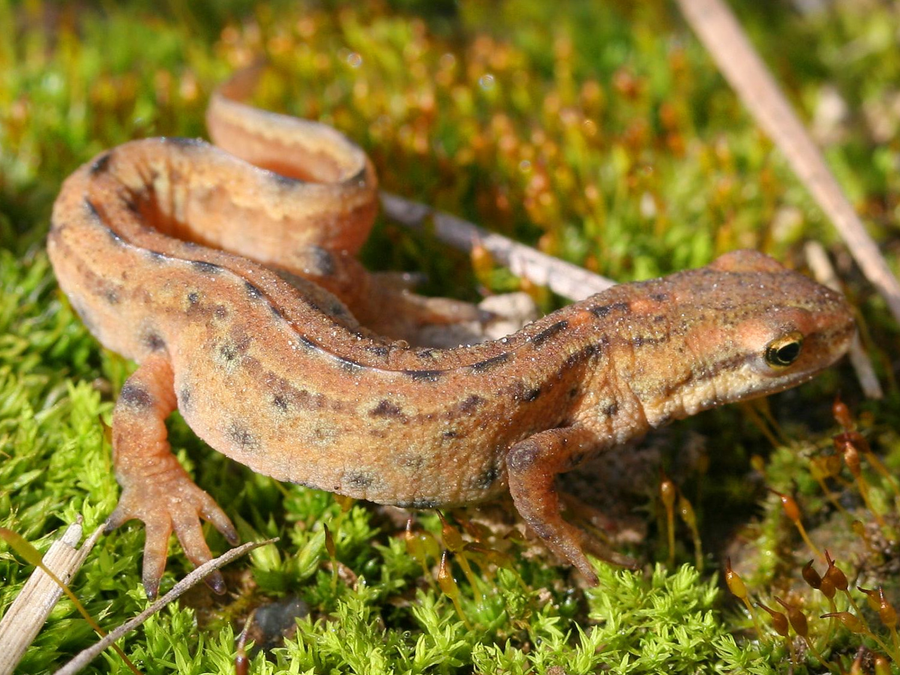
- Smooth Newt Same order
- Olm Same order
Collections
Range & geography
Conservation status of the Chinese Giant Salamander
The chinese giant salamander (Andrias davidianus) is listed as Critically Endangered on the IUCN Red List. Critically Endangered (CR) is the highest-risk category the IUCN Red List assigns to a wild species before Extinct in the Wild. It means a species faces an extremely high probability of extinction — usually because its population has collapsed, its range has shrunk drastically, or very few mature individuals remain. Species at this level typically depend on active conservation to survive.
Main threats to the chinese giant salamander
- Overcollection for food and medicine
- River pollution and dam construction
- Habitat loss from sand mining
- Disease in farmed and wild populations
Chinese Giant Salamander (Andrias davidianus) was most recently assessed for the IUCN Red List in 2019. Look up on the IUCN Red List .
Frequently asked questions about the Chinese Giant Salamander
What is the world's largest amphibian?
The Chinese giant salamander, with adults potentially over 1.5 m long.
Why are wild Chinese giant salamanders Critically Endangered?
Overharvest for luxury food, stream engineering, and genetic mixing with farmed animals.
Do farms help wild salamanders?
Farm numbers are high, but releases can harm wild genetics; true wild recovery needs protected streams and lineage-aware management.
How do giant salamanders breathe?
Mainly through skin; cool, oxygen-rich water is essential.
Where do Chinese giant salamanders live?
Mountain streams of central and southern China. Native range summary: Mountain streams of central and southern China; critically depleted in the wild.
What is a group of chinese giant salamanders called?
A group of Chinese Giant Salamanders is called a colony.
What is a baby chinese giant salamander called?
A baby Chinese Giant Salamander is called a larva.
Sources & references
This guide is compiled and reviewed against established zoological and conservation references. Key sources for the Chinese Giant Salamander:
-
IUCN Red List of Threatened Species
Conservation status (Critically Endangered) reflects the IUCN Red List category for Andrias davidianus, most recently assessed in 2019.
-
iNaturalist — observations & photos
Search citizen-science observations and community IDs for Andrias davidianus. Useful for range checks and recent sightings — not a substitute for formal Red List status.
-
GBIF — occurrence data
Global Biodiversity Information Facility species search for Andrias davidianus. Explore published occurrence records used in range research.
-
Global Animal Guide editorial standards
How we research, source, review, and update every guide for accuracy.