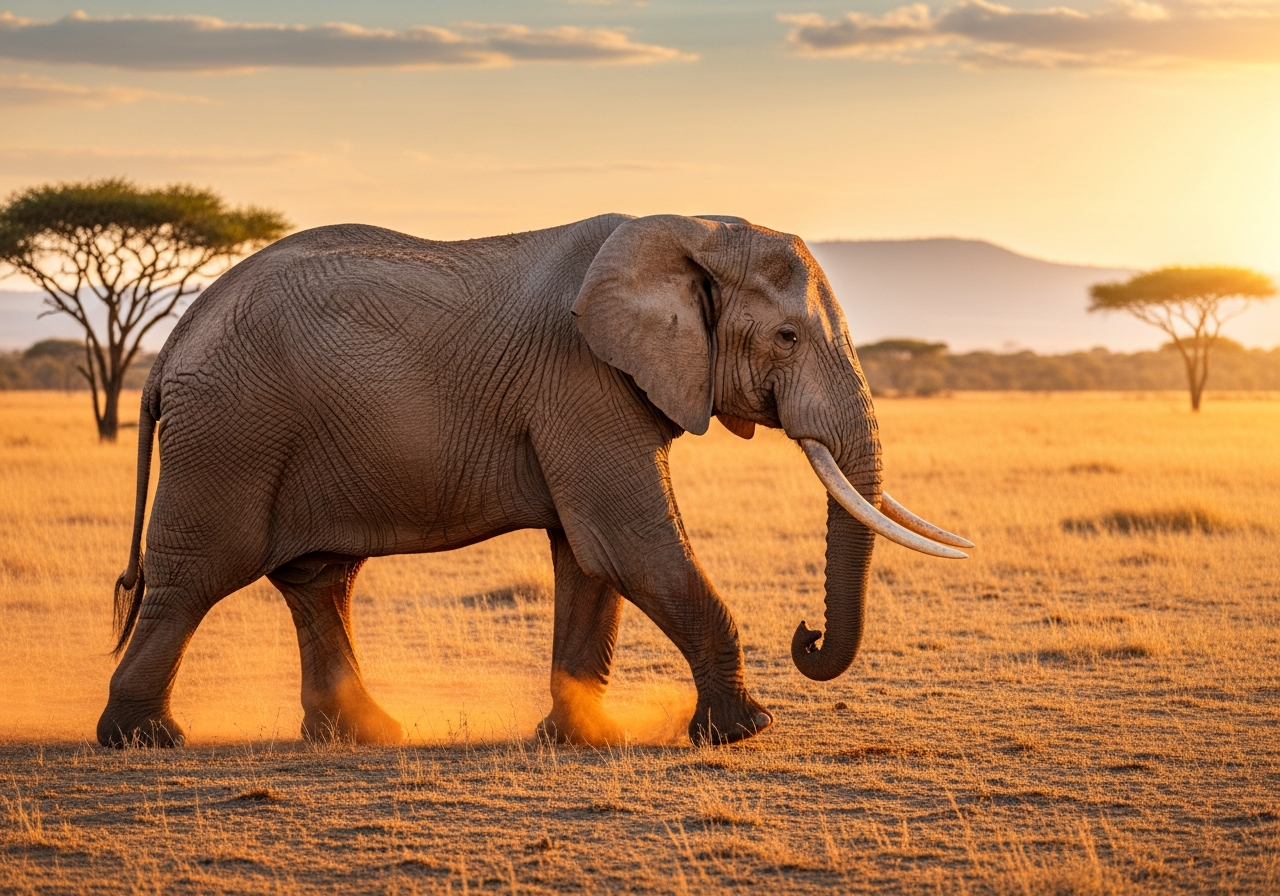
Mammal
African Elephant
The largest land animal alive today
Trusted wildlife guides · Promotional links support animal rescue
Saturday, 18 July 2026Hot and cold deserts share scarcity of water. Behavioural adaptations (nocturnality, burrowing) matter as much as physiology. Species listed here have desert, arid, or semi-desert in their habitat facts.
Deserts receive very little rain. Animals conserve water, hunt at night, or burrow to escape heat — from camels and fennec foxes to specialised reptiles and insects.
Camel, fennec fox, sidewinder-style desert reptiles, and arid-adapted birds show how extreme climates select for specialised forms.
Over-extraction of water, off-road disturbance, climate extremes, and invasive species can tip fragile desert ecosystems.
Pair with mountains for high arid plateaus and urban hubs for desert cities' adaptable wildlife.
Ranked by profile popularity. An animal may also appear in other biomes if it uses multiple habitats.
Mammal
The largest land animal alive today
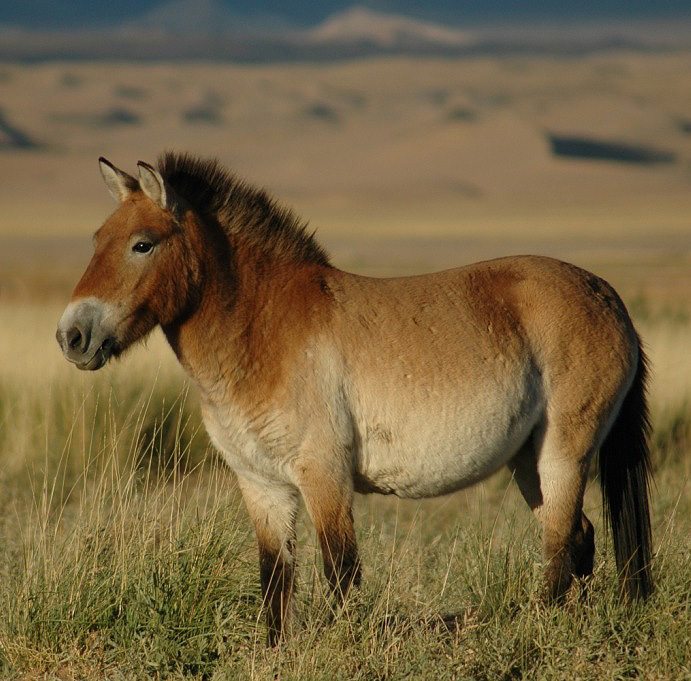
Mammal
The last truly wild horse
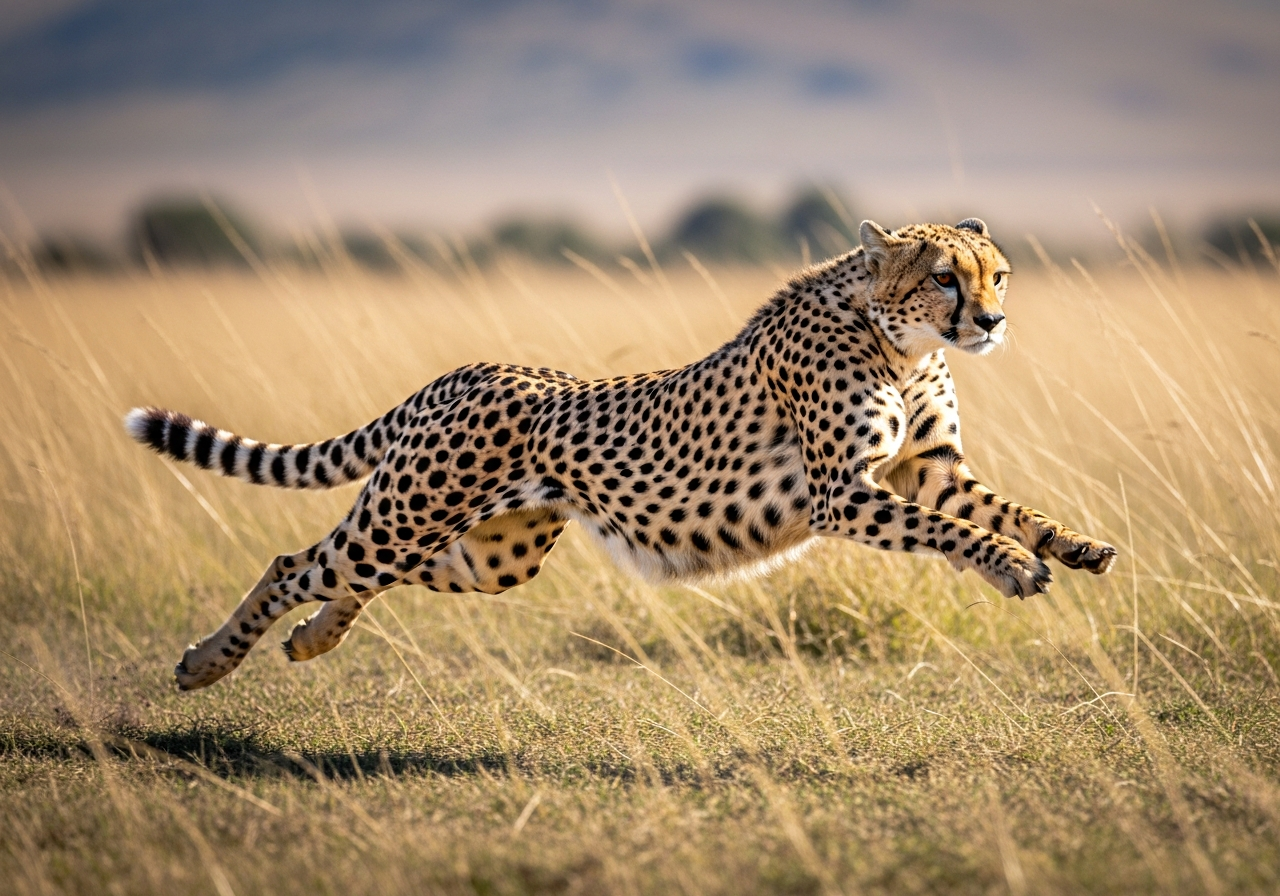
Mammal
The fastest land animal on Earth
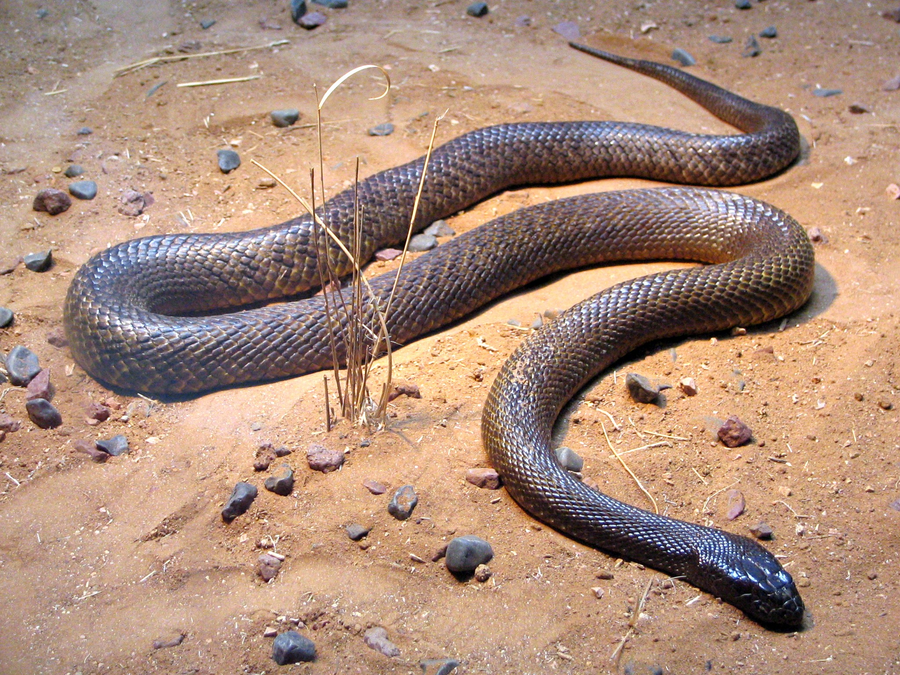
Reptile
World's most venomous snake by lab toxicity
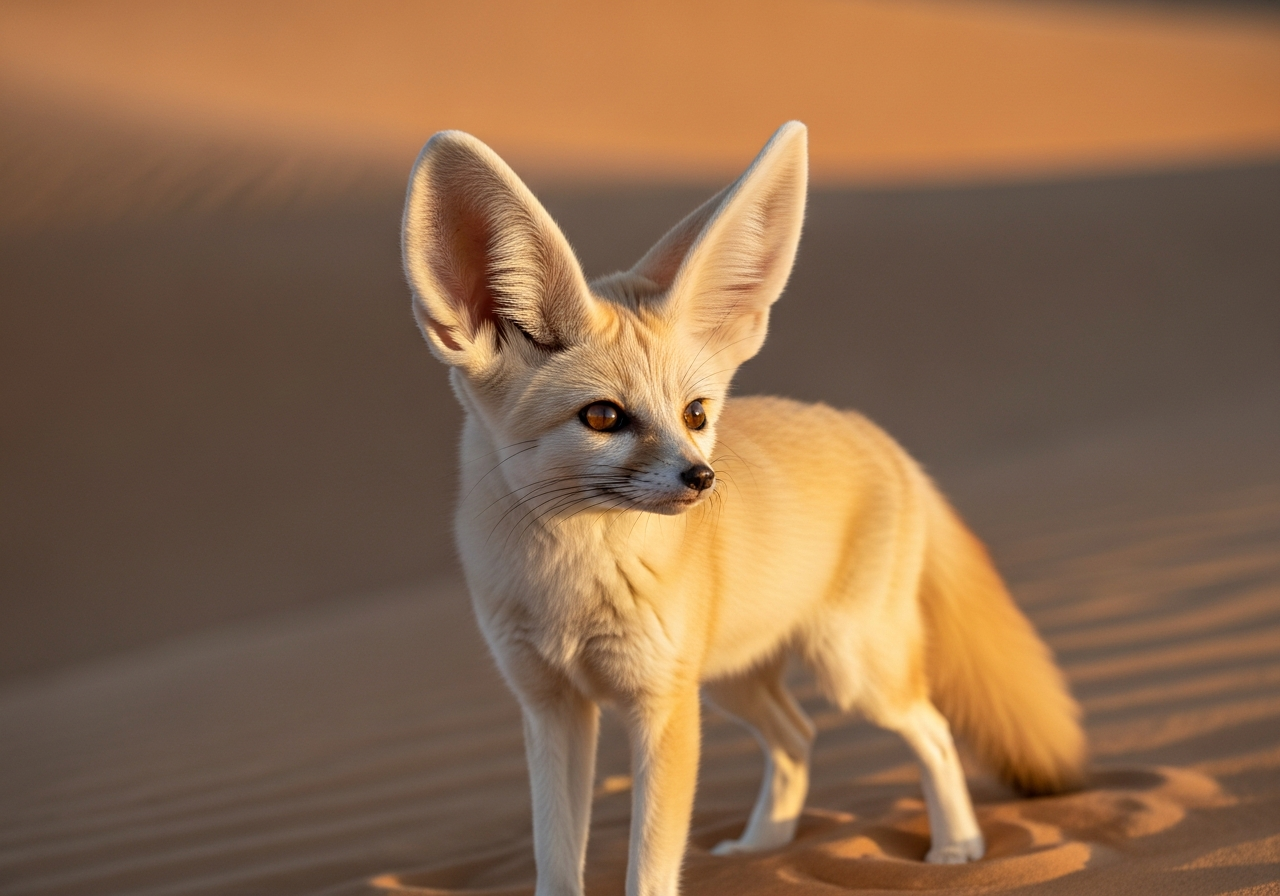
Mammal
The tiny desert fox with enormous ears
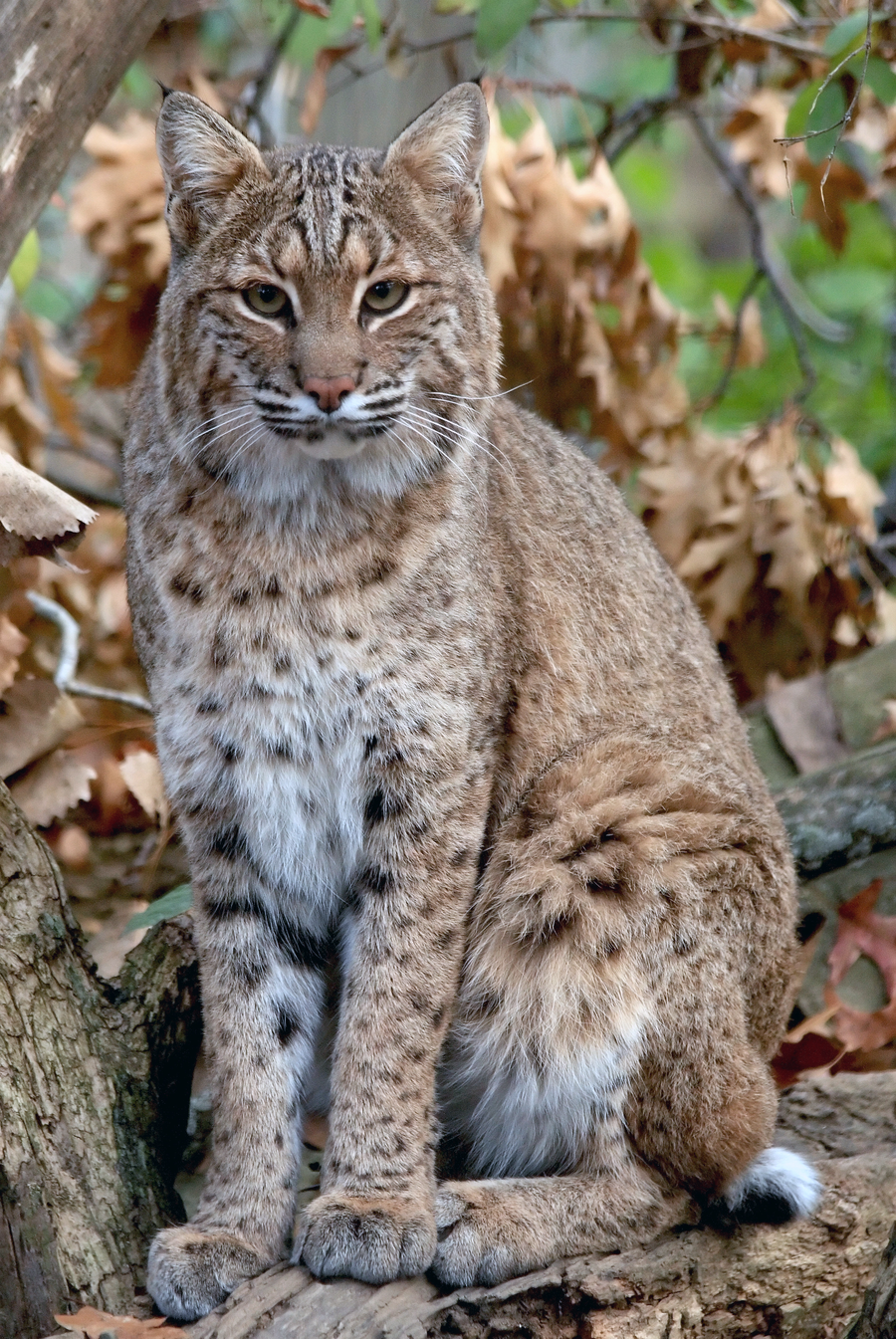
Mammal
North America's adaptable wild cat
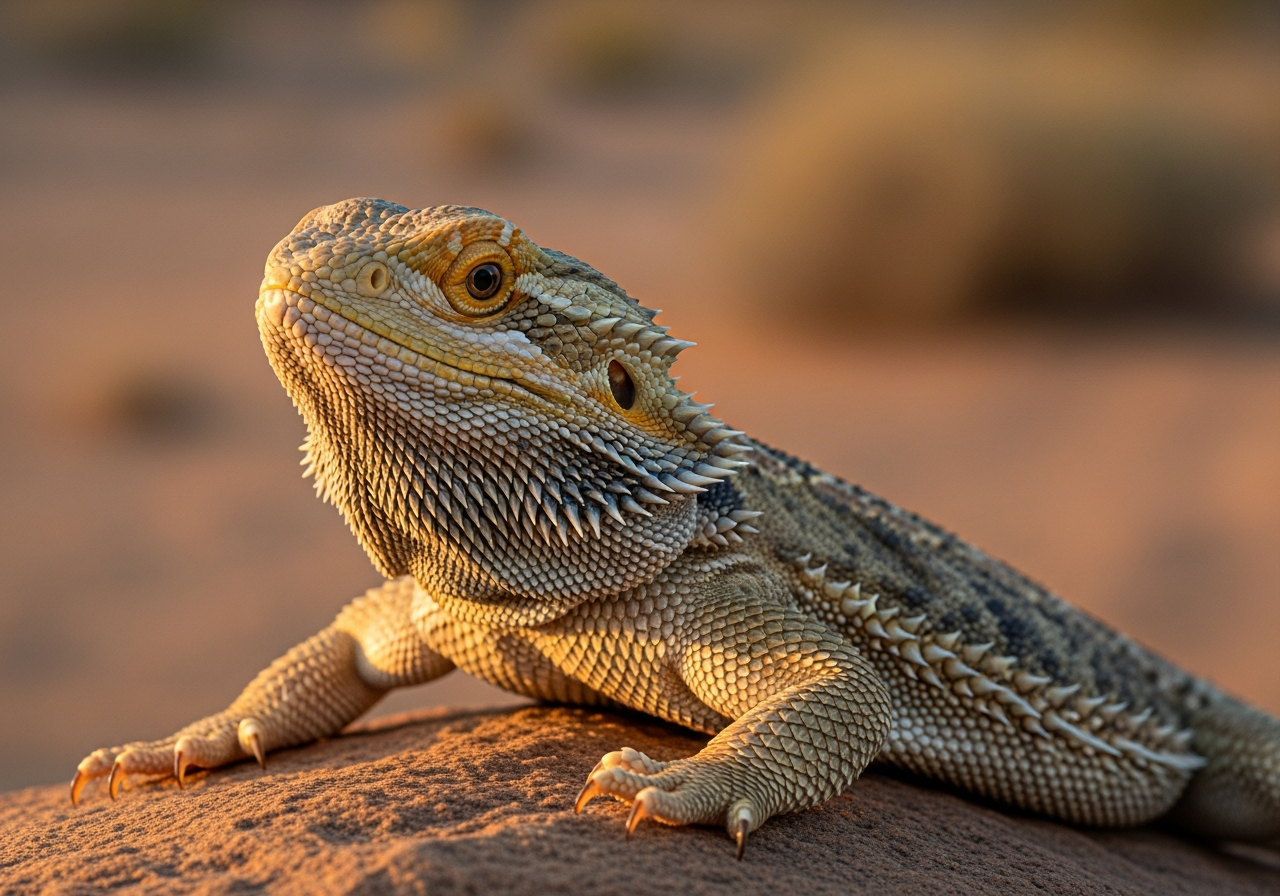
Reptile
The friendly desert lizard and favorite pet reptile
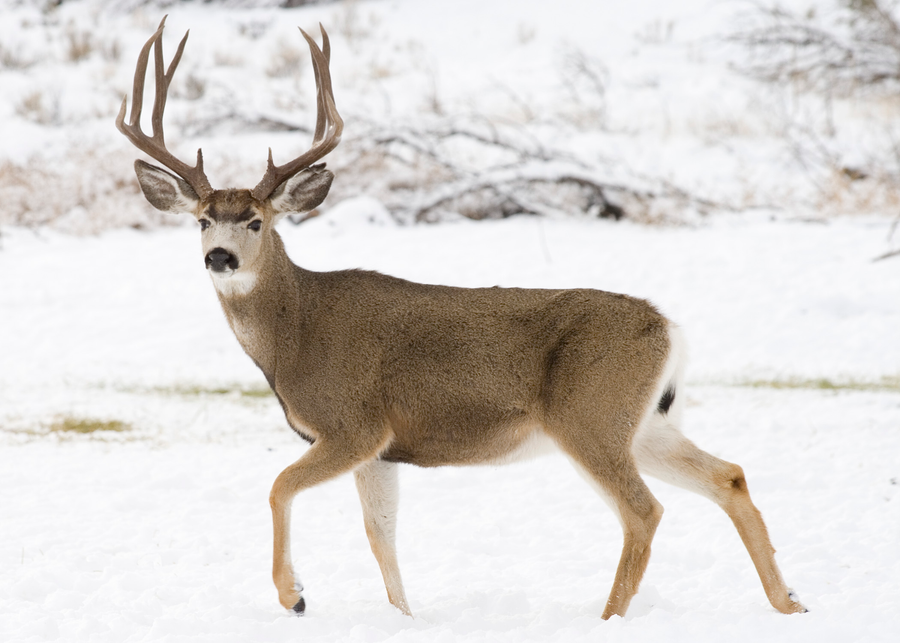
Mammal
The big-eared deer of western North America
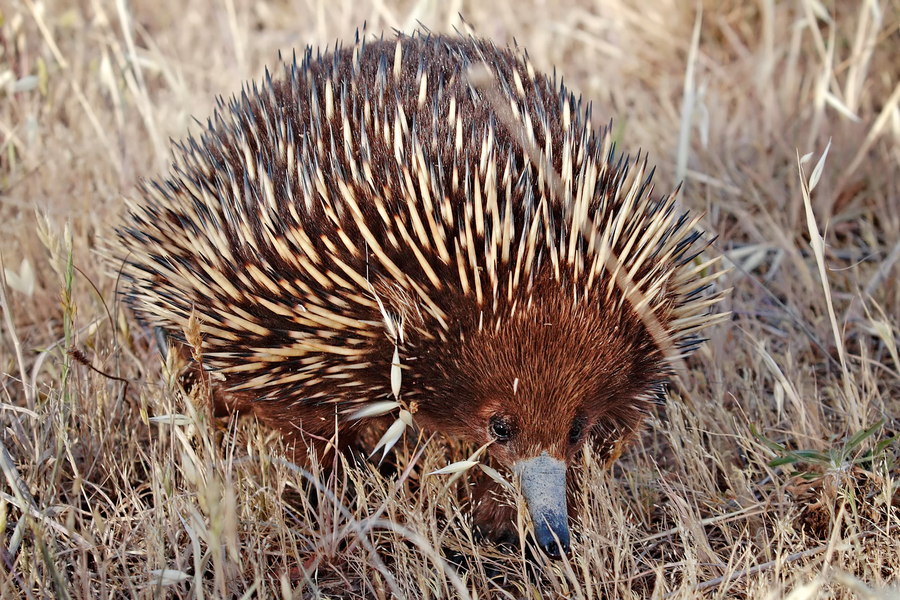
Mammal
Spiny egg-laying anteater of Australia
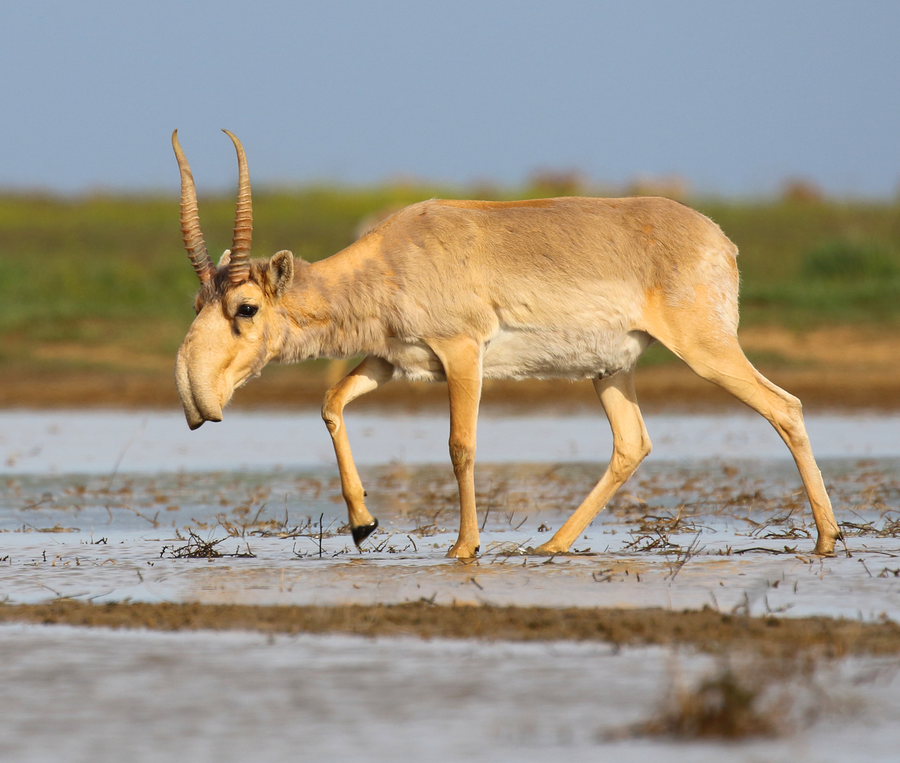
Mammal
Bulbous-nosed steppe antelope of Central Asia
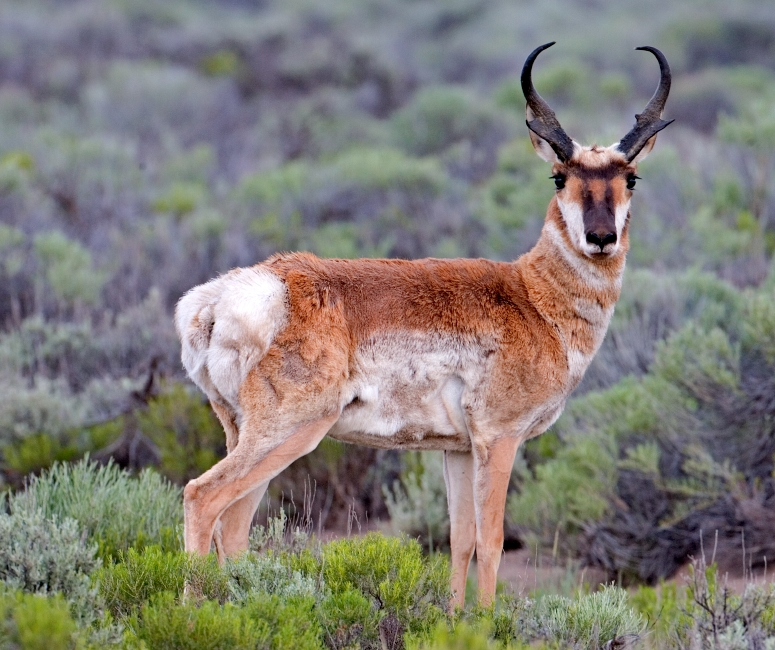
Mammal
Fastest land mammal in the Americas
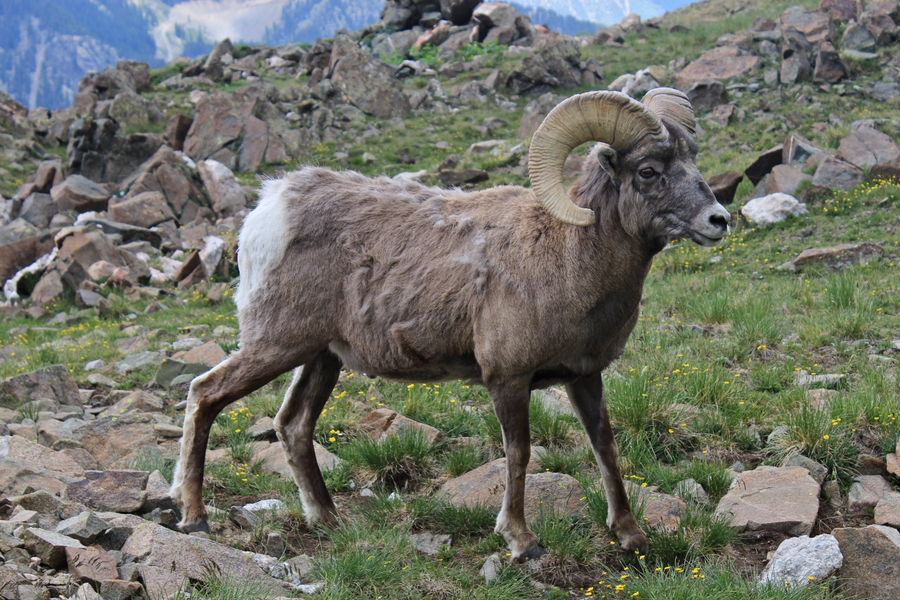
Mammal
Mountain sheep with massive curling horns
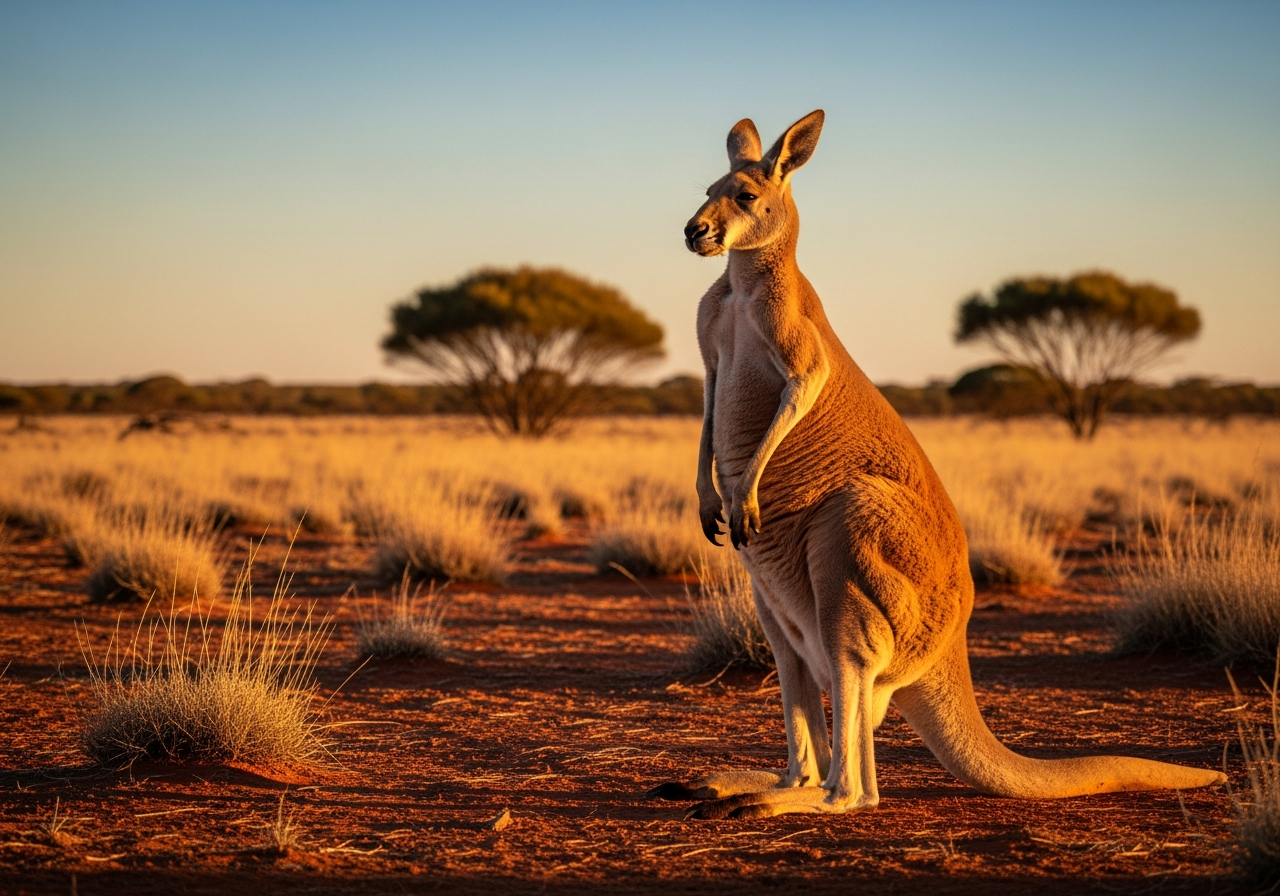
Mammal
The largest marsupial and a powerful hopper
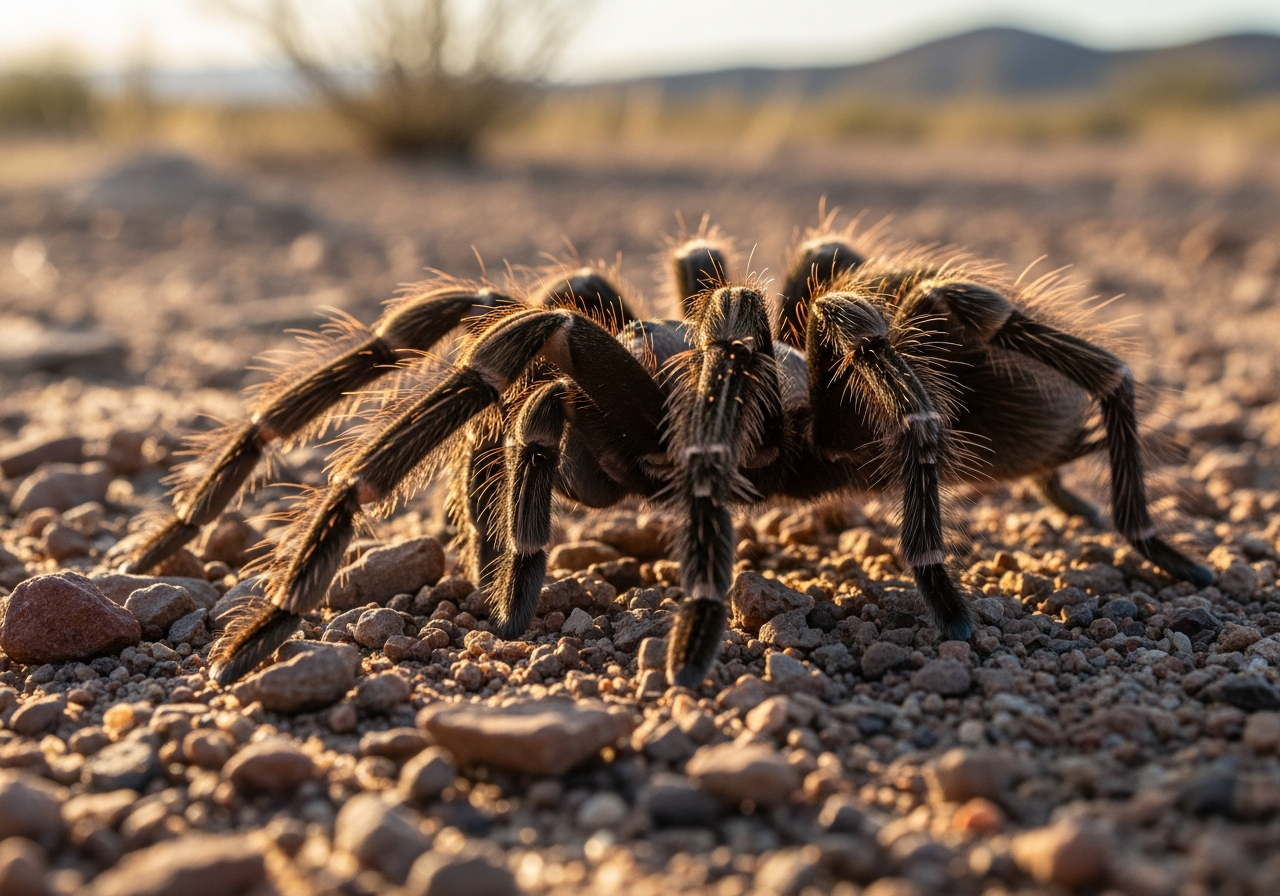
Invertebrate
The large, hairy spider with a gentle reputation
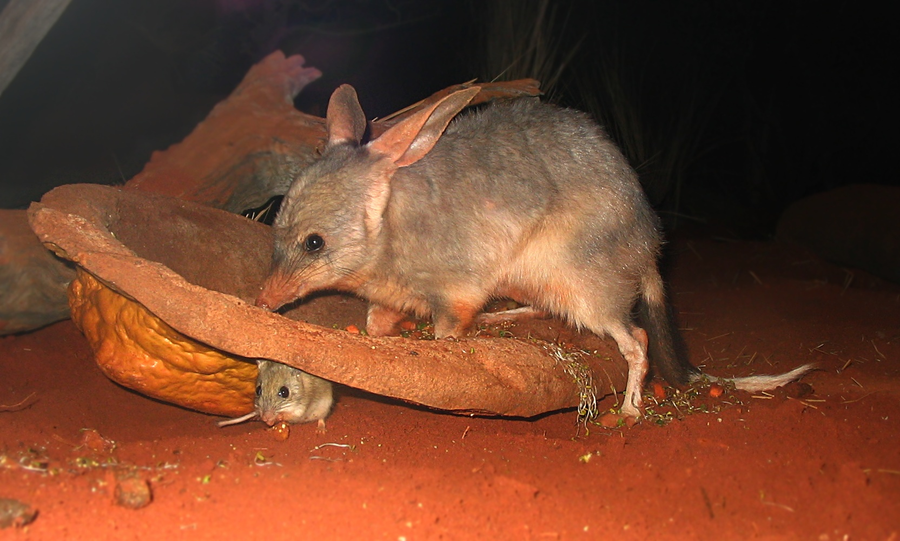
Mammal
Long-eared desert bandicoot
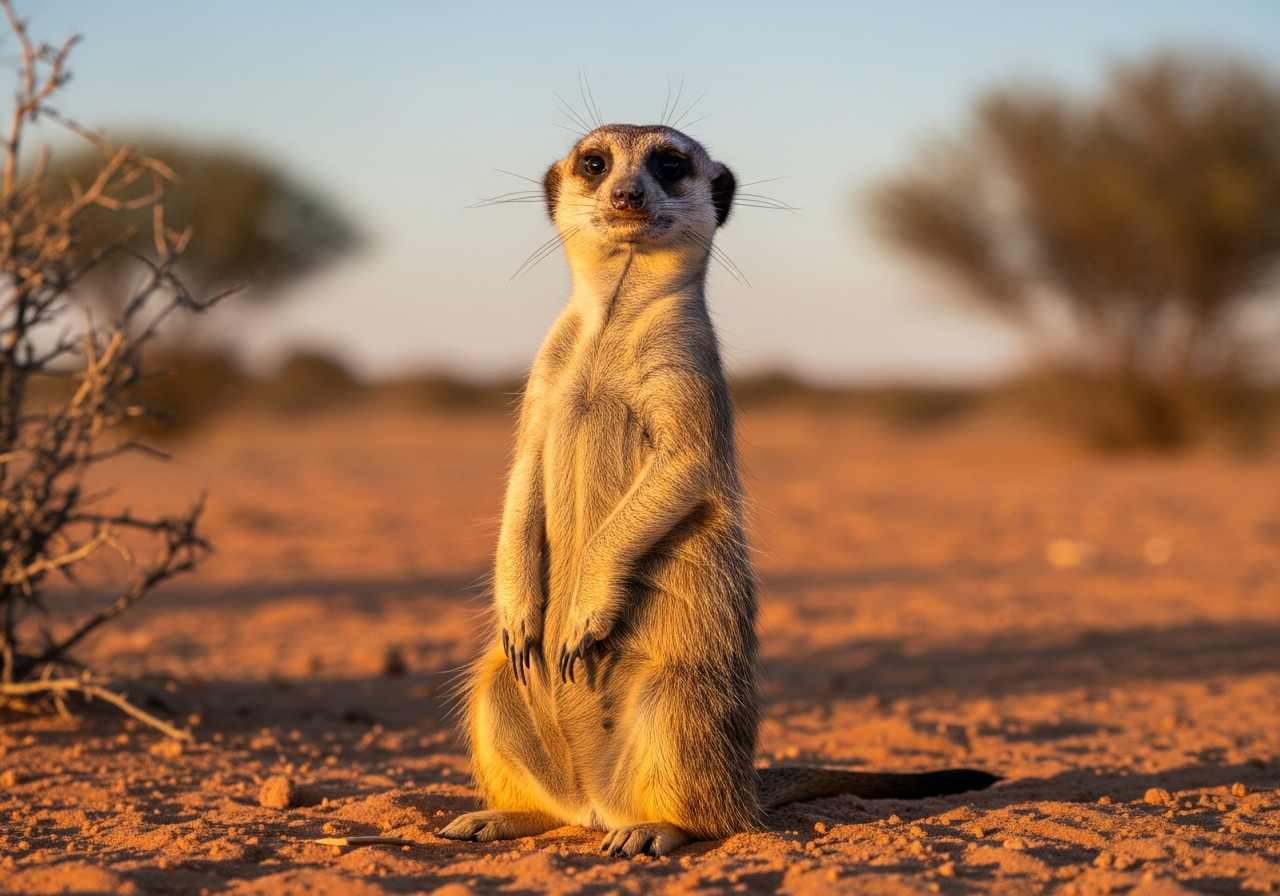
Mammal
The cooperative sentinel of the Kalahari
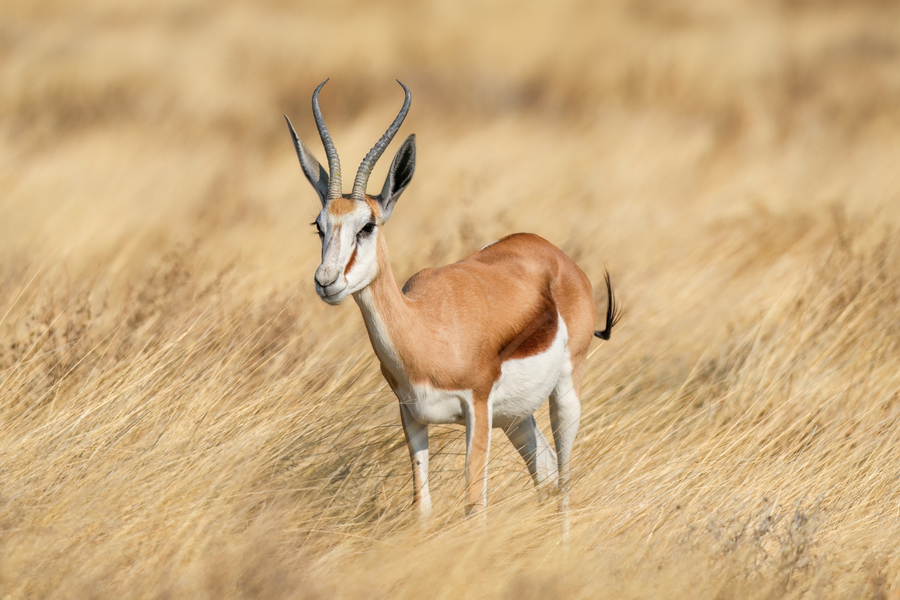
Mammal
South Africa's pronking antelope
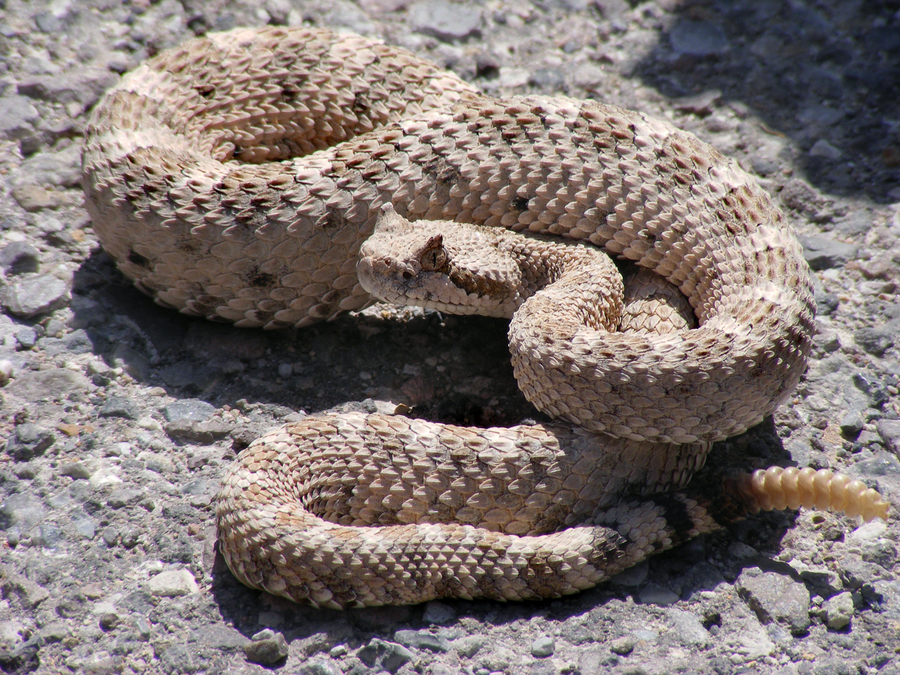
Reptile
Horned rattlesnake that sidewinds across dunes
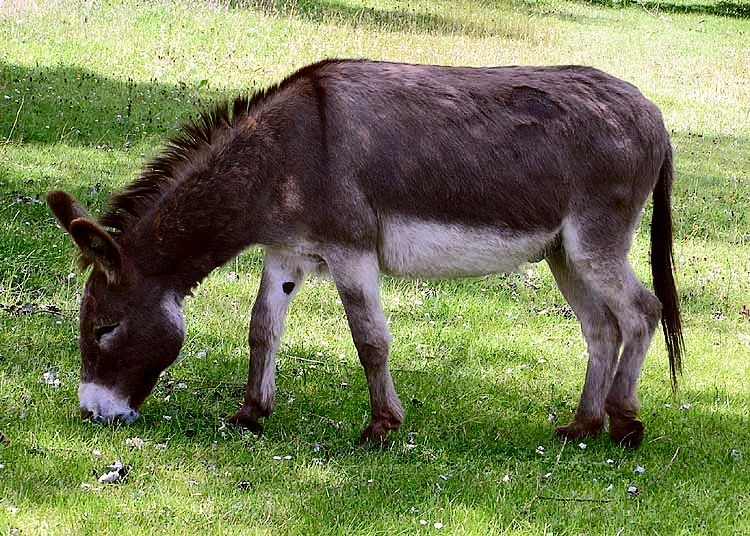
Mammal
The hardy working companion of arid lands
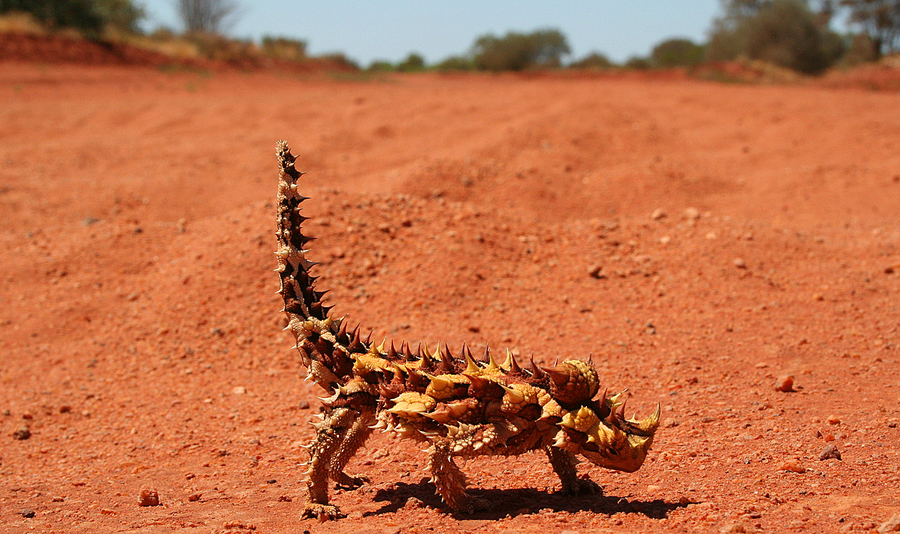
Reptile
Spiky desert lizard that drinks via skin channels
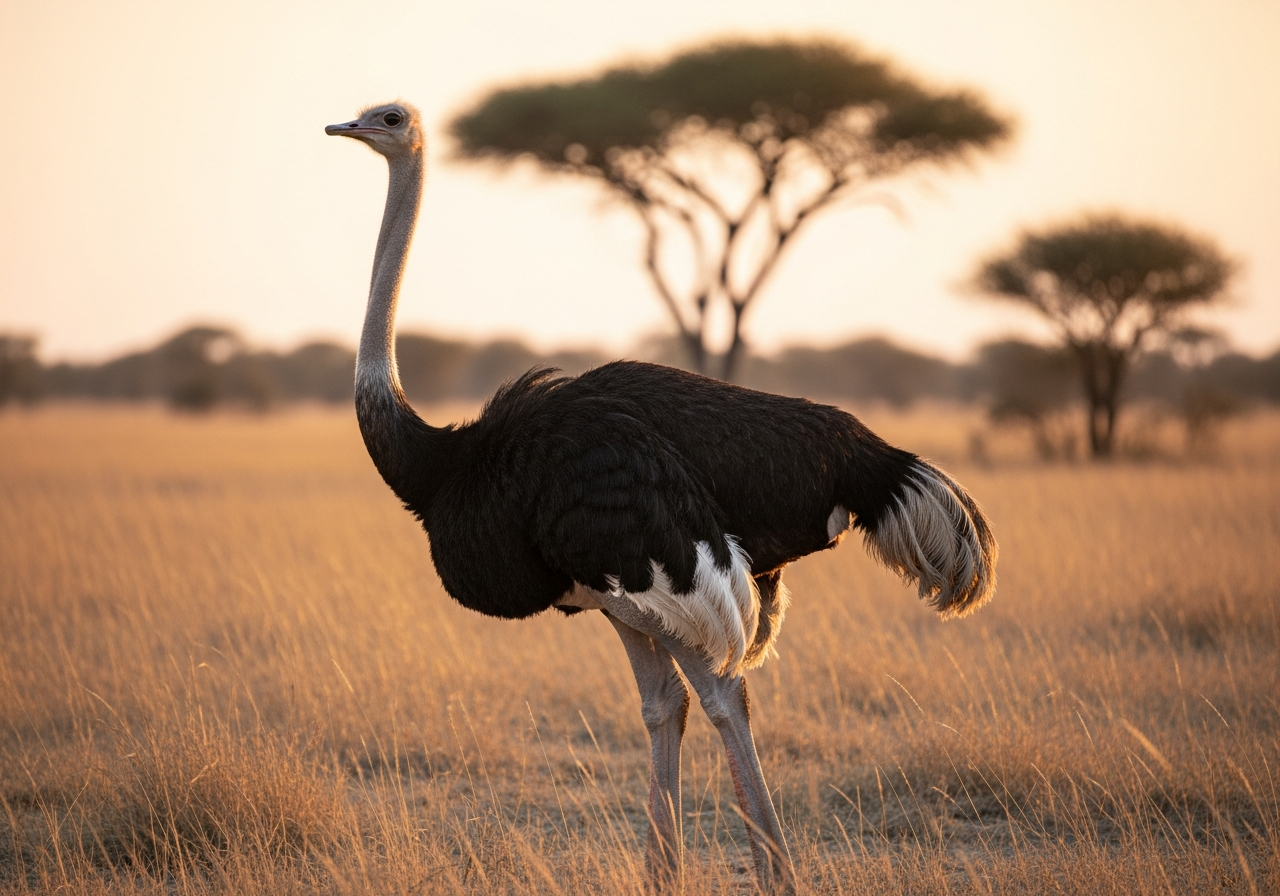
Bird
The largest and fastest bird on land
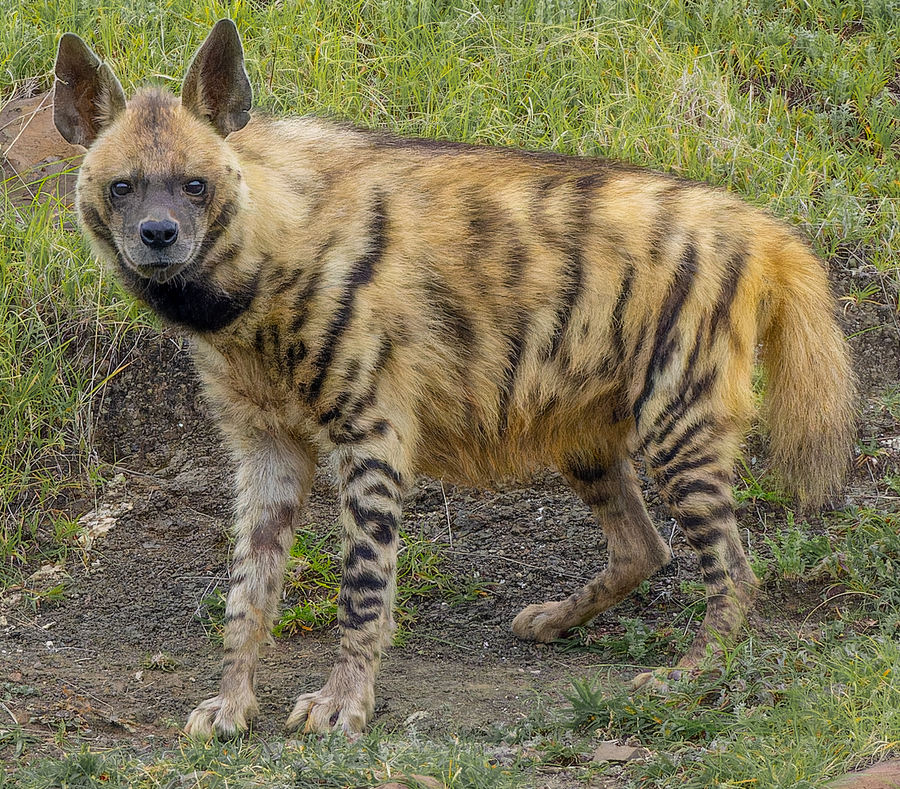
Mammal
Nocturnal scavenger of Africa and Asia
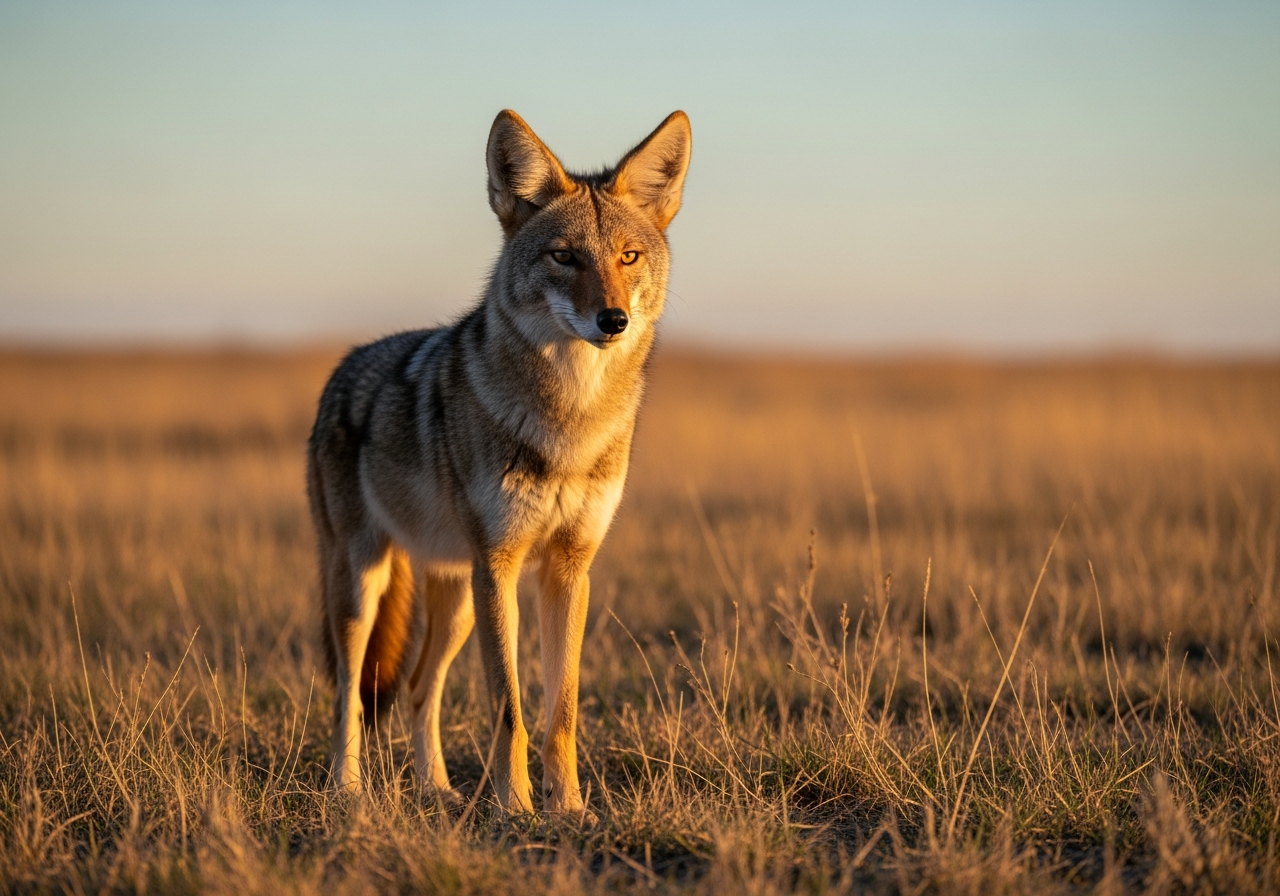
Mammal
North America's adaptable 'song dog'
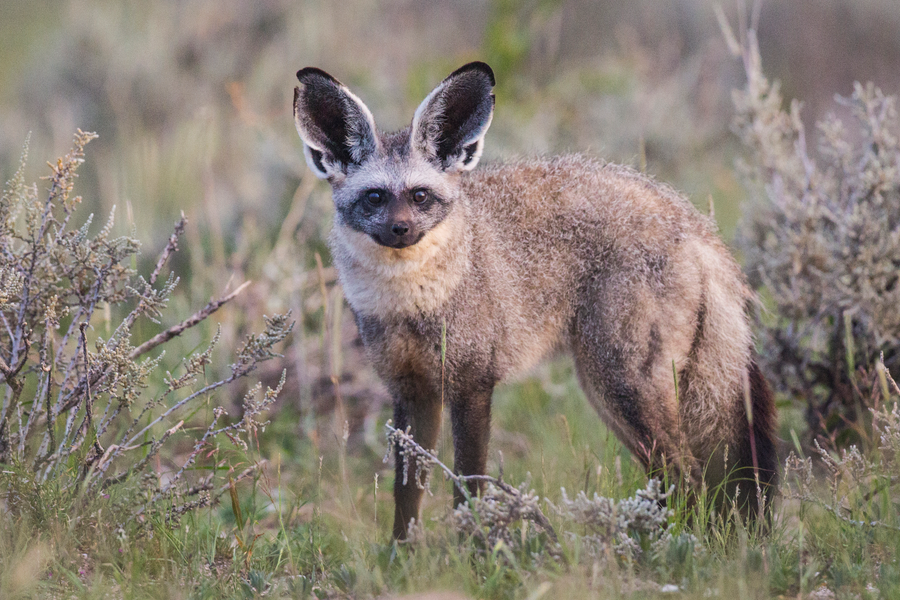
Mammal
Huge-eared fox that listens for insects
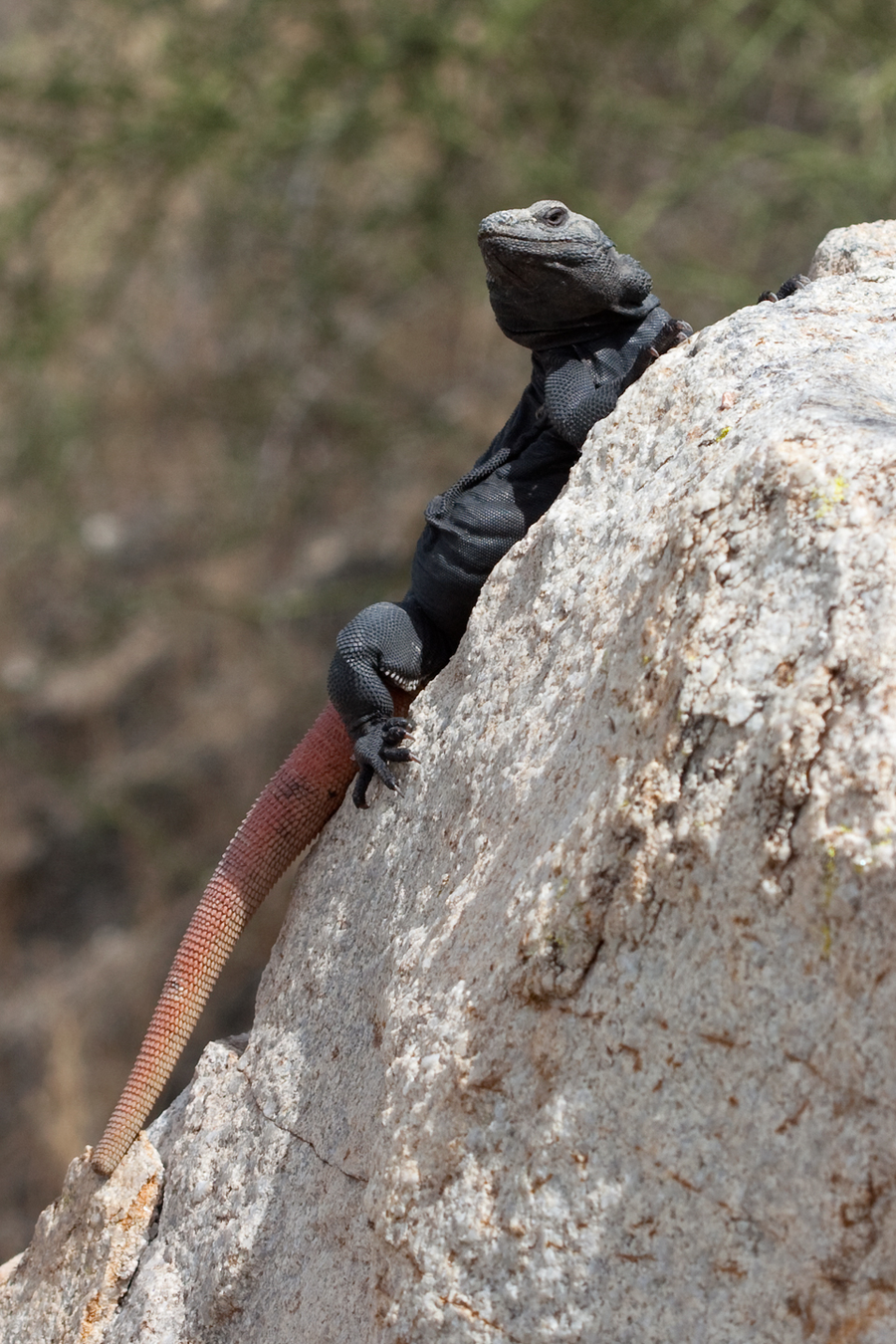
Reptile
Rock-dwelling desert lizard that inflates to wedge itself
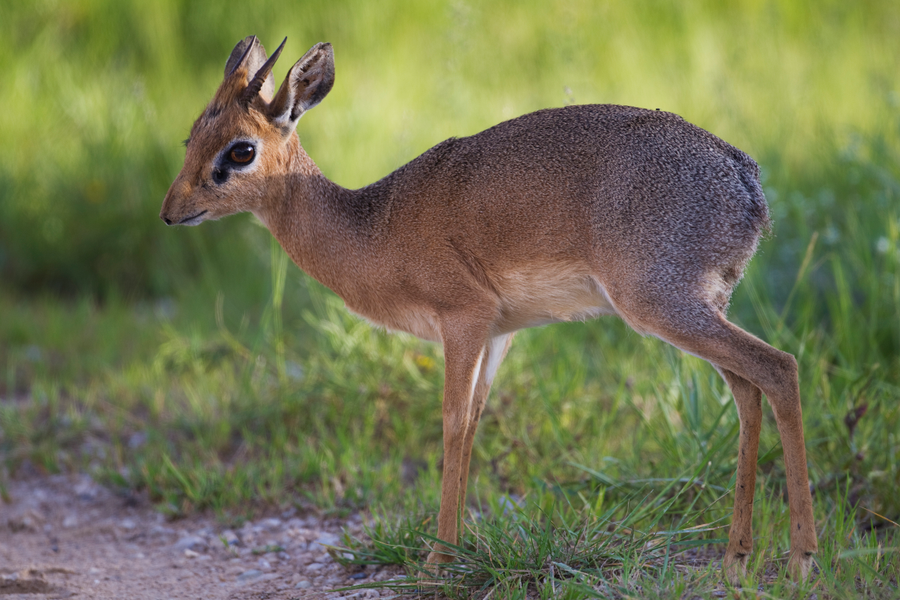
Mammal
Tiny antelope that whistles when alarmed
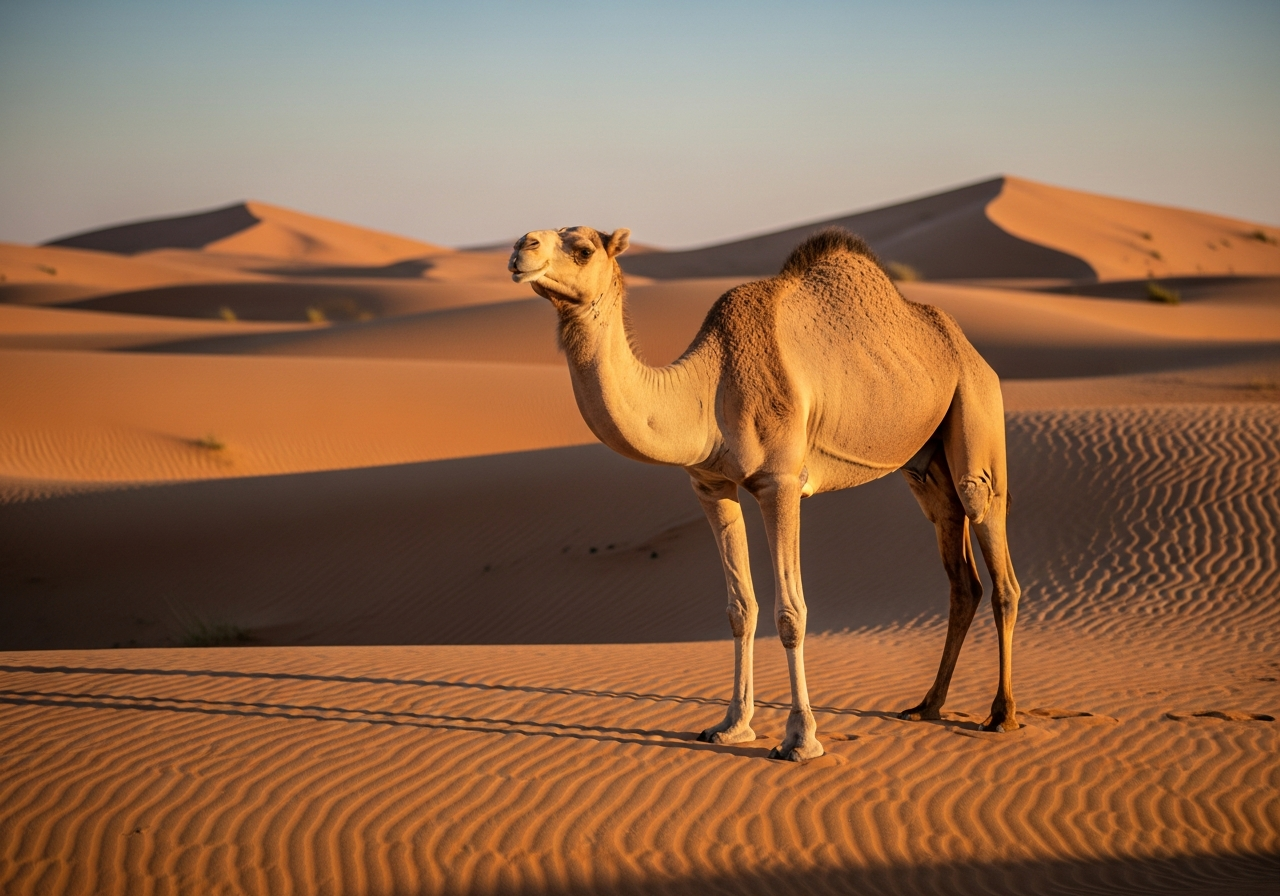
Mammal
The desert traveler that thrives without water
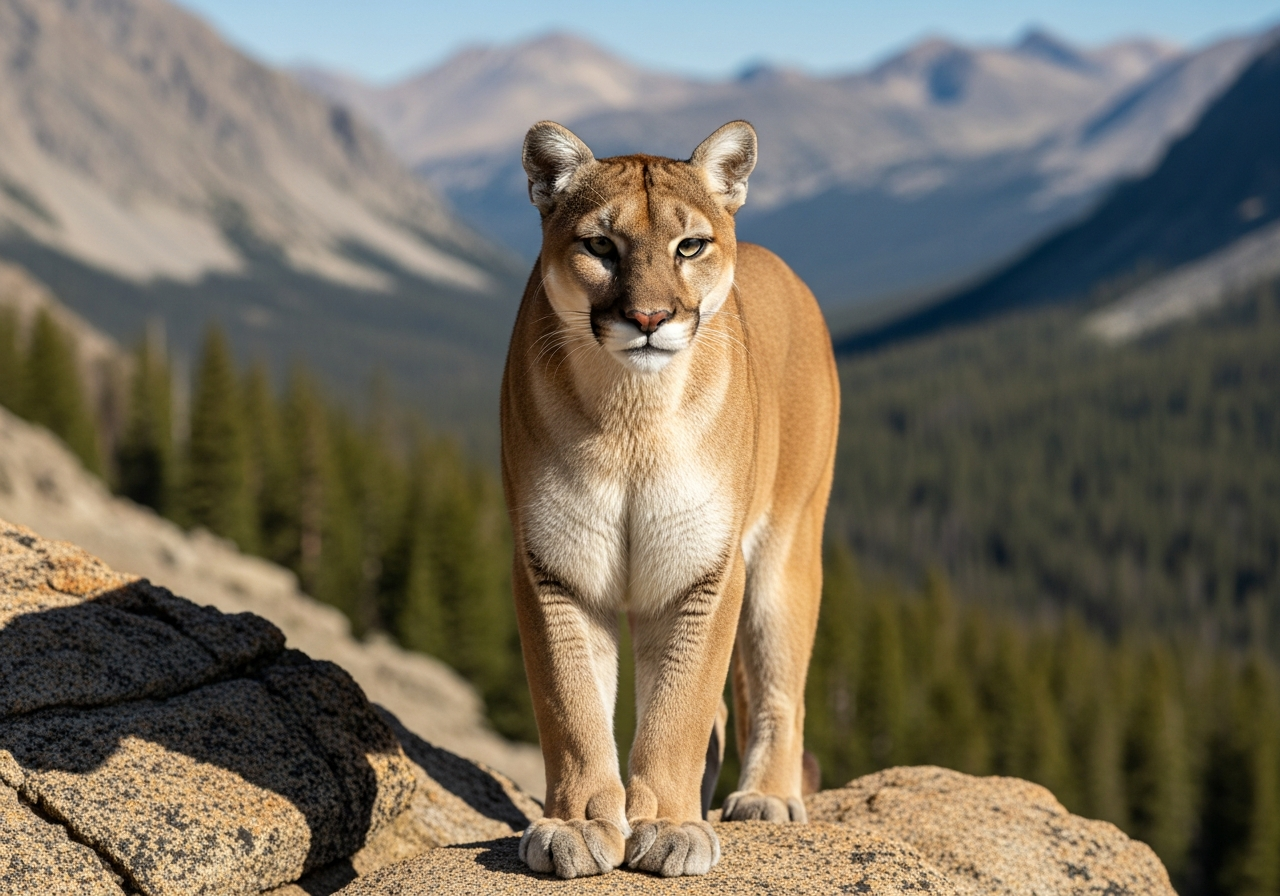
Mammal
The wide-ranging big cat with many names
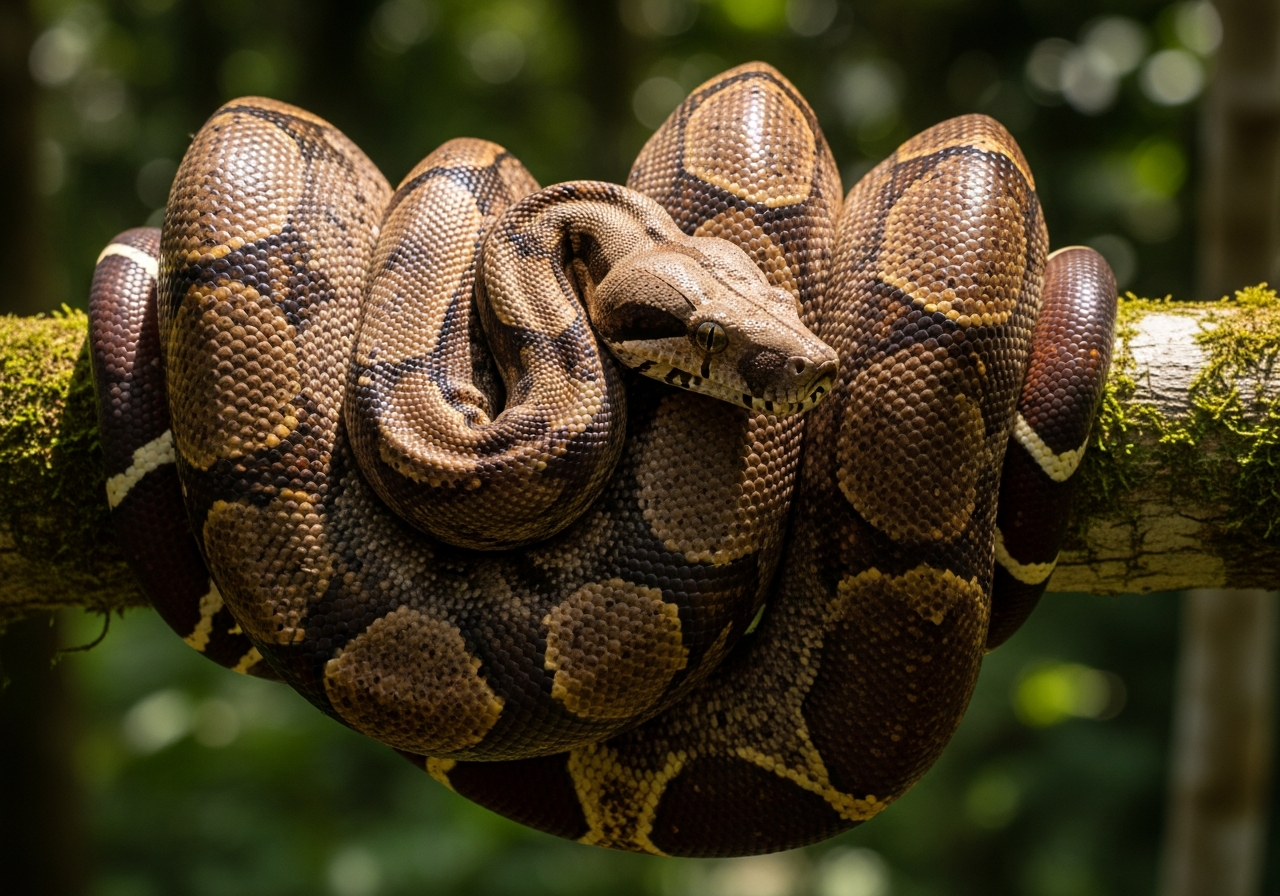
Reptile
The powerful constricting snake of the Americas
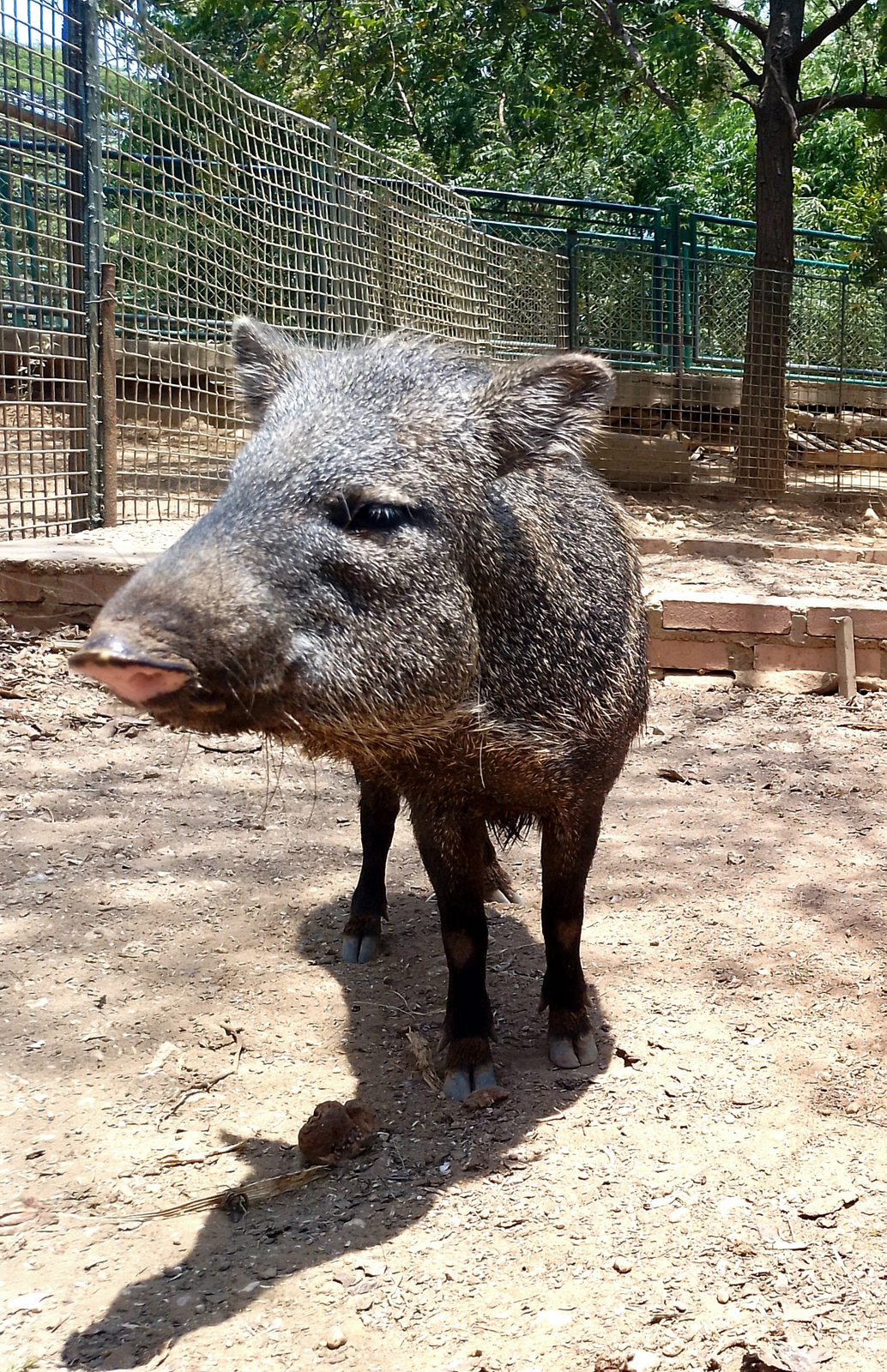
Mammal
Collared herd animal of American scrublands
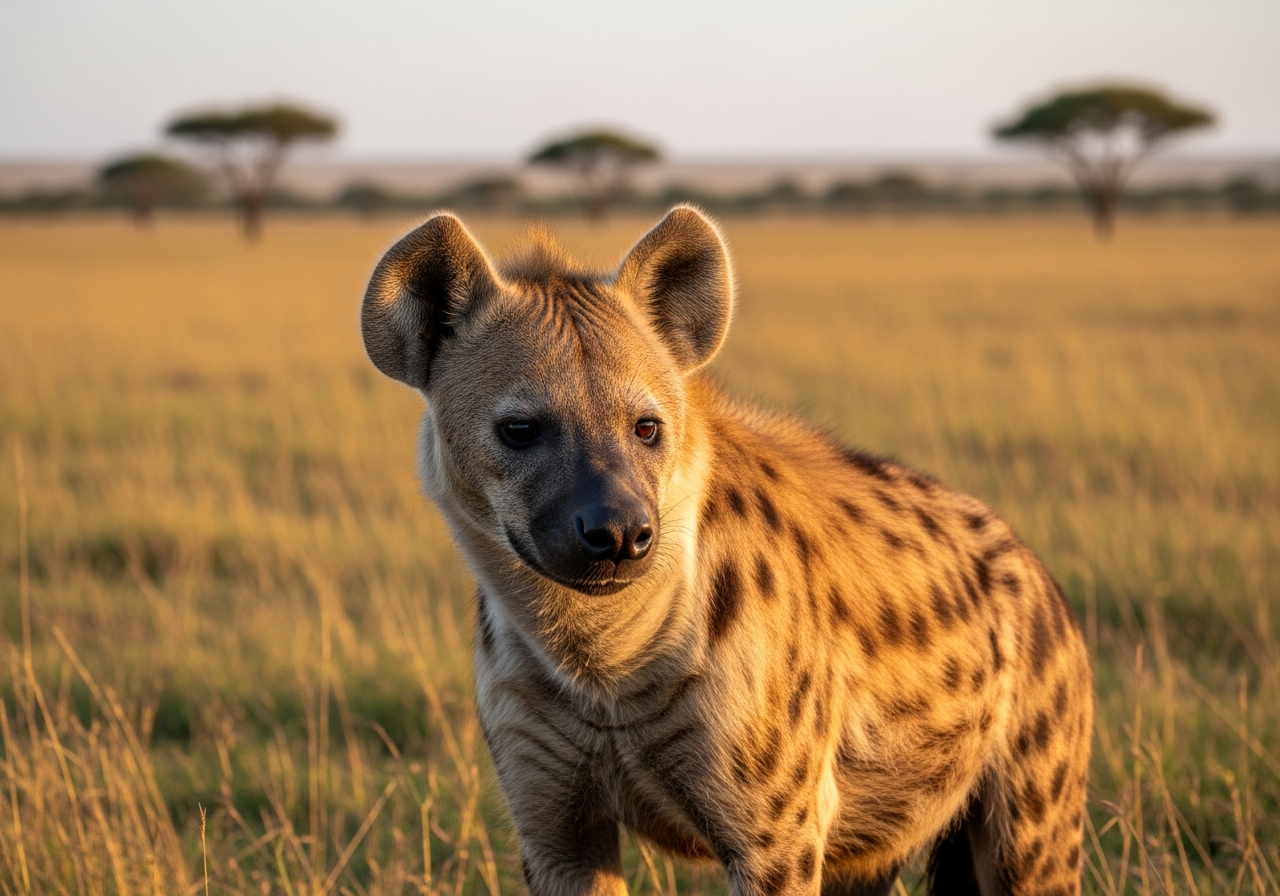
Mammal
The social, powerful hunter of the African savanna
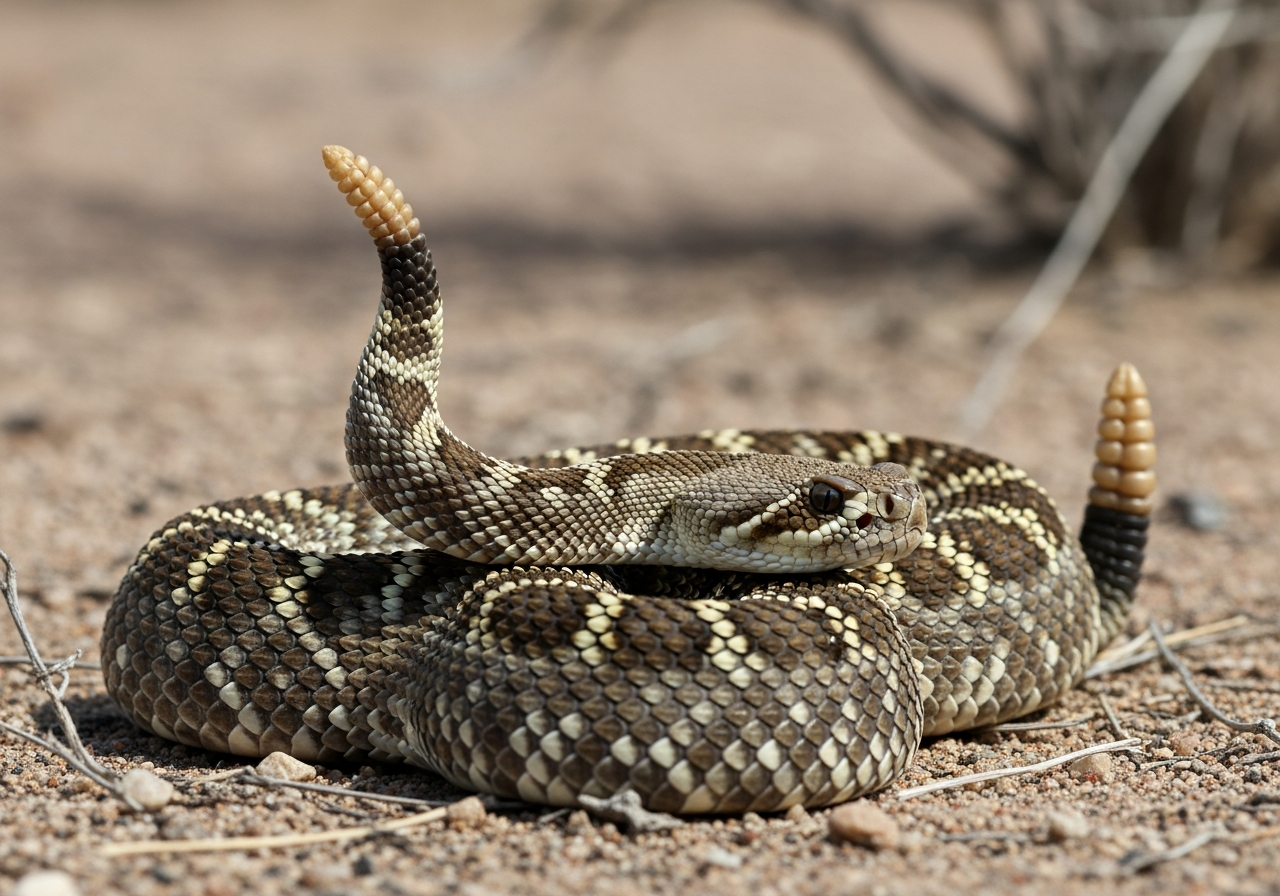
Reptile
The venomous pit viper with a warning rattle
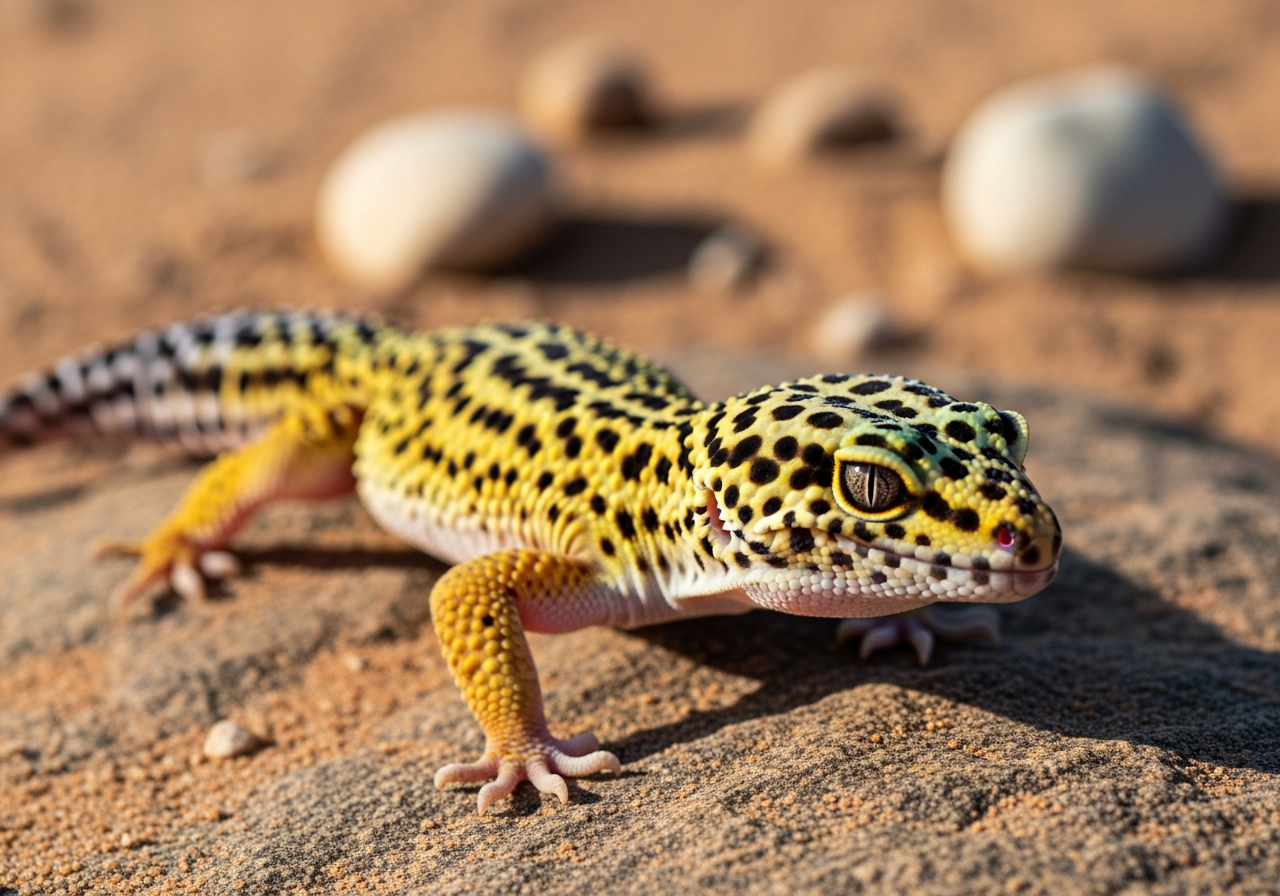
Reptile
The spotted desert gecko and beginner-friendly pet
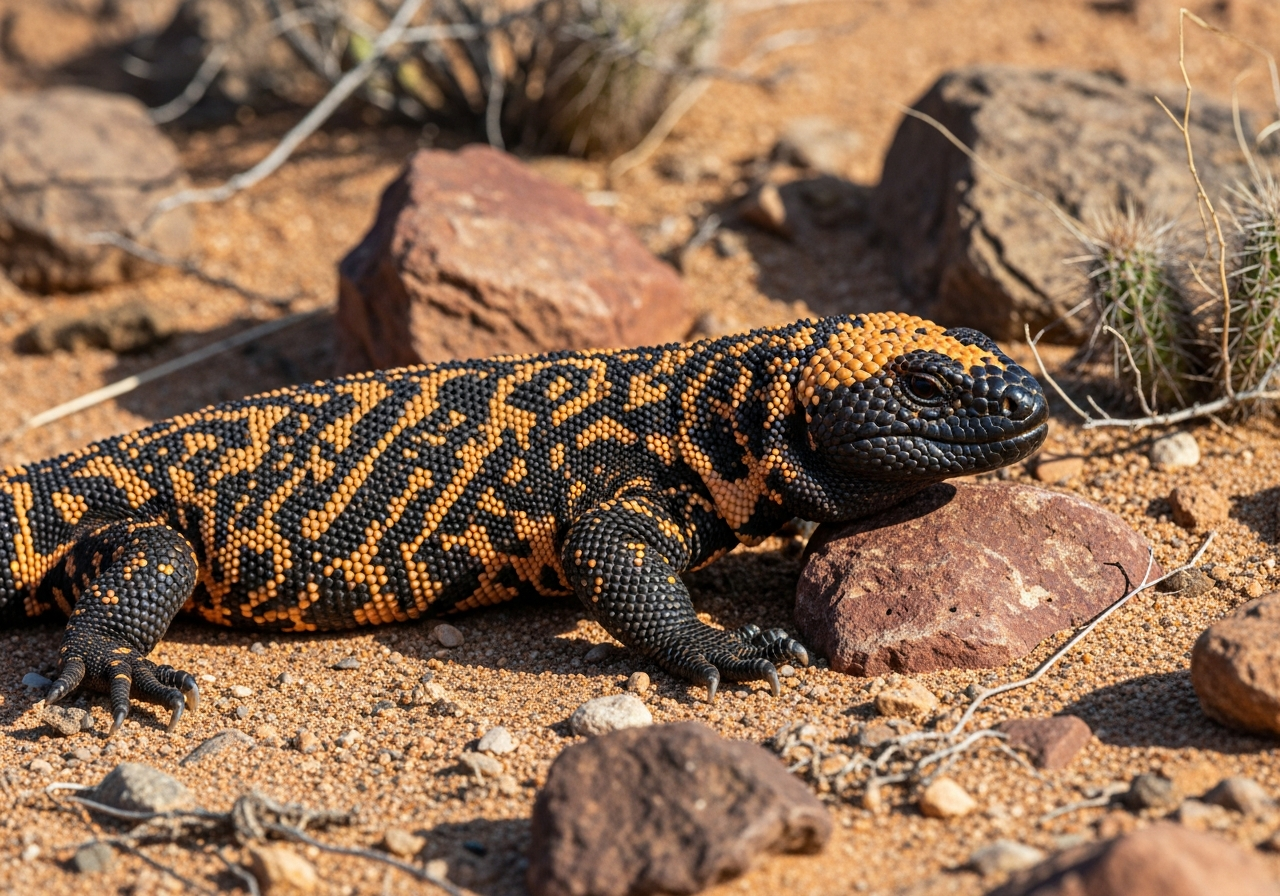
Reptile
One of the few venomous lizards
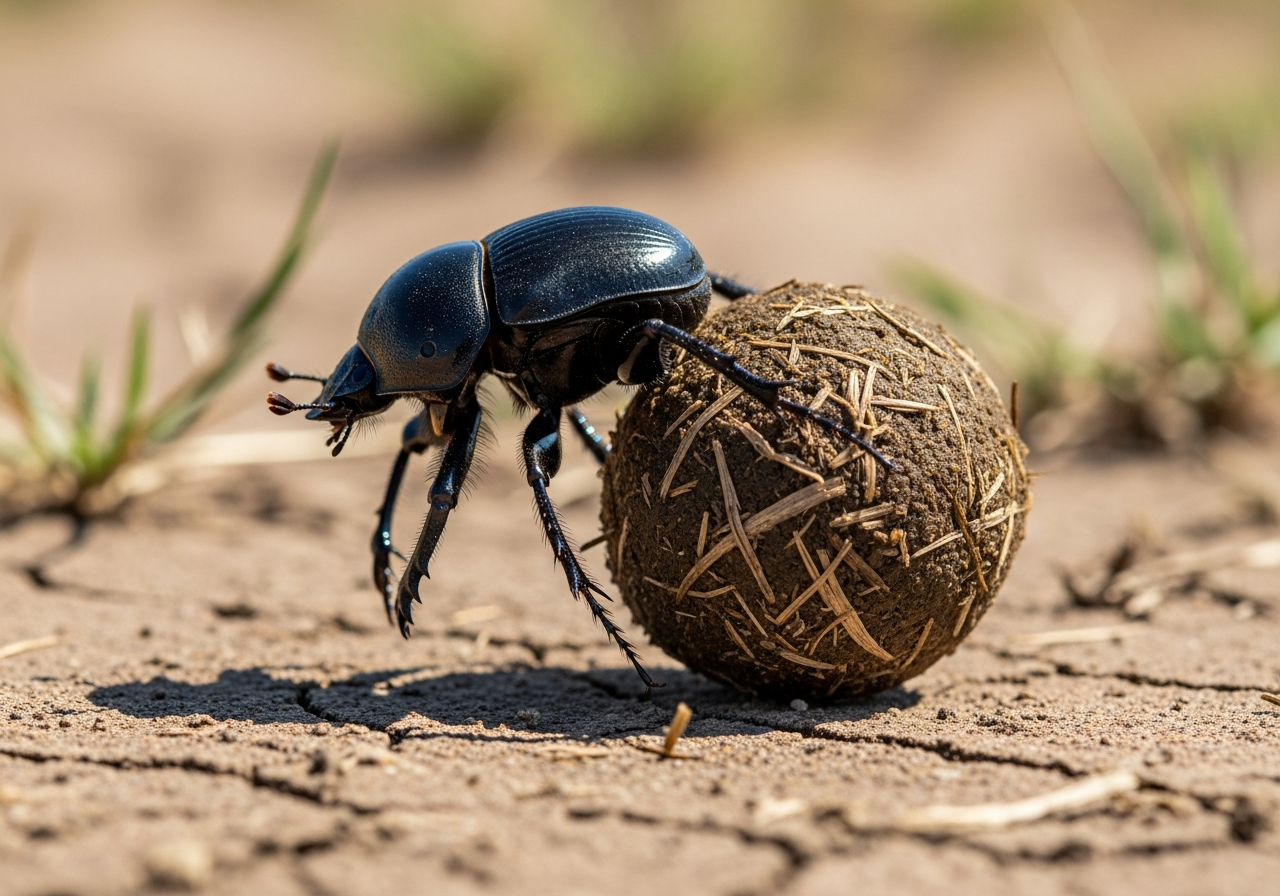
Insect
The strong beetle that rolls balls of dung
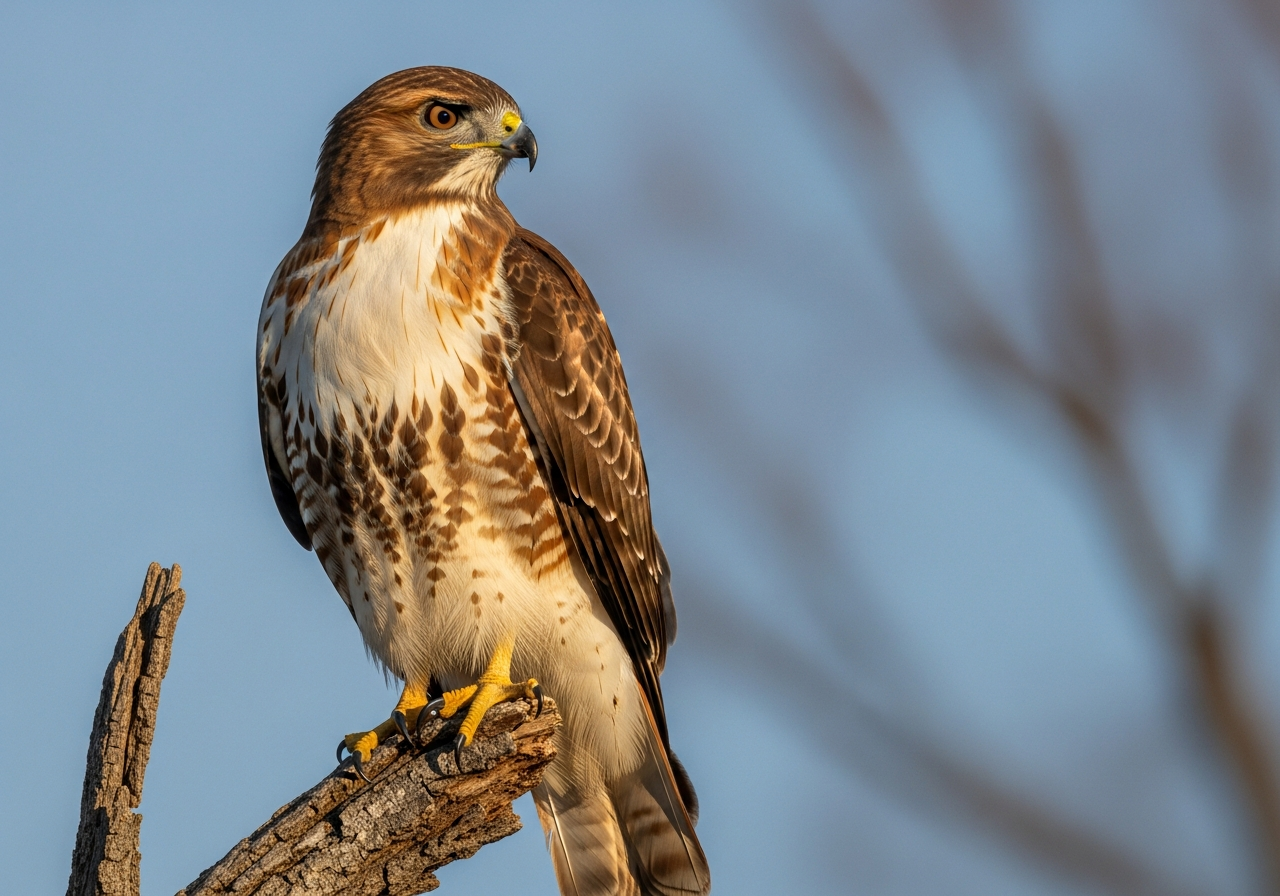
Bird
North America's most familiar soaring hawk
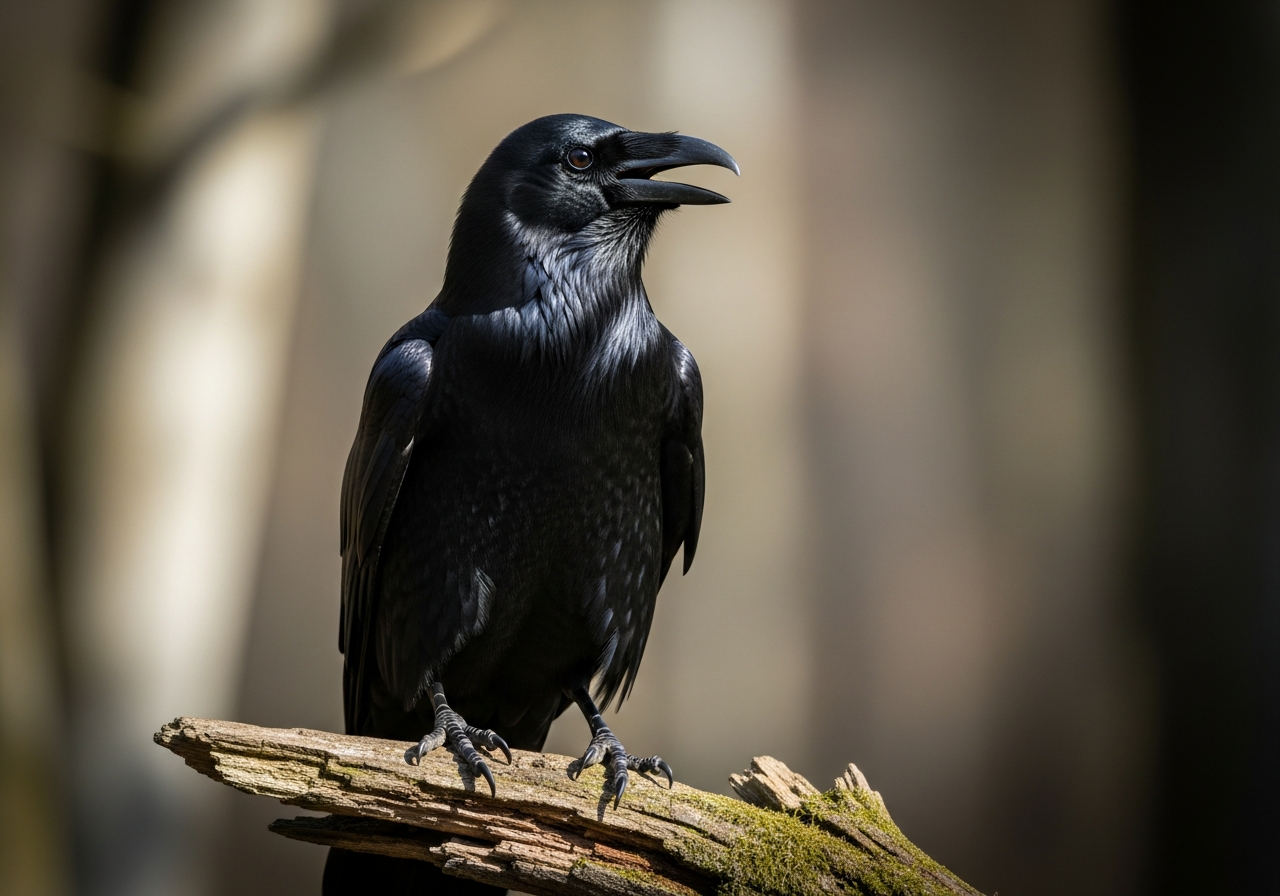
Bird
One of the world's most intelligent birds
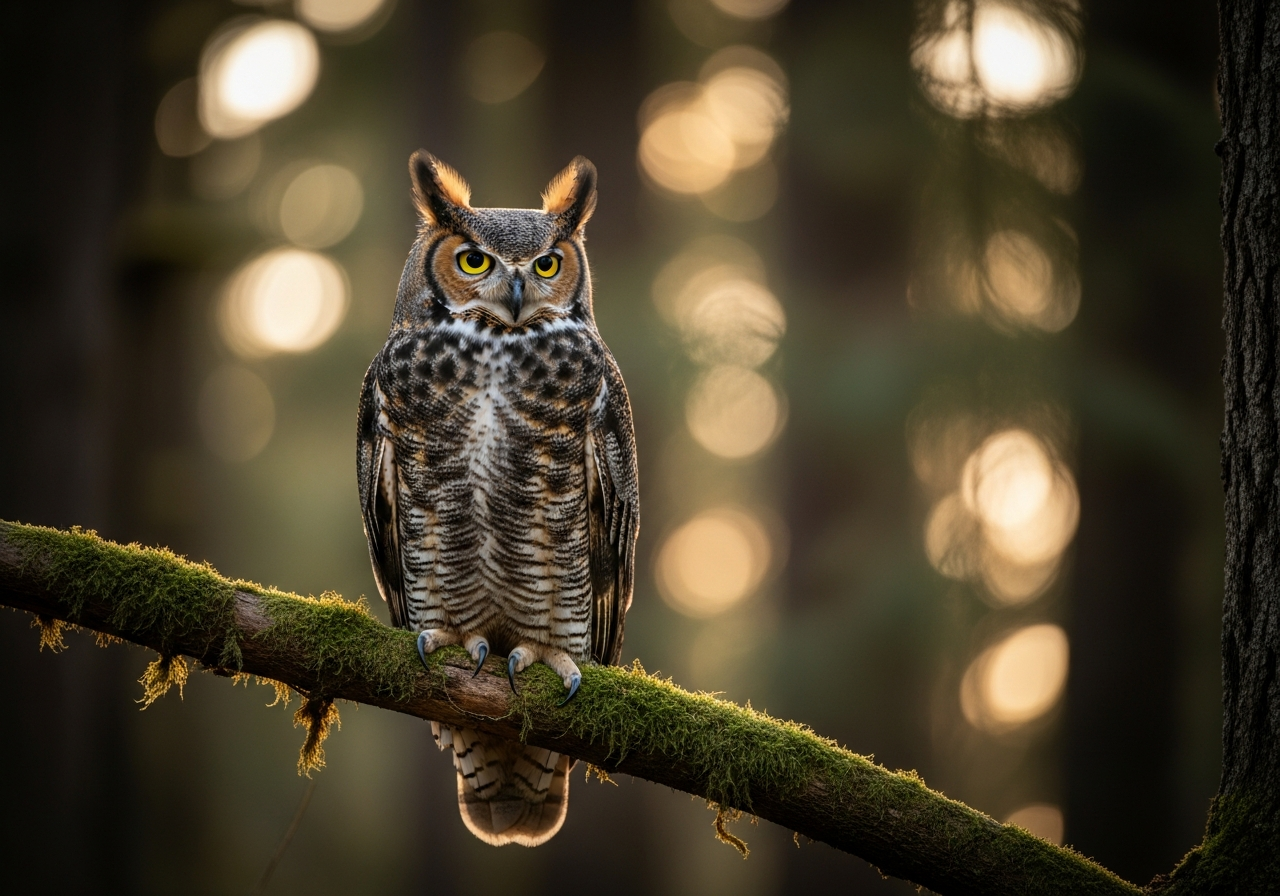
Bird
The powerful nocturnal hunter with feathered tufts
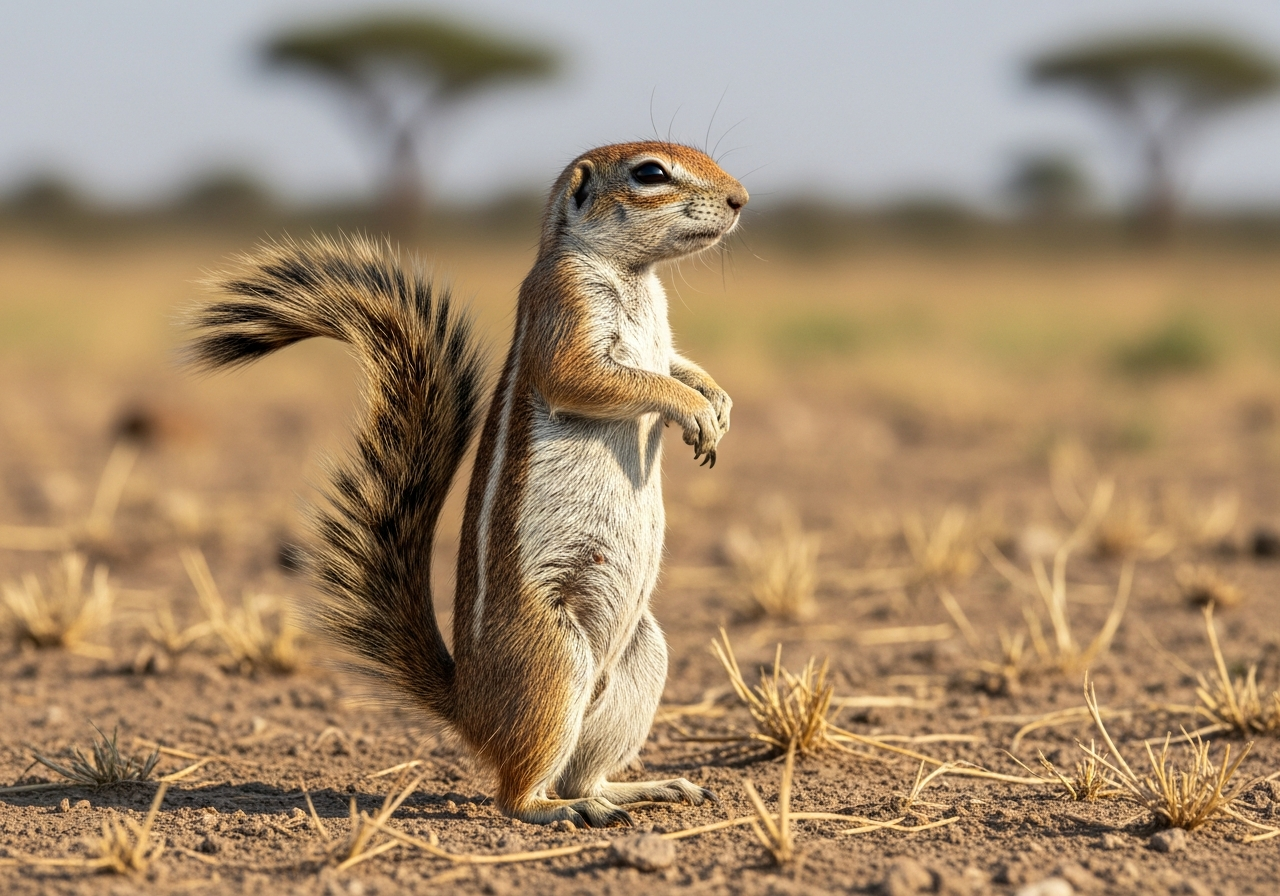
Mammal
The African ground squirrel that shades itself with its tail
Deserts receive very little rain. Animals here conserve water, hunt at night, or dig deep burrows to escape heat. Despite harsh conditions, deserts support specialised reptiles, mammals, birds, and invertebrates adapted to scarcity and temperature extremes.
Species lists on this page are drawn from Global Animal Guide profiles whose habitat facts match desert keywords. Browse the ranked list for answer-first guides covering diet, range, and conservation.
Desert is defined by climate, vegetation, and water availability that favour particular body plans and behaviours. Compare sibling biome hubs (ocean, forest, desert, and more) to see how the same animal groups specialise differently.