Image sourcing: see credits & licences
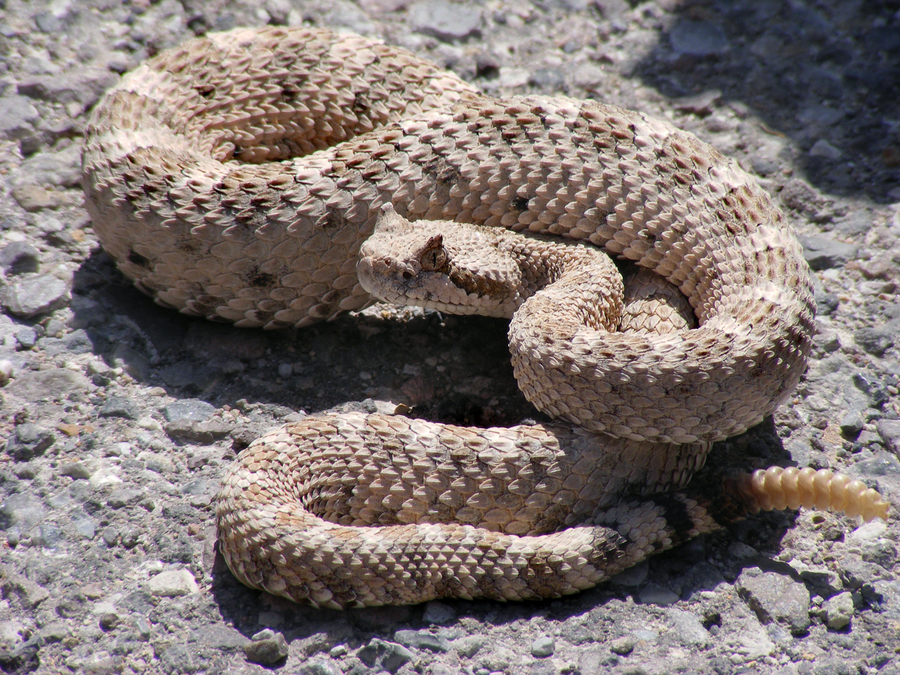
The sidewinder (Crotalus cerastes) is a reptile of the viper family, Viperidae, in the order Squamata.
Quick answer
The sidewinder (Crotalus cerastes) is a small horned rattlesnake that sidewinds across sand in the Mojave and Sonoran Deserts of the southwestern United States and northwestern Mexico. Adults weigh about 150 g, hunt lizards and rodents at night, leave J-shaped tracks on dunes, and are listed Least Concern.
Top questions about the Sidewinder
Sidewinder facts at a glance
- Weight 150 g
- Length 60 cm
- Top speed 10 km/h
- Lifespan 12 years
| Scientific name | Crotalus cerastes |
|---|---|
| Diet | Carnivore (lizards and rodents) |
| Habitat | Sandy desert dunes and creosote flats |
| Lifespan | Around 12 years in the wild (varies by population and captivity). |
| Weight | About 0.15 kg typical adult mass (sex and region vary). |
| Top speed | Up to roughly 10 km/h when moving at speed. |
| Conservation status | Least Concern (IUCN) |
| Kingdom | Animalia |
|---|---|
| Phylum | Chordata |
| Class | Reptilia |
| Order | Squamata |
| Family | Viperidae |
| Genus | Crotalus |
Where it lives
The sidewinder (Crotalus cerastes) is native to Mojave and Sonoran Deserts of the southwestern United States and northwestern Mexico. — recorded across North America in this guide’s range summary.
For occurrence records, see GBIF species search and sources below.
How big is a sidewinder?
An adult sidewinder measures 60 cm long — about 35% of the height of an average adult person (1.73 m) — and weighs around 150 g, a small fraction of an average adult’s body weight (70 kg).
Length vs an average adult’s height (to scale)
What is a group of sidewinders called?
Group name (collective noun)
A group of Sidewinders is called a bed.
Baby name
A baby Sidewinder is called a neonate.
Explore more animal collective nouns and baby animal names .
Horns and sidewinding tracks
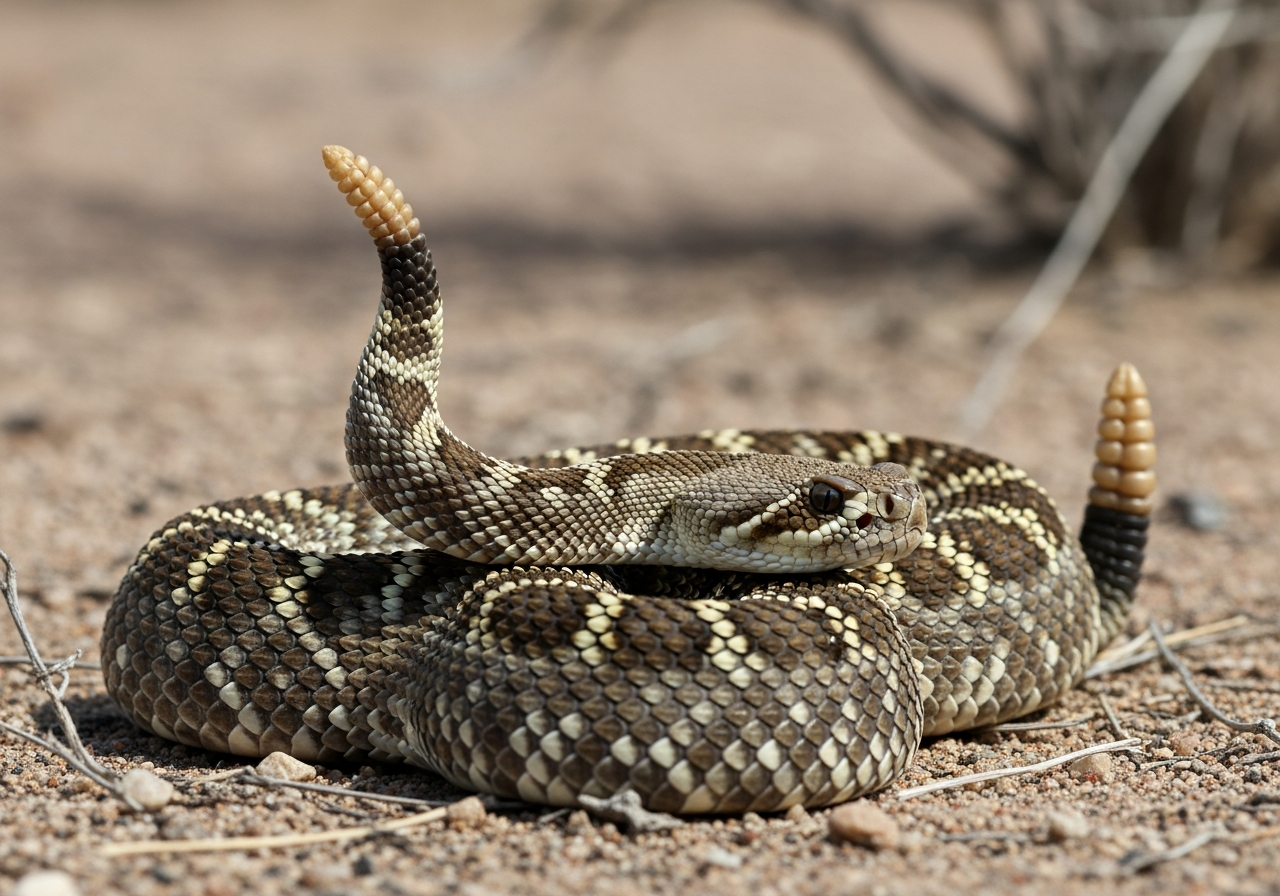
Raised scales above the eyes ("horns") may shield against sand and sun glare. Sidewinding lifts most of the body, leaving distinctive J-shaped tracks and reducing contact with hot sand. A small rattle warns predators.
Lizards by night
Ambush and active hunting target lizards such as whiptails plus kangaroo rats and other desert rodents. Juveniles especially rely on lizards; adults take more mammals.
Mojave and Sonoran dunes
Sandy desert dunes and creosote flats of the southwestern United States and northwestern Mexico. They bury in sand by day with only the eyes and horns exposed.
Desert specialist, still common
Least Concern overall, though off-road vehicles and urban sprawl into dune habitat can locally reduce numbers. They are protected from commercial collection in some US states.
Explore the Sidewinder
Close relatives
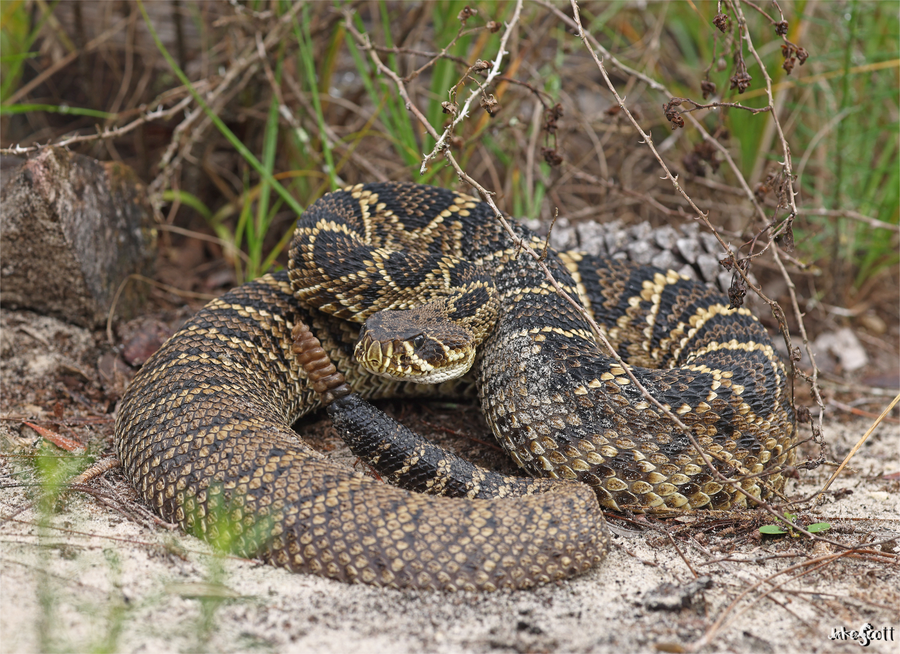
- Eastern Diamondback Rattlesnake Same genus
- Western Diamondback Rattlesnake Same genus
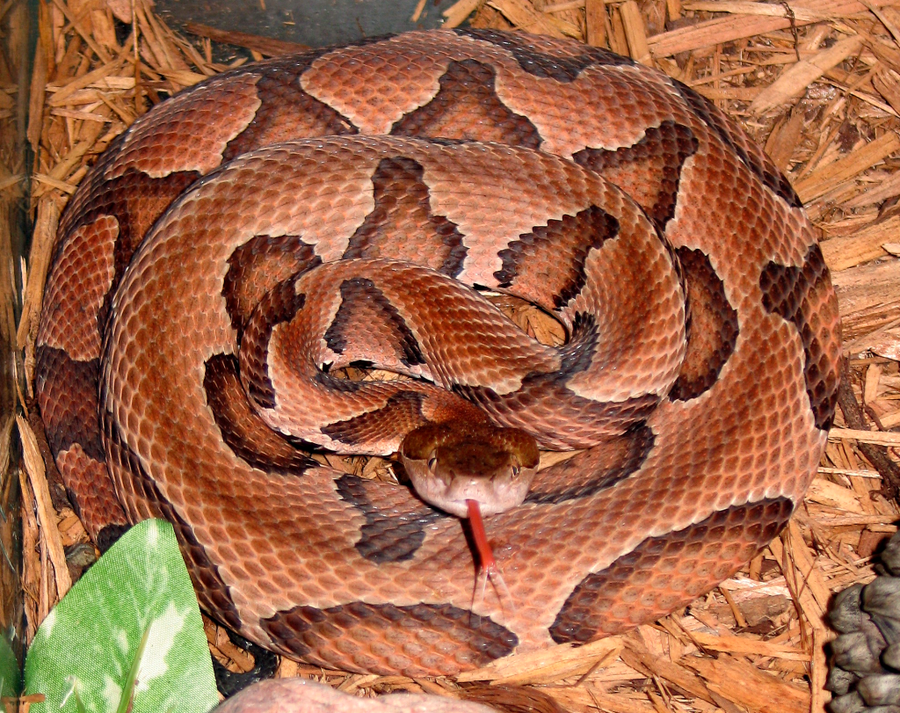
- Copperhead Same family
- Puff Adder Same family
Range & geography
Conservation status of the Sidewinder
The sidewinder (Crotalus cerastes) is listed as Least Concern on the IUCN Red List. Least Concern (LC) is the IUCN's lowest-risk category, assigned to widespread, abundant species that have been evaluated and found not to be threatened. It does not mean a species faces no pressures — only that it is not currently at risk of extinction.
The sidewinder (Crotalus cerastes) is assessed on the IUCN Red List. Look up on the IUCN Red List .
Frequently asked questions about the Sidewinder
Why do sidewinders sidewind?
The locomotion minimises contact with hot or loose sand and gives efficient traction on dunes.
What are the horns on a sidewinder for?
The supraocular horns likely protect the eyes from sand and abrasion as the snake moves and buries itself.
Do sidewinders have a rattle?
Yes — they are true rattlesnakes (Crotalus), though the rattle is relatively small.
Are sidewinder bites dangerous?
Venom is medically significant; seek emergency care. Fatalities are uncommon with treatment.
Where do sidewinders live?
Mojave and Sonoran Desert sands of the southwestern United States and northwestern Mexico.
What is a group of sidewinders called?
A group of Sidewinders is called a bed.
What is a baby sidewinder called?
A baby Sidewinder is called a neonate.
Sources & references
This guide is compiled and reviewed against established zoological and conservation references. Key sources for the Sidewinder:
-
IUCN Red List of Threatened Species
Conservation status (Least Concern) reflects the IUCN Red List category for Crotalus cerastes.
-
iNaturalist — observations & photos
Search citizen-science observations and community IDs for Crotalus cerastes. Useful for range checks and recent sightings — not a substitute for formal Red List status.
-
GBIF — occurrence data
Global Biodiversity Information Facility species search for Crotalus cerastes. Explore published occurrence records used in range research.
-
Global Animal Guide editorial standards
How we research, source, review, and update every guide for accuracy.