Image sourcing: see credits & licences
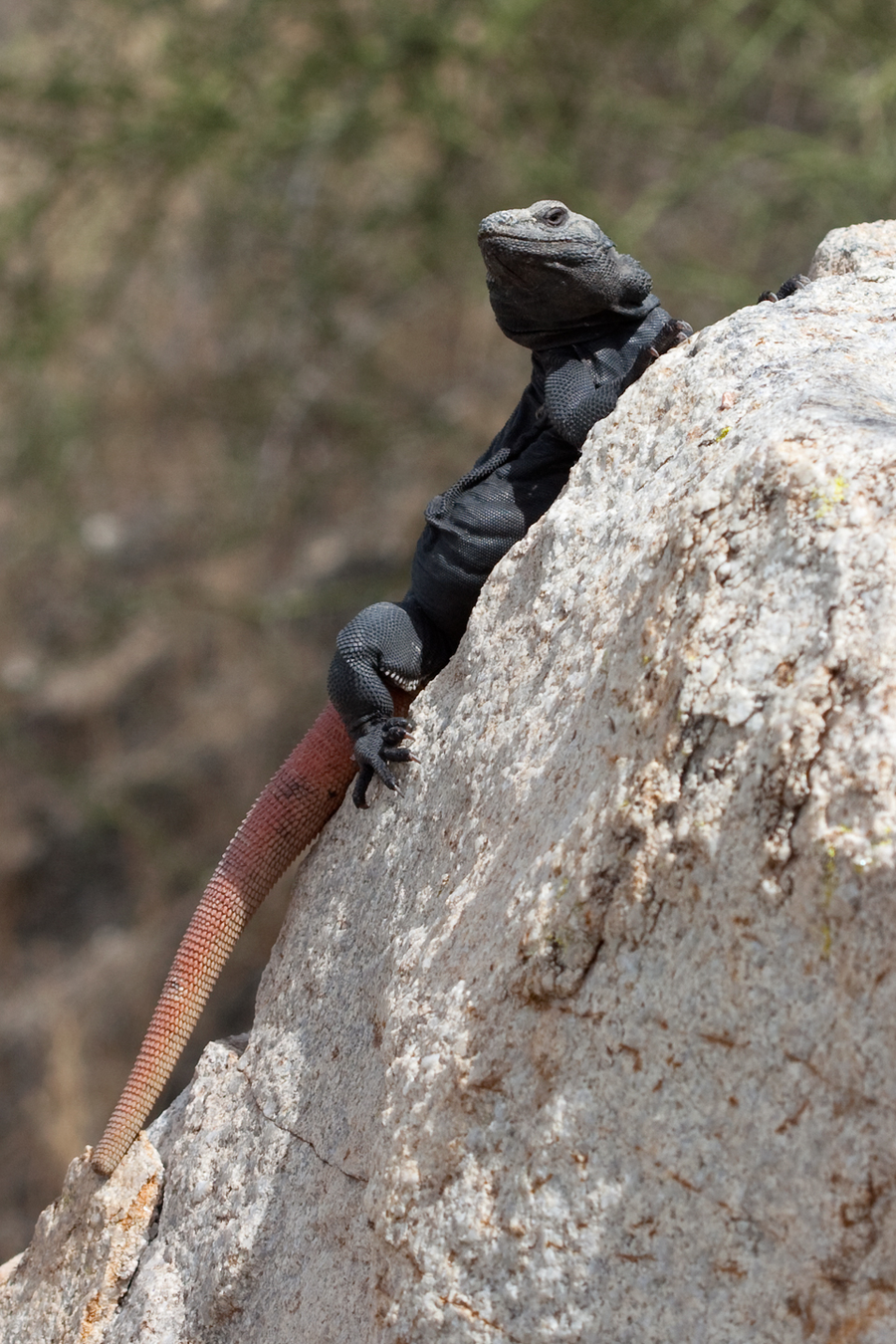
The chuckwalla (Sauromalus ater) is a reptile of the family Iguanidae, in the order Squamata.
Quick answer
The chuckwalla (Sauromalus ater) is a bulky herbivorous lizard of rocky deserts in the southwestern United States and northwestern Mexico. When threatened it wedges into rock crevices and inflates its body so predators cannot extract it. Adults weigh about 0.9 kg and are listed Least Concern.
Top questions about the Chuckwalla
Chuckwalla facts at a glance
- Weight 900 g
- Length 40 cm
- Top speed 5 km/h
- Lifespan 25 years
| Scientific name | Sauromalus ater |
|---|---|
| Diet | Herbivore |
| Habitat | Lava flows, rocky outcrops, and desert scrub |
| Lifespan | Around 25 years in the wild (varies by population and captivity). |
| Weight | About 0.9 kg typical adult mass (sex and region vary). |
| Top speed | Up to roughly 5 km/h when moving at speed. |
| Conservation status | Least Concern (IUCN) |
| Kingdom | Animalia |
|---|---|
| Phylum | Chordata |
| Class | Reptilia |
| Order | Squamata |
| Family | Iguanidae |
| Genus | Sauromalus |
Where it lives
The chuckwalla (Sauromalus ater) is native to Rocky deserts of the southwestern United States and northwestern Mexico. — recorded across North America in this guide’s range summary.
For occurrence records, see GBIF species search and sources below.
How big is a chuckwalla?
An adult chuckwalla measures 40 cm long — about 23% of the height of an average adult person (1.73 m) — and weighs around 900 g, about 1% of an average adult’s body weight (70 kg).
Length vs an average adult’s height (to scale)
What is a group of chuckwallas called?
Group name (collective noun)
A group of Chuckwallas is called a lounge.
Baby name
A baby Chuckwalla is called a hatchling.
Explore more animal collective nouns and baby animal names .
Inflatable rock specialist
Loose folds of skin let chuckwallas gulp air and swell inside cracks. Males are often darker-headed; both sexes bask on lava flows and boulder piles.
Desert flowers and leaves
Strictly herbivorous: leaves, flowers, and fruits of desert plants such as creosote-associated annuals. They obtain much water from food. Across its range it is tied to lava flows, rocky outcrops, and desert scrub, and field accounts emphasise this species’ distinctive ecology rather than generic habitat labels.
Southwest rock deserts
Lava flows, rocky outcrops, and desert scrub of the southwestern United States and northwestern Mexico. Across its range it is tied to lava flows, rocky outcrops, and desert scrub, and field accounts emphasise this species’ distinctive ecology rather than generic habitat labels.
Heat and habitat intact
Least Concern across a still-extensive rocky range. Collection for pets is regulated in some areas; climate extremes mainly affect activity seasons rather than causing collapse.
Explore the Chuckwalla
Close relatives
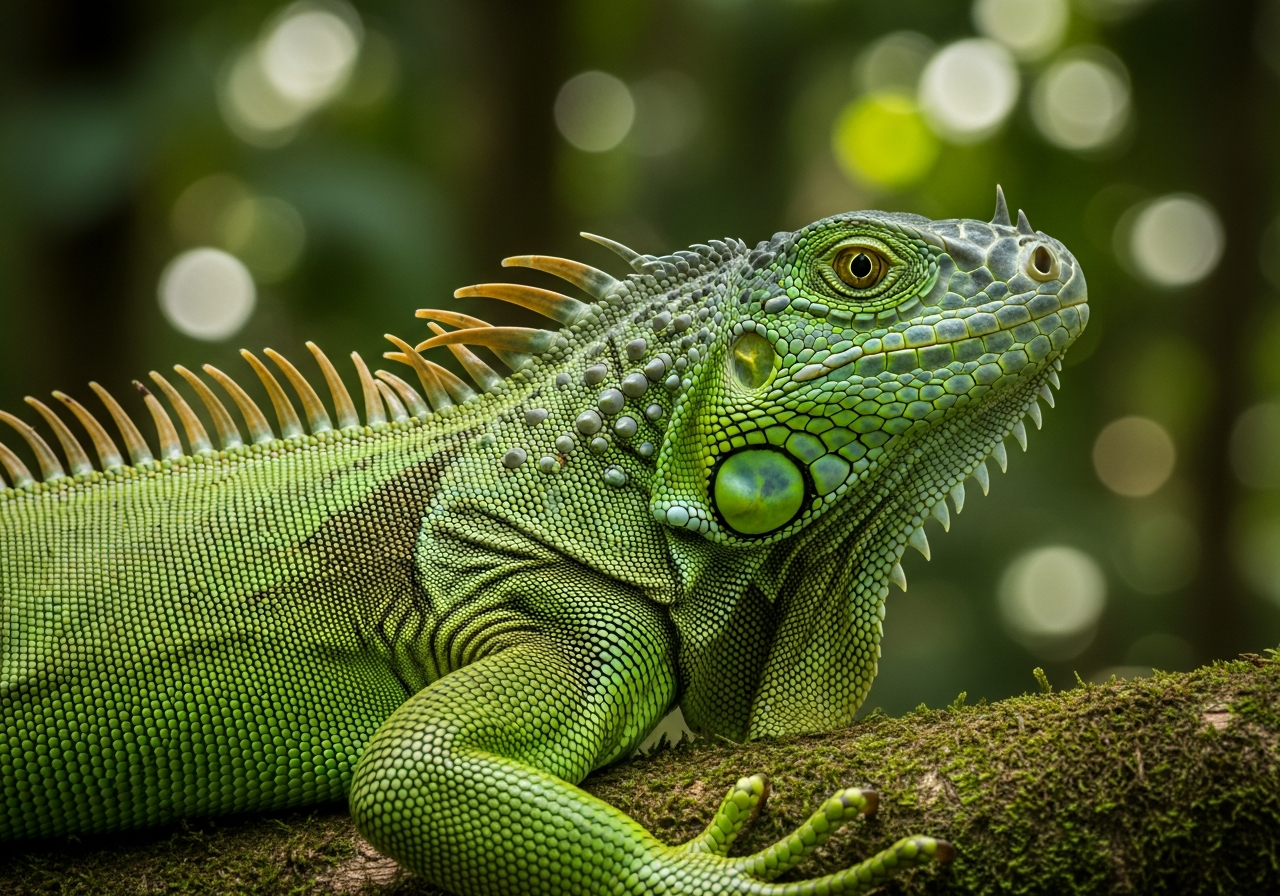
- Green Iguana Same family
- Black Mamba Same order
- Inland Taipan Same order
- Copperhead Same order
Range & geography
Conservation status of the Chuckwalla
The chuckwalla (Sauromalus ater) is listed as Least Concern on the IUCN Red List. Least Concern (LC) is the IUCN's lowest-risk category, assigned to widespread, abundant species that have been evaluated and found not to be threatened. It does not mean a species faces no pressures — only that it is not currently at risk of extinction.
The chuckwalla (Sauromalus ater) is assessed on the IUCN Red List. Look up on the IUCN Red List .
Frequently asked questions about the Chuckwalla
How do chuckwallas escape predators?
They dive into rock crevices and inflate with air so they cannot be pulled out.
Do chuckwallas eat insects?
No — they are herbivores feeding on desert leaves, flowers, and fruits.
Are chuckwallas venomous?
No for the chuckwalla.
Where do chuckwallas live?
Rocky deserts of the southwestern United States and northwestern Mexico.
How long do chuckwallas live?
Decades are possible; captive animals often exceed 20–25 years. Native range summary: Rocky deserts of the southwestern United States and northwestern Mexico.
What is a group of chuckwallas called?
A group of Chuckwallas is called a lounge.
What is a baby chuckwalla called?
A baby Chuckwalla is called a hatchling.
Sources & references
This guide is compiled and reviewed against established zoological and conservation references. Key sources for the Chuckwalla:
-
IUCN Red List of Threatened Species
Conservation status (Least Concern) reflects the IUCN Red List category for Sauromalus ater.
-
iNaturalist — observations & photos
Search citizen-science observations and community IDs for Sauromalus ater. Useful for range checks and recent sightings — not a substitute for formal Red List status.
-
GBIF — occurrence data
Global Biodiversity Information Facility species search for Sauromalus ater. Explore published occurrence records used in range research.
-
Global Animal Guide editorial standards
How we research, source, review, and update every guide for accuracy.