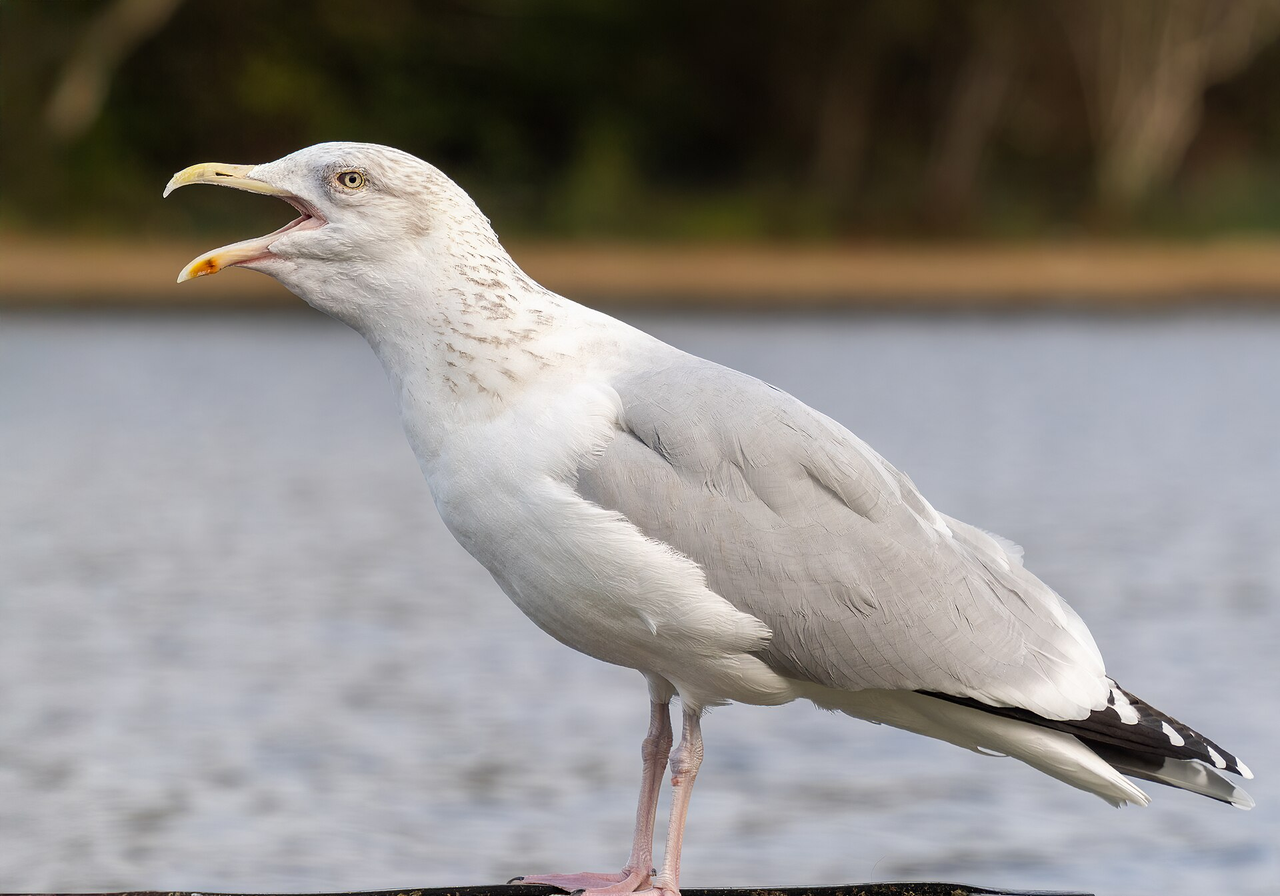
The European herring gull (Larus argentatus) is a bird of the family Laridae, in the order Charadriiformes.
Quick answer
The European herring gull (Larus argentatus) is a large gull of north-western European coasts that also lives inland near water. It is 56–66 cm long with a wingspan of 137–146 cm and weighs 800–1,250 g. It is an opportunist that eats fish, shellfish, eggs, carrion and rubbish, and it can live for 30 years. It is listed as Least Concern on the IUCN Red List (assessed 2018), but its population is decreasing.
Top questions about the European Herring Gull
European Herring Gull facts at a glance
- Weight 1 kg
- Length 61 cm
- Lifespan 30 years
| Scientific name | Larus argentatus |
|---|---|
| Diet | Marine invertebrates, fish, insects, other birds and their eggs, carrion and refuse |
| Habitat | Coasts; inland near water in smaller numbers |
| Length | 56–66 cm |
| Wingspan | 137–146 cm |
| Weight | 800–1,250 g; males are heavier |
| Lifespan | Up to about 30 years |
| Conservation status | Least Concern (IUCN Red List, assessed 2018) |
| Kingdom | Animalia |
|---|---|
| Phylum | Chordata |
| Class | Aves |
| Order | Charadriiformes |
| Family | Laridae |
| Genus | Larus |
Where it lives
The european herring gull (Larus argentatus) is native to Coasts of northern and western Europe, with some birds inland near lakes and rivers. — recorded across Europe in this guide’s range summary.
For occurrence records, see GBIF species search and sources below.
How big is a european herring gull?
An adult european herring gull measures 61 cm long — about 35% of the height of an average adult person (1.73 m) — and weighs around 1.0 kg, about 1% of an average adult’s body weight (70 kg).
Length vs an average adult’s height (to scale)
What is a group of european herring gulls called?
Group name (collective noun)
A group of European Herring Gulls is called a colony.
Baby name
A baby European Herring Gull is called a chick.
Explore more animal collective nouns and baby animal names .
Size and sexes
Males are 60–66 cm long and weigh 1,050–1,250 g; females are 56–62 cm and 800–980 g.
An opportunist
Herring gulls prefer animal food and will prey on marine invertebrates, fish, insects and other birds and their eggs, and scavenge dead animals and rubbish. At sea they forage in scattered groups that gather quickly once prey is found.
Colony life
They nest in colonies but defend their own territory inside the colony. Adults usually dominate young birds.
Status and a note on names
The IUCN Red List classes the European herring gull as Least Concern, with a decreasing population. Animal Diversity Web's account also covers the North American birds, which many authorities now treat as a separate species, the American herring gull.
Explore the European Herring Gull
Close relatives
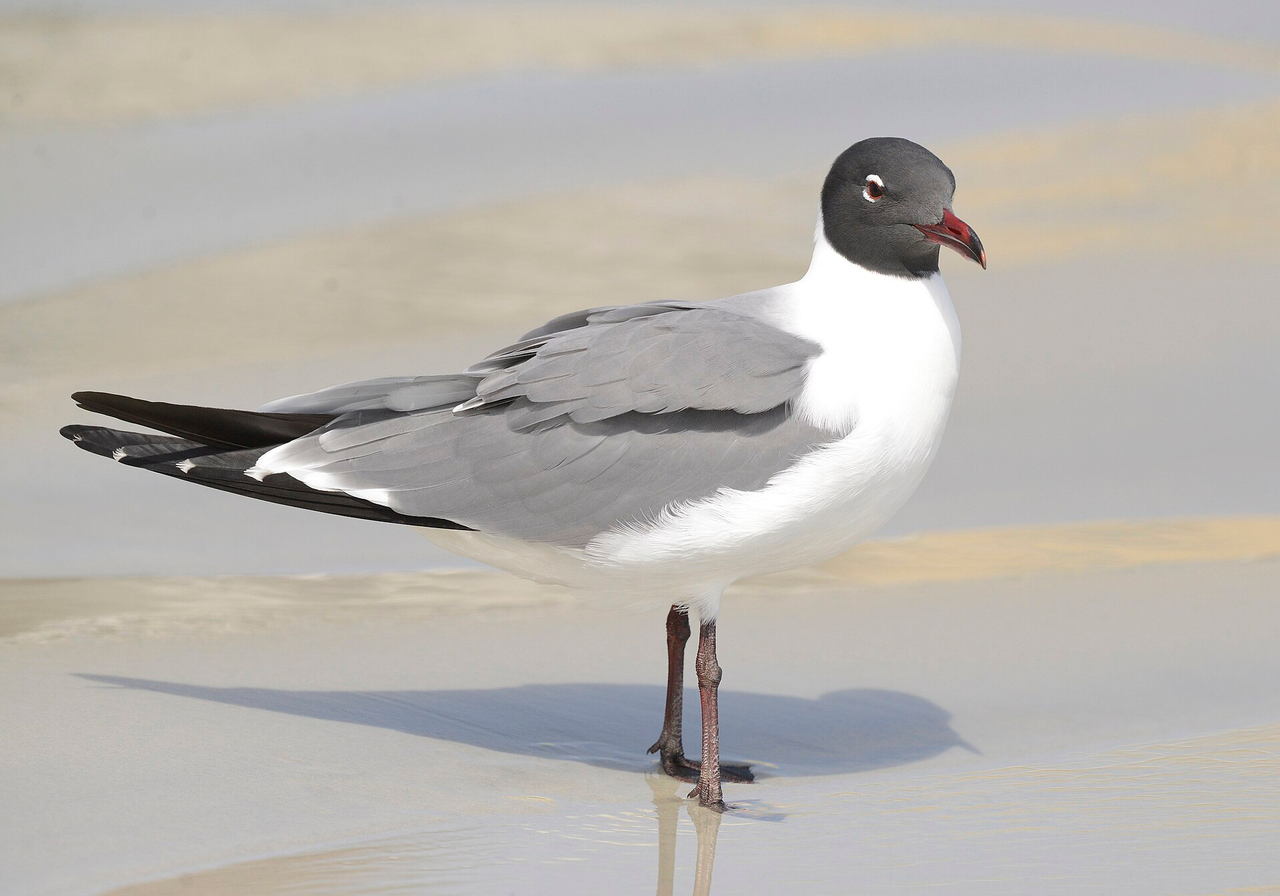
- Laughing Gull Same family
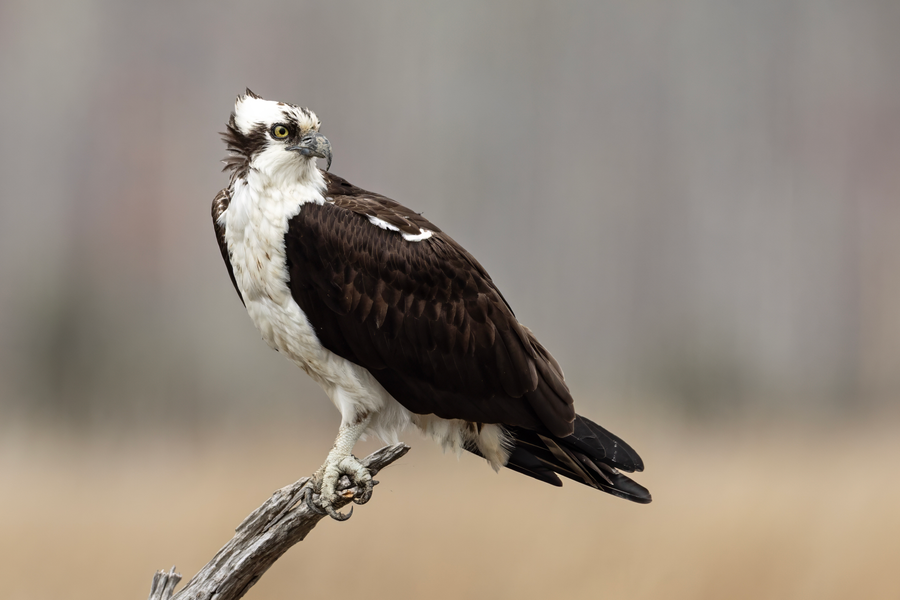
- Killdeer Same order
- Razorbill Same order
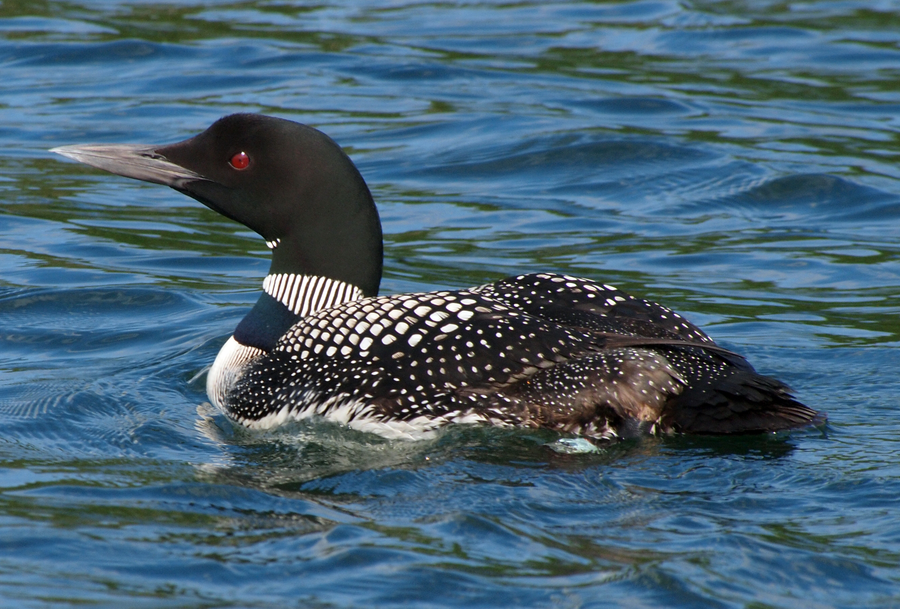
- Common Murre Same order
Range & geography
Did you know? European Herring Gull facts
- Herring gulls defend a small territory of their own inside the nesting colony.
- A herring gull can live for 30 years.
Conservation status of the European Herring Gull
The European herring gull (Larus argentatus) is listed as Least Concern on the IUCN Red List. Least Concern (LC) is the IUCN's lowest-risk category, assigned to widespread, abundant species that have been evaluated and found not to be threatened. It does not mean a species faces no pressures — only that it is not currently at risk of extinction.
European Herring Gull (Larus argentatus) was most recently assessed for the IUCN Red List in 2018. View the full IUCN assessment .
Frequently asked questions about the European Herring Gull
What do herring gulls eat?
Almost anything: marine invertebrates, fish, insects, eggs and chicks of other birds, carrion and refuse.
How long do herring gulls live?
Up to about 30 years, although many die young.
Are herring gulls declining?
Yes. The IUCN Red List classes the species as Least Concern but records a decreasing population.
What is a group of european herring gulls called?
A group of European Herring Gulls is called a colony.
What is a baby european herring gull called?
A baby European Herring Gull is called a chick.
Sources & references
This guide is compiled and reviewed against established zoological and conservation references. Key sources for the European Herring Gull:
-
IUCN Red List of Threatened Species
Conservation status (Least Concern) reflects the IUCN Red List category for Larus argentatus, most recently assessed in 2018.
-
iNaturalist — observations & photos
Search citizen-science observations and community IDs for Larus argentatus. Useful for range checks and recent sightings — not a substitute for formal Red List status.
-
GBIF — occurrence data
Global Biodiversity Information Facility species search for Larus argentatus. Explore published occurrence records used in range research.
-
eBird — bird observations
Cornell Lab eBird target search for European Herring Gull. Check recent checklists and seasonal abundance where birders report this species.
- IUCN Red List of Threatened Species: Larus argentatus (assessed 2018). Checked 16 November 2026.
IUCN Red List category Least Concern, assessed 2018; population trend decreasing; native range.
- Animal Diversity Web: Larus argentatus. University of Michigan Museum of Zoology.
Size, lifespan, range, diet and behaviour.
-
Global Animal Guide editorial standards
How we research, source, review, and update every guide for accuracy.