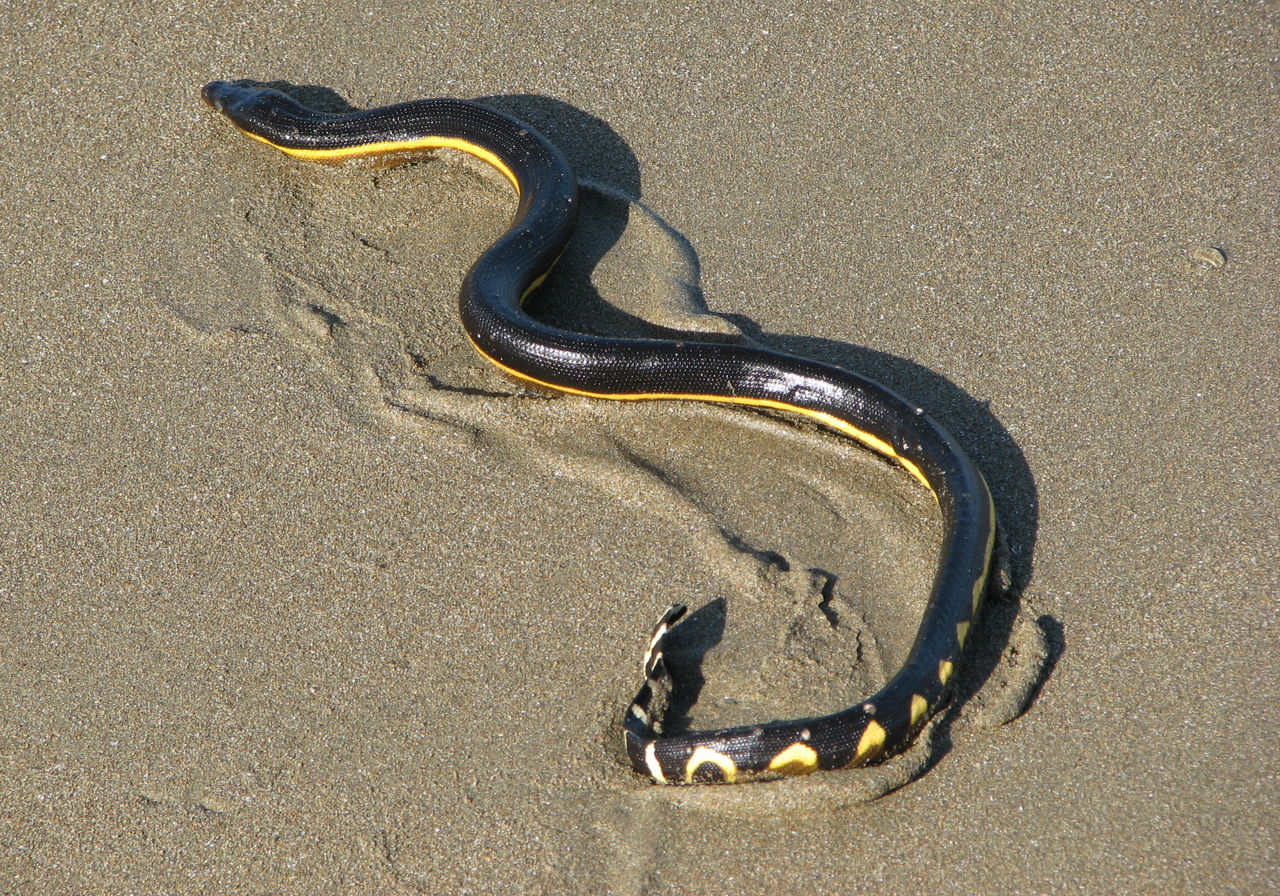
The yellow-bellied sea snake (Hydrophis platurus) is a reptile of the family Elapidae, in the order Squamata.
Quick answer
The yellow-bellied sea snake (Hydrophis platurus) is a venomous snake that lives its whole life at sea in the tropical Indian and Pacific Oceans. It grows to a maximum of 113 cm, swims with a flattened, paddle-like tail and gives birth to live young in the water. It is the only sea snake found on both sides of the Pacific. It is listed as Least Concern on the IUCN Red List (assessed 2009).
Top questions about the Yellow-bellied Sea Snake
Yellow-bellied Sea Snake facts at a glance
- Length 1.1 m
| Scientific name | Hydrophis platurus (formerly Pelamis platura) |
|---|---|
| Diet | Fish, caught by ambush |
| Habitat | Warm tropical and subtropical seas, usually near coasts |
| Length | Up to 113 cm |
| Young | 1–10 born live at sea, each 22–26 cm long |
| Range | Indian and Pacific Oceans, from East Africa to the west coast of the Americas |
| Conservation status | Least Concern (IUCN Red List, assessed 2009) |
| Kingdom | Animalia |
|---|---|
| Phylum | Chordata |
| Class | Reptilia |
| Order | Squamata |
| Family | Elapidae |
| Genus | Hydrophis |
Where it lives
The yellow-bellied sea snake (Hydrophis platurus) is native to Tropical and subtropical waters of the Indian and Pacific Oceans, from East Africa, Arabia and India through South-East Asia, Australia and the Pacific islands to the west coast of the Americas. — recorded across Oceans in this guide’s range summary.
For occurrence records, see GBIF species search and sources below.
Built for the open sea
The tail is flattened from side to side and works as a paddle. A gland under the tongue gets rid of salt, and the snake can take up some oxygen through its skin. It often simply drifts on ocean currents and is almost helpless on land.
Hunting
It hunts by day, ambushing fish and subduing them with venom. The venom is neurotoxic, but Animal Diversity Web notes that the yield is fairly low.
Born at sea
The species never needs to come ashore. It breeds in water warmer than 20 °C and gives birth to between one and ten live young after a gestation thought to last five to six months.
Range and status
It occurs from East Africa and Arabia across the Indian and Pacific Oceans to the west coast of the Americas, and is the only sea snake to have reached Hawaii. The IUCN Red List classes it as Least Concern with a stable population.
Explore the Yellow-bellied Sea Snake
Close relatives
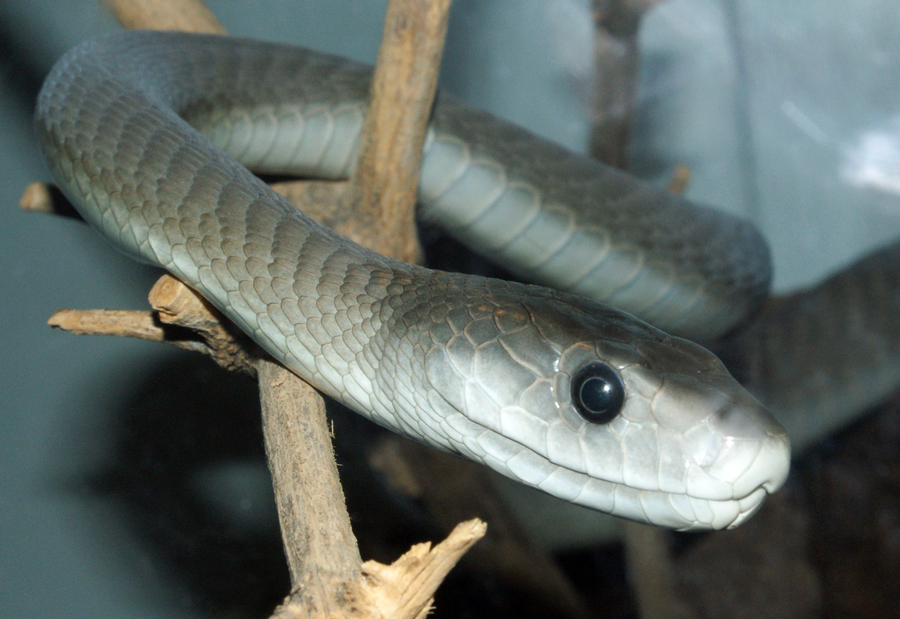
- Black Mamba Same family
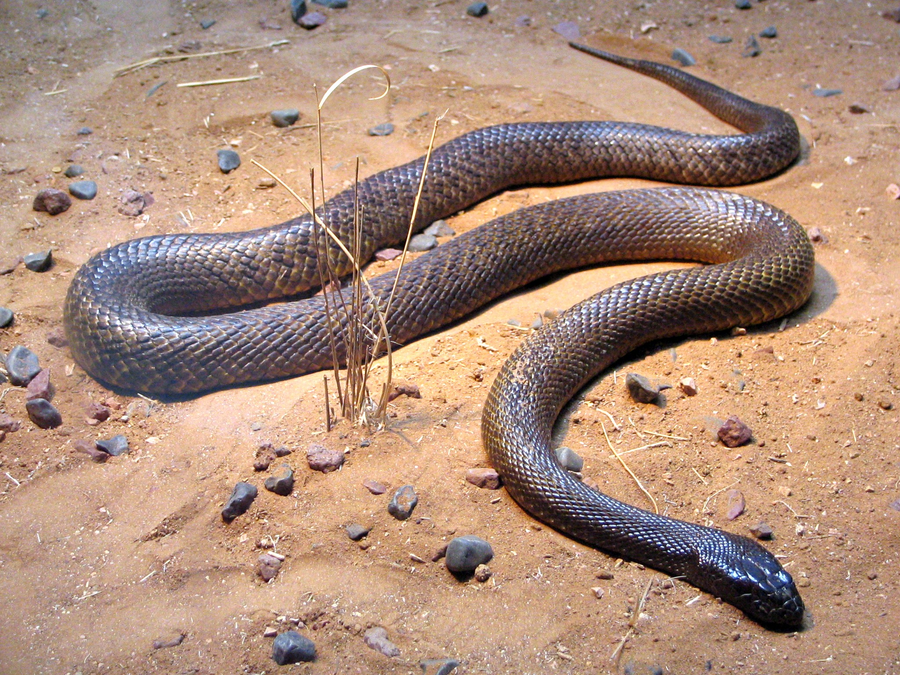
- Inland Taipan Same family
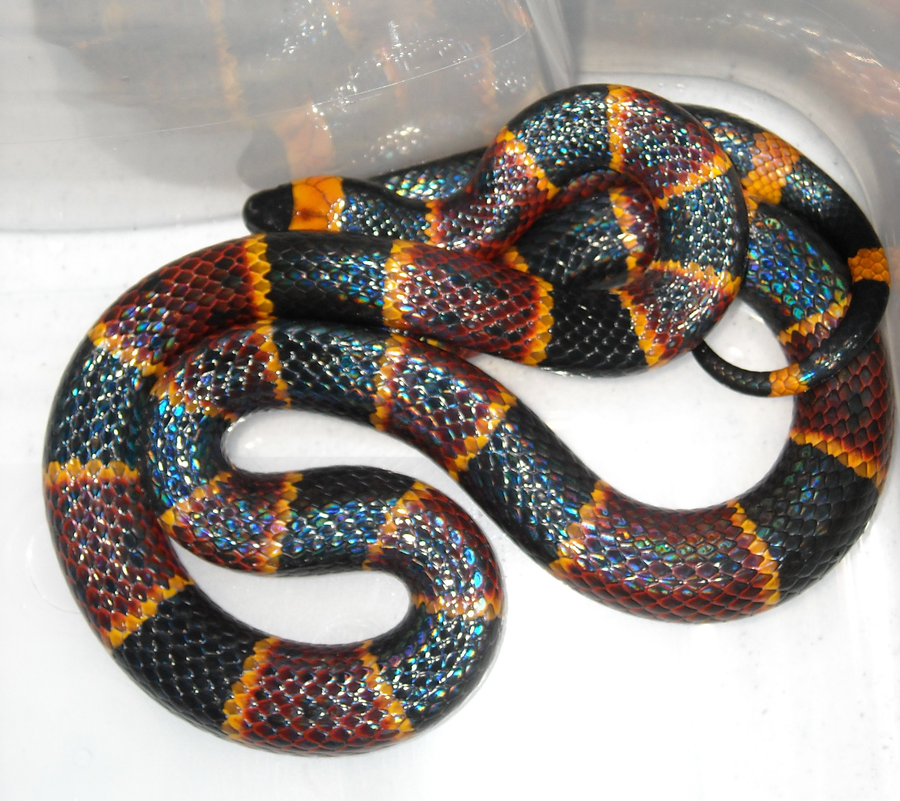
- Eastern Coral Snake Same family
- King Cobra Same family
Did you know? Yellow-bellied Sea Snake facts
- It is the only sea snake found on both sides of the Pacific Ocean.
- A salt gland under the tongue lets it get rid of the salt it swallows.
Conservation status of the Yellow-bellied Sea Snake
The yellow-bellied sea snake (Hydrophis platurus) is listed as Least Concern on the IUCN Red List. Least Concern (LC) is the IUCN's lowest-risk category, assigned to widespread, abundant species that have been evaluated and found not to be threatened. It does not mean a species faces no pressures — only that it is not currently at risk of extinction.
Yellow-bellied Sea Snake (Hydrophis platurus) was most recently assessed for the IUCN Red List in 2009. View the full IUCN assessment .
Frequently asked questions about the Yellow-bellied Sea Snake
Is the yellow-bellied sea snake venomous?
Yes. Its venom is neurotoxic, although the amount it delivers is fairly low.
Do sea snakes lay eggs?
This species does not. It gives birth to one to ten live young at sea.
Where do yellow-bellied sea snakes live?
In warm parts of the Indian and Pacific Oceans, from East Africa to the west coast of the Americas.
Sources & references
This guide is compiled and reviewed against established zoological and conservation references. Key sources for the Yellow-bellied Sea Snake:
-
IUCN Red List of Threatened Species
Conservation status (Least Concern) reflects the IUCN Red List category for Hydrophis platurus, most recently assessed in 2009.
-
iNaturalist — observations & photos
Search citizen-science observations and community IDs for Hydrophis platurus. Useful for range checks and recent sightings — not a substitute for formal Red List status.
-
GBIF — occurrence data
Global Biodiversity Information Facility species search for Hydrophis platurus. Explore published occurrence records used in range research.
- IUCN Red List of Threatened Species: Hydrophis platurus (assessed 2009). Checked 16 November 2026.
IUCN Red List category Least Concern, assessed 2009; population trend stable; native range.
- Animal Diversity Web: Pelamis platura. University of Michigan Museum of Zoology.
Size, lifespan, range, diet and behaviour.
-
Global Animal Guide editorial standards
How we research, source, review, and update every guide for accuracy.