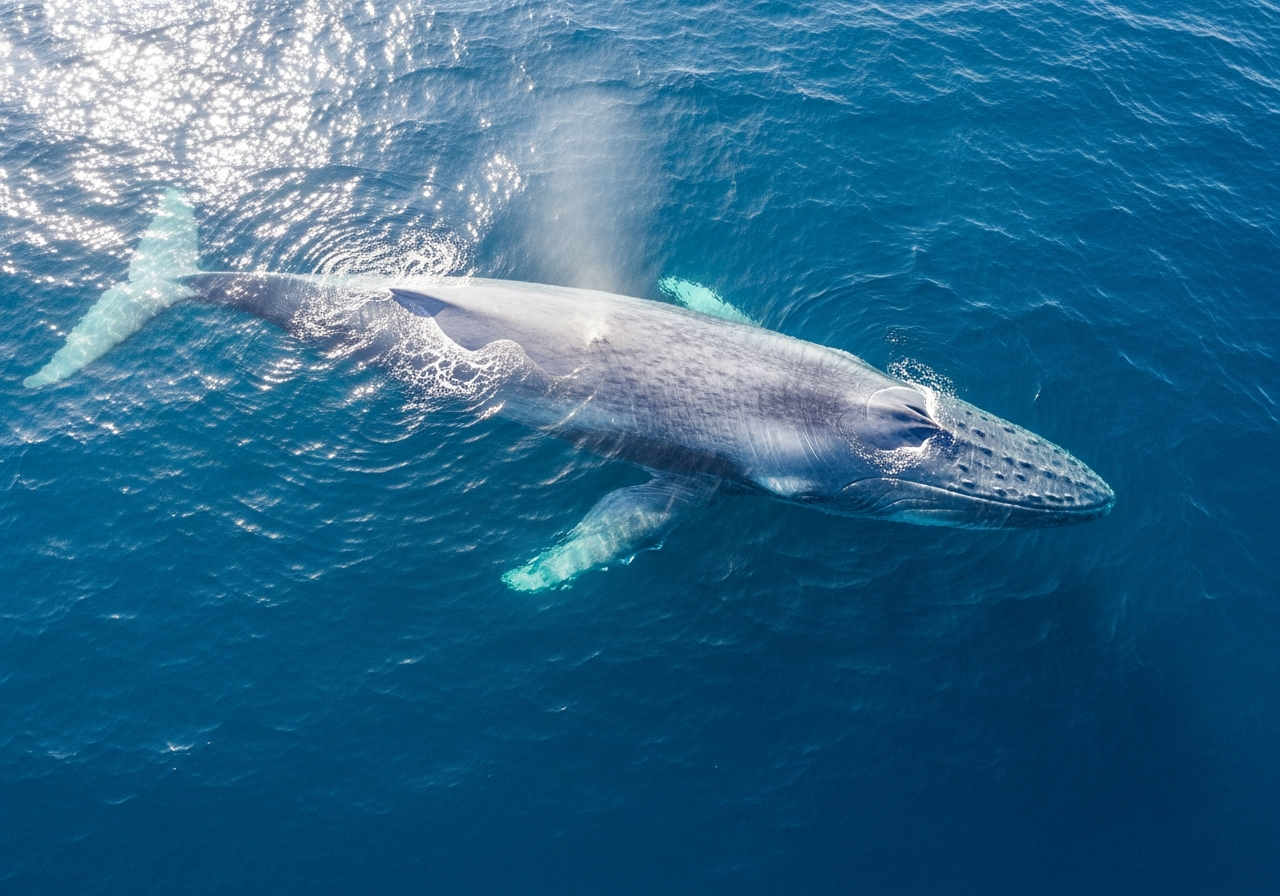
Mammal
Blue Whale
The largest animal that has ever lived
Trusted wildlife guides · Promotional links support animal rescue
Saturday, 18 July 202619 species whose profiles list a filter feeder diet — ranked by popularity, each with an answer-first guide.
Filter feeders strain tiny food — plankton, krill, or suspended particles — from water. Baleen whales, many sharks and rays, flamingos, and countless invertebrates use sieves, baleen plates, or specialised gills. Despite eating microscopic prey, some filter feeders are the largest animals on Earth.
Facets are built from structured Diet facts on each species page — not from a separate taxonomy dump. Open any card for habitat, range, and IUCN status in one place. Also browse by habitat or biome hubs.
Mammal
The largest animal that has ever lived
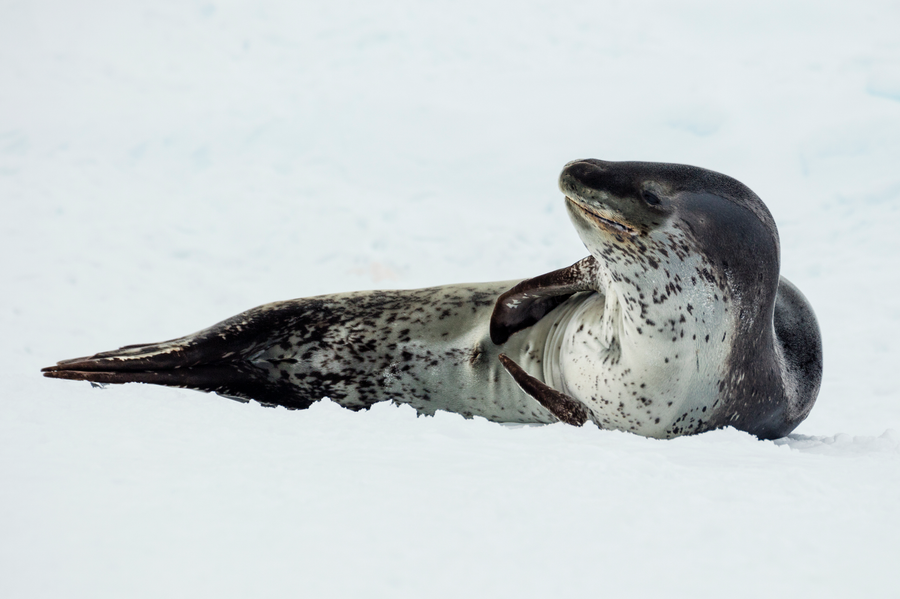
Mammal
Antarctica's apex predator
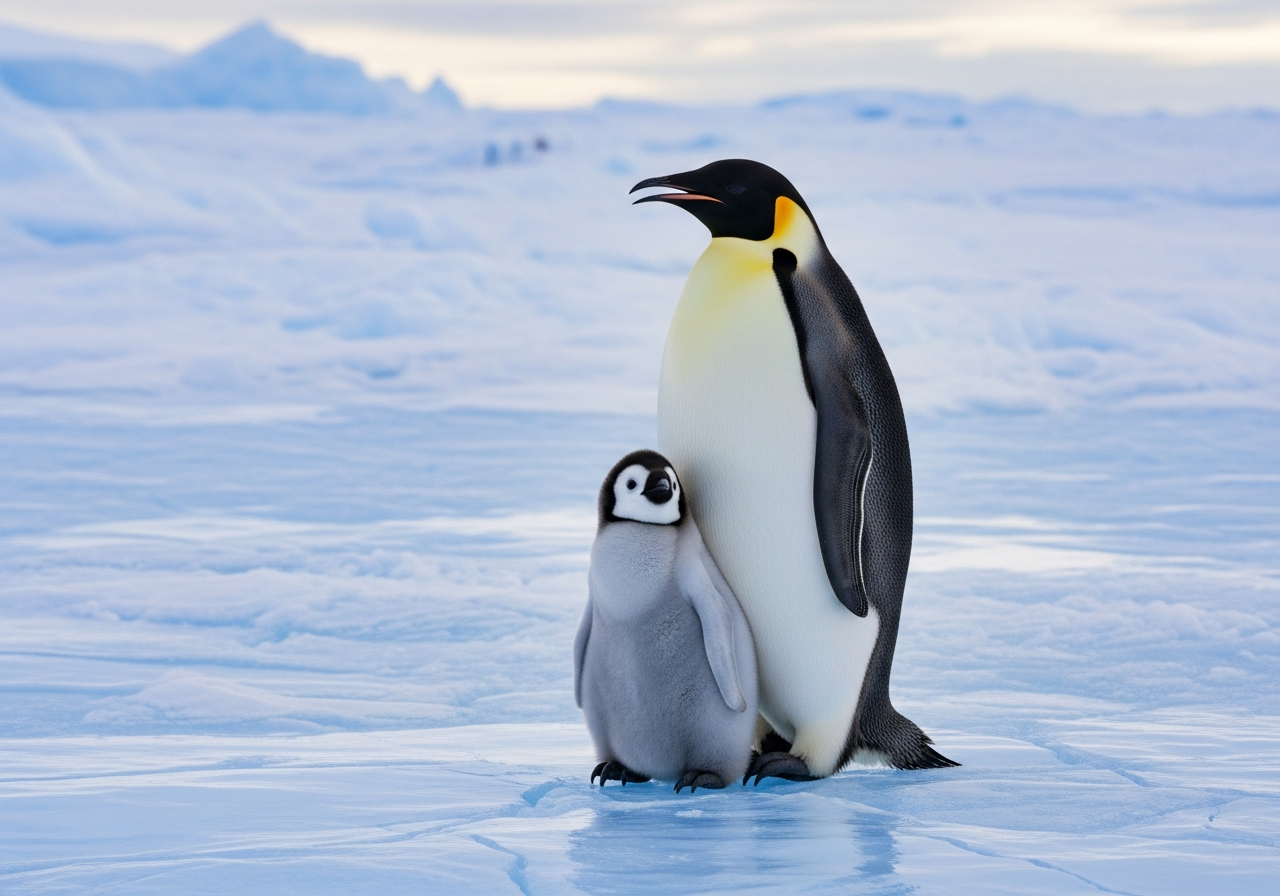
Bird
The largest penguin, built for the Antarctic winter
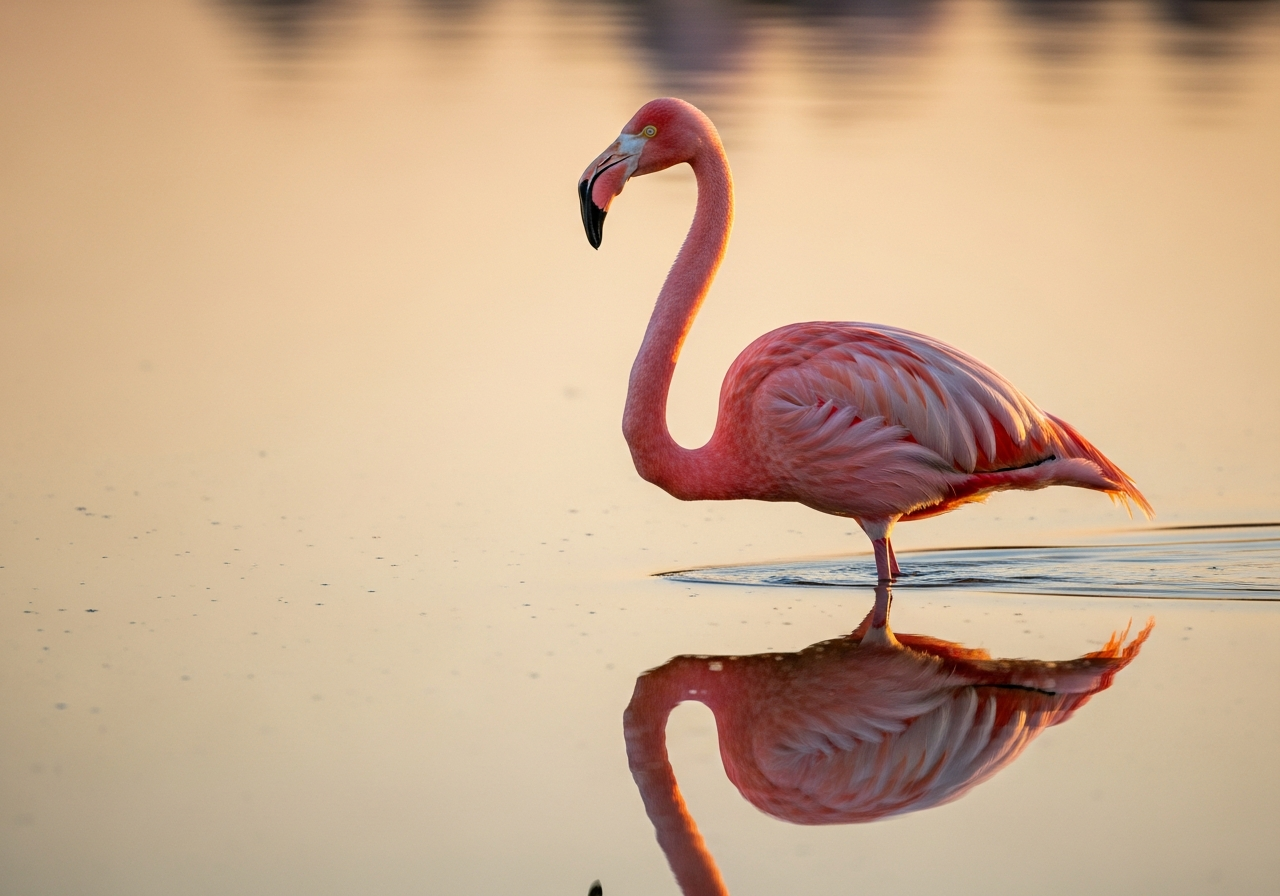
Bird
The pink filter-feeder that stands on one leg
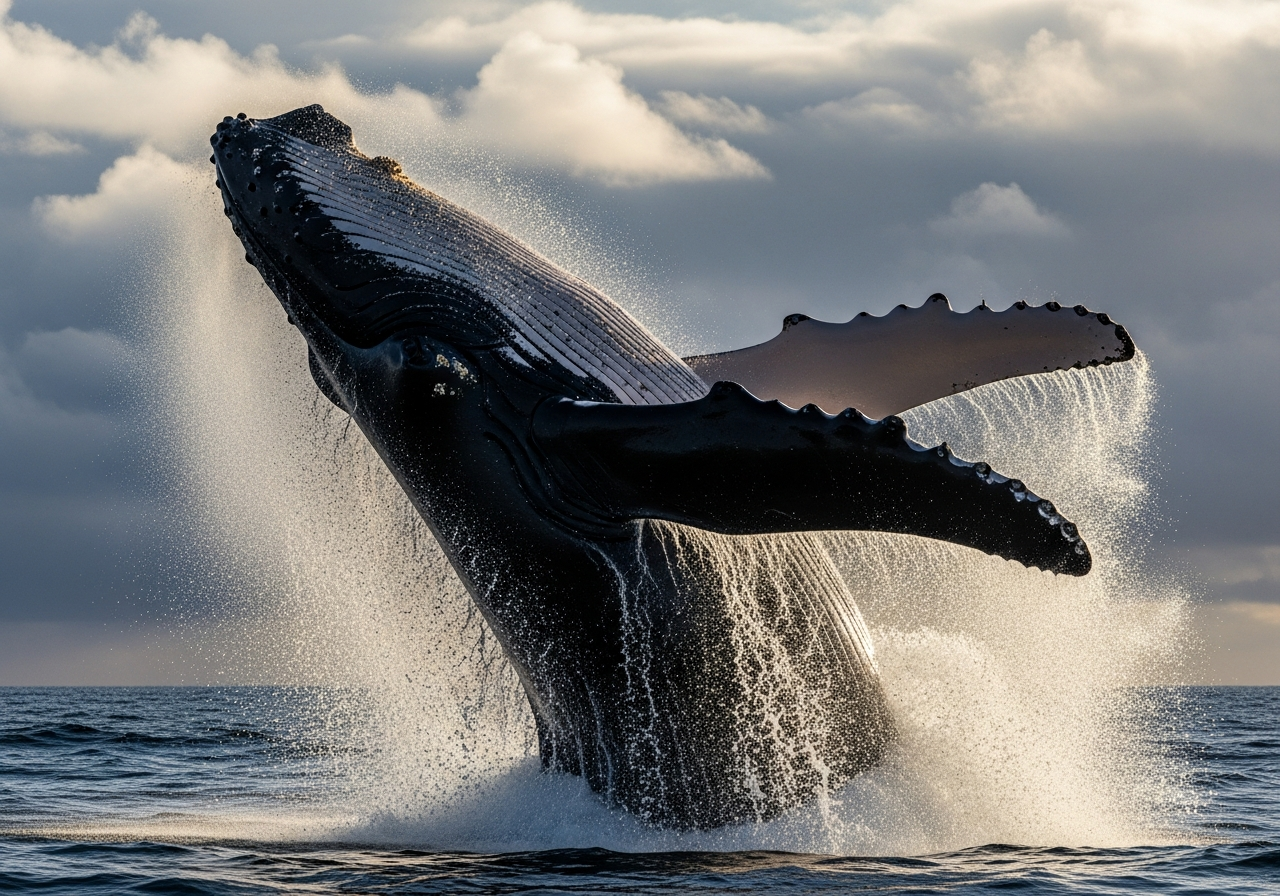
Mammal
The acrobatic singer of the seas
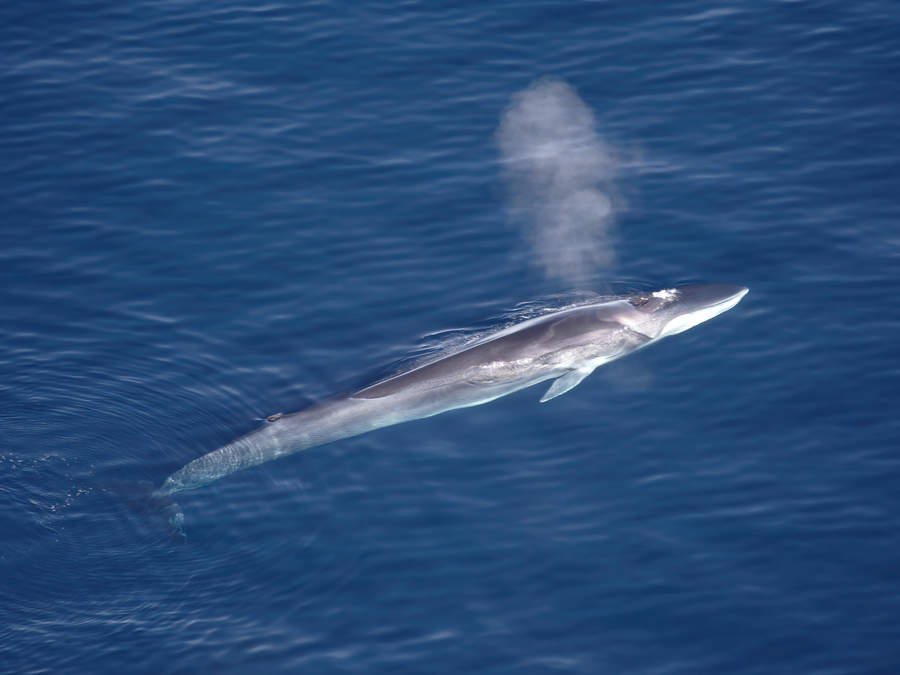
Mammal
The sleek greyhound of the seas
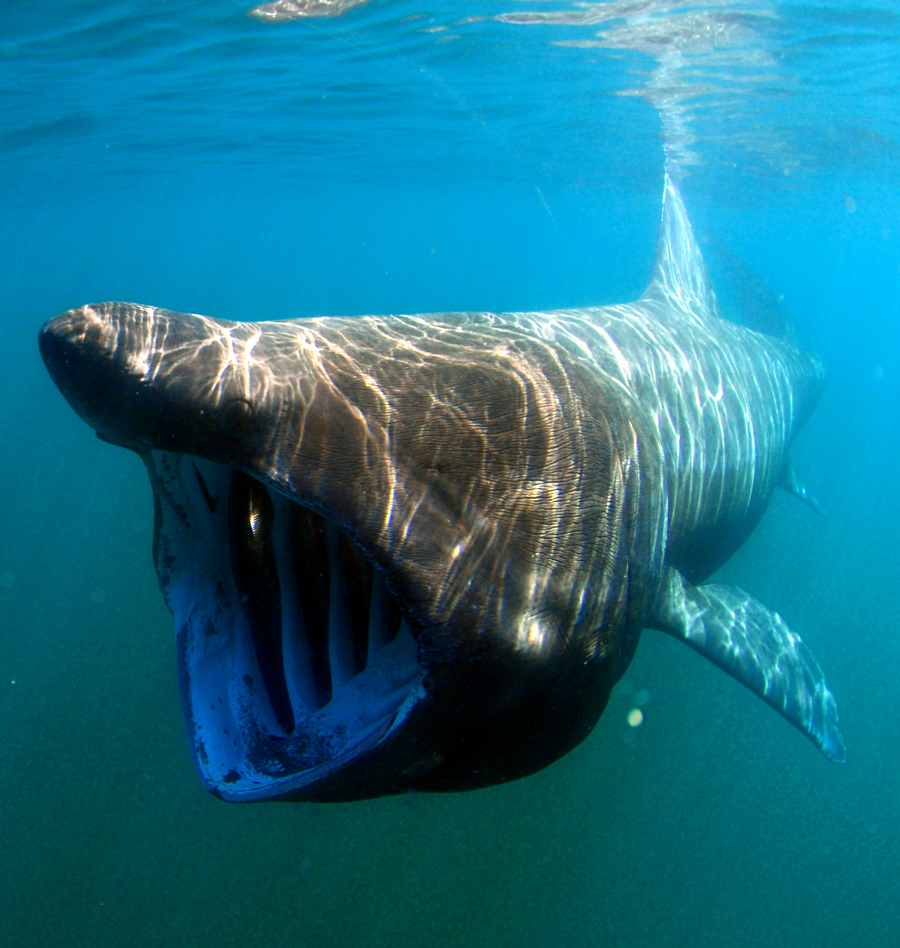
Fish
Second-largest fish; gentle plankton feeder
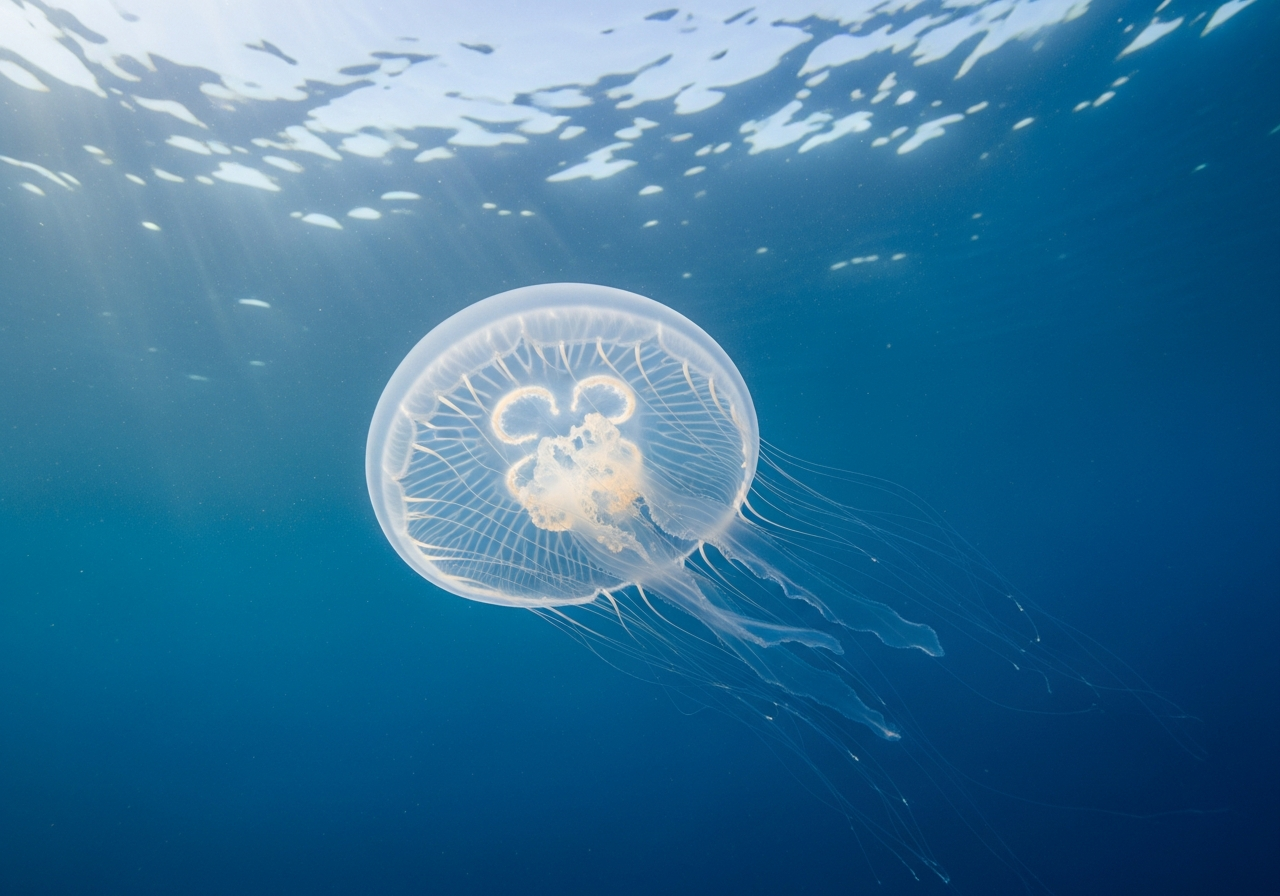
Invertebrate
The ancient, brainless drifter of the seas
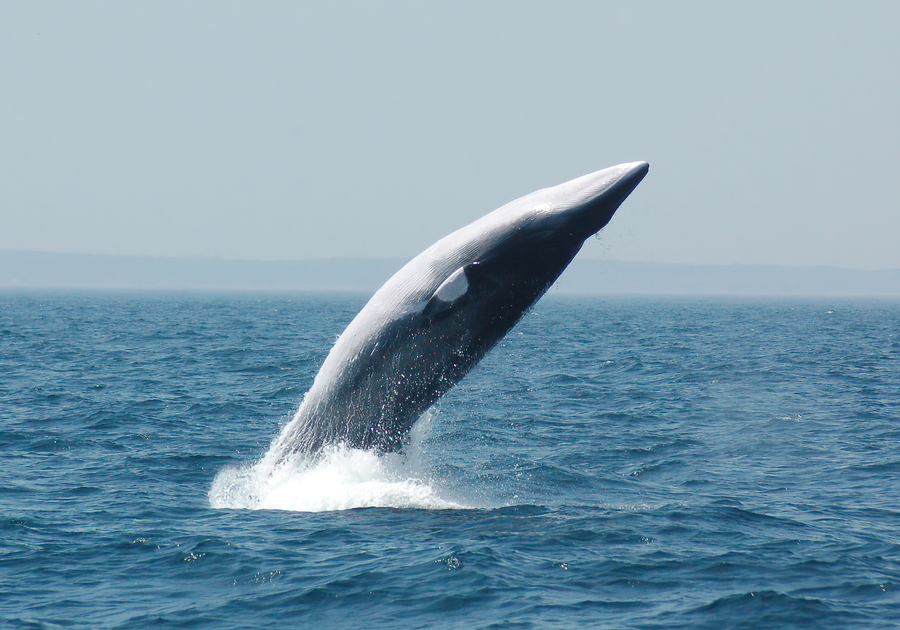
Mammal
The smallest and most abundant rorqual
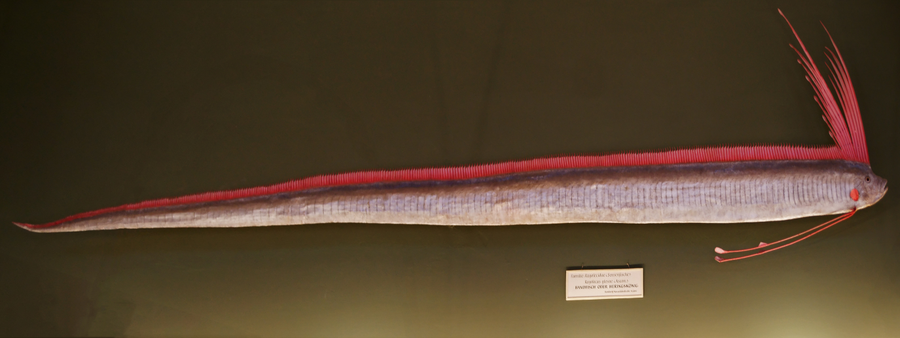
Fish
World's longest bony fish
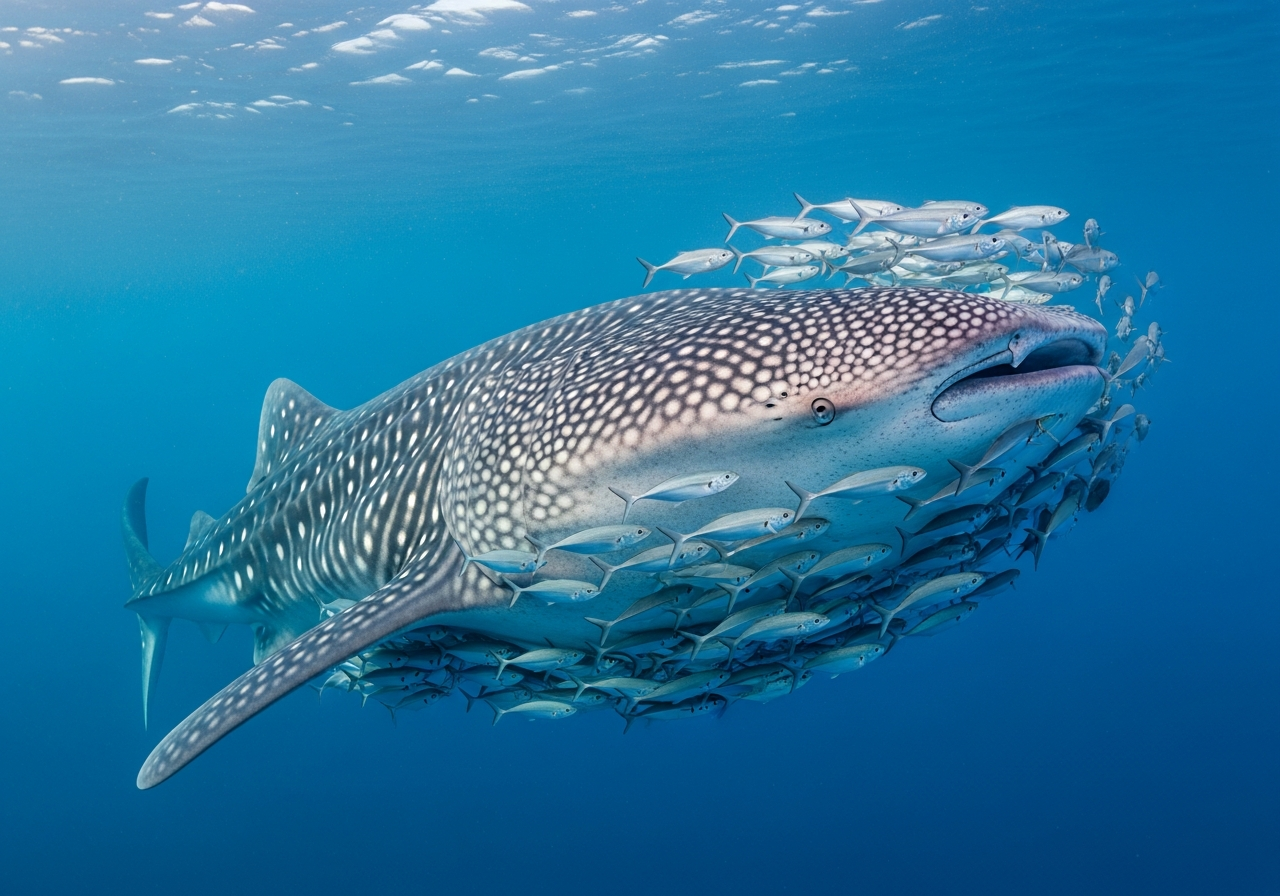
Fish
The largest fish in the world
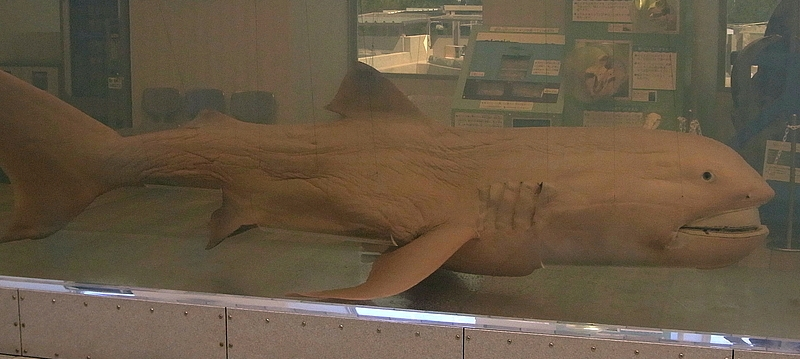
Fish
Deep-sea filter ghost discovered in 1976
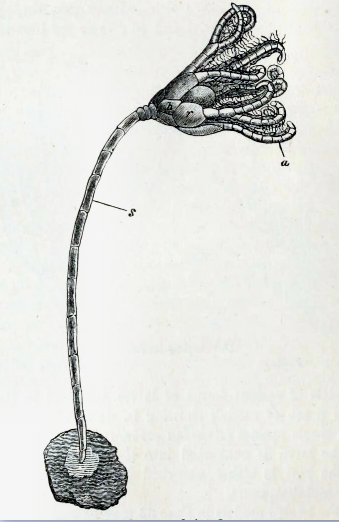
Invertebrate
Filter-feeding crinoid that walks on cirri
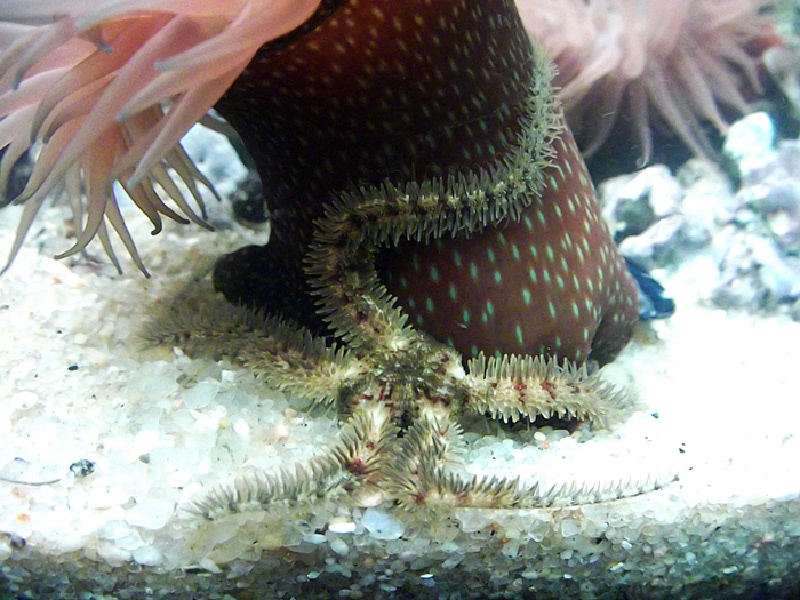
Invertebrate
Arm-dropping filter feeder of Atlantic gravel
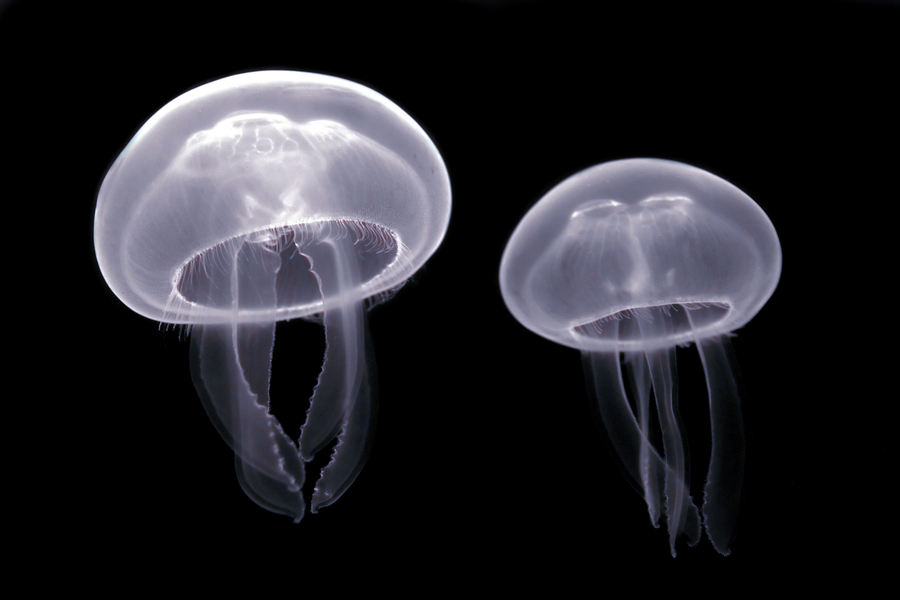
Invertebrate
Glass-disc drifter of harbours worldwide
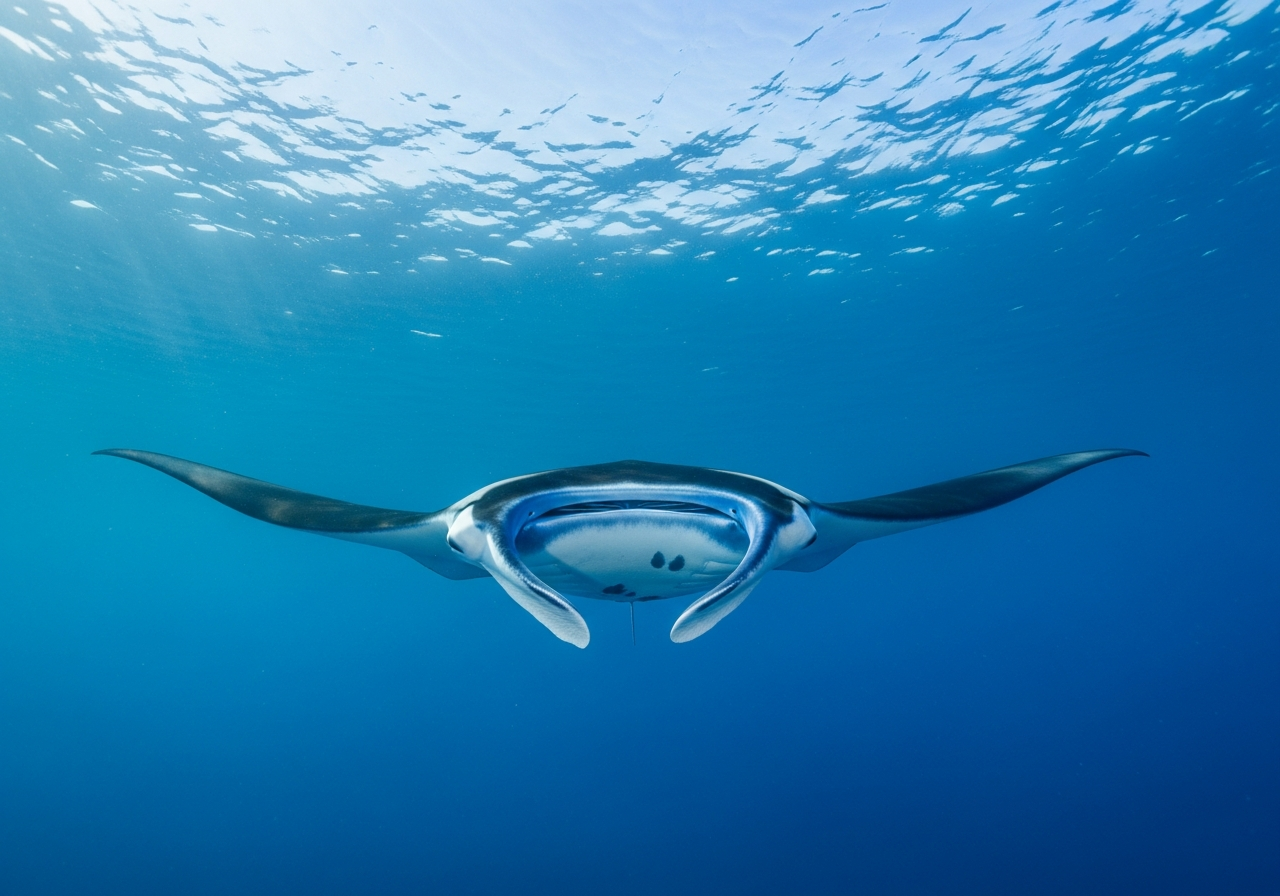
Fish
The gentle giant that flies through the sea
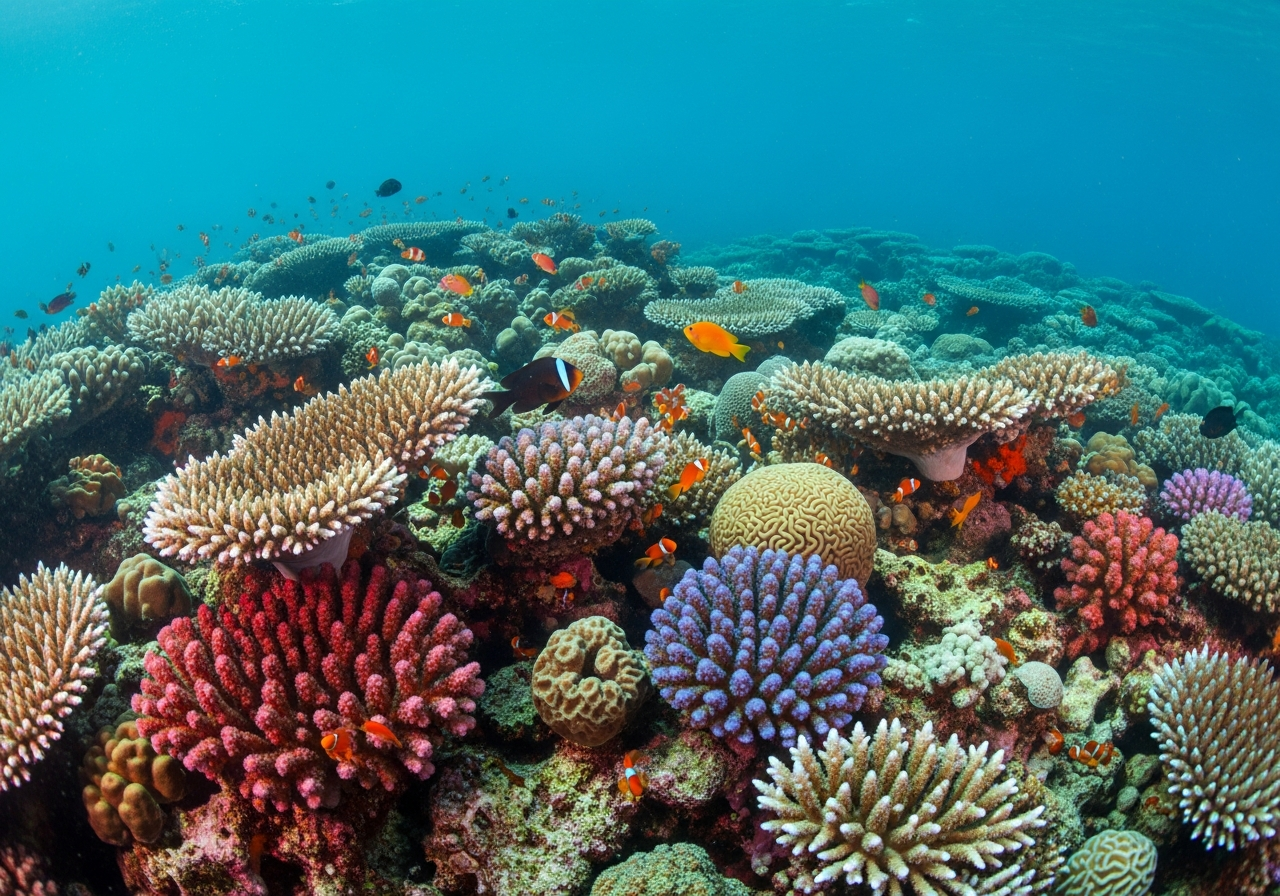
Invertebrate
The tiny reef-building animals of tropical seas
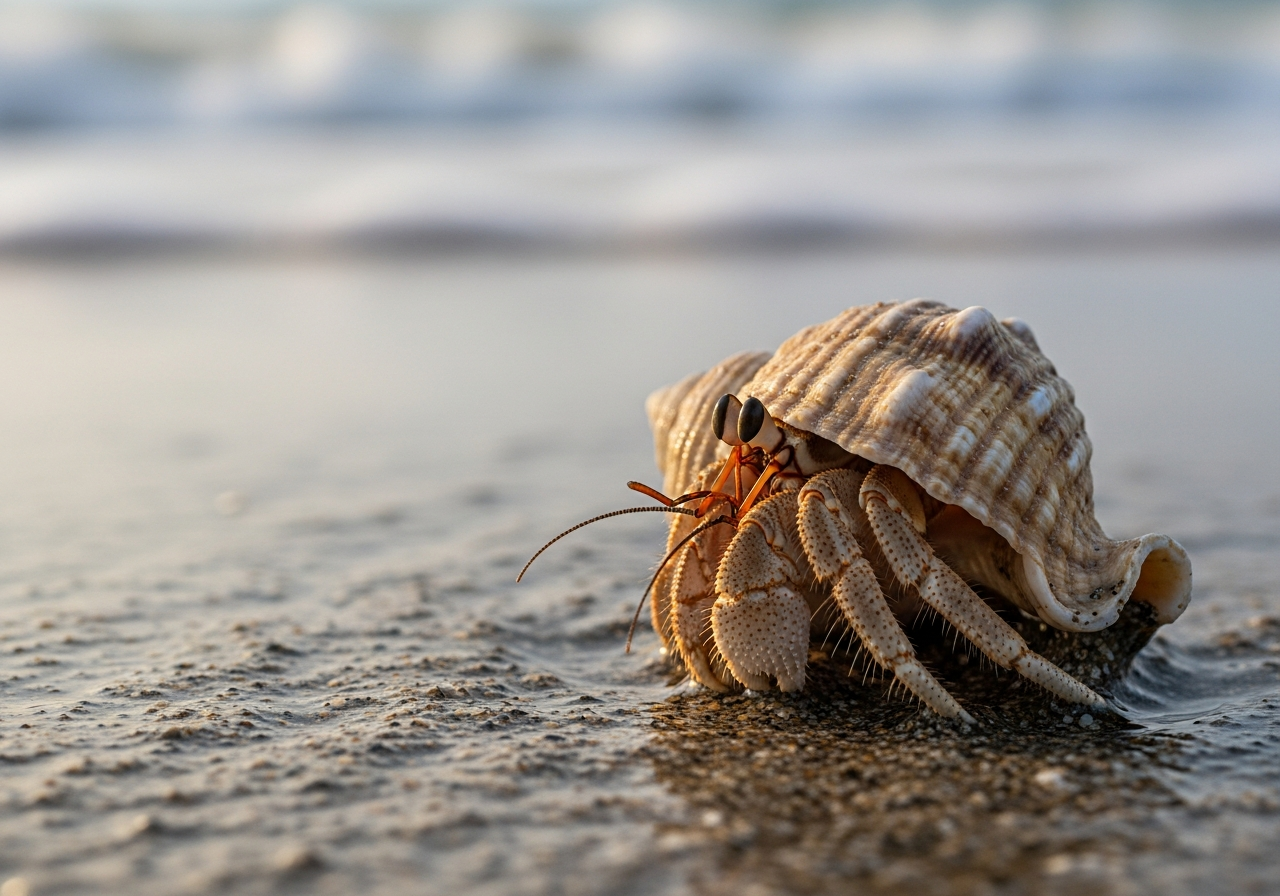
Invertebrate
The crustacean that wears borrowed shells
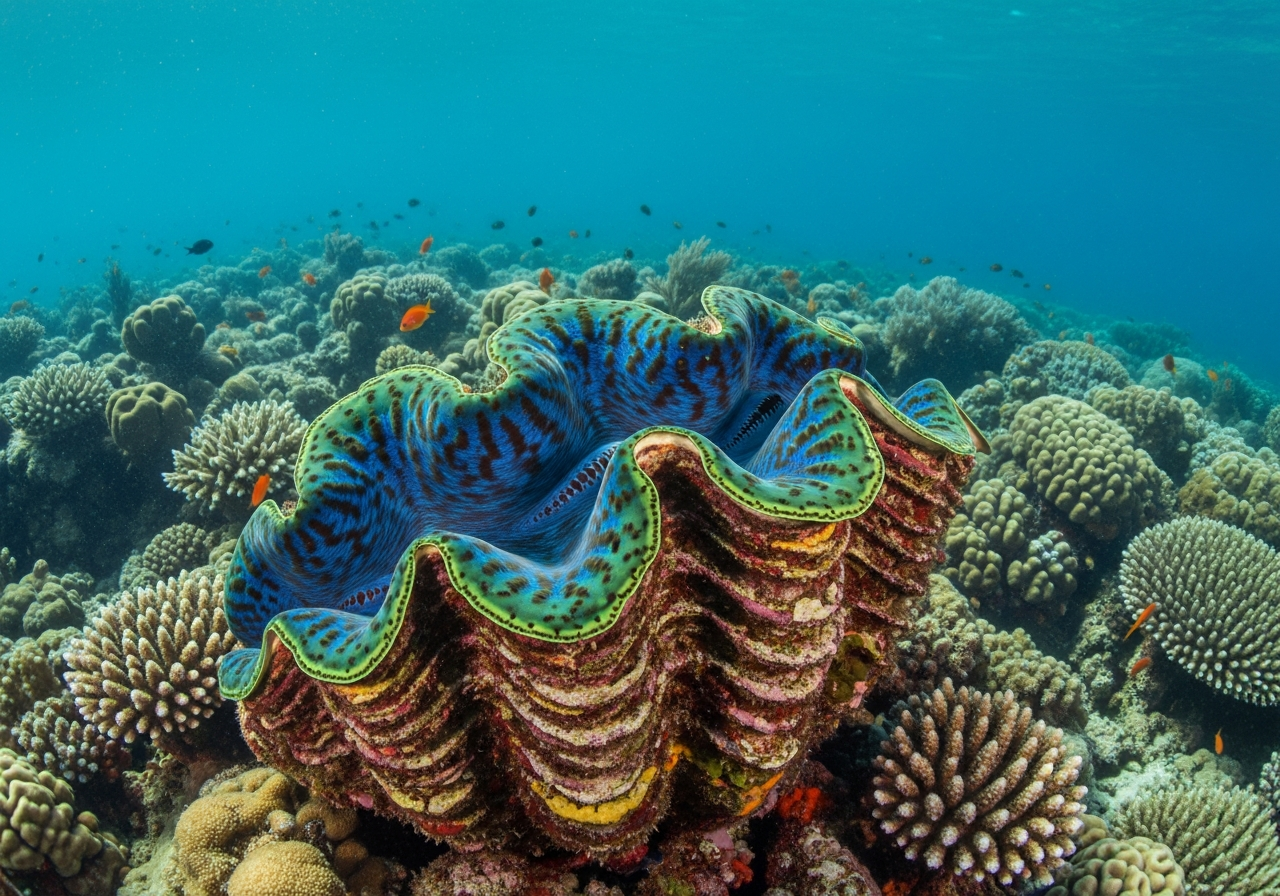
Invertebrate
The reef-dwelling giant of the mollusks
Filter feeders strain tiny food — plankton, krill, or suspended particles — from water. Baleen whales, many sharks and rays, flamingos, and countless invertebrates use sieves, baleen plates, or specialised gills. Despite eating microscopic prey, some filter feeders are the largest animals on Earth.
The guide currently features 19 filter feeders with answer-first profiles covering diet, habitat, size, and conservation status.
Diet facets are derived from each species' Diet fact on its profile (for example Carnivore, Herbivore, or more detailed notes). An animal can appear in more than one facet when its diet spans categories, such as omnivores that also eat insects.