Amphibian
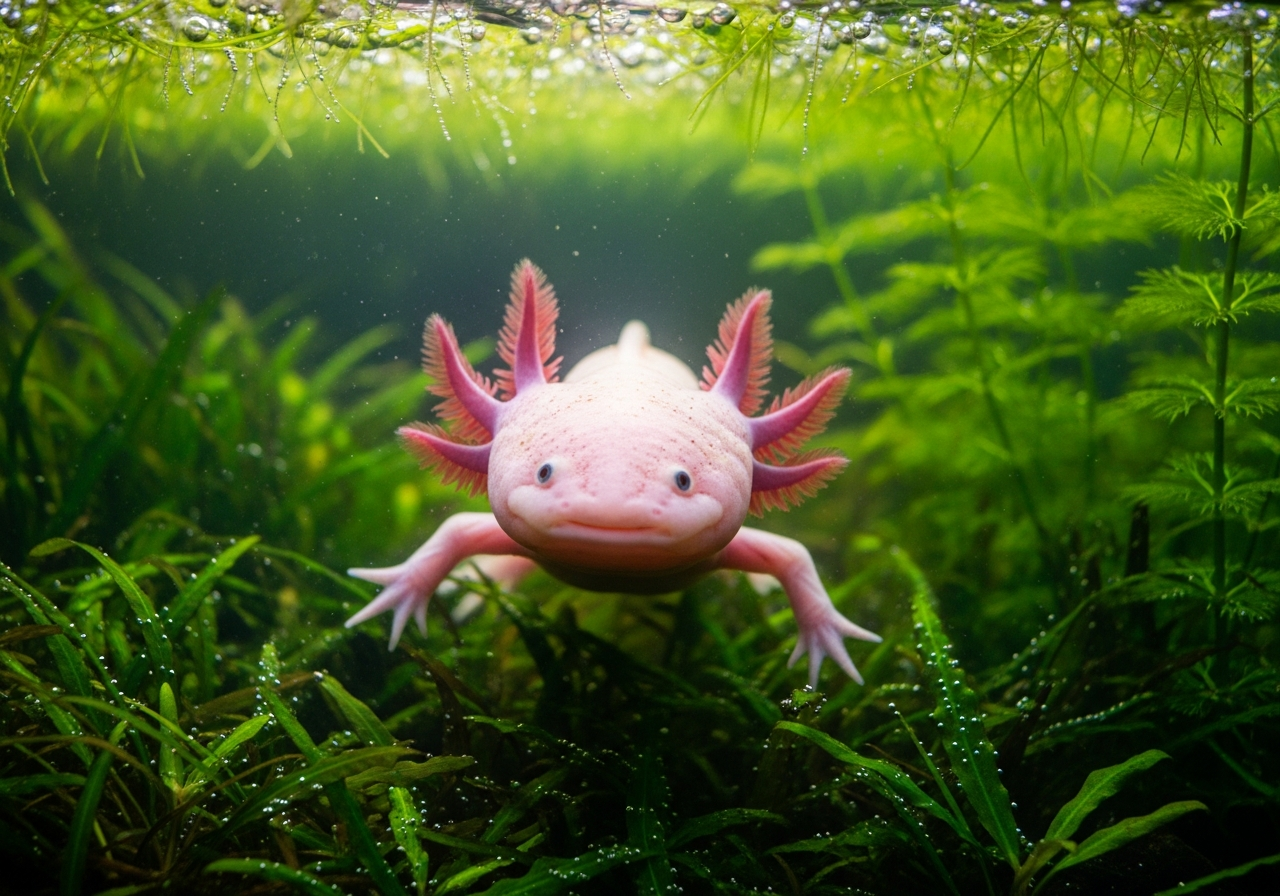
Axolotl
The salamander that never grows up and can regrow body parts
Trusted wildlife guides
Thursday, 22 October 2026Browse
Popular groups
Tools
Questions
Reference
Health
Choosing and living with pets
Understand
Help
Read
Play and teach
The guide features 28 species in the amphibian class. Each profile answers the most-searched questions first.
Amphibians are cold-blooded vertebrates that typically live a double life — beginning in water as gilled larvae (such as tadpoles) and maturing into air-breathing adults. Their thin, permeable skin absorbs water and oxygen but also makes them acutely sensitive to pollution, which is why they are treated as key indicators of environmental health. The group includes frogs, toads, salamanders, and caecilians.
Amphibian
The salamander that never grows up and can regrow body parts
Amphibian
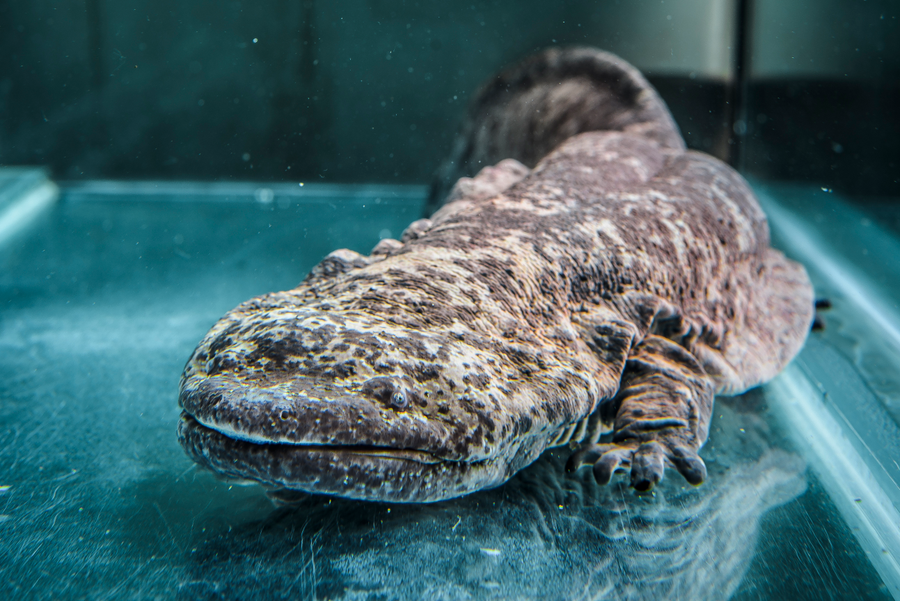
World's largest amphibian
Amphibian
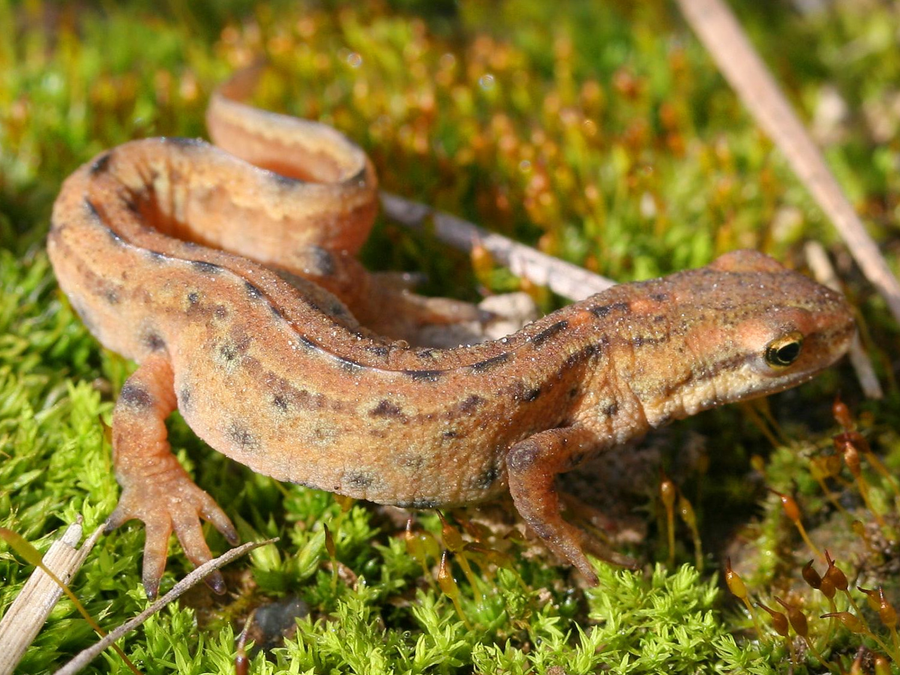
Widespread European pond newt
Amphibian
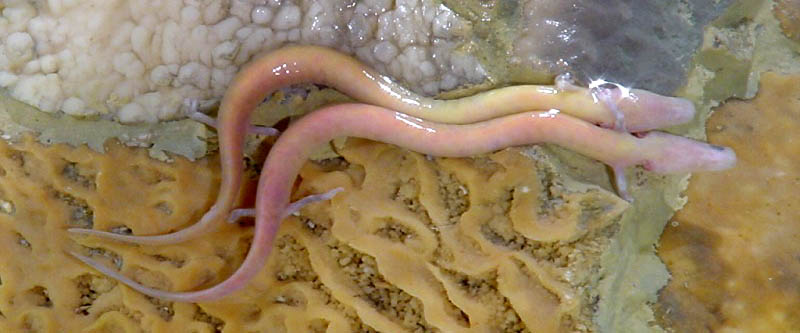
Blind cave salamander of European karst
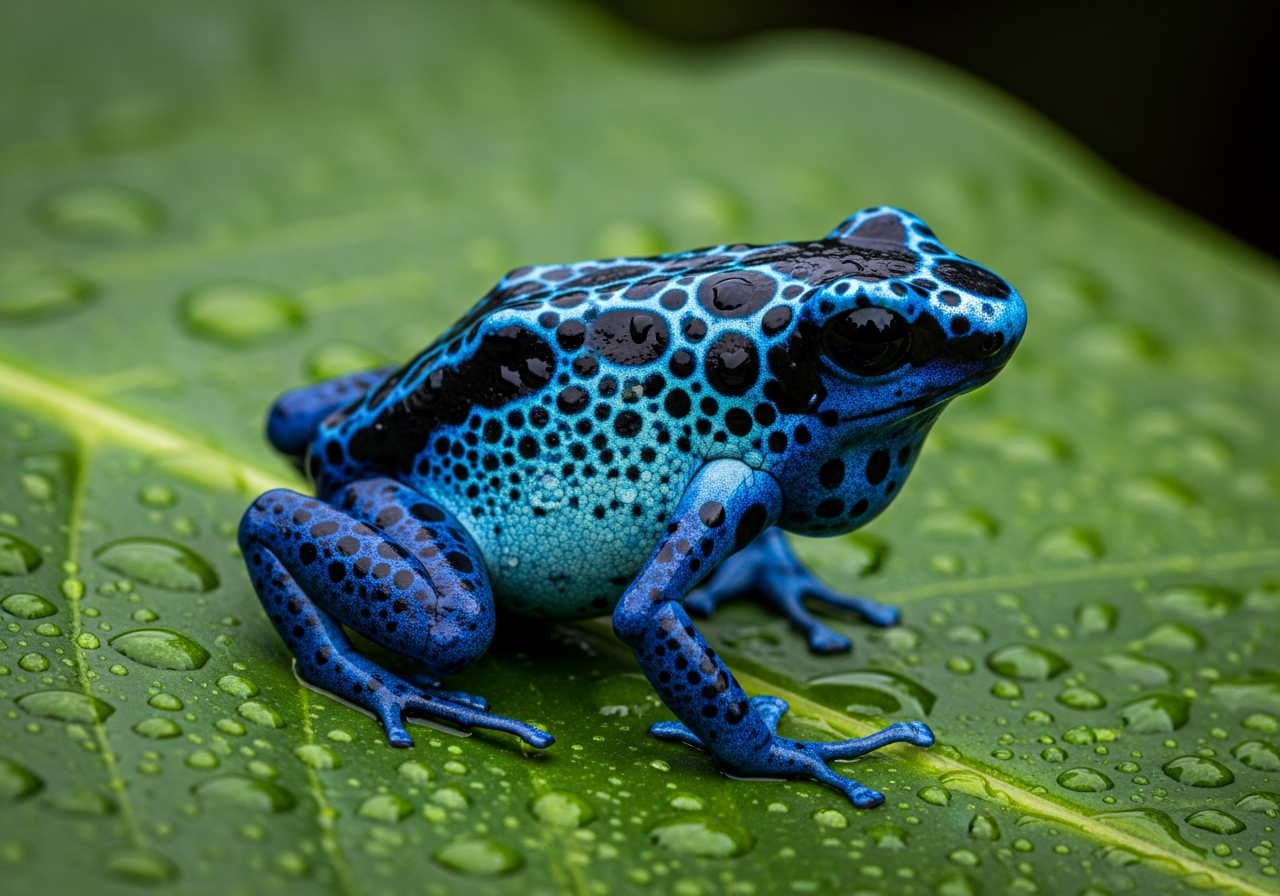
Amphibian
Tiny, brilliantly colored, and among the most toxic animals alive
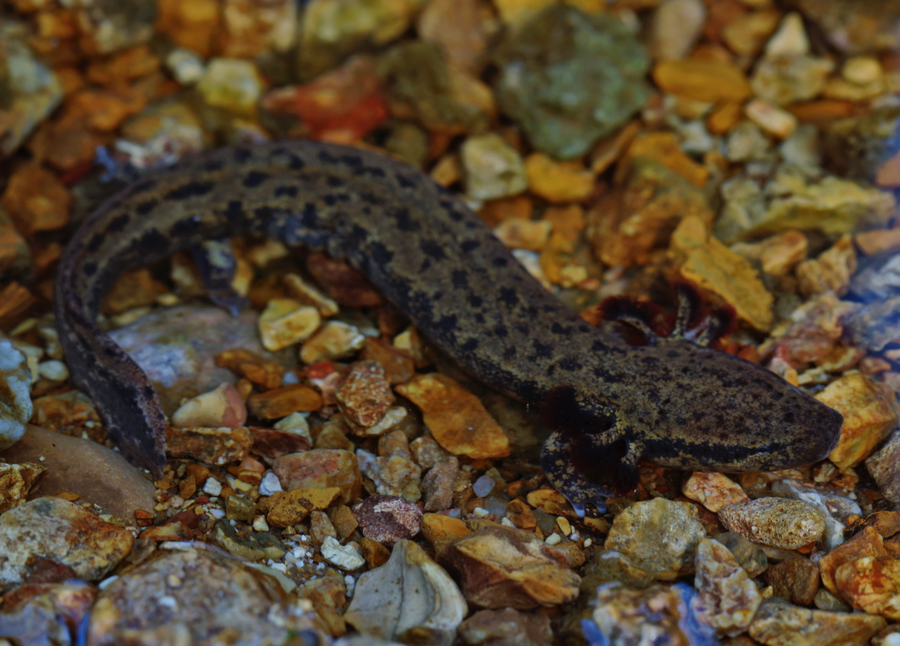
Amphibian
Fully aquatic salamander with external gills
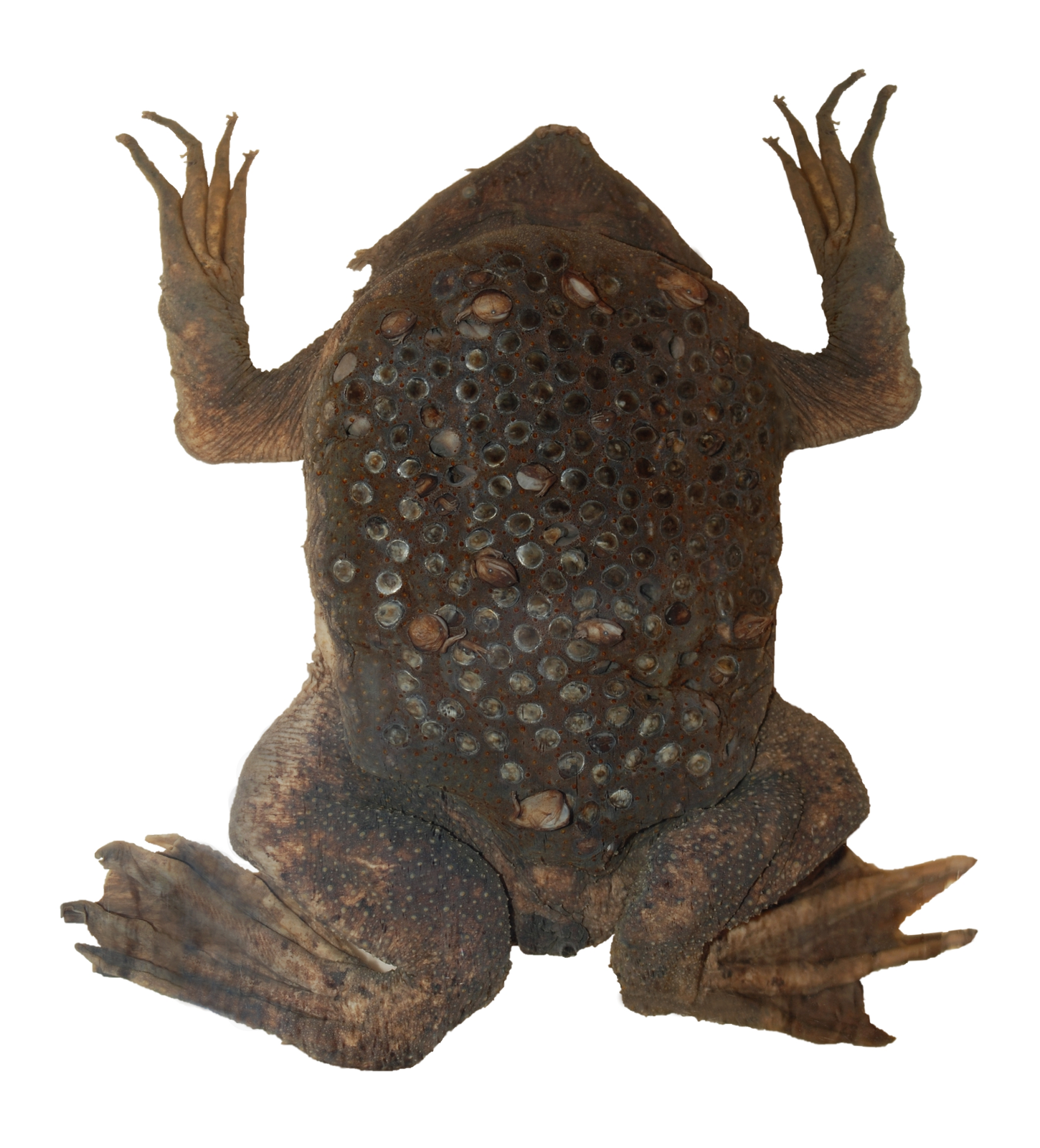
Amphibian
Flat frog that grows babies in its back
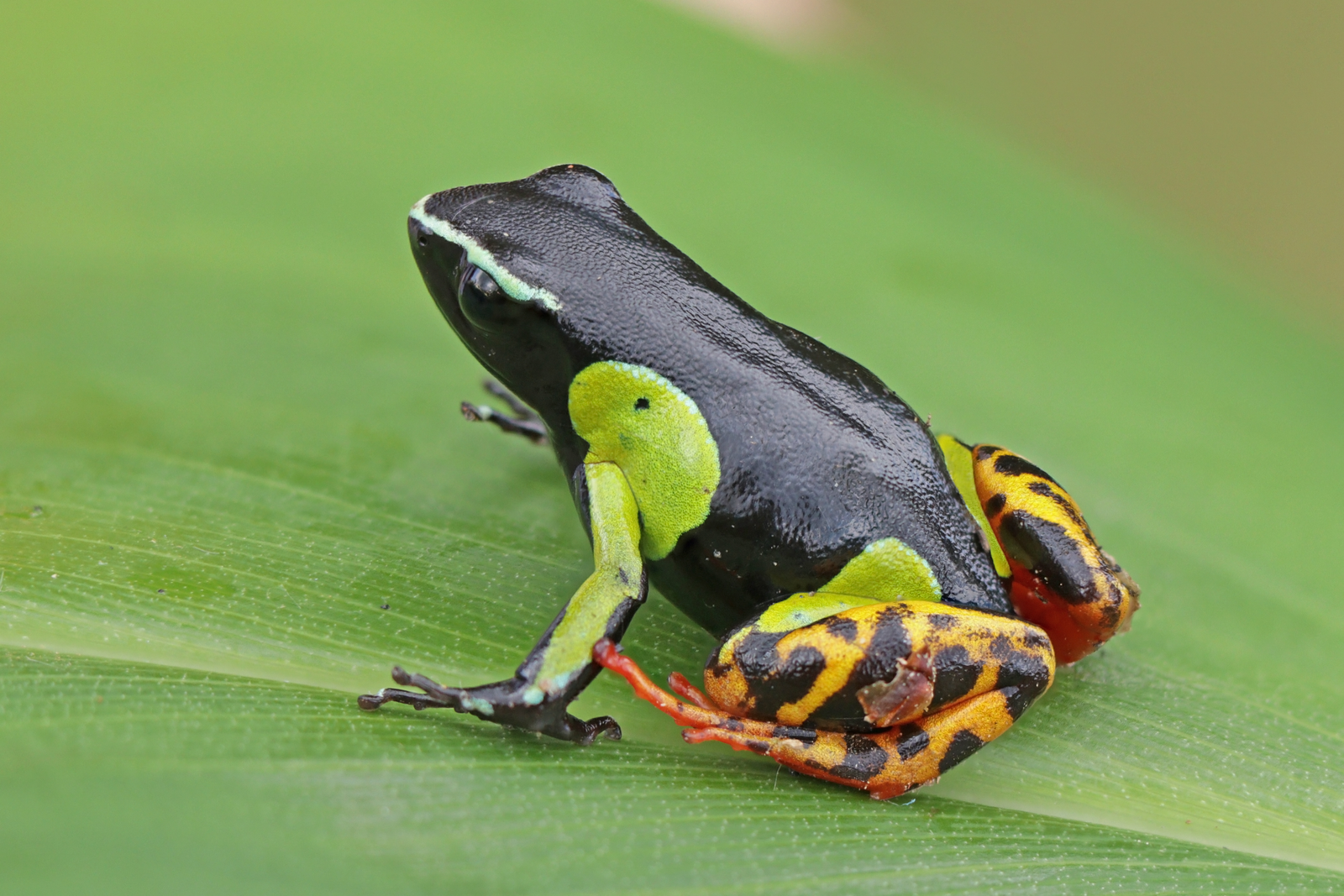
Amphibian
Critically Endangered orange gem of Madagascar
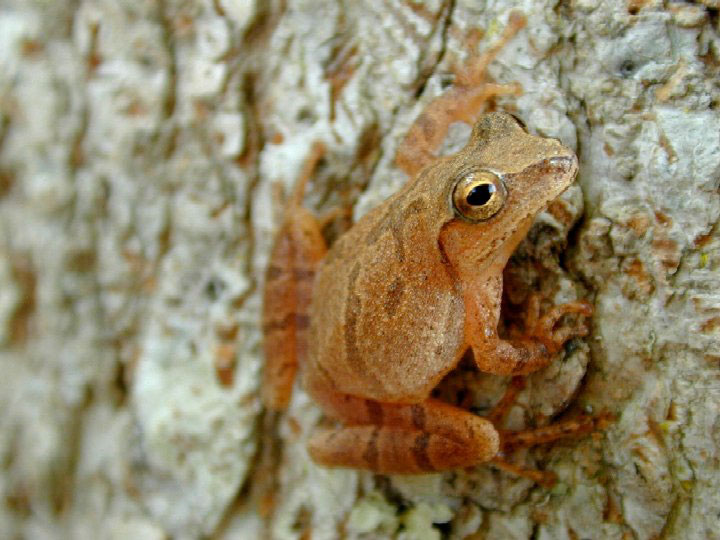
Amphibian
Thumb-sized herald of eastern spring
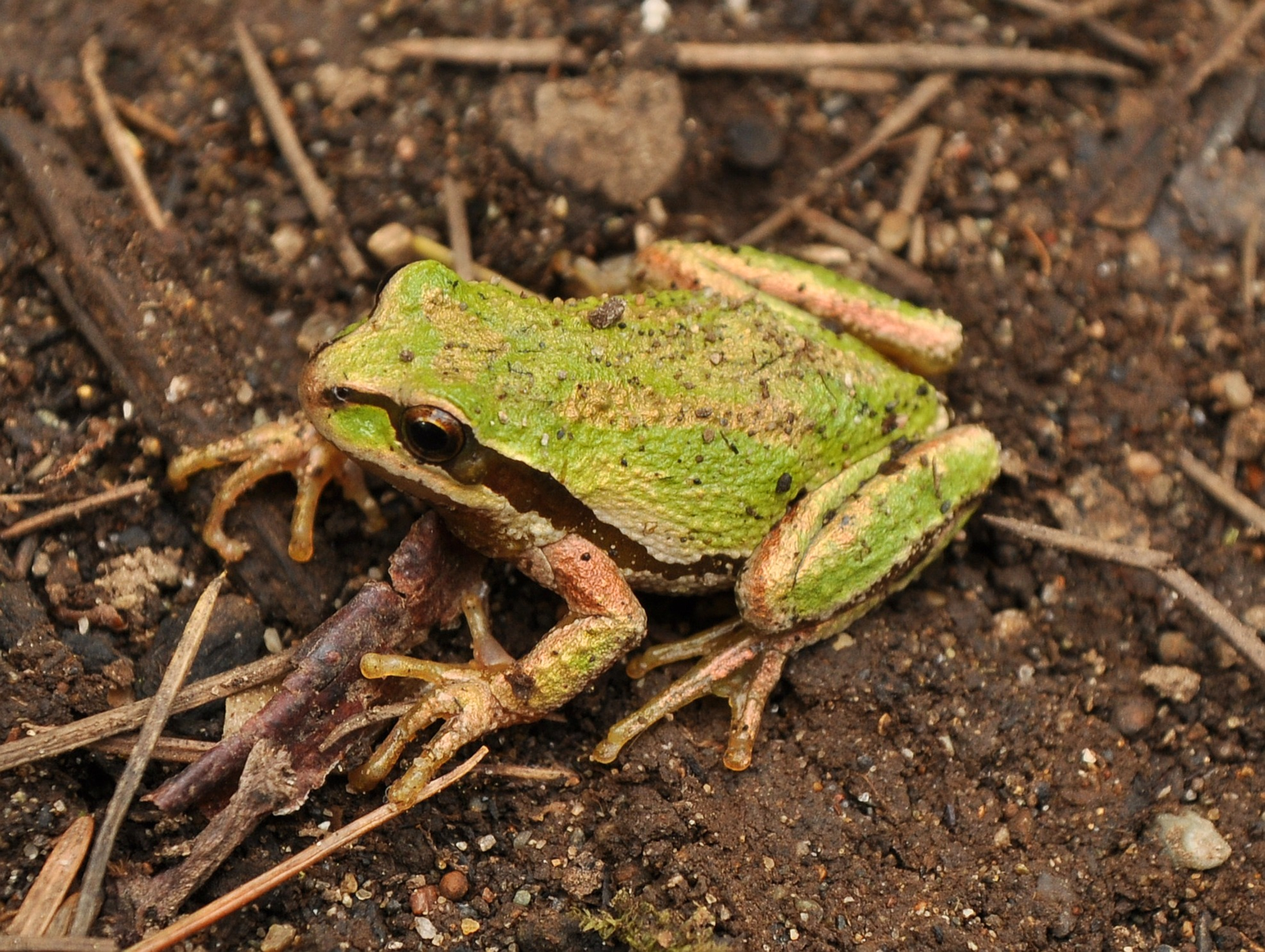
Amphibian
West Coast chorus frog behind the movie ribbit
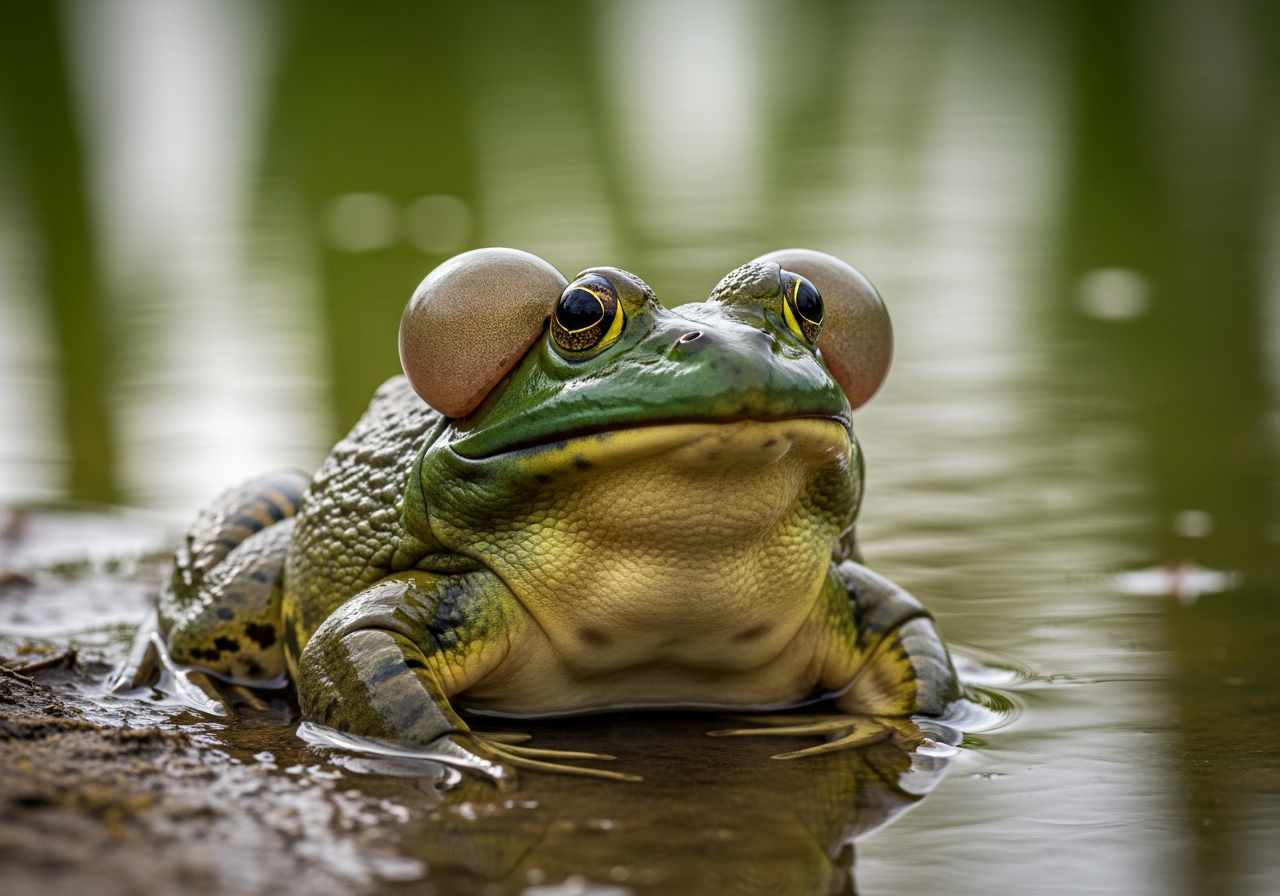
Amphibian
North America's largest and loudest frog
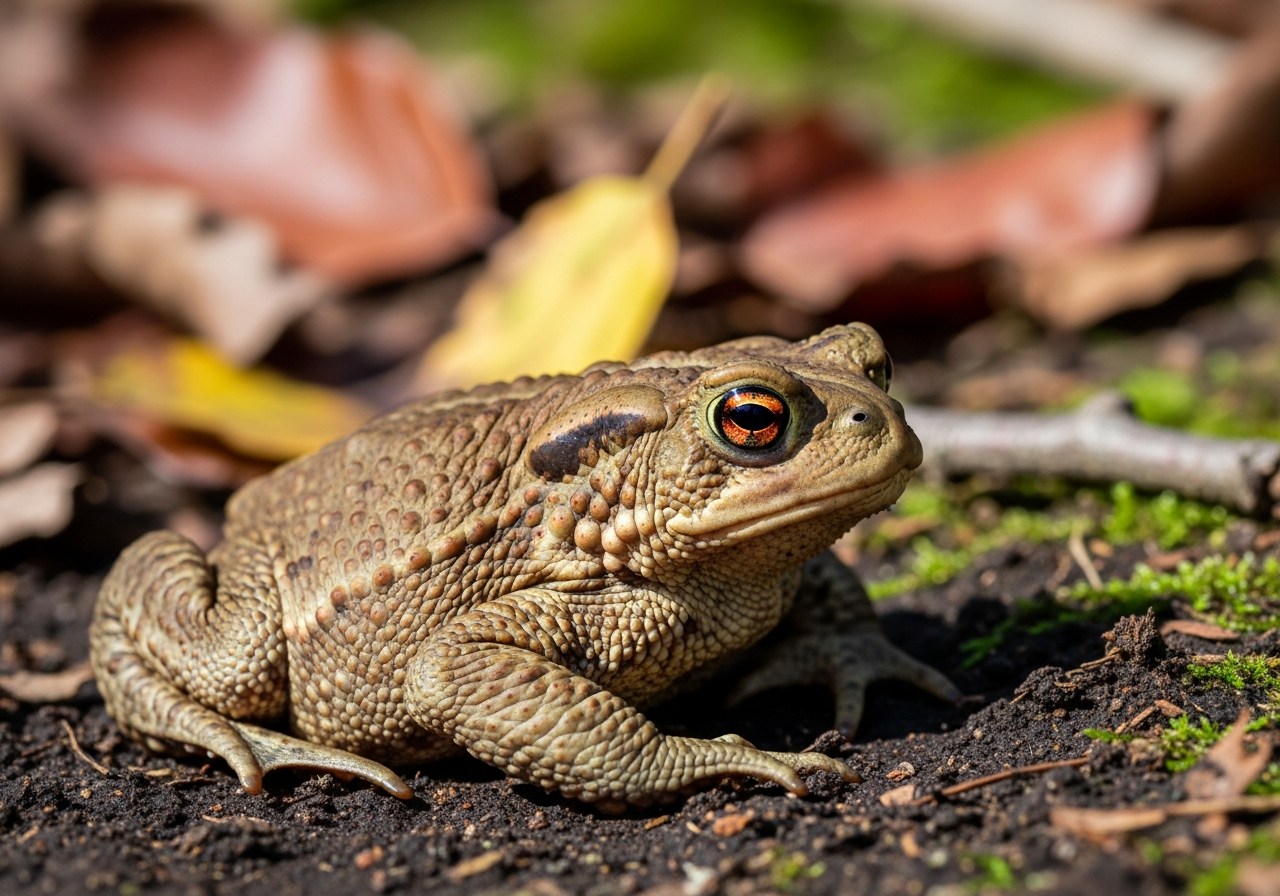
Amphibian
The warty garden toad of Europe
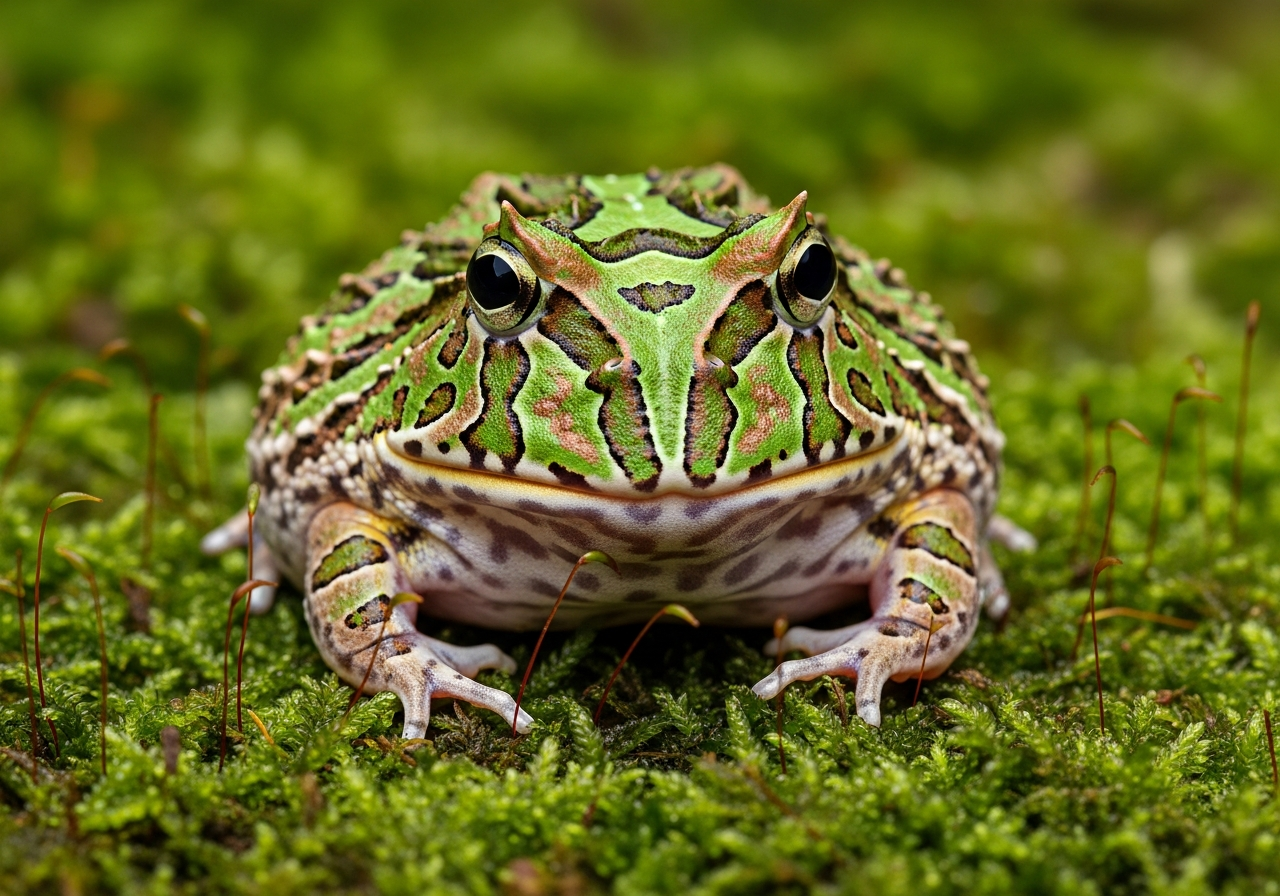
Amphibian
The round, big-mouthed horned frog
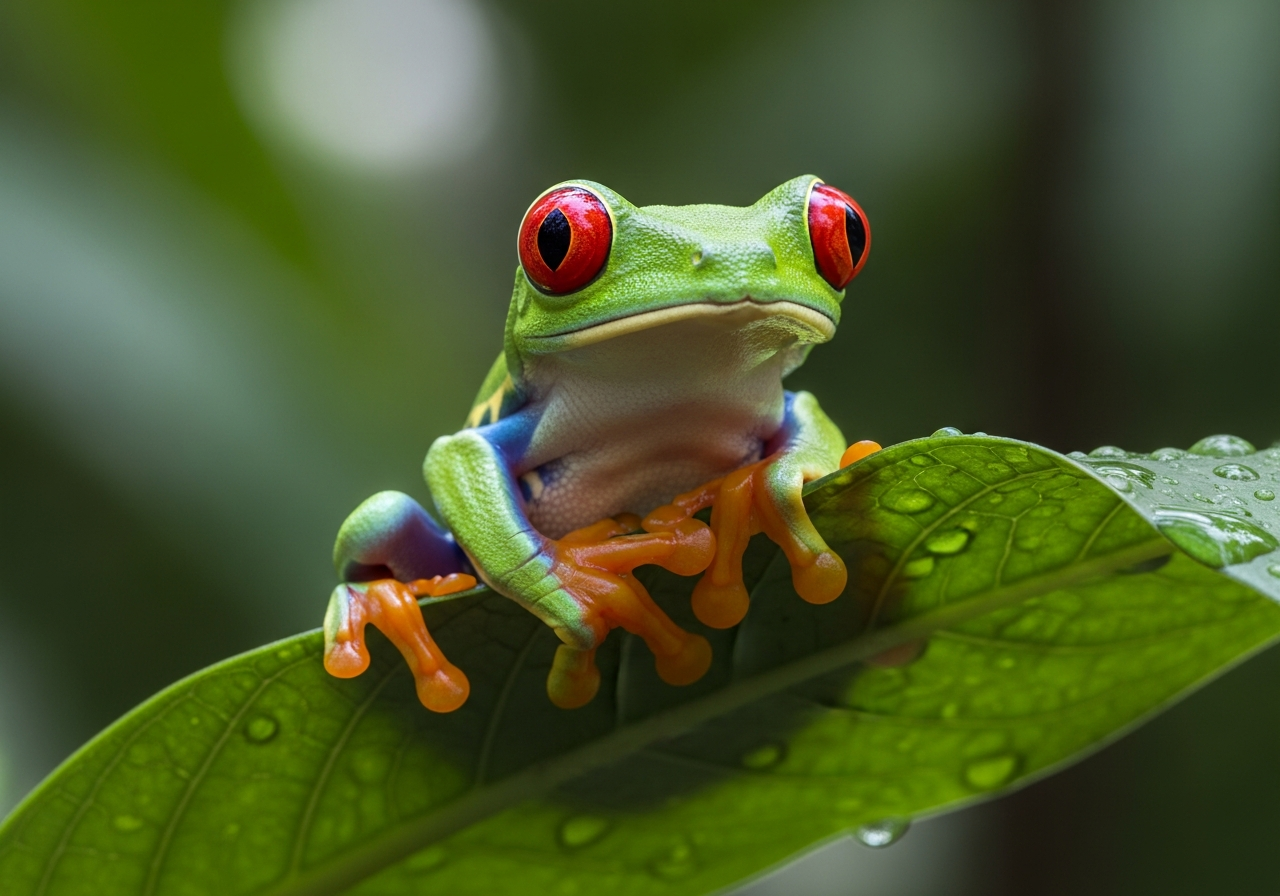
Amphibian
The bright-eyed icon of the rainforest canopy
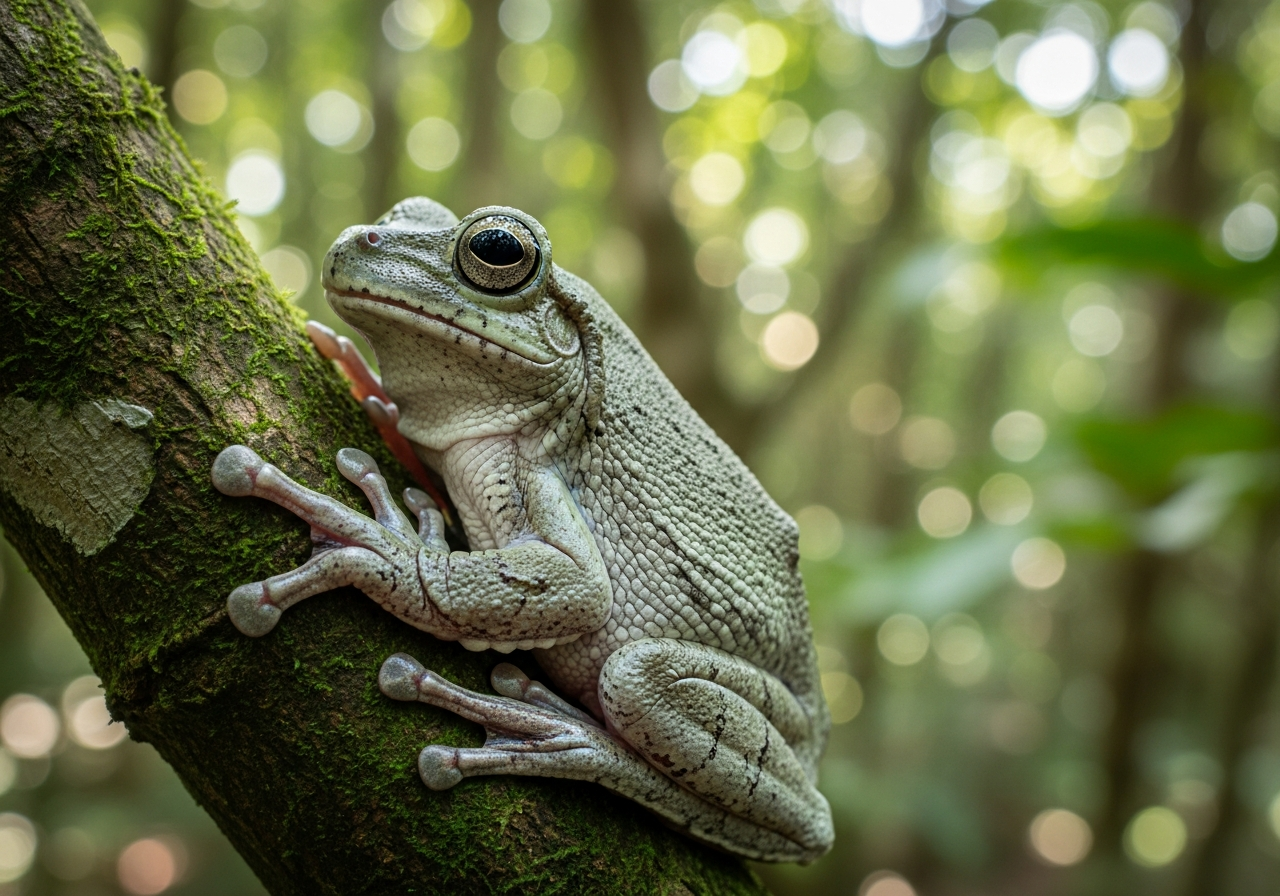
Amphibian
The color-changing tree frog of eastern forests
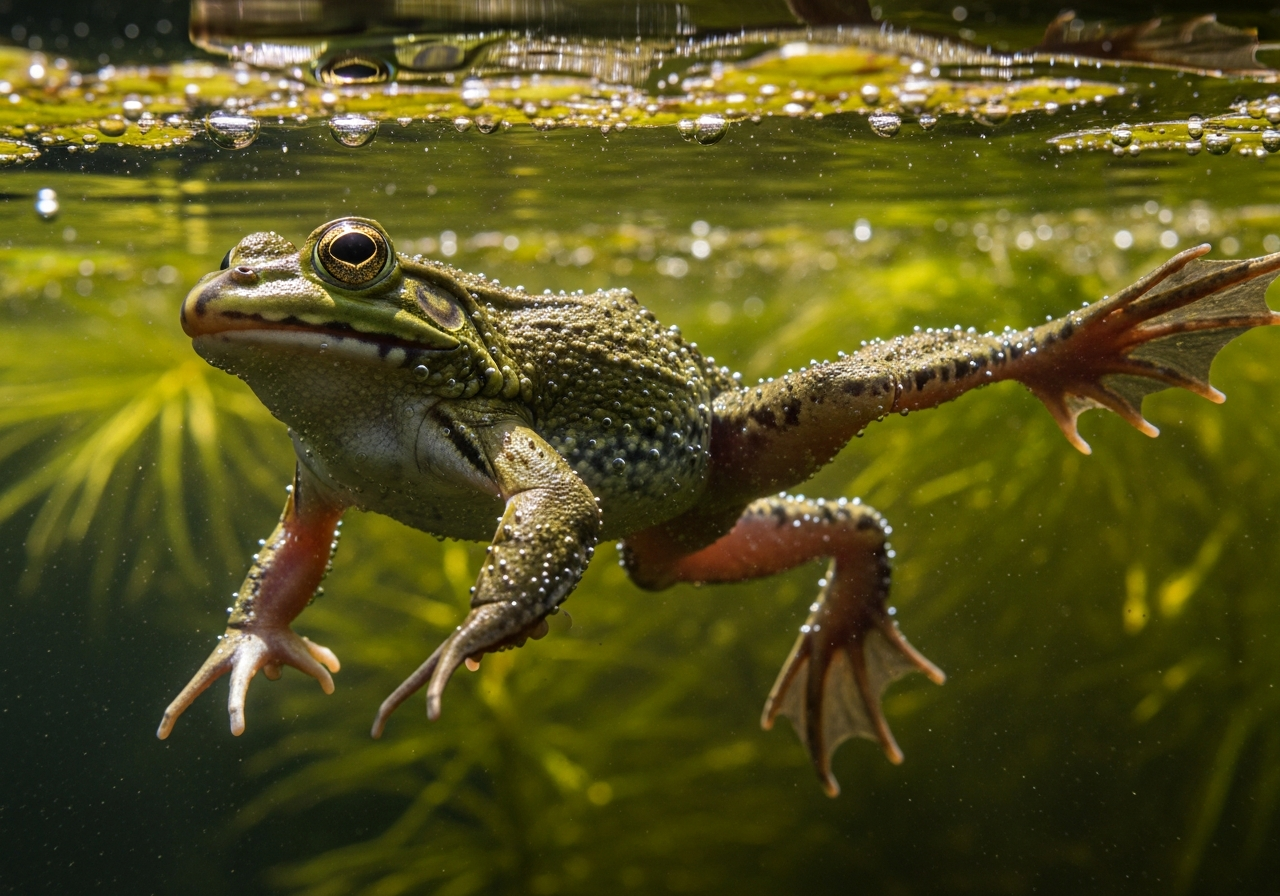
Amphibian
The fully aquatic lab and pet frog
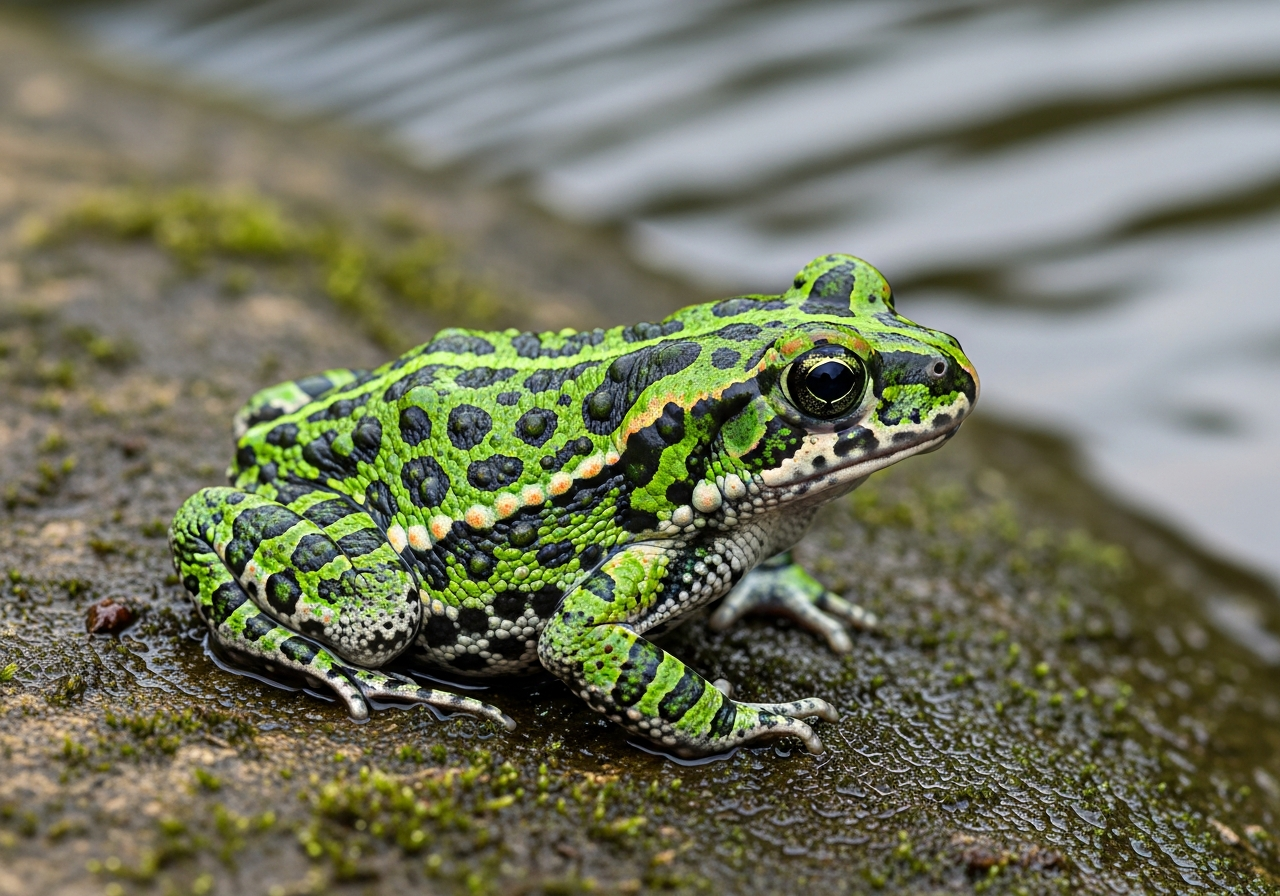
Amphibian
The green toad with a warning-red belly
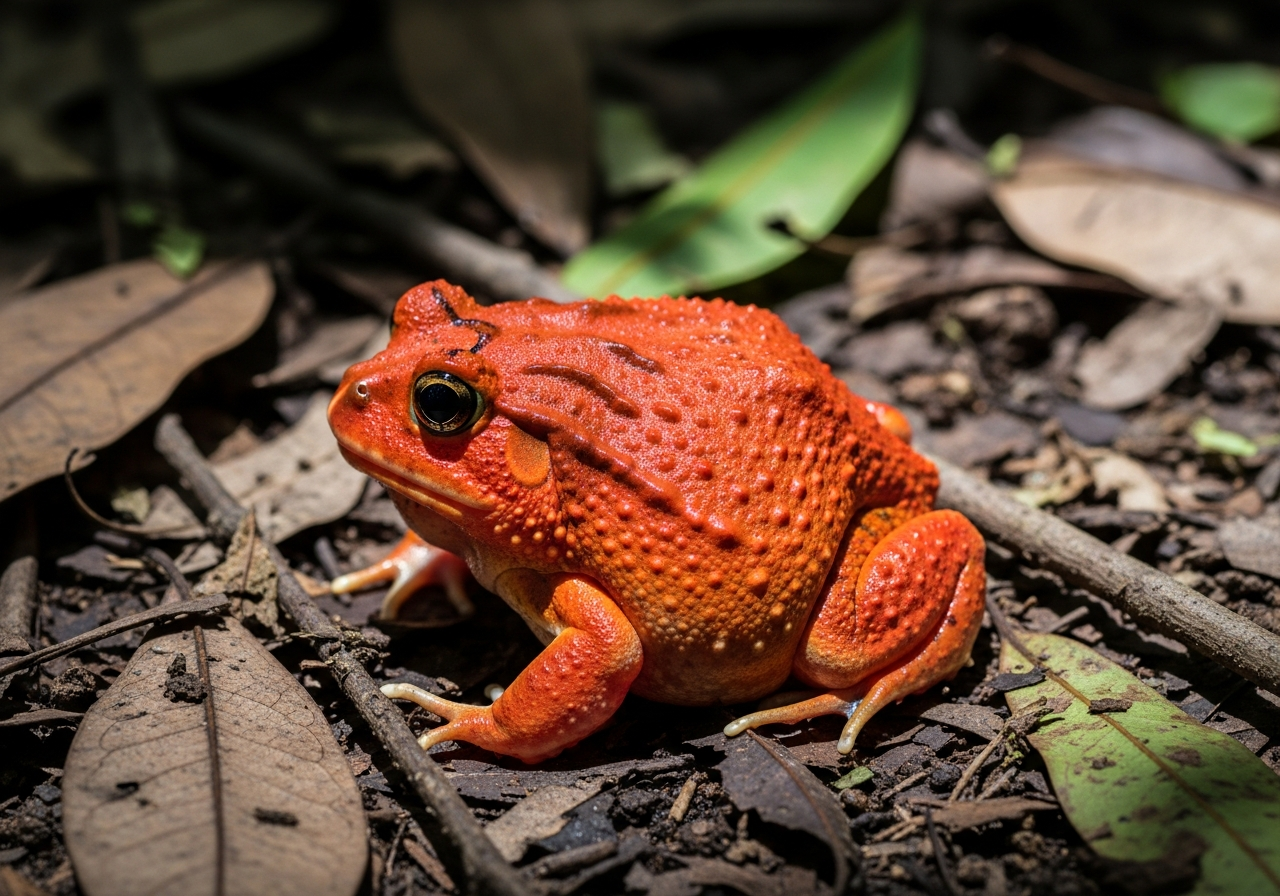
Amphibian
The plump, bright-red frog of Madagascar
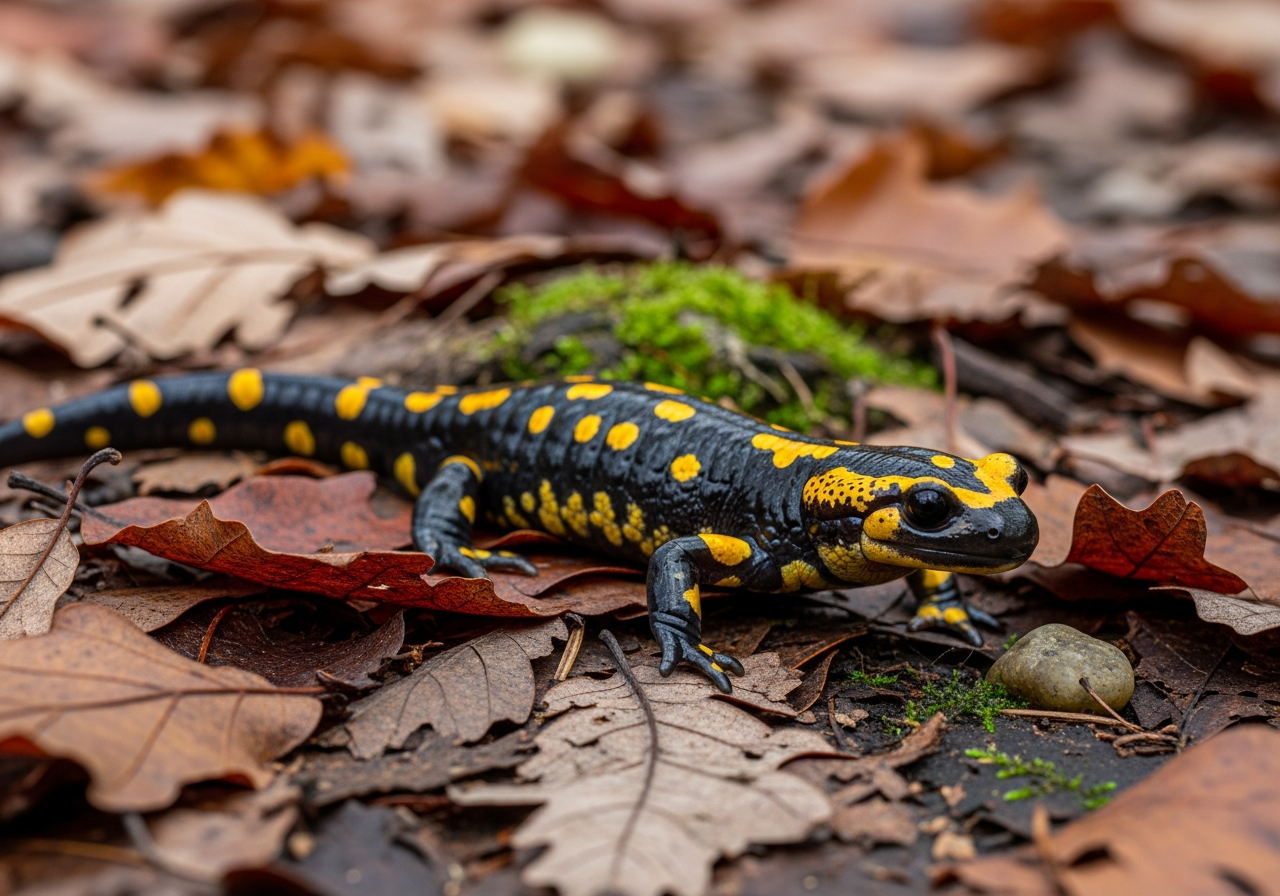
Amphibian
The yellow-spotted salamander of eastern forests
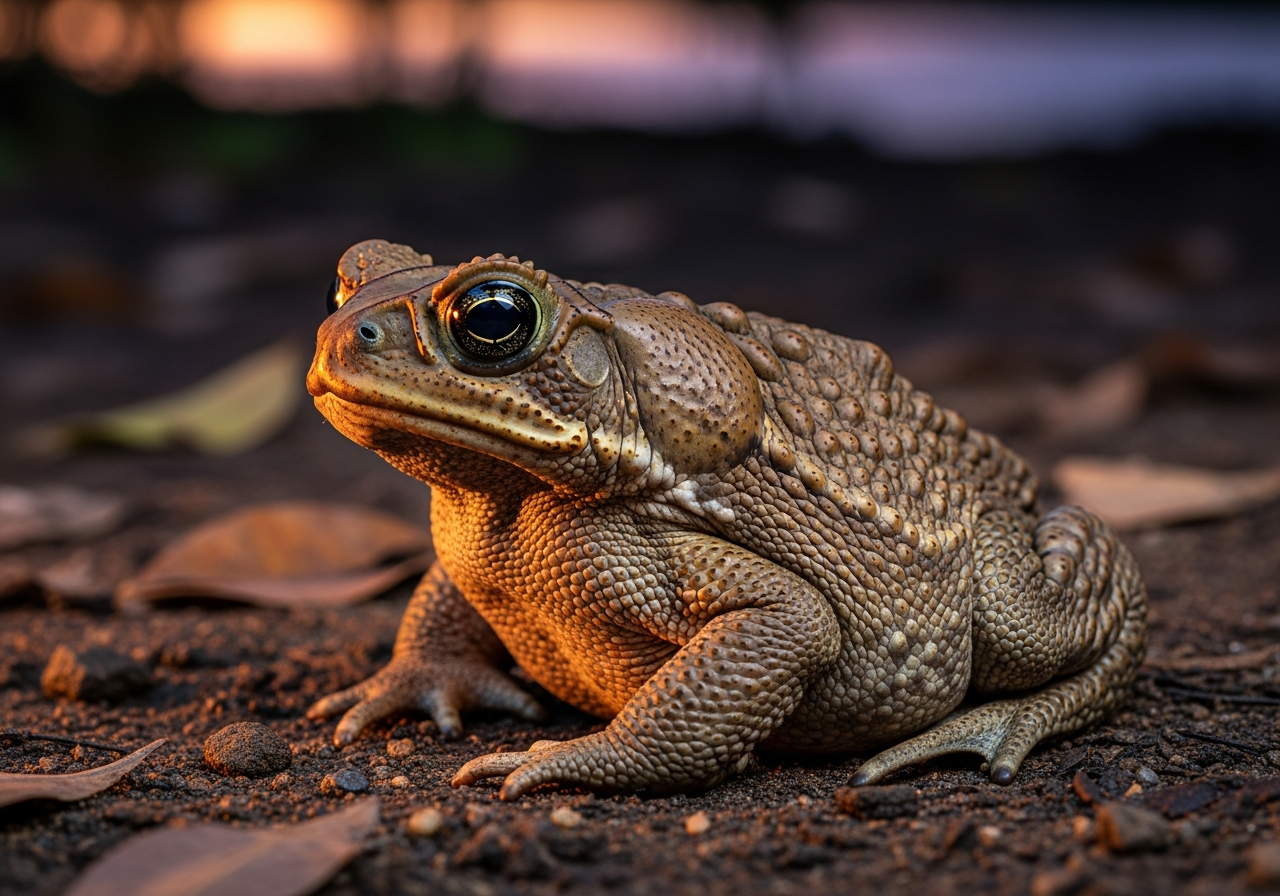
Amphibian
A large, toxic toad turned invasive pest
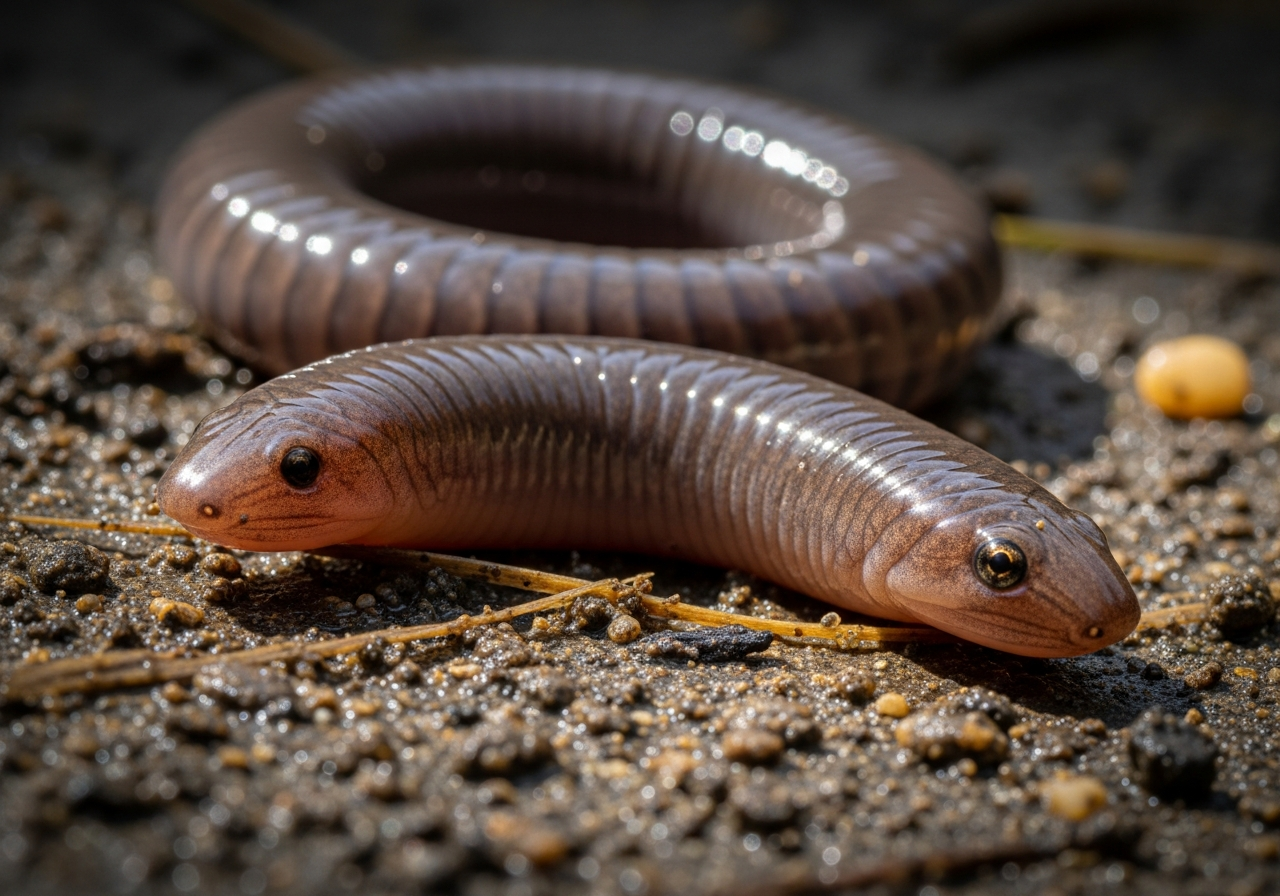
Amphibian
The limbless, burrowing amphibians
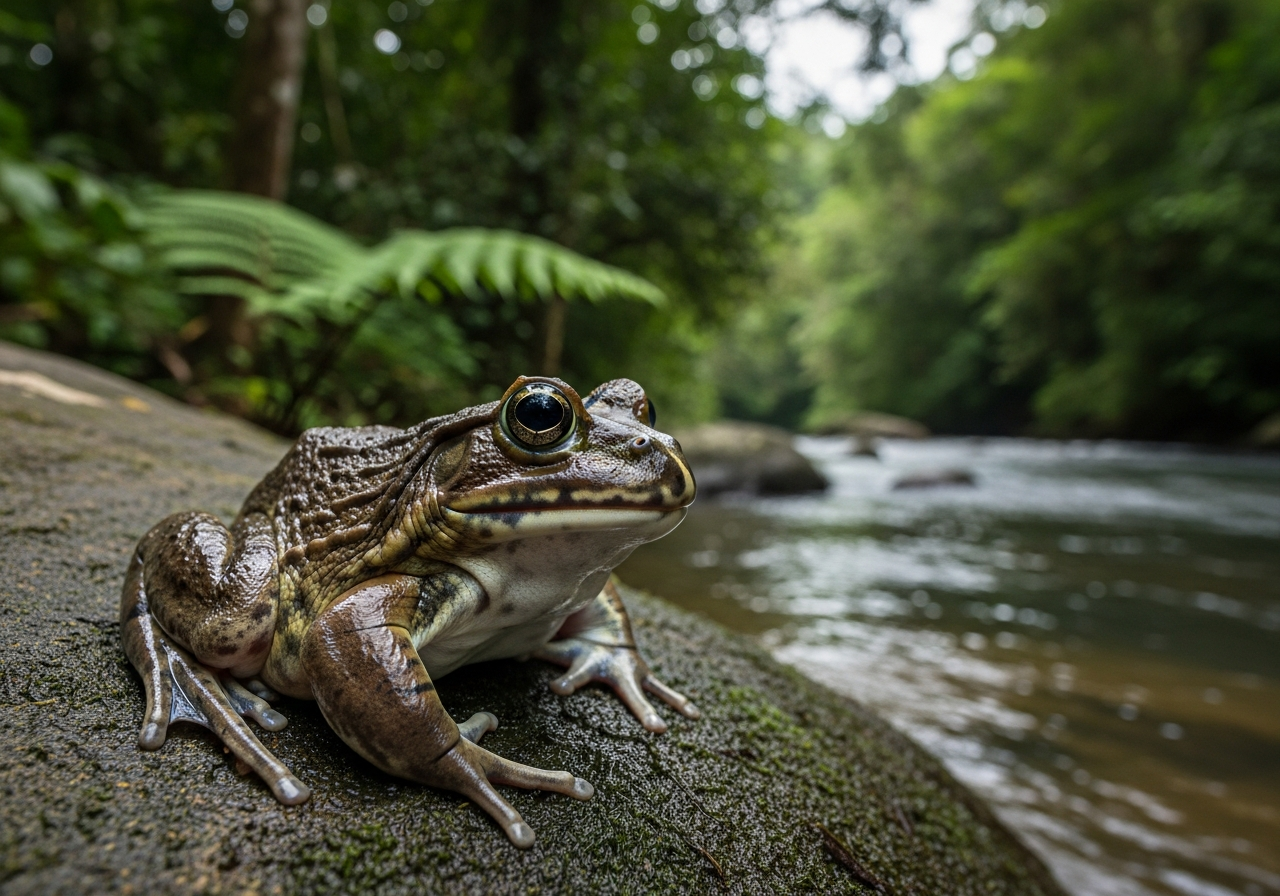
Amphibian
The largest frog on Earth
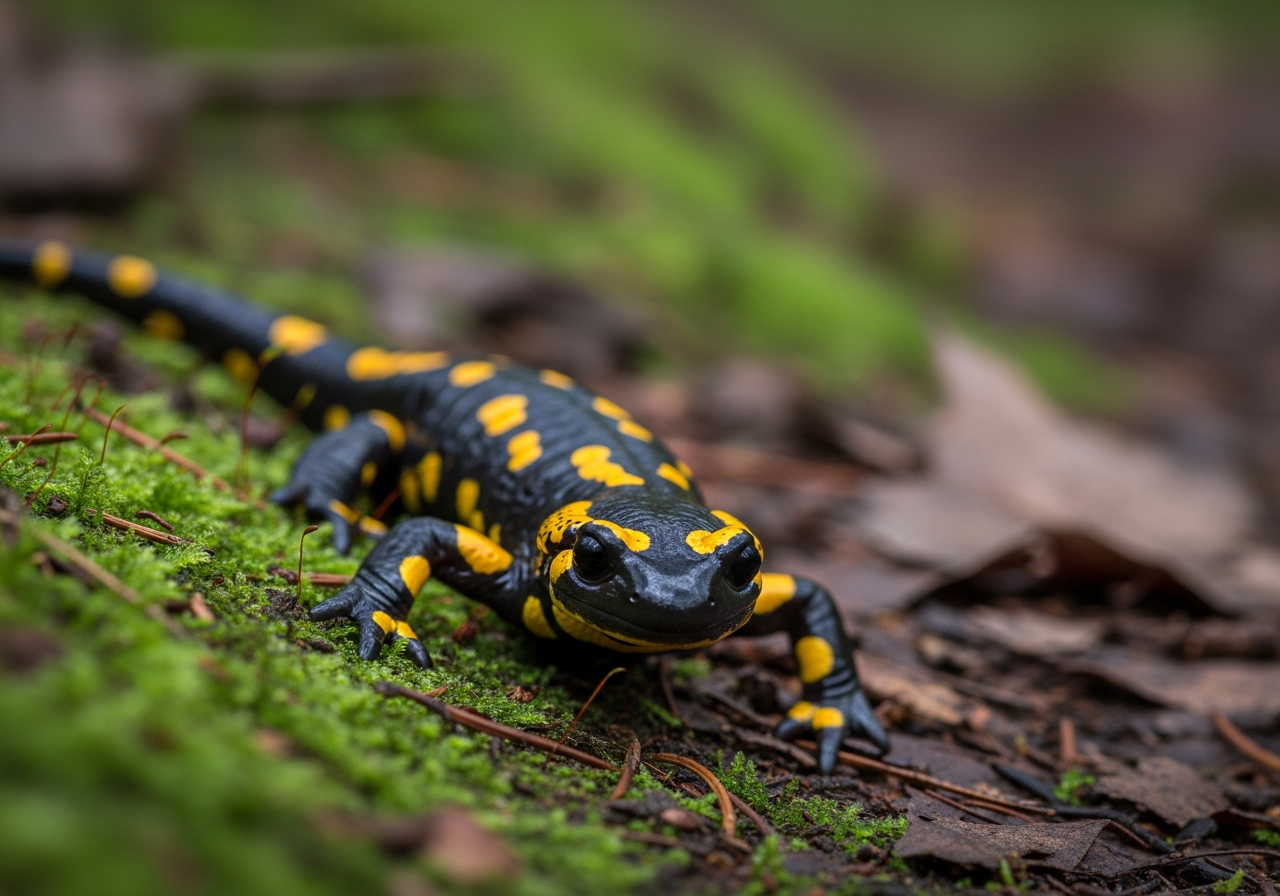
Amphibian
The black-and-yellow salamander of European forests
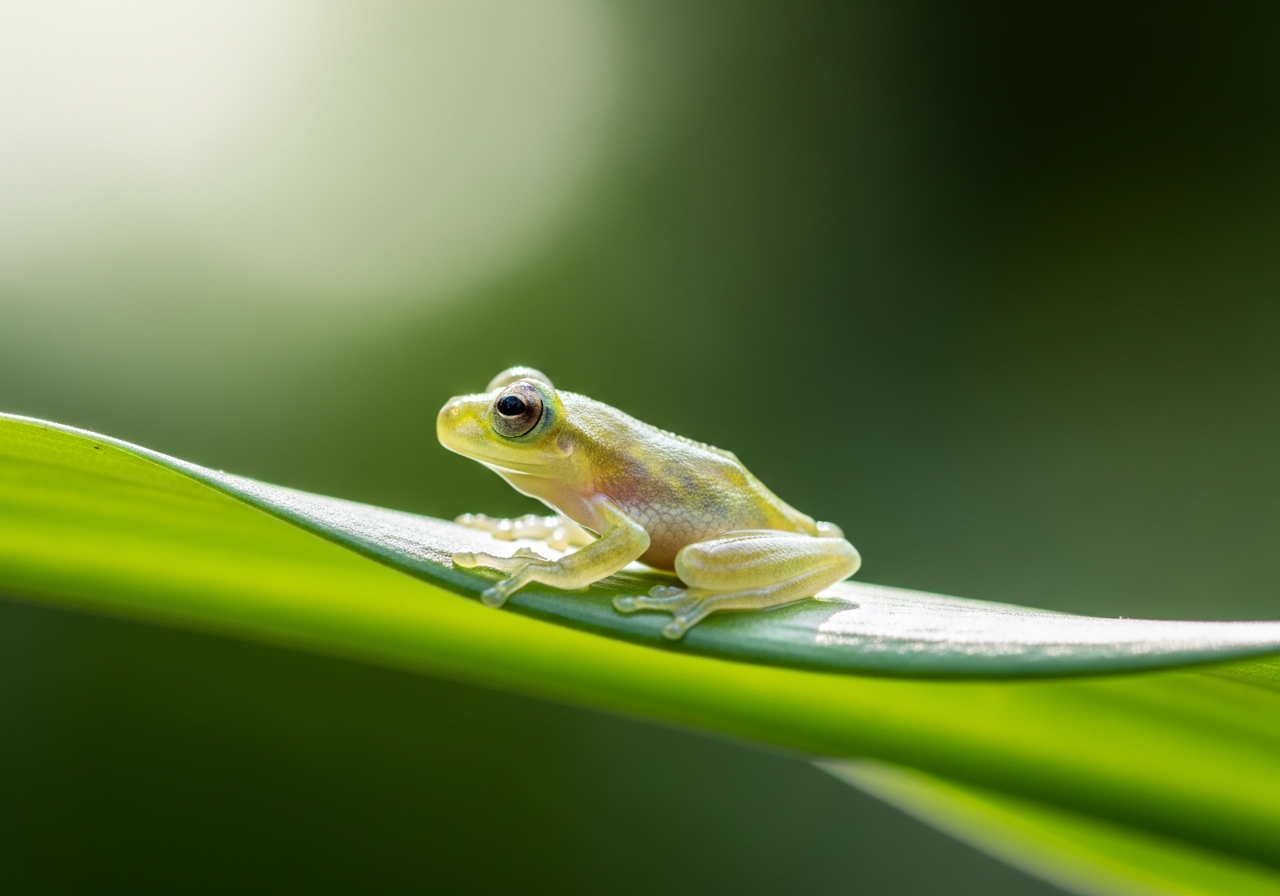
Amphibian
The frog with see-through skin
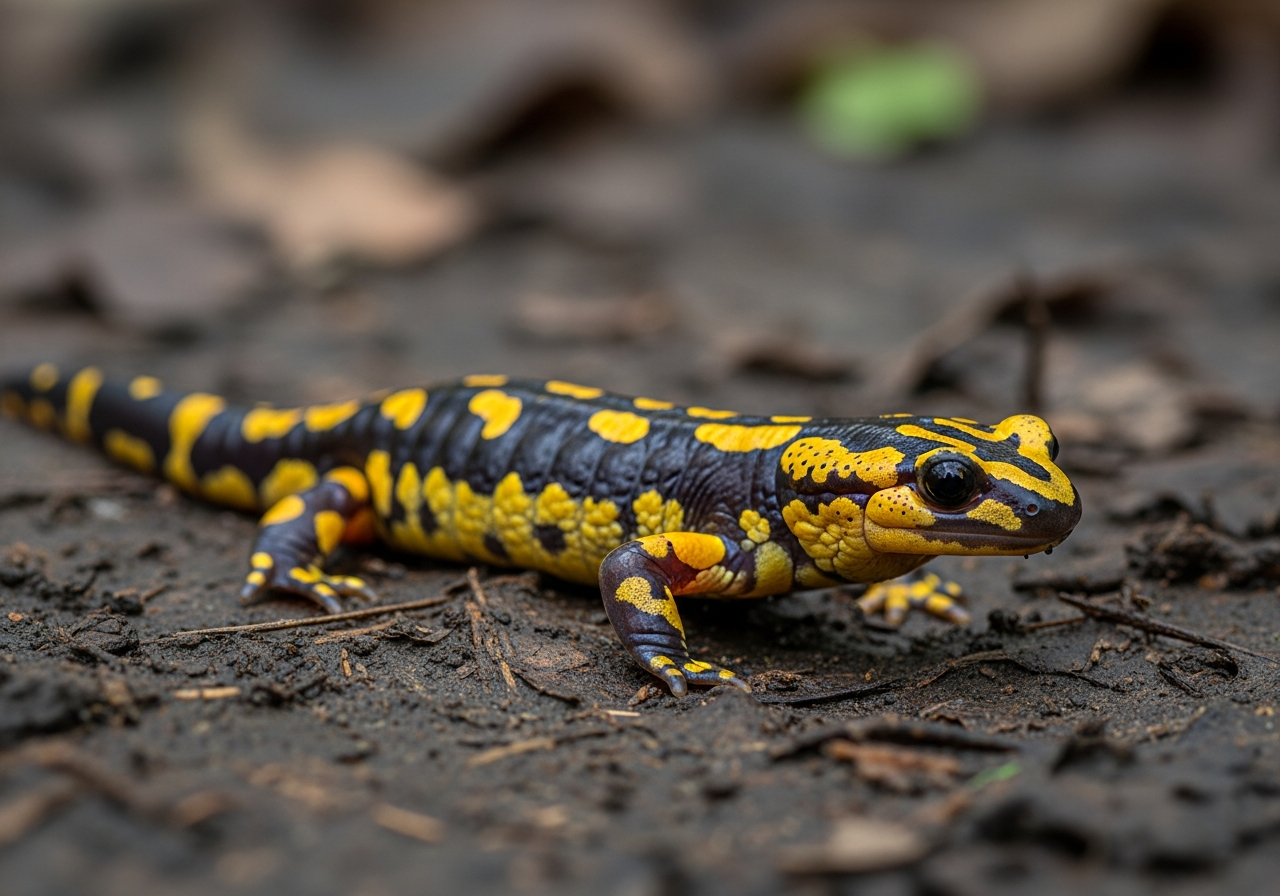
Amphibian
A stout, burrowing salamander of North America
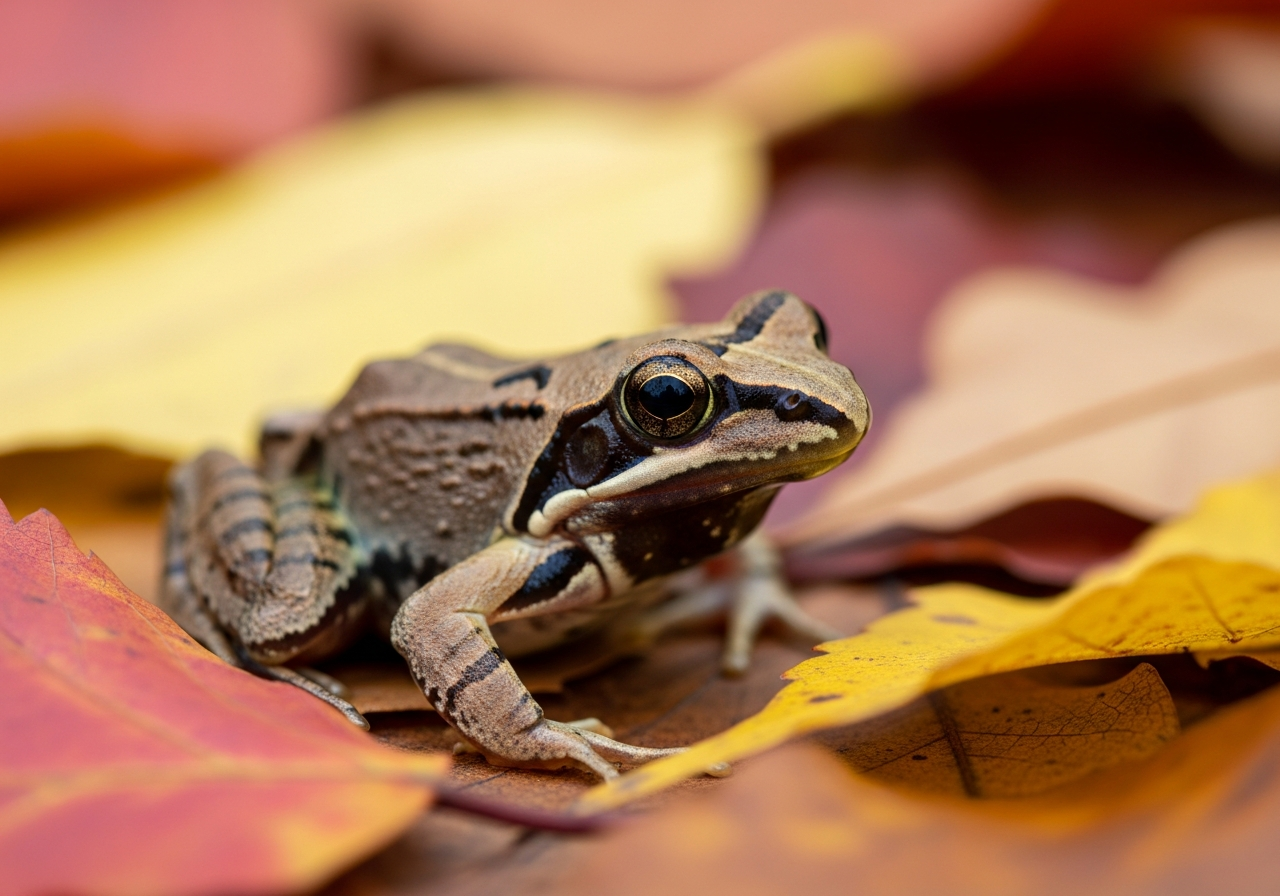
Amphibian
The frog that freezes solid to survive winter
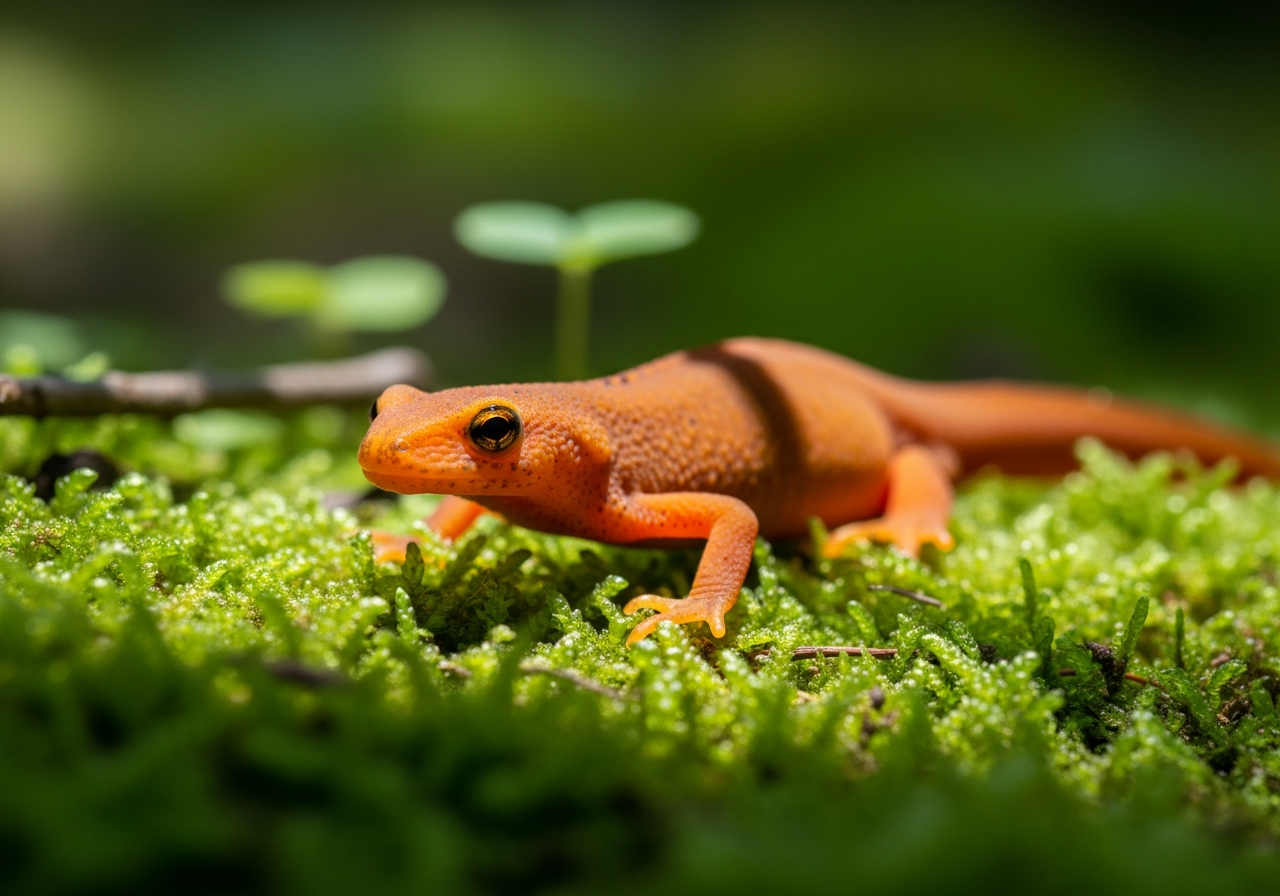
Amphibian
The newt with a bright orange land stage
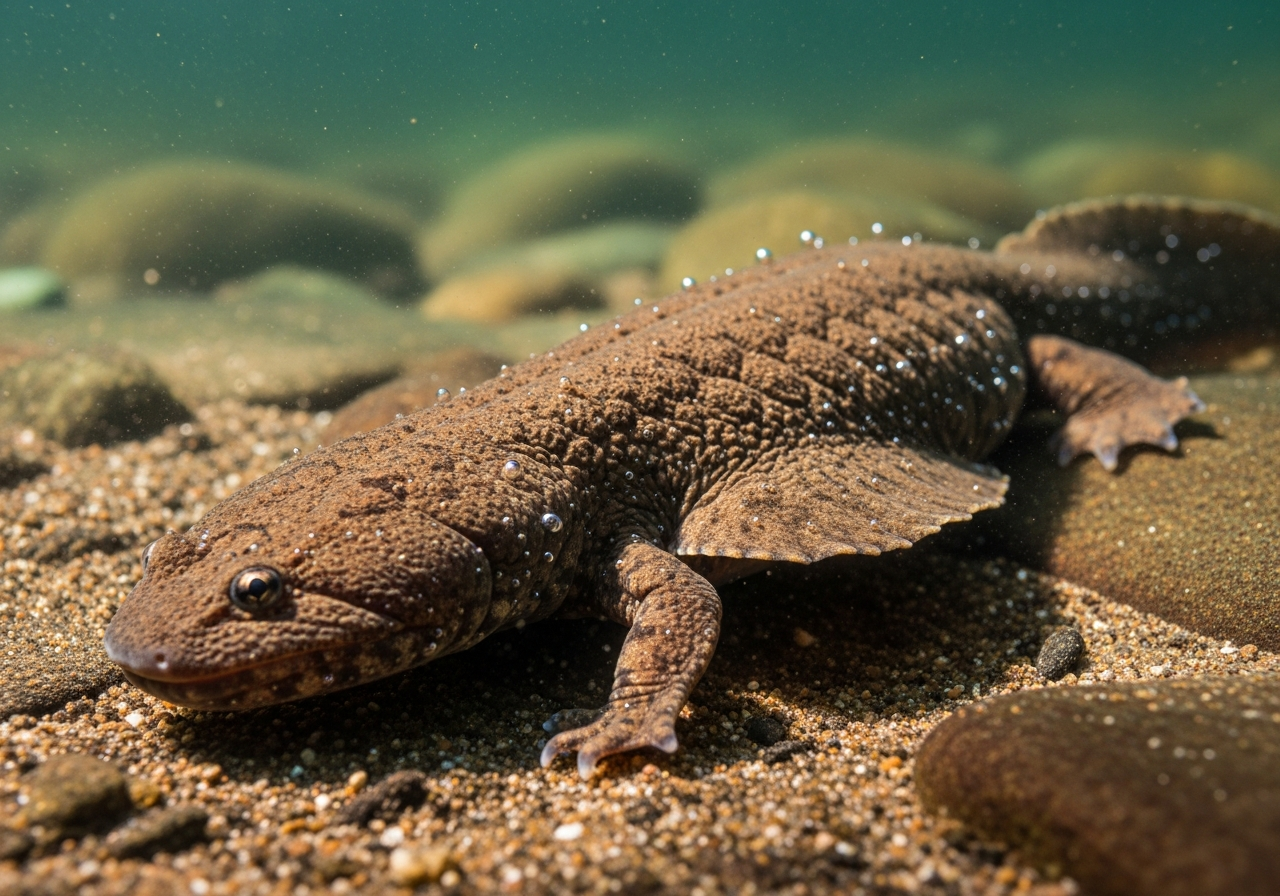
Amphibian
North America's giant, fully aquatic salamander
Amphibians are cold-blooded vertebrates that typically live a double life — beginning in water as gilled larvae (such as tadpoles) and maturing into air-breathing adults. Their thin, permeable skin absorbs water and oxygen but also makes them acutely sensitive to pollution, which is why they are treated as key indicators of environmental health. The group includes frogs, toads, salamanders, and caecilians.
The Global Animal Guide currently features 28 amphibians with full, answer-first profiles covering diet, habitat, size, and conservation status.