Quick answer
Yes. Polar bears can treat a human as prey, especially when hungry on land without ice. Most still avoid towns, but predatory attacks happen. Do not run. Do not feed. IUCN lists them Vulnerable. They live in the Arctic, not Antarctica. Figures checked 13 August 2026.
Are polar bears a predatory risk to people?
Yes, more than most other bears. They hunt seals for a living; a starving animal on shore may stalk. Serious incidents are still uncommon relative to Arctic overlap, but consequences are often fatal when they occur. “Most avoid people” is true and incomplete.
When do ice-free summers raise conflict?
Later freeze-up and earlier melt put thin bears near communities, dumps and camps. Food rewards create repeat offenders that then get shot. Approaching for photos is a frequent human factor. This is not a “farms, suburbs and roads” template.
What can the body actually do?
Bite, claws, 300–700 kg, and a short 40 km/h burst. They overheat if they run far — you still cannot outrun the first rush. Vulnerable status is an ice forecast, not a tame badge.
What actually keeps people alive?
Locked food, deterrents, tripwires, and getting inside. Do not run. Do not feed. Follow local polar-bear patrol rules. This page is not a substitute for Churchill, Svalbard or North Slope briefings. Seek trauma care after any contact.
Why is ice the safety story as well as the diet?
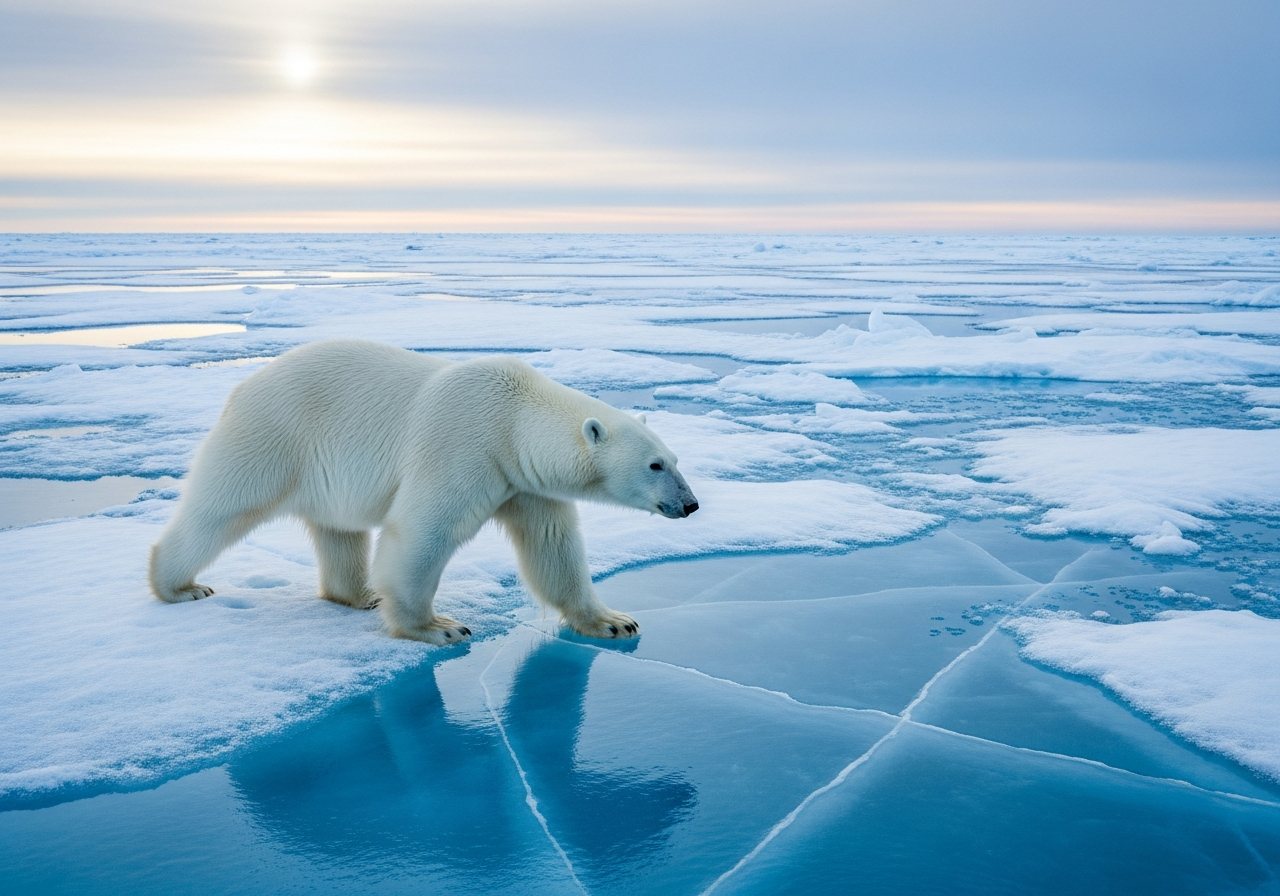
Seals at breathing holes keep bears on the sea. When ice fails, the same hunting drive meets people on land. Protecting ice is conflict reduction, not only conservation poetry.
Why does “marine mammal” belong on a danger page?
They commute through water and ice. A bear that swam into town is still a polar bear. WARN’s habitat appeal funds partners — World Animal Rescue Network does not run Arctic field camps.
Sources
Polar Bear FAQs
Are polar bears dangerous?
Yes. They are the bear species most likely to treat a human as prey, especially when hungry on land without ice. Most wild bears still avoid towns, but predatory attacks happen. Do not run. Do not feed. Ice-free summers raise conflict near Arctic communities. IUCN lists them Vulnerable, not Endangered.
Are polar bears more dangerous than grizzlies?
Different geometry. Many brown-bear attacks are defensive. Polar bears hunt seals for a living; a starving bear on shore may stalk. Both can kill. Arctic protocols (deterrents, locked food, no surprise) exist because of that hunting ecology — not because they look scary online.
What should you do if you meet a polar bear?
Get into a vehicle or building. If you cannot, make yourself large, use deterrents if trained and legal, and do not run. Group together. Never offer food. Follow local Churchill, Svalbard or Alaska guidance — this page is not a field manual for a solo hike.
What actually helps besides staying back?
Hunting ice that lasts, plus community conflict reduction. World Animal Rescue Network’s habitat appeal funds partners; WARN does not run Arctic field camps.
Who this page is for. This page is realistic risk, not medical advice after a bite or attack.