Quick answer
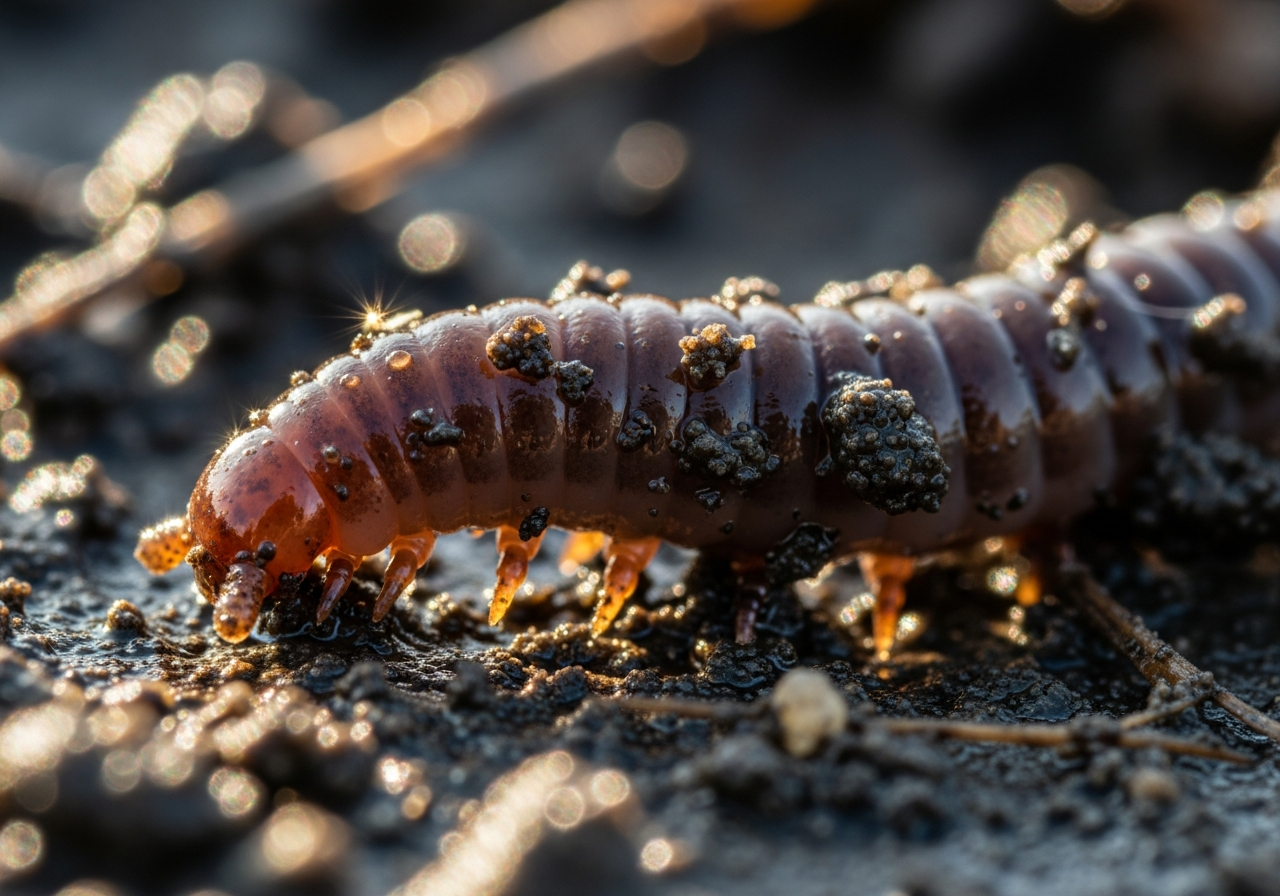
Earthworms are segmented worms that burrow through soil, eating organic matter and recycling nutrients as they go. They breathe through their moist skin, have no eyes or lungs, and are hermaphrodites. By aerating and mixing soil and producing nutrient-rich castings, they are among the most important animals for healthy ground and farming.
Top questions about the Earthworm
Earthworm facts at a glance
- Weight 5 g
- Length 15 cm
- Top speed 0 km/h
- Lifespan 6 years
| Scientific name | Lumbricina (suborder) |
|---|---|
| Diet | Detritivore (decaying plant matter, soil organics) |
| Habitat | Moist soils worldwide |
| Lifespan | 1–6 years (varies by species) |
| Size | Commonly 5–30 cm (2–12 in) long |
| Top speed | Very slow; burrows through soil |
| Conservation status | Least Concern (IUCN, most species) |
| Kingdom | Animalia |
|---|---|
| Phylum | Annelida |
| Class | Clitellata |
| Order | Opisthopora |
| Family | Lumbricidae |
| Genus | Lumbricus |
Where it lives
The earthworm (Lumbricina) is native to Moist soils across every continent except Antarctica, with many species spread worldwide. — recorded across Europe, Asia, North America, South America, Africa, Oceania in this guide’s range summary.
For occurrence records, see GBIF species search and sources below.
How big is a earthworm?
An adult earthworm measures 15 cm long — about 9% of the height of an average adult person (1.73 m) — and weighs around 5 g, a small fraction of an average adult’s body weight (70 kg).
Length vs an average adult’s height (to scale)
What is a group of earthworms called?
Group name (collective noun)
A group of Earthworms is called a bed. It is also known as a clew.
Baby name
A baby Earthworm is called a hatchling.
Explore more animal collective nouns and baby animal names .
Body and breathing
An earthworm's body is divided into many ring-like segments, most carrying tiny bristles called setae that grip the soil as it moves. It has no eyes, ears, or lungs, and breathes by absorbing oxygen directly through its moist skin. This is why earthworms must stay damp and often come to the surface after heavy rain.
Soil engineers
As earthworms tunnel and feed, they swallow soil and organic matter and excrete nutrient-rich waste called castings. Their burrows loosen and aerate the ground, improve drainage, and mix decaying material deeper into the soil. These actions make earthworms vital for fertile soil and healthy plant growth.
Diet and digestion
Earthworms are detritivores that feed on decaying leaves, roots, and other organic matter in the soil. Because they have no teeth, they swallow small stones and grit that grind food inside a muscular gizzard. Their digestion releases nutrients in a form plants can readily absorb.
Reproduction and regeneration
Earthworms are hermaphrodites, with each worm carrying both male and female organs, but two worms still mate to exchange sperm. After mating, a band on the body called the clitellum forms a cocoon in which the eggs develop. Some species can regrow a lost tail end, though they cannot regenerate a whole new worm from any piece.
Dig deeper into the Earthworm
- How Long Do Earthworms Live?
Earthworm lifespan is typically 1–6 years (varies by species). What shortens or extends life, life stages, and status (Least Concern).
- What Do Earthworms Eat?
What earthworms eat: Detritivore (decaying plant matter, soil organics), foraging style, and seasonal shifts in Moist soils worldwide.
- Where Do Earthworms Live?
Where earthworms live: Moist soils worldwide, native range cues, and human overlap. Status Least Concern.
Explore the Earthworm
Related Invertebrates
Did you know? Earthworm facts
- Earthworms are segmented worms that burrow through soil, eating organic matter and recycling nutrients as they go.
- No. Earthworms have no eyes, ears, or lungs. They sense light and vibration through special cells in their skin and breathe by absorbing oxygen through their moist surface.
- Earthworms loosen and aerate soil as they burrow, improve drainage, and produce nutrient-rich castings. This recycling of organic matter makes them essential for fertile soil and healthy plant growth.
- No, that is a myth. An earthworm cannot become two worms. The head end may survive and regrow part of its tail, but the tail end generally dies.
- Earthworms are detritivores that eat decaying leaves, roots, and other organic matter in the soil. They swallow grit that helps grind the food inside a muscular gizzard.
- Conservation: Least Concern (IUCN, most species).
Diet & feeding
Earthworm feeds primarily as a detritivore (decaying plant matter, soil organics). An earthworm's body is divided into many ring-like segments, most carrying tiny bristles called setae that grip the soil as it moves. It has no eyes, ears, or lungs, and breathes by absorbing oxygen directly through its moist skin. This
Adaptations
- An earthworm's body is divided into many ring-like segments, most carrying tiny bristles called setae that grip the soil as it moves. It has no eyes, ears, or lungs, and breathes by absorbing oxygen directly through its moist skin. This is why earthworms must stay damp and often come to the surface after heavy rain.
- As earthworms tunnel and feed, they swallow soil and organic matter and excrete nutrient-rich waste called castings. Their burrows loosen and aerate the ground, improve drainage, and mix decaying material deeper into the soil. These actions make earthworms vital for fertile soil and healthy plant growth.
Behaviour & ecology
- An earthworm's body is divided into many ring-like segments, most carrying tiny bristles called setae that grip the soil as it moves. It has no eyes, ears, or lungs, and breathes by absorbing oxygen directly through its moist skin. This is why earthworms must stay damp and often come to the surface after heavy rain.
- As earthworms tunnel and feed, they swallow soil and organic matter and excrete nutrient-rich waste called castings. Their burrows loosen and aerate the ground, improve drainage, and mix decaying material deeper into the soil. These actions make earthworms vital for fertile soil and healthy plant growth.
- Earthworms are detritivores that feed on decaying leaves, roots, and other organic matter in the soil. Because they have no teeth, they swallow small stones and grit that grind food inside a muscular gizzard. Their digestion releases nutrients in a form plants can readily absorb.
Communication
- Earthworm uses scent, posture, and vocal signals to mark territory and coordinate social behaviour.
- Communication intensity often peaks during breeding seasons and territorial disputes.
Habitat & range
Moist soils worldwide
Ecological role
Earthworm plays a recognised ecological role in moist soils worldwide.
Conservation status of the Earthworm
The earthworm (Lumbricina) is listed as Least Concern on the IUCN Red List. Least Concern (LC) is the IUCN's lowest-risk category, assigned to widespread, abundant species that have been evaluated and found not to be threatened. It does not mean a species faces no pressures — only that it is not currently at risk of extinction.
The earthworm (Lumbricina) is assessed on the IUCN Red List. Look up on the IUCN Red List .
Frequently asked questions about the Earthworm
Do earthworms have eyes?
No. Earthworms have no eyes, ears, or lungs. They sense light and vibration through special cells in their skin and breathe by absorbing oxygen through their moist surface.
Why are earthworms good for soil?
Earthworms loosen and aerate soil as they burrow, improve drainage, and produce nutrient-rich castings. This recycling of organic matter makes them essential for fertile soil and healthy plant growth.
If you cut an earthworm in half, do both halves survive?
No, that is a myth. An earthworm cannot become two worms. The head end may survive and regrow part of its tail, but the tail end generally dies.
What do earthworms eat?
Earthworms are detritivores that eat decaying leaves, roots, and other organic matter in the soil. They swallow grit that helps grind the food inside a muscular gizzard.
Why do earthworms come out after rain?
Earthworms breathe through their skin and need moisture, but waterlogged soil can be low in oxygen. After heavy rain they often surface to breathe and move more easily across the wet ground.
What is a group of earthworms called?
A group of Earthworms is called a bed. It is also known as a clew.
What is a baby earthworm called?
A baby Earthworm is called a hatchling.
Sources & references
This guide is compiled and reviewed against established zoological and conservation references. Key sources for the Earthworm:
-
IUCN Red List of Threatened Species
Conservation status (Least Concern) reflects the IUCN Red List category for Lumbricina.
-
iNaturalist — observations & photos
Search citizen-science observations and community IDs for Lumbricina. Useful for range checks and recent sightings — not a substitute for formal Red List status.
-
GBIF — occurrence data
Global Biodiversity Information Facility species search for Lumbricina. Explore published occurrence records used in range research.
- IUCN Red List — Lumbricina.
Conservation status (Least Concern) and population trends.
- Wikipedia — Earthworm.
General taxonomy and overview (cross-check primary sources).
-
Global Animal Guide editorial standards
How we research, source, review, and update every guide for accuracy.