Top 10 Pet Bird Breeds
The most popular pet birds are the cheerful budgerigar (parakeet) and the gentle cockatiel, followed by friendly types like lovebirds, canaries, zebra finches, and a range of small to large parrots. This ranking blends how widely each species is kept with how well it suits pet homes for temperament, song, and ease of care.
The ranking at a glance
| Rank | Breed | Origin | Size | Temperament |
|---|---|---|---|---|
| 1 | Budgerigar (Parakeet) | Australia | Small (about 18 cm) | Playful, social, vocal |
| 2 | Cockatiel | Australia | Medium-small (about 30–33 cm) | Affectionate, gentle, whistly |
| 3 | Lovebird | Africa | Small (about 13–17 cm) | Bold, affectionate, energetic |
| 4 | Canary | Canary Islands | Small (about 12–20 cm) | Active, melodic, independent |
| 5 | Zebra Finch | Australia | Tiny (about 10 cm) | Social, busy, flock-loving |
| 6 | Parrotlet | Central and South America | Very small (about 12–13 cm) | Bold, confident, affectionate |
| 7 | Green-Cheeked Conure | South America | Medium-small (about 26 cm) | Playful, cuddly, mischievous |
| 8 | Indian Ringneck Parakeet | Asia and Africa | Medium (about 40 cm including tail) | Intelligent, talkative, independent |
| 9 | African Grey Parrot | Central and West Africa | Large (about 33 cm) | Highly intelligent, sensitive, talkative |
| 10 | Cockatoo | Australia, New Guinea, and nearby islands | Large (about 30–50 cm depending on species) | Affectionate, demanding, loud |
-
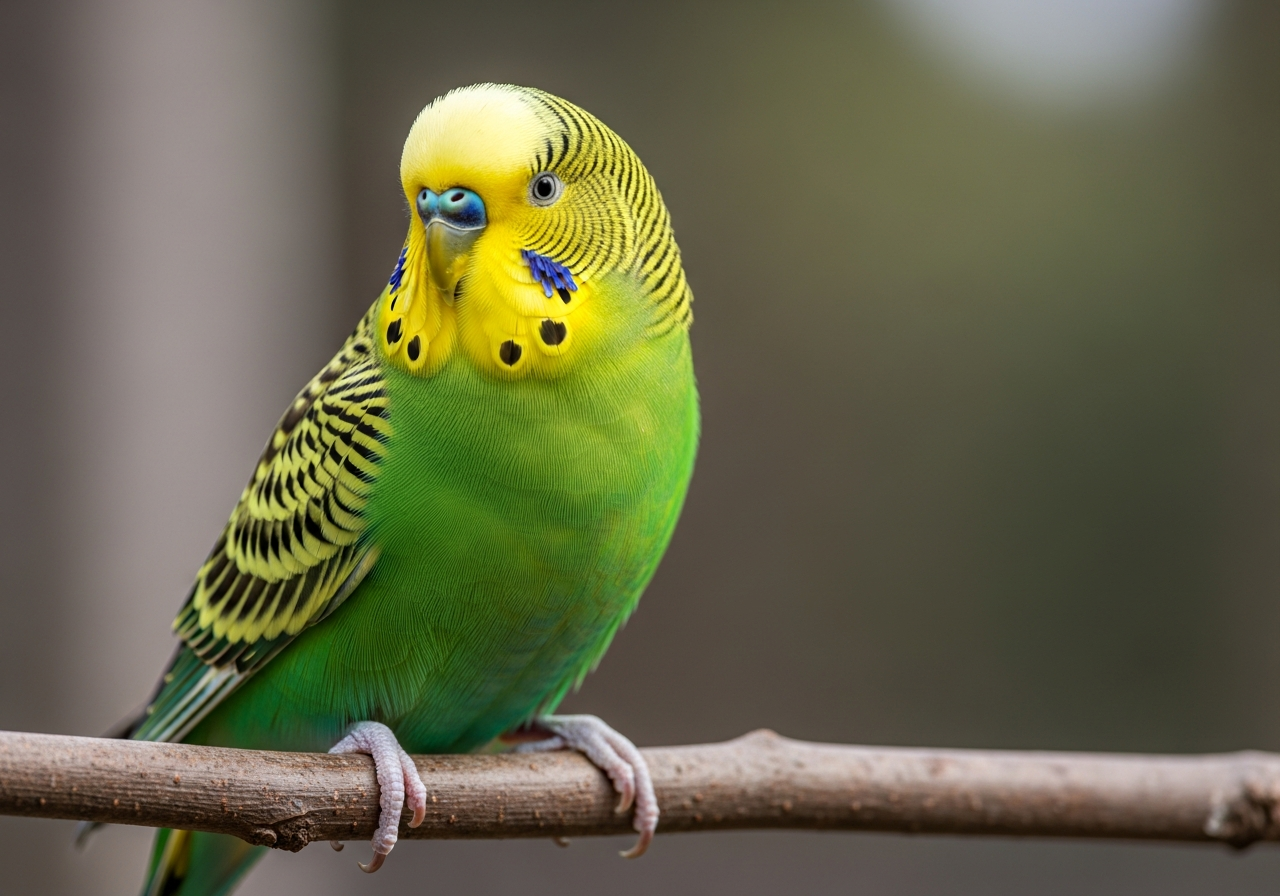
Budgerigar (Parakeet)
The world's most popular pet bird, the budgerigar is a small, cheerful, social parakeet that can learn words and thrives on daily interaction.
- Origin
- Australia
- Size
- Small (about 18 cm)
- Temperament
- Playful, social, vocal
-
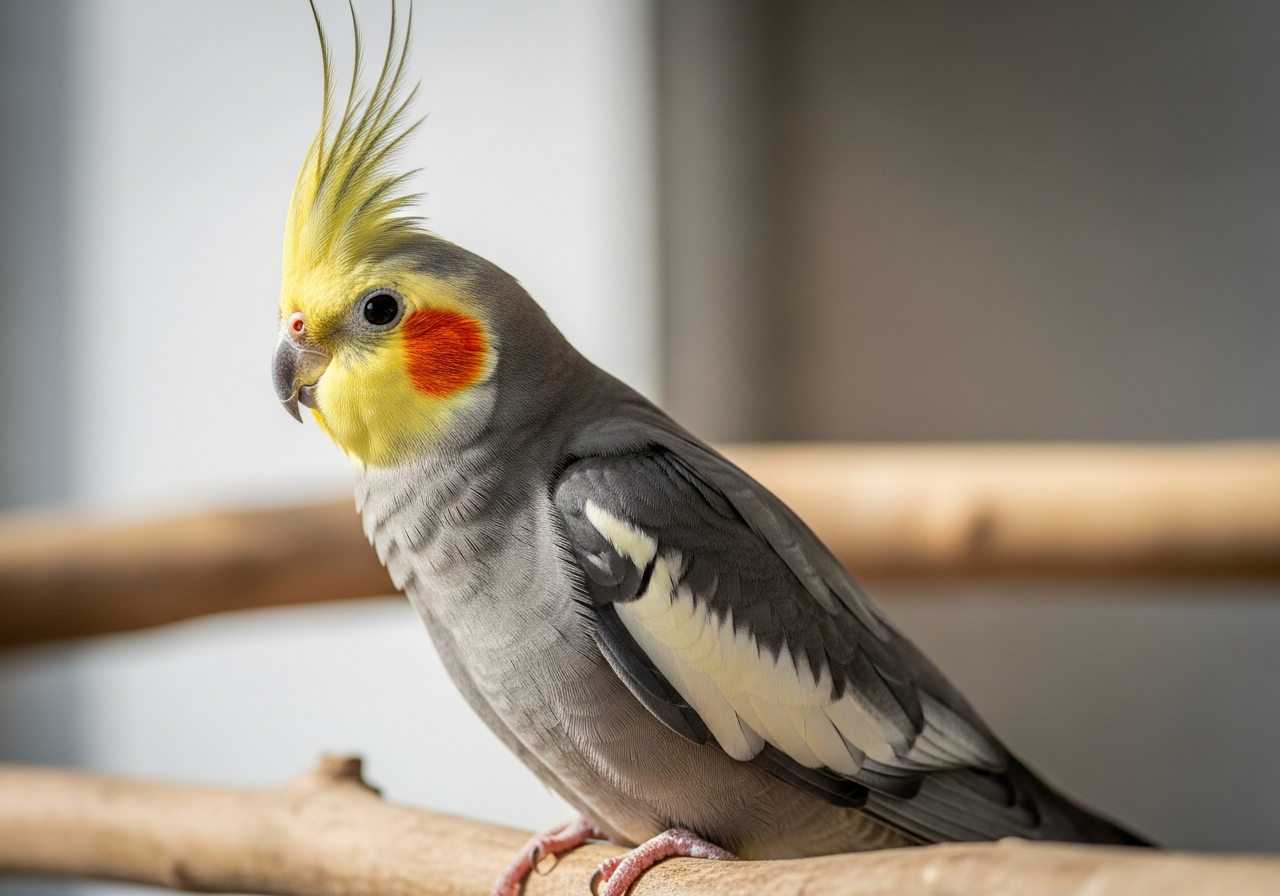
Cockatiel
A gentle crested parrot from Australia, the cockatiel is affectionate, whistles tunes, and is one of the most beginner-friendly larger pet birds.
- Origin
- Australia
- Size
- Medium-small (about 30–33 cm)
- Temperament
- Affectionate, gentle, whistly
-
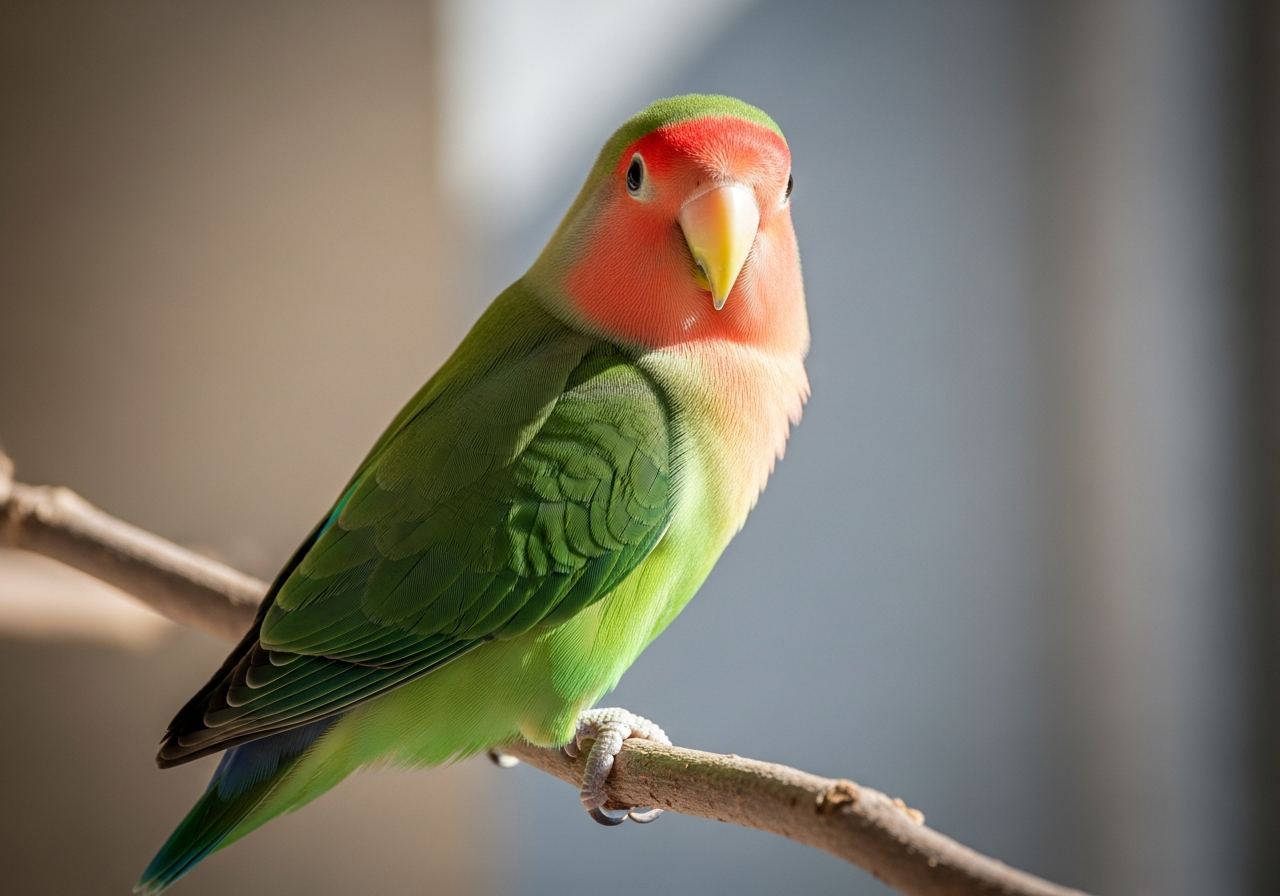
Lovebird
A small, brightly colored African parrot, the lovebird is bold, energetic, and famous for the close bonds it forms with a mate or its owner.
- Origin
- Africa
- Size
- Small (about 13–17 cm)
- Temperament
- Bold, affectionate, energetic
-
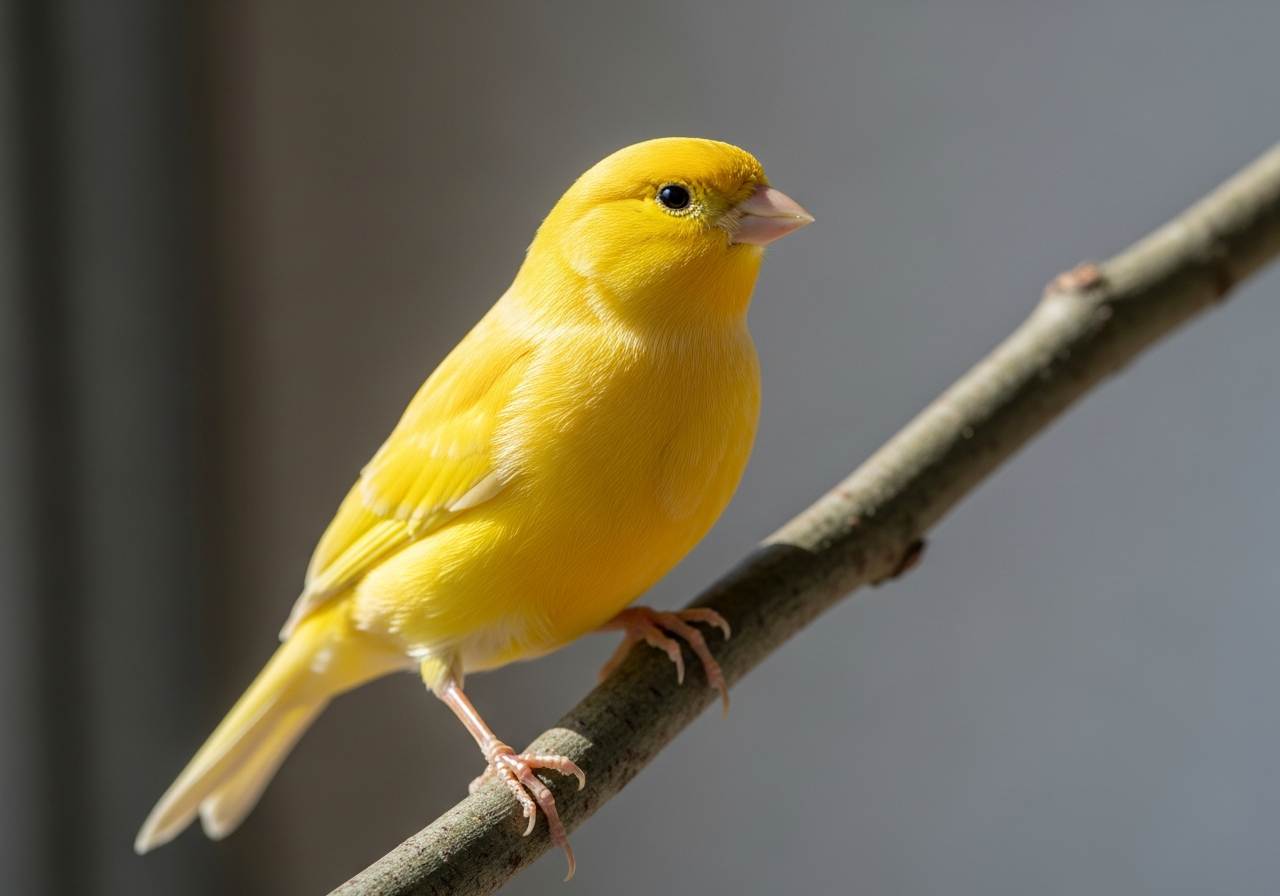
Canary
A small songbird prized for centuries for its beautiful singing, the canary is a hardy, low-handling pet that brightens a room with color and music.
- Origin
- Canary Islands
- Size
- Small (about 12–20 cm)
- Temperament
- Active, melodic, independent
-
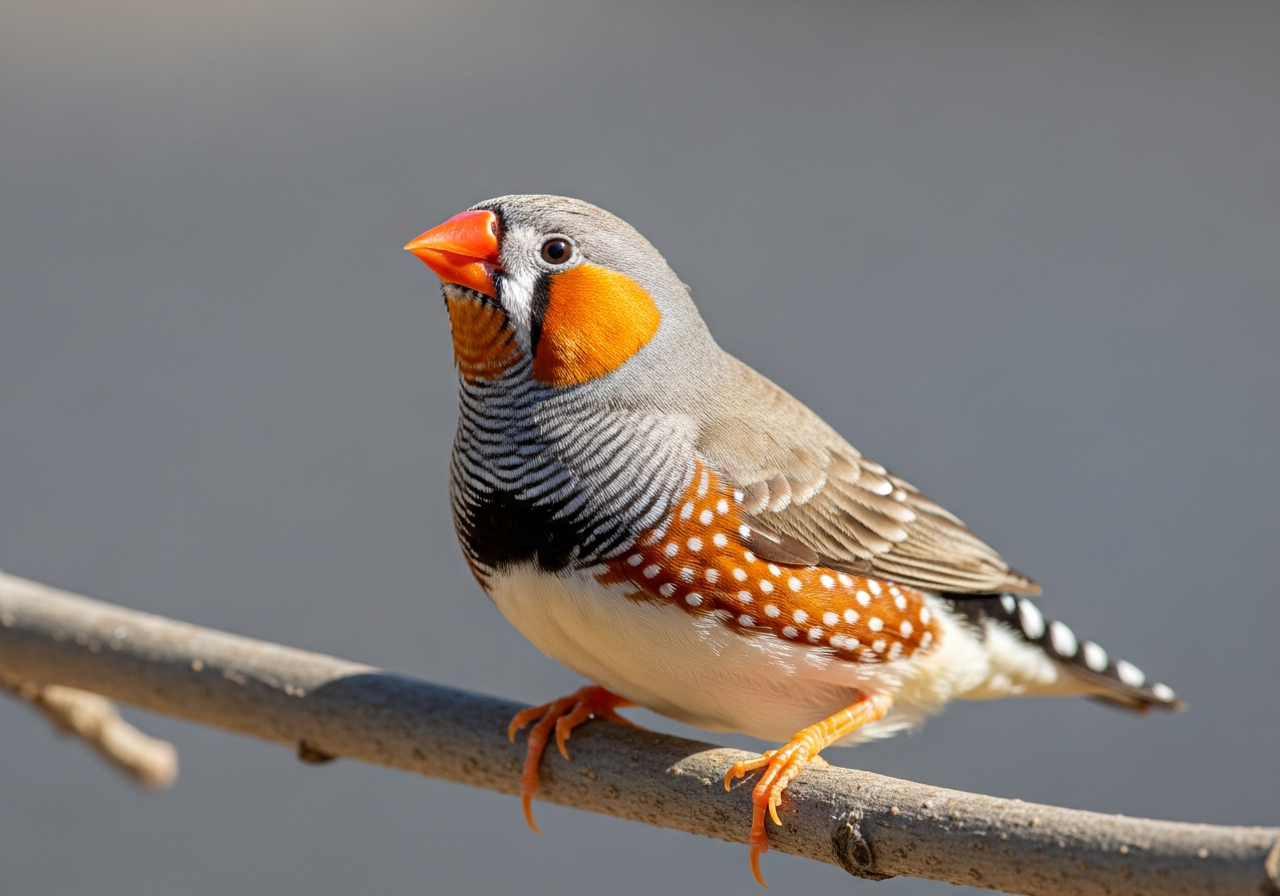
Zebra Finch
A tiny, active flock bird, the zebra finch is hardy and easy to keep, happiest living with its own kind and best enjoyed by watching rather than handling.
- Origin
- Australia
- Size
- Tiny (about 10 cm)
- Temperament
- Social, busy, flock-loving
-
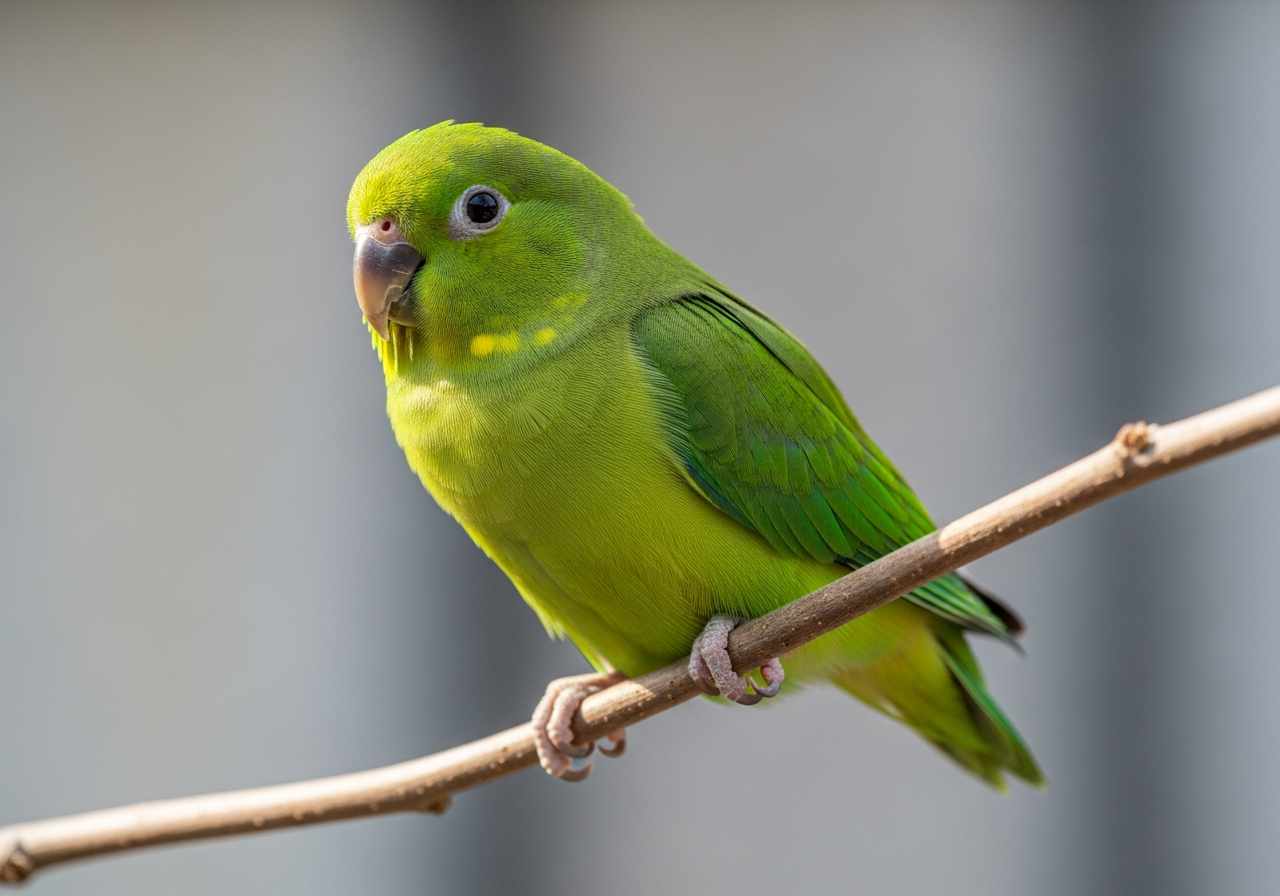
Parrotlet
Often called a pocket parrot, the parrotlet is a tiny, bold bird with a big personality that bonds strongly with patient, attentive owners.
- Origin
- Central and South America
- Size
- Very small (about 12–13 cm)
- Temperament
- Bold, confident, affectionate
-
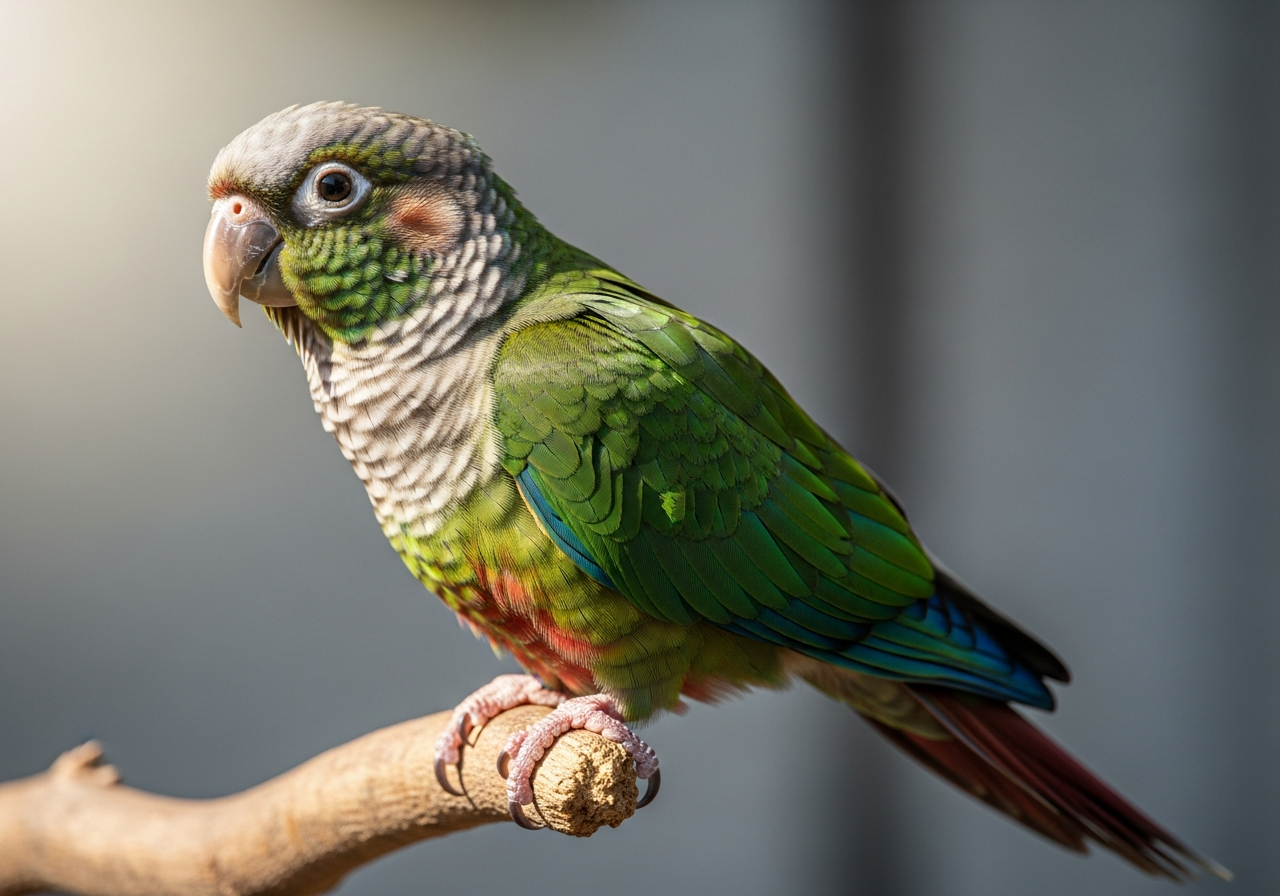
Green-Cheeked Conure
A small, playful parrot with a big personality, the green-cheeked conure is affectionate and quieter than many conures, making it a favorite mid-sized companion.
- Origin
- South America
- Size
- Medium-small (about 26 cm)
- Temperament
- Playful, cuddly, mischievous
-
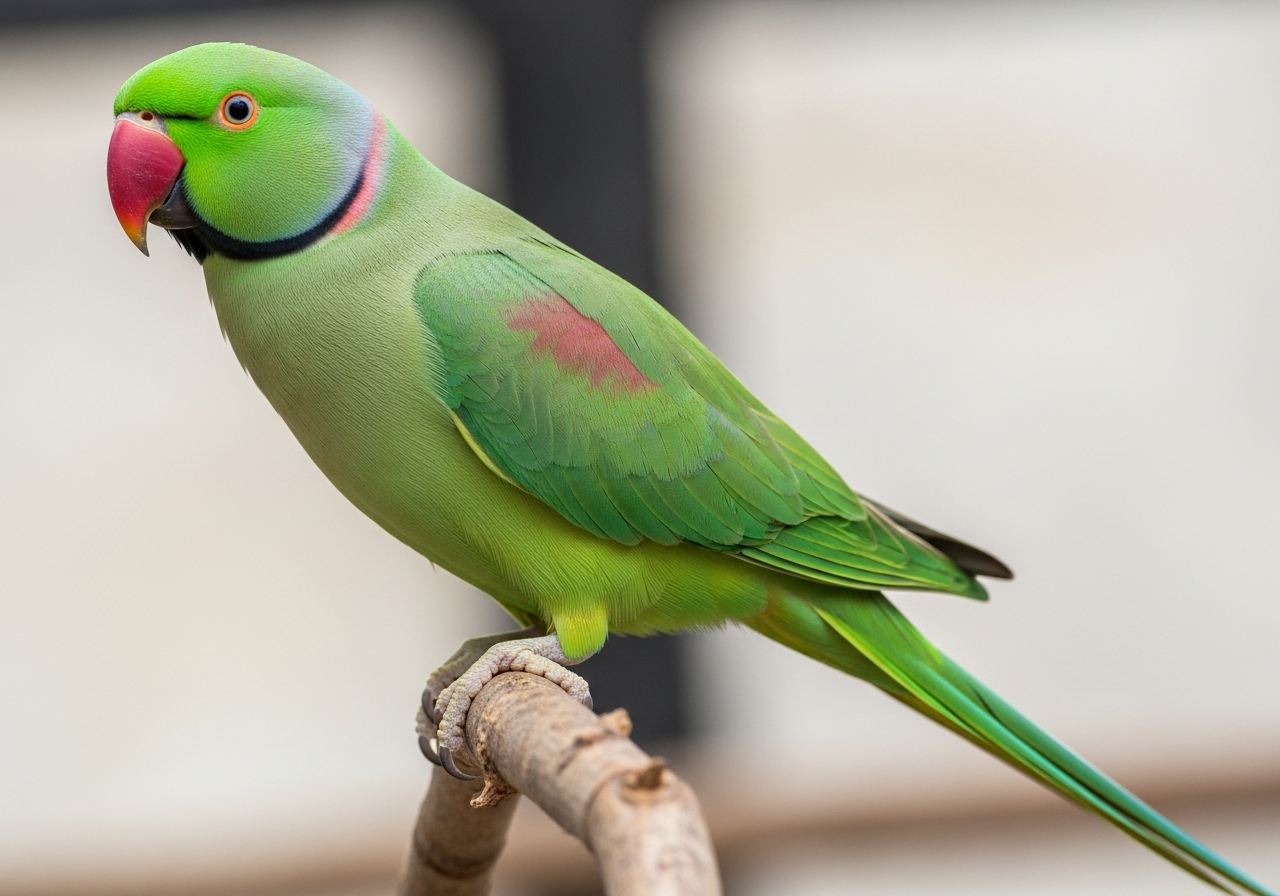
Indian Ringneck Parakeet
An elegant, long-tailed parakeet known for clear speech, the Indian ringneck is striking and intelligent but needs consistent handling to stay tame.
- Origin
- Asia and Africa
- Size
- Medium (about 40 cm including tail)
- Temperament
- Intelligent, talkative, independent
-
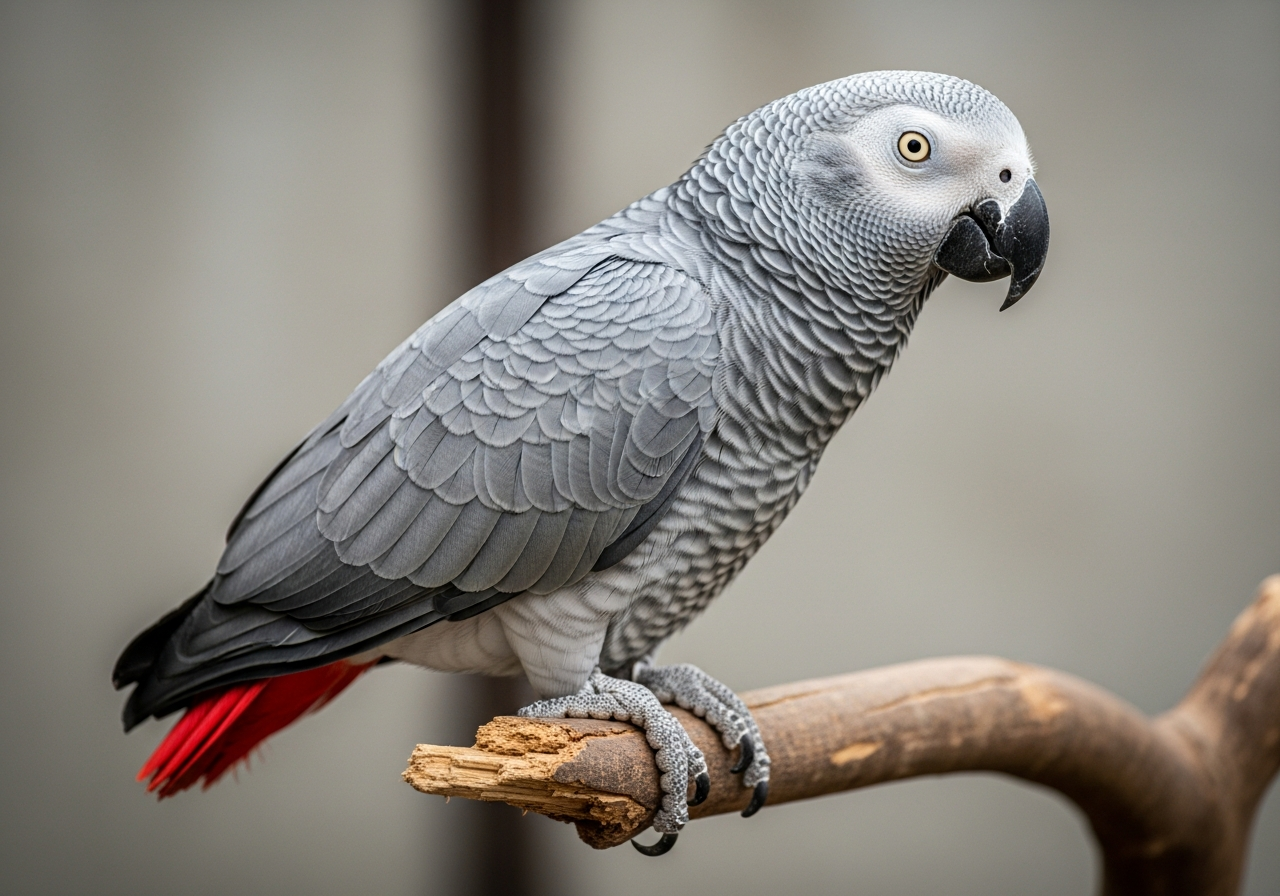
African Grey Parrot
Widely regarded as one of the most intelligent parrots, the African grey is a remarkable talker and problem-solver that needs an experienced, devoted owner.
- Origin
- Central and West Africa
- Size
- Large (about 33 cm)
- Temperament
- Highly intelligent, sensitive, talkative
-
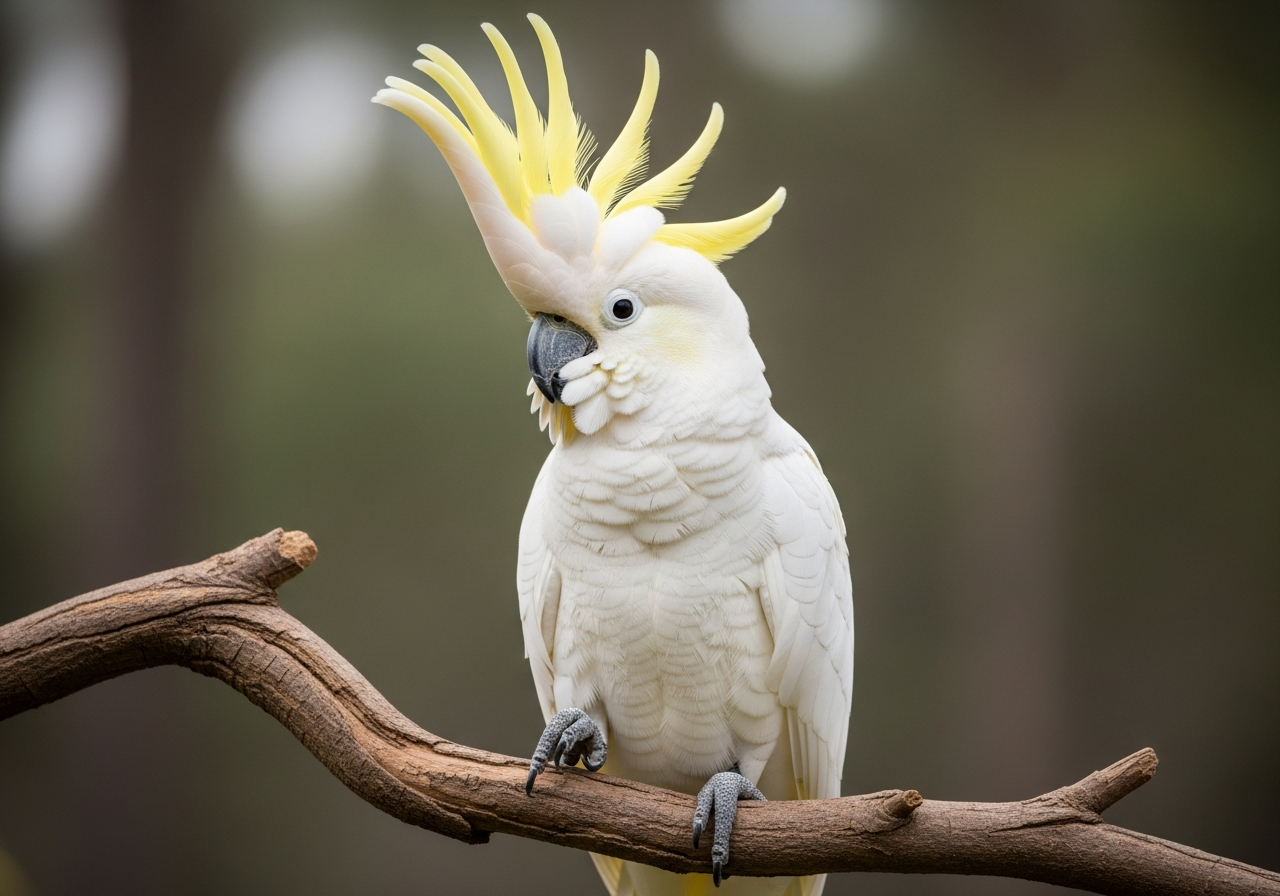
Cockatoo
Affectionate, dramatic, and loud, the cockatoo is a large crested parrot that bonds intensely with its owner and demands a great deal of time and space.
- Origin
- Australia, New Guinea, and nearby islands
- Size
- Large (about 30–50 cm depending on species)
- Temperament
- Affectionate, demanding, loud
How we rank: this top 10 blends breed-registry popularity with each breed's wider reputation among owners for temperament, looks, and companionship. It is a general guide for fun and discovery, not a strict statistical ranking — the best breed for you depends on your home and lifestyle.
Frequently asked questions
What is the most popular pet bird?
The budgerigar, often called the parakeet or budgie, is the most popular pet bird worldwide. It is small, affordable, social, and able to learn words, which makes it a favorite first bird for families.
What is the best pet bird for beginners?
Budgerigars and cockatiels are widely regarded as the best birds for beginners because they are gentle, hardy, and relatively easy to tame. Both bond closely with patient owners and adapt well to family life.
How were these pet bird breeds ranked?
This top 10 blends how commonly each species is kept as a pet with its reputation for temperament, suitability for home life, and availability. Most entries are distinct species rather than registered breeds, so this is a general guide rather than a strict scientific ranking.