Common species at a glance
| Species | Key marks | Habitat | Notes | |
|---|---|---|---|---|
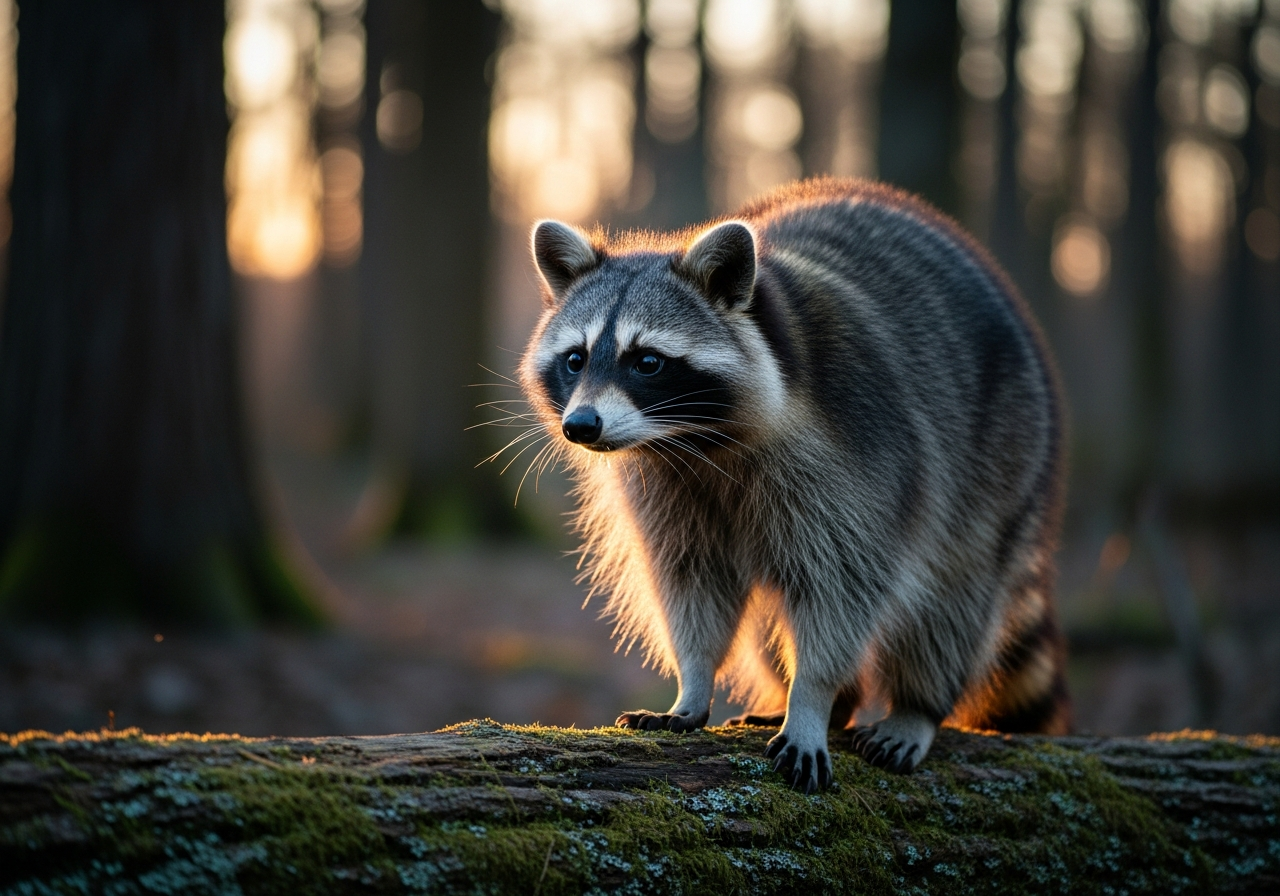 | Raccoon | Black face mask, grey body, ringed bushy tail | Towns, parks, riparian woods | Nocturnal omnivore; highly adaptable |
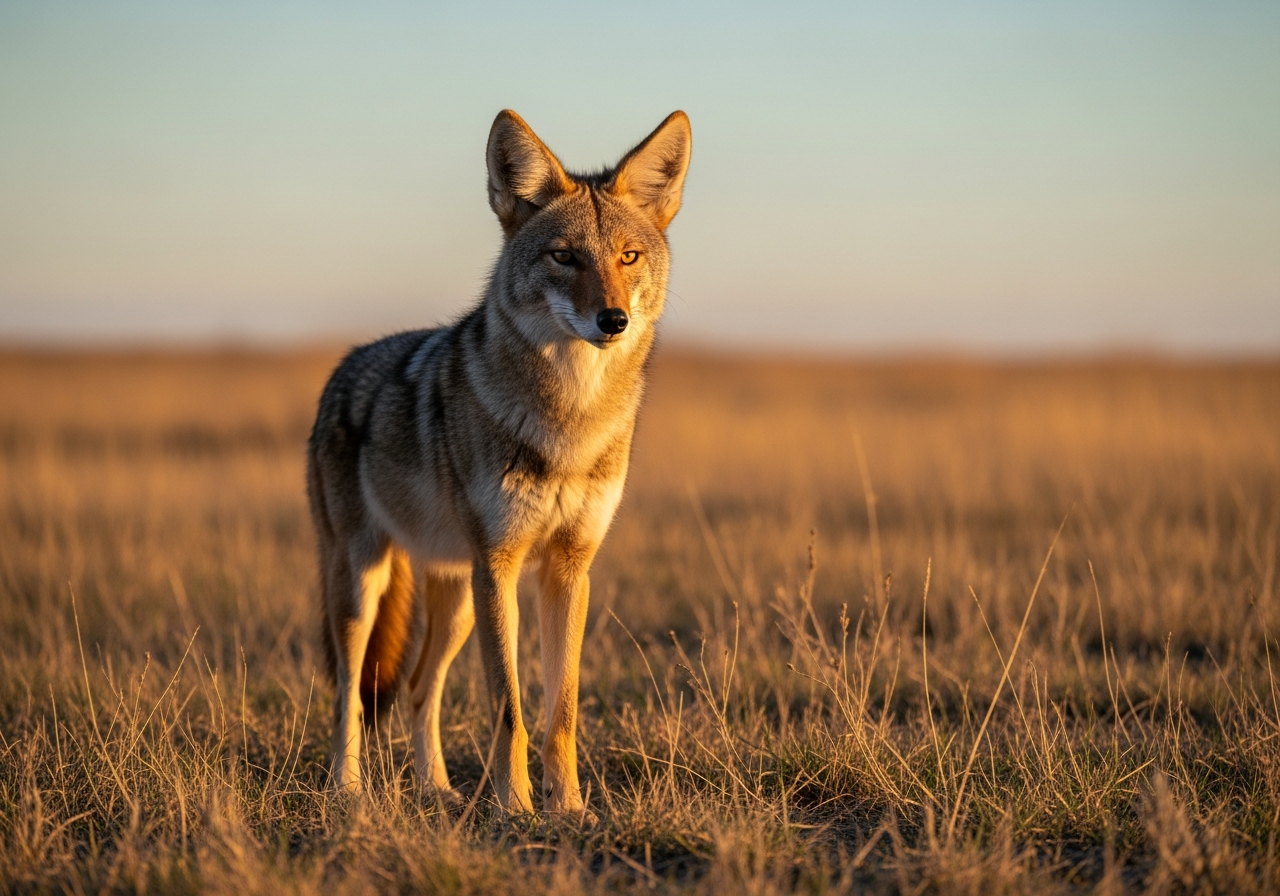 | Coyote | Grizzled grey-brown, pointed ears, bushy black-tipped tail held down when running | Farmland, suburbs, open country | Often heard at night; usually avoids people |
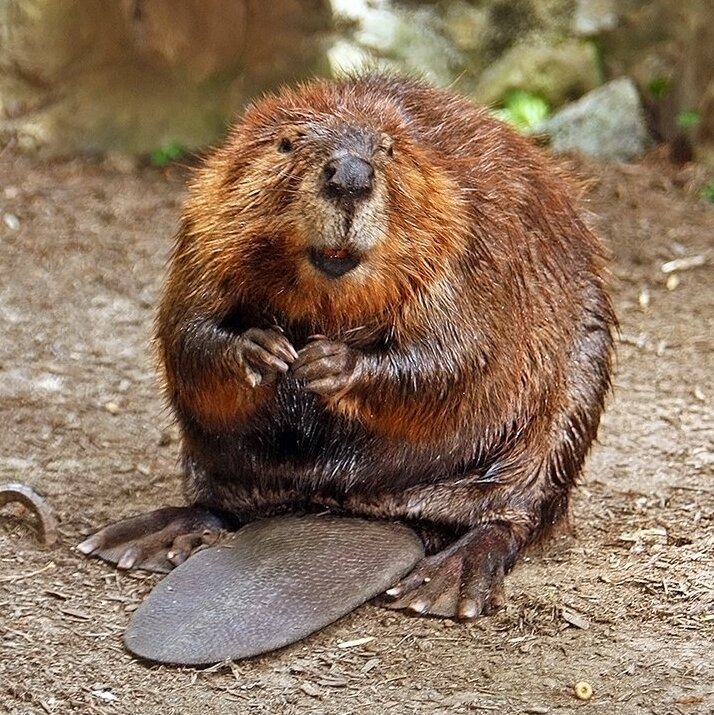 | Beaver | Large rodent, flat paddle tail, dark brown waterproof fur | Ponds, rivers, dams and lodges | Look for chewed trees and dams |
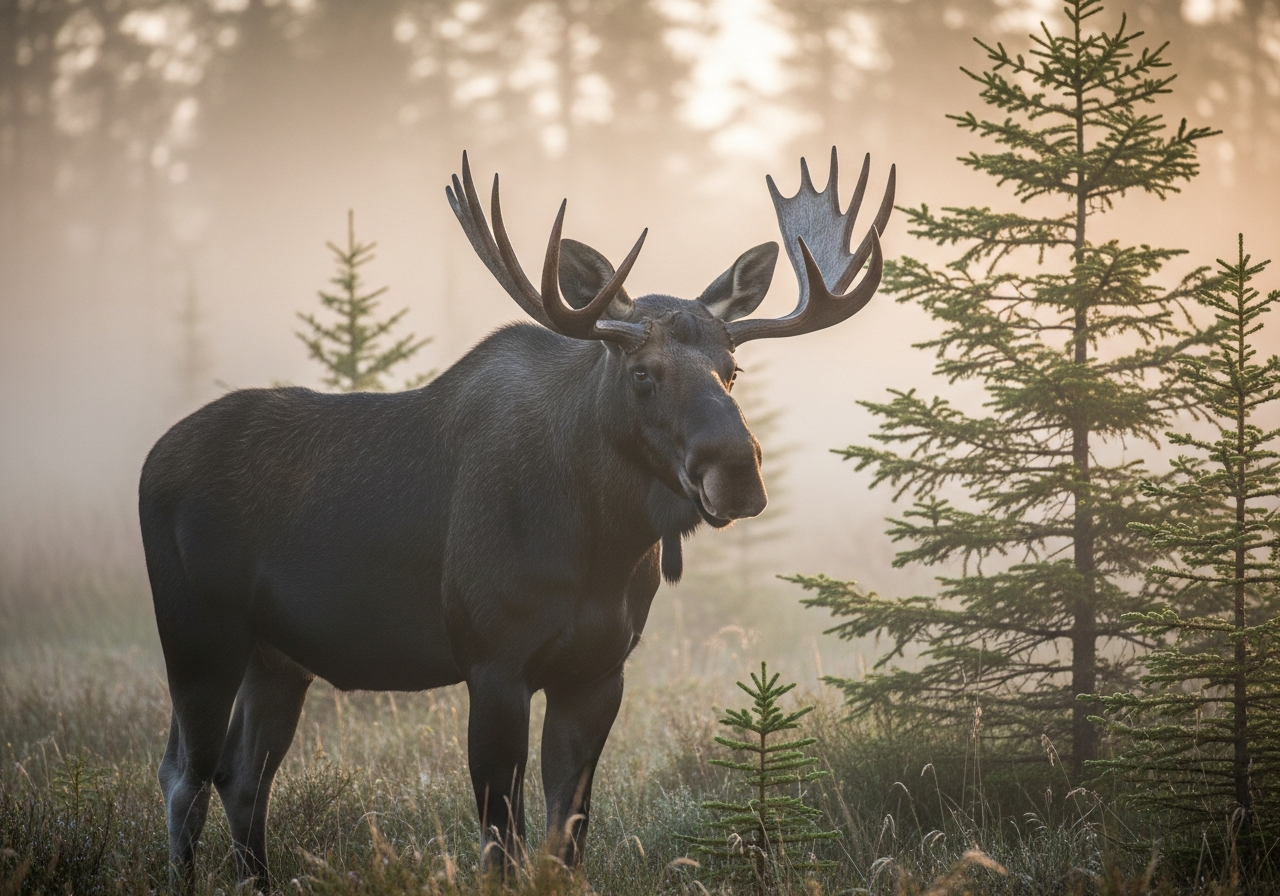 | Moose | Huge dark deer, overhanging snout, males grow palmate antlers | Boreal forest, wetlands, lakeshores | Give wide berth — especially cows with calves |
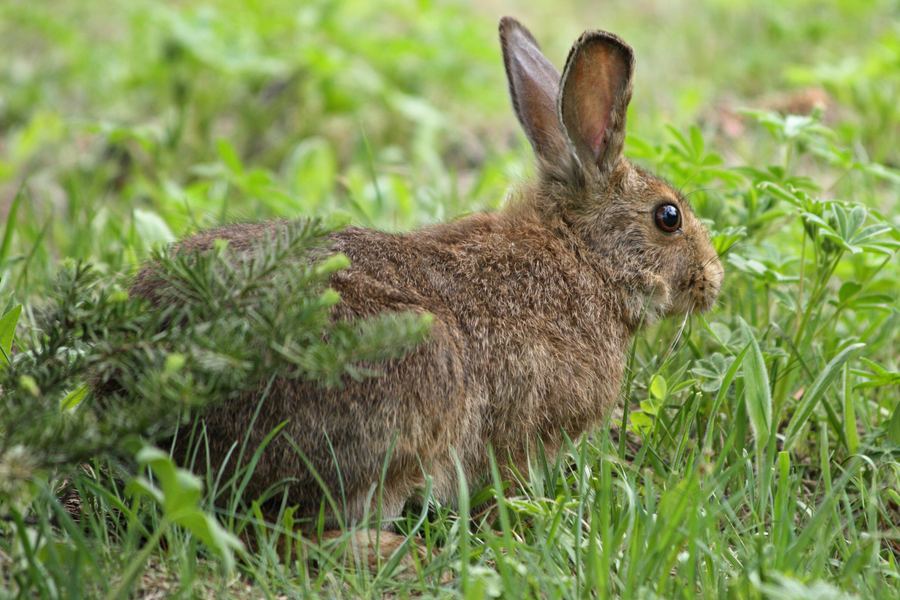 | Snowshoe Hare | Large hind feet; brown in summer, white in winter in many regions | Boreal and mixed forest understorey | Active at dawn and dusk |
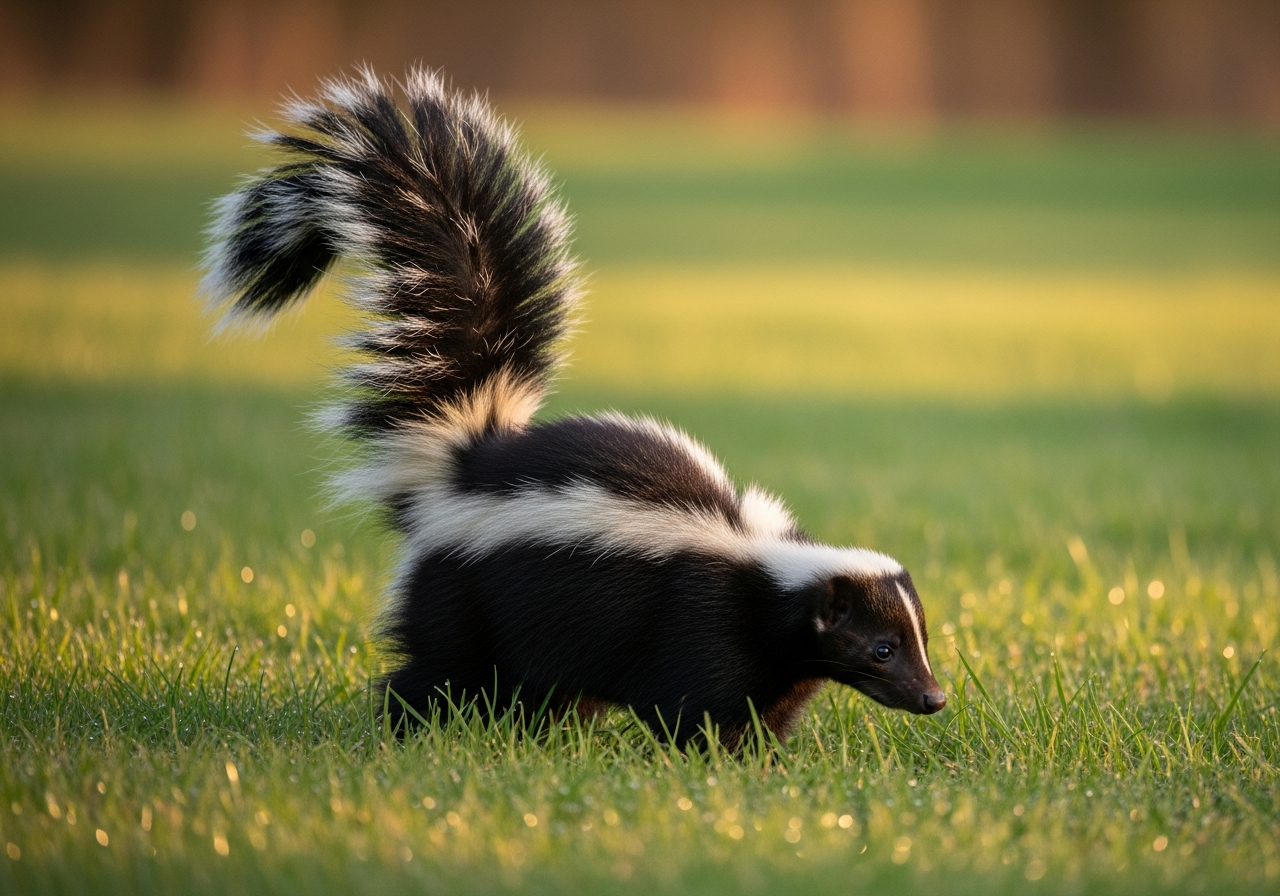 | Striped Skunk | Black with white stripes or V on back; bushy tail | Farm edges, suburbs, woodland | Warns before spraying — give space |
How to identify common Canadian mammals
- 1
Estimate size. Compare to a house cat, medium dog, or deer. Raccoons are cat-sized; coyotes are medium-dog-sized; moose are horse-tall.
- 2
Check face mask and tail. Raccoons have a black mask and ringed tail; skunks have bold white stripes; squirrels have a long bushy tail.
- 3
Note time and place. Beavers need water; moose favour wetlands and boreal forest; coyotes use edges of towns and farmland.
- 4
Listen. Coyotes yip-howl at night; squirrels chatter; beavers slap the water with their tails when alarmed.
- 5
Keep distance from large mammals. Never approach moose, bears, or deer with young. Back away slowly if a large mammal seems agitated.
Frequently asked questions
What mammal am I most likely to see in a Canadian suburb?
Raccoons, squirrels, and skunks are common near homes. Coyotes are increasingly seen at greenbelt edges. Secure garbage and never feed wildlife.
How do I tell a coyote from a wolf?
Coyotes are smaller, with a narrower muzzle and relatively larger ears. Wolves are rare near most towns and have a heavier build and broader head.
Are moose dangerous?
Moose can charge if surprised or if protecting a calf. Keep at least 30 metres away, keep dogs leashed, and never block an escape route.
What should I do if I see a skunk?
Stay still or back away slowly. Skunks spray when cornered. Do not let pets chase them.
Sources & references
Vocalisations and field signs are compiled from established mammal guides and acoustic research for Canada.
-
RSPB wildlife guides
UK and international bird identification.
-
Cornell Lab — All About Birds
Photos, calls, and ID tips for North American species.
-
iNaturalist
Community-verified species observations worldwide.
- Global Animal Guide editorial standards