Quick answer
The vaquita, a small porpoise in Mexico's Gulf of California, is the world's rarest marine mammal, with only around 7–10 left as of the most recent survey. Other candidates for "rarest animal" include the northern white rhino (just 2 individuals, both female — functionally extinct as a species), the Javan rhino (~76), and the Amur leopard (~100+). Encouragingly, vaquita calves were observed in recent surveys, suggesting the surviving animals are still breeding.
Among the rarest animals alive
| Animal | Approx. remaining | Main threat | Status | |
|---|---|---|---|---|
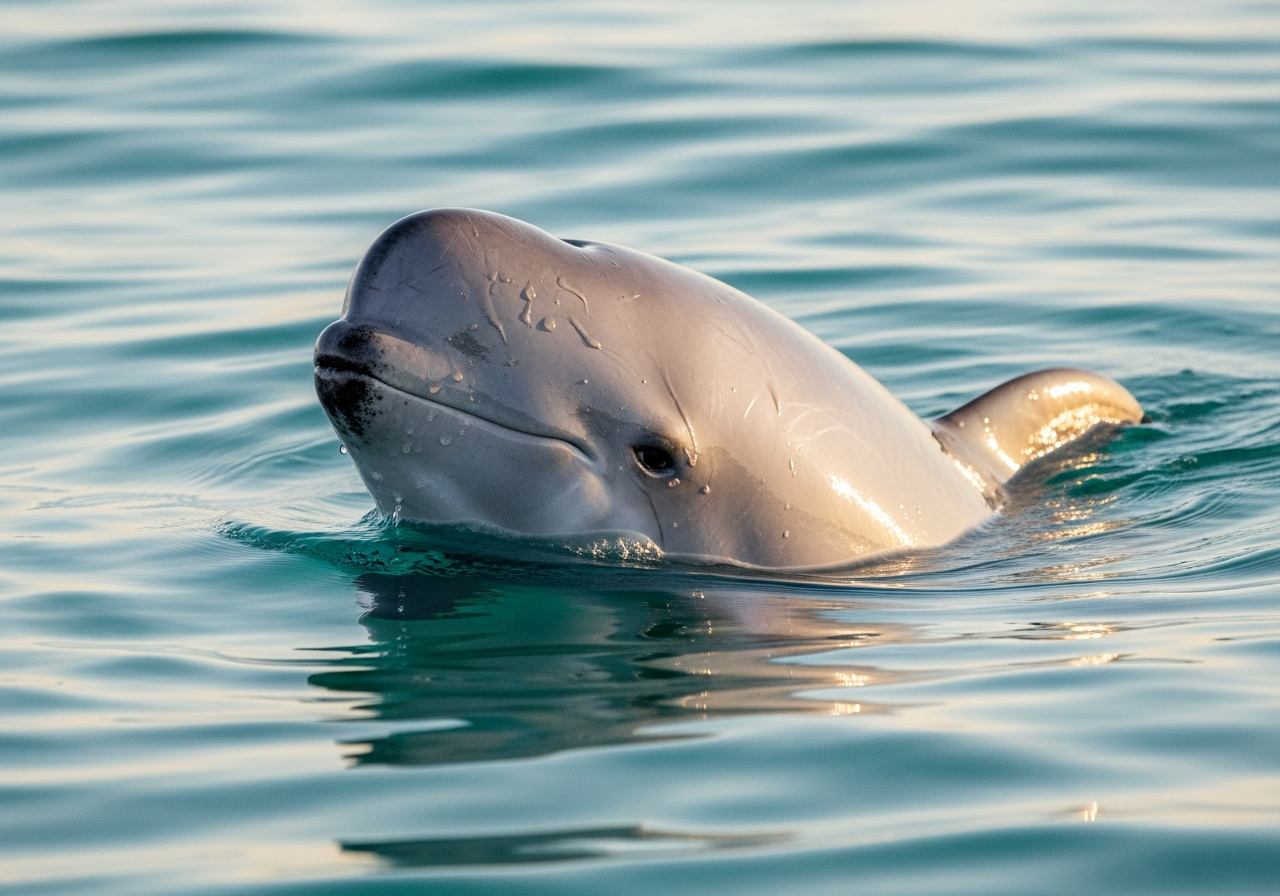 | Vaquita | ~7–10 | Illegal gillnet fishing (bycatch for totoaba) | Critically Endangered |
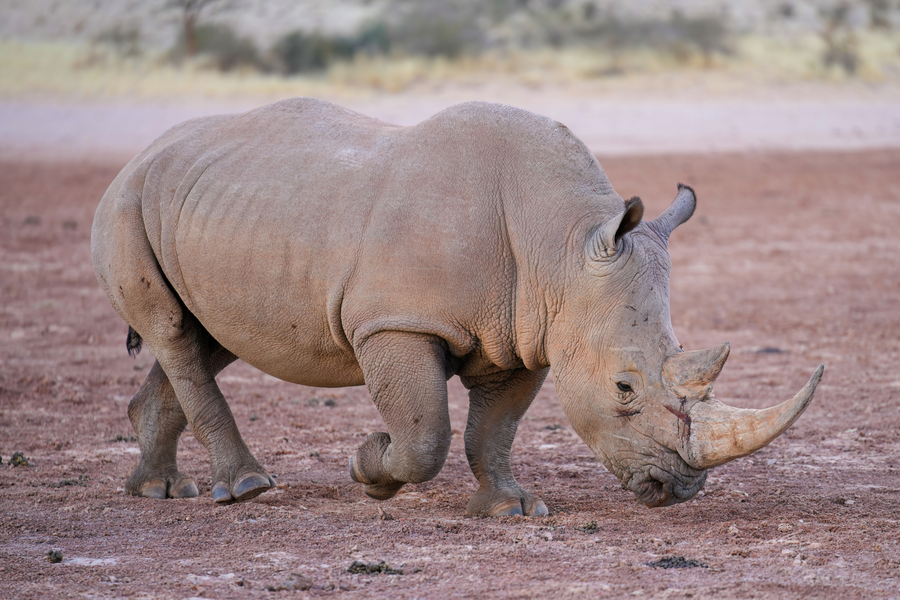 | Northern white rhino | 2 (both female) | Poaching; functionally extinct as a species | Critically Endangered |
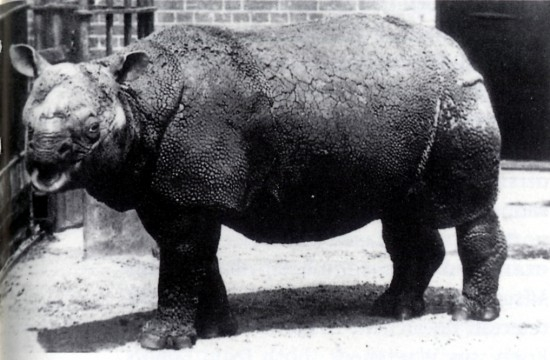 | Javan rhino | ~76 | Habitat loss, disease, confined single population | Critically Endangered |
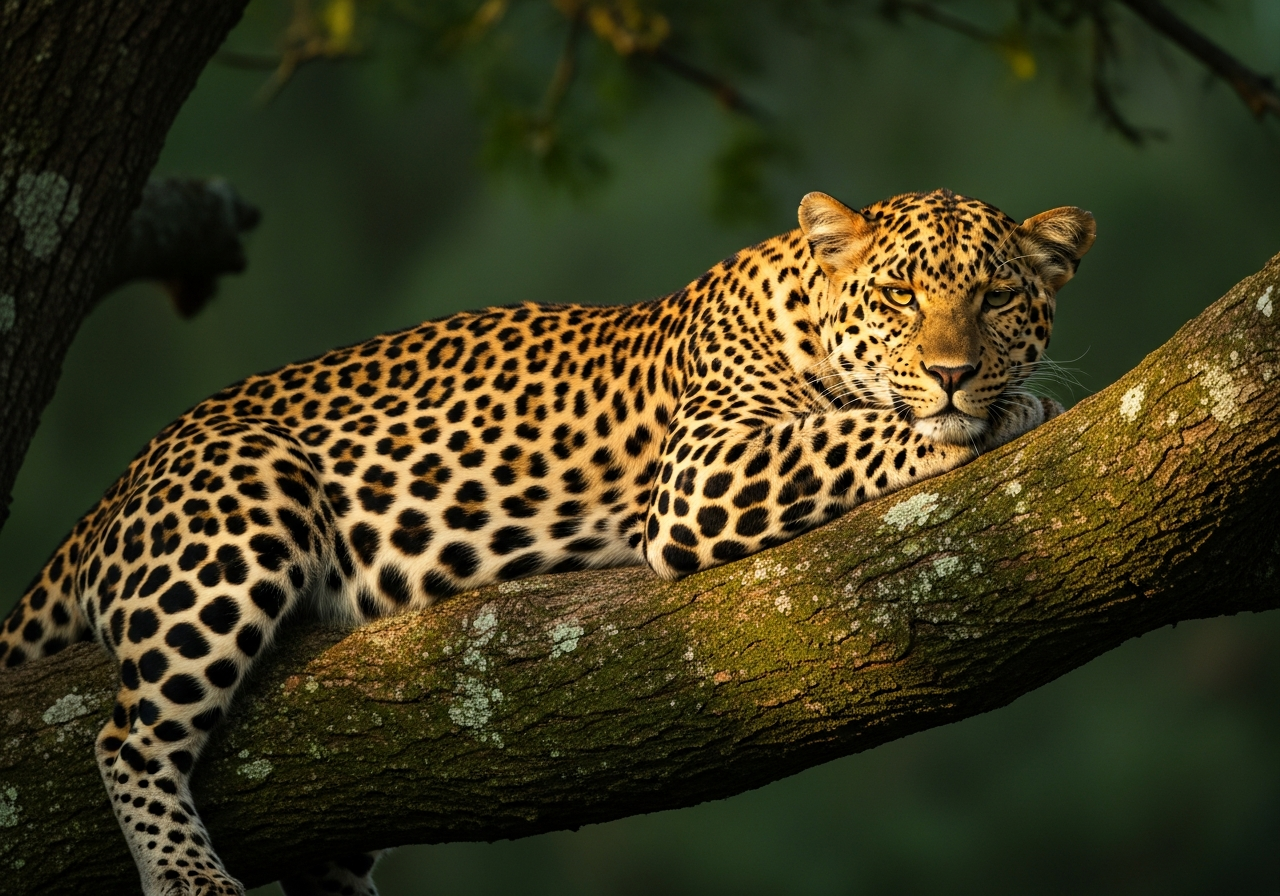 | Amur leopard | ~100+ | Poaching, habitat fragmentation | Critically Endangered |
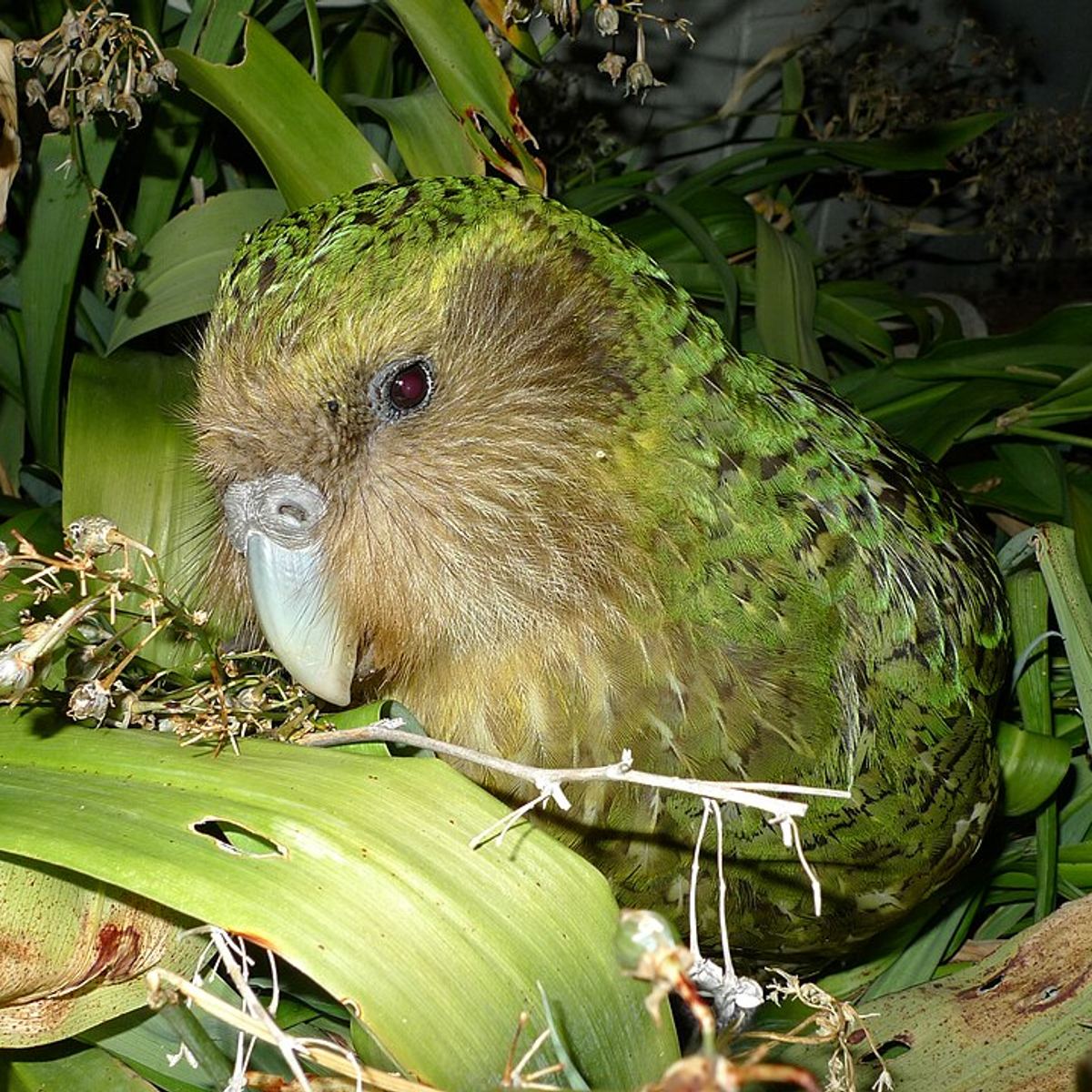 | Kakapo | ~250 | Introduced mammalian predators in New Zealand | Critically Endangered |
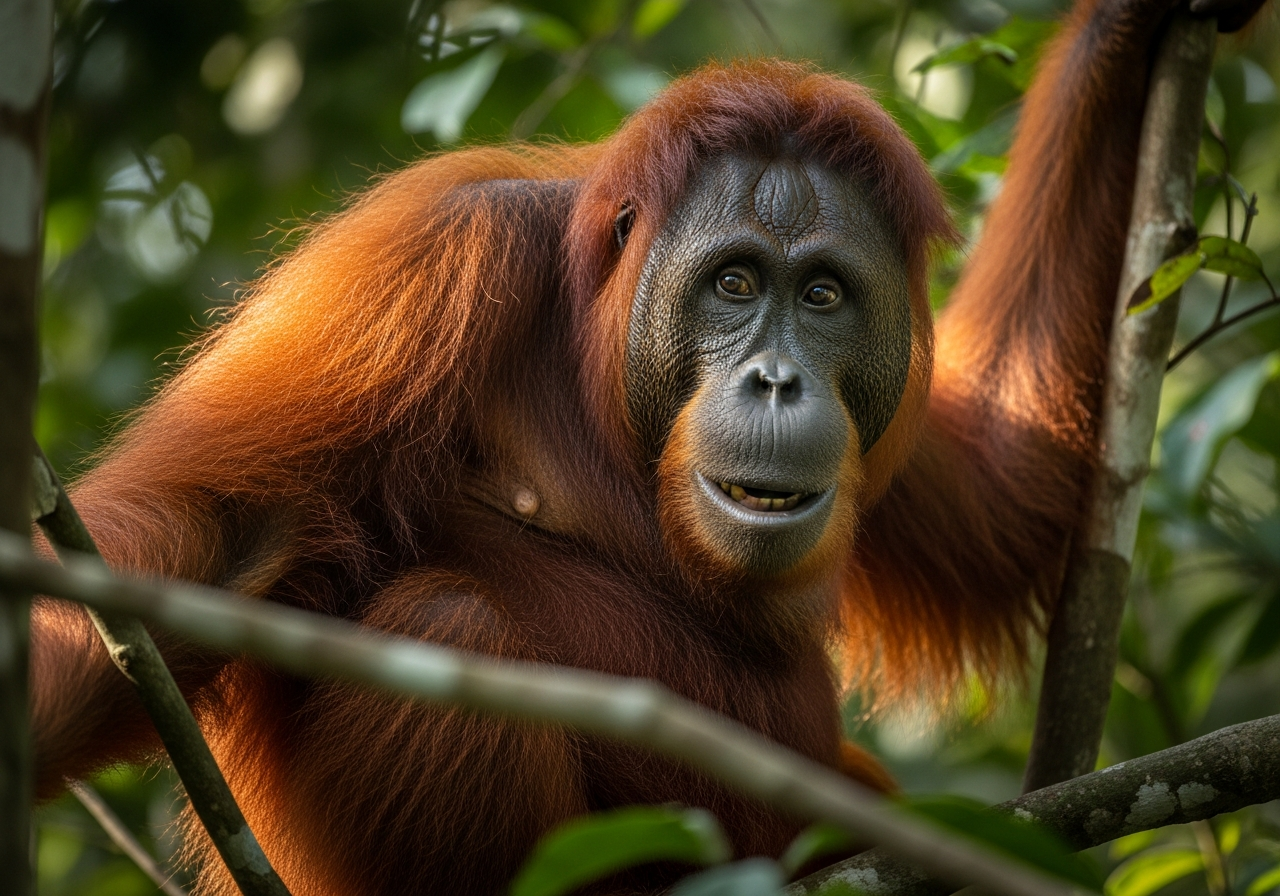 | Sumatran orangutan | ~13,000 | Deforestation, palm oil expansion | Critically Endangered |
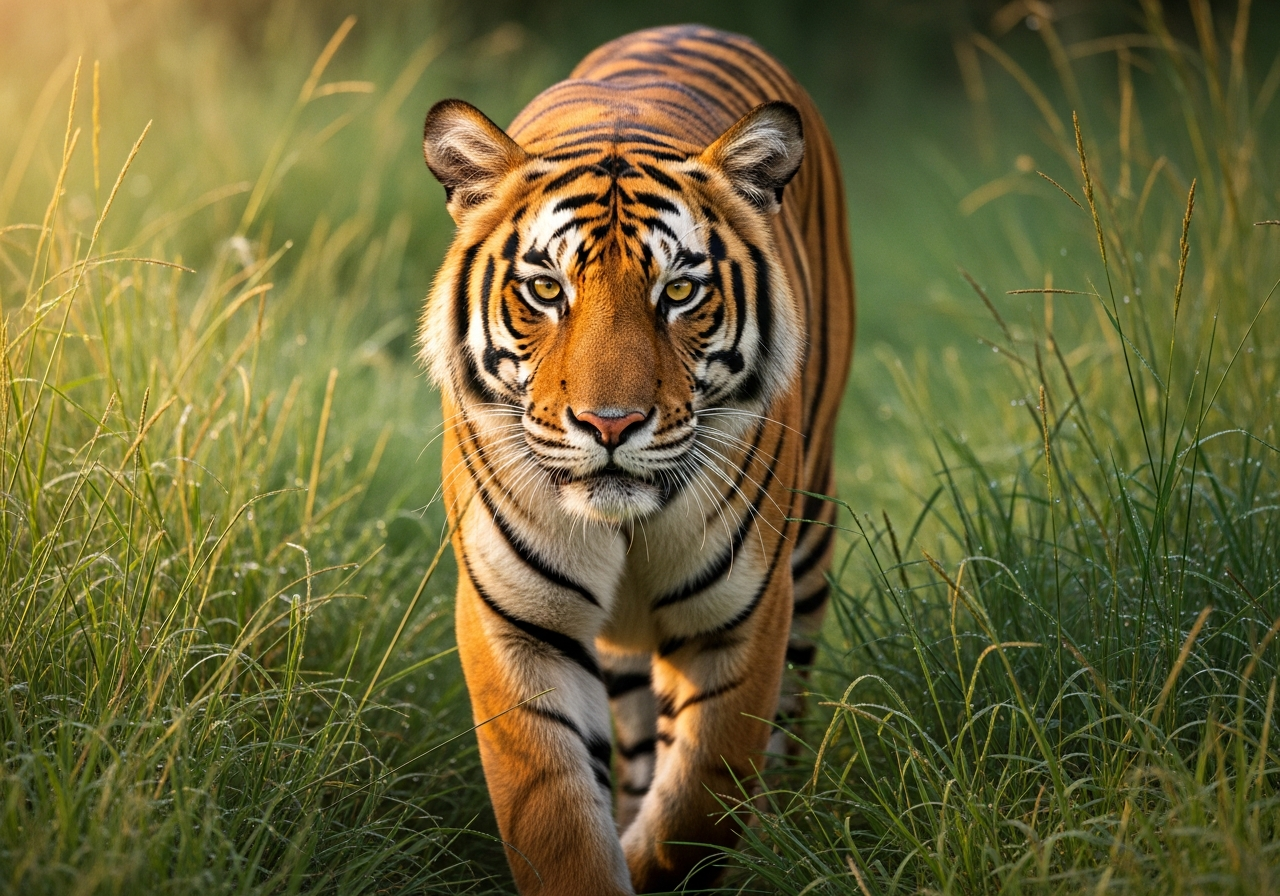 | Amur tiger (Siberian tiger) | ~500–600 | Habitat loss, poaching | Endangered |
The vaquita: a porpoise on the edge
The vaquita (Phocoena sinus) is the world's smallest cetacean and is found only in a tiny area of Mexico's upper Gulf of California. It was not even formally described as a species until 1958. Populations plummeted after the 1990s due to entanglement in gillnets set for totoaba — a large fish whose swim bladder is illegally traded to China for extremely high prices. By 2017 the population had fallen to fewer than 30. A 2024–2025 survey estimated 7–10 survivors.
The presence of calves in the survey is a cautiously hopeful sign. The vaquita's survival depends entirely on whether the gillnet ban in the upper Gulf can be enforced and whether illegal totoaba fishing can be eliminated before the remaining animals are lost.
The northern white rhino: a line held by two
The northern white rhinoceros is functionally extinct. The last male, Sudan, died at the Ol Pejeta Conservancy in Kenya in March 2018, leaving only his daughter Najin and granddaughter Fatu. Natural reproduction is impossible. However, a team of scientists has been collecting oocytes from the two females and fertilising them with frozen sperm from deceased males in a laboratory IVF programme. As of mid-2026, several embryos have been produced and cryopreserved. Whether the subspecies can be recovered through this programme remains uncertain.
Rarest animals: FAQs
What is the rarest animal in the world?
By known surviving population, the vaquita — a small porpoise native to Mexico's Gulf of California — is generally considered the rarest animal in the world. Surveys in 2024–2025 estimated between 7 and 10 individuals remain, though encouragingly one or two calves were observed, suggesting the remaining animals are still breeding.
Is the northern white rhino extinct?
Functionally, yes. As of 2024, only two northern white rhinos remain: Najin and Fatu, both female, at the Ol Pejeta Conservancy in Kenya. Natural reproduction is impossible, as there are no living males. Scientists are pursuing an assisted reproduction programme using frozen genetic material, but the subspecies cannot recover through breeding in the wild.
Can the vaquita be saved?
Survival is possible if the primary threat — illegal gillnet fishing in the vaquita's tiny range — is permanently stopped. A 2024–2025 survey estimated 7–10 individuals, with calves present. The species has proven more resilient than feared, but any continued bycatch mortality could eliminate the remaining animals. The key intervention is enforcement of the gillnet ban in the upper Gulf of California.
What makes a species 'Critically Endangered'?
The IUCN Red List classifies a species as Critically Endangered if it faces an extremely high risk of extinction. Criteria include population reduction of 80% or more over 10 years or three generations, a total population below 250 mature individuals, or quantitative modelling indicating a 50%+ probability of extinction within 10 years. Critically Endangered is the last category before Extinct in the Wild.
What is the kakapo?
The kakapo is a large, flightless, nocturnal parrot found only in New Zealand, and the world's heaviest parrot. Critically Endangered after introduced predators (rats, stoats, cats) devastated wild populations, it has been the subject of one of New Zealand's most intensive species recovery programmes. All surviving kakapos — around 250 individuals — are on predator-free offshore islands and are individually named and managed.