Quick answer
By annual human deaths, the deadliest animal on Earth is the mosquito, killing an estimated 725,000 to 1,000,000 people a year, mostly through malaria. Humans are second (homicide), snakes third (~100,000), followed by disease-spreading creatures — not large predators. Sharks kill around 5 to 10 people per year worldwide. The lesson: lethality is about disease transmission and exposure, not size or ferocity.
Ranked: animals that kill the most humans
| Rank | Animal | Est. deaths/year | How | |
|---|---|---|---|---|
| 1 | 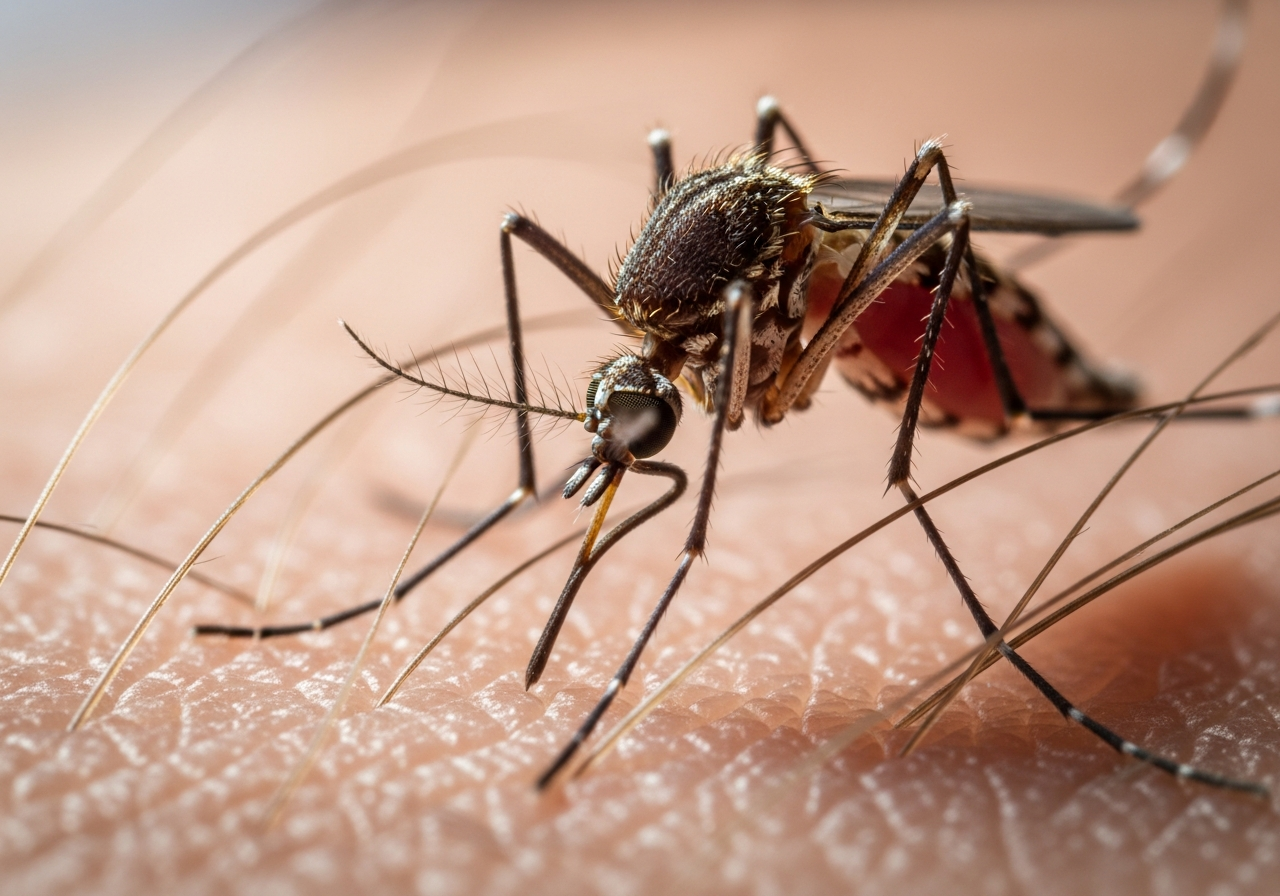 | Mosquito | 725,000–1,000,000 | Malaria, dengue, yellow fever, Zika |
| 2 | Humans (homicide) | ~400,000+ | Violence | |
| 3 | Snake | ~100,000 | Venomous bites | |
| 4 |  | Dog | 25,000–35,000 | Primarily rabies transmission |
| 5 | Freshwater snail | ~10,000–200,000* | Schistosomiasis (bilharzia) | |
| 6 | Assassin bug (kissing bug) | ~10,000 | Chagas disease | |
| 7 | Tsetse fly | ~10,000 | Sleeping sickness (trypanosomiasis) | |
| 8 | 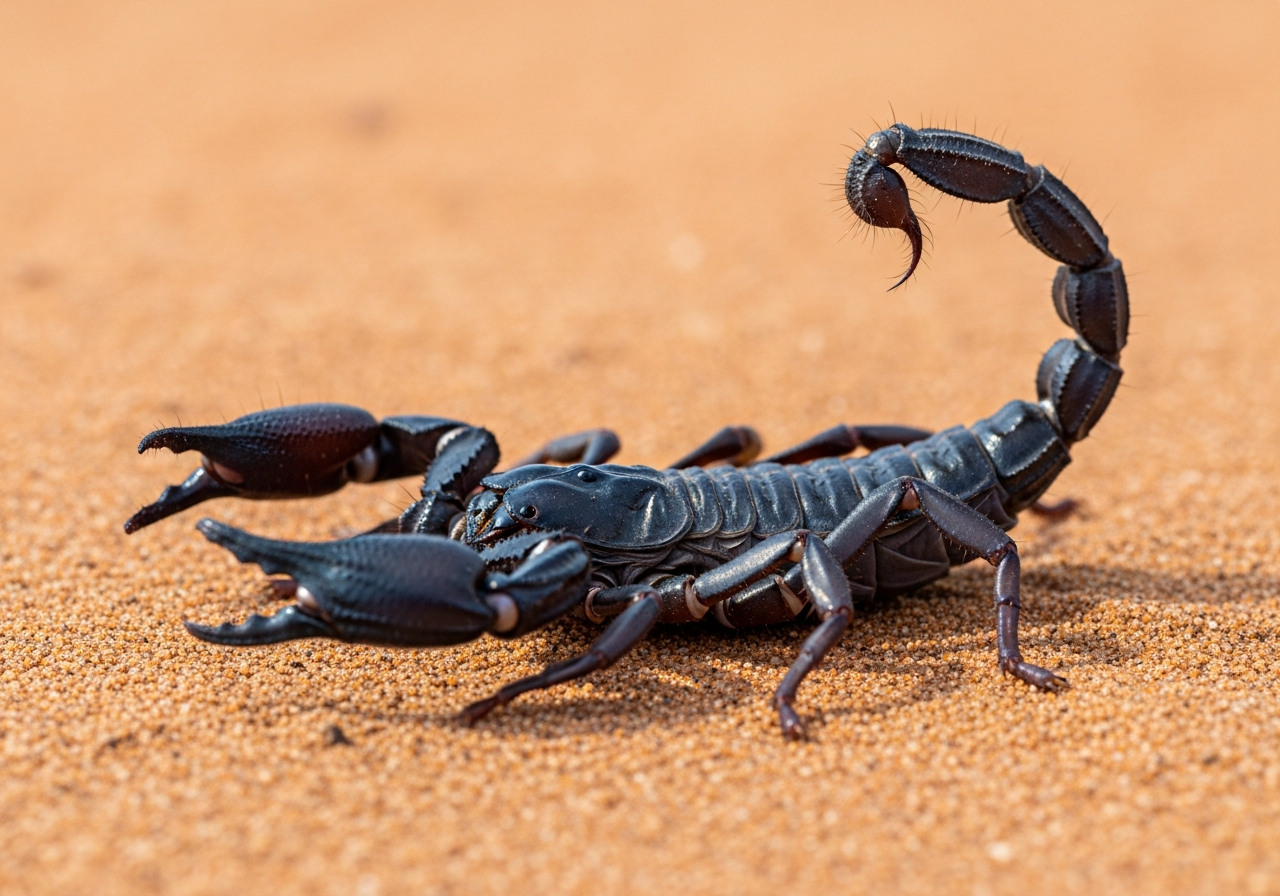 | Scorpion | ~2,600–3,250 | Venomous stings |
| 9 | 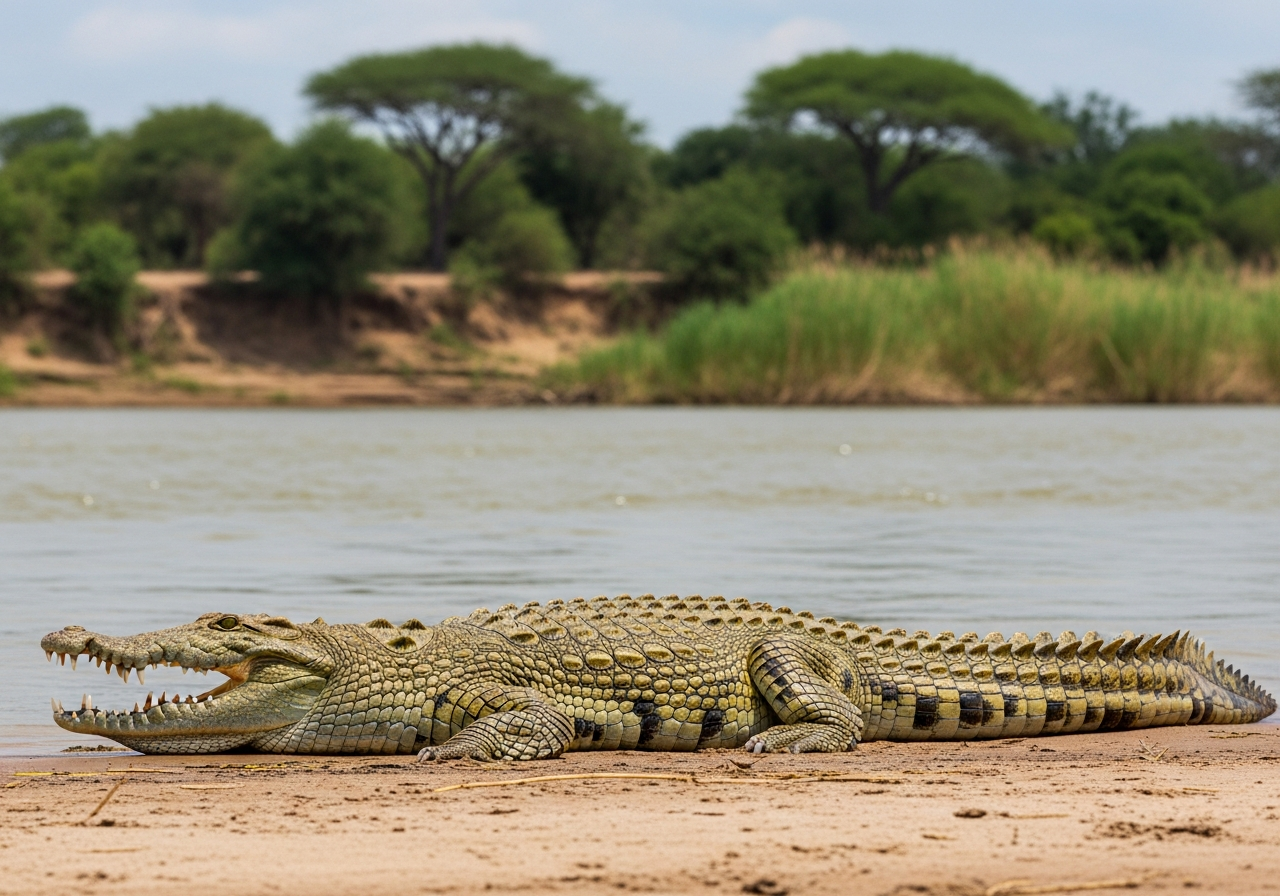 | Crocodile | ~1,000 | Direct attacks |
| 10 | 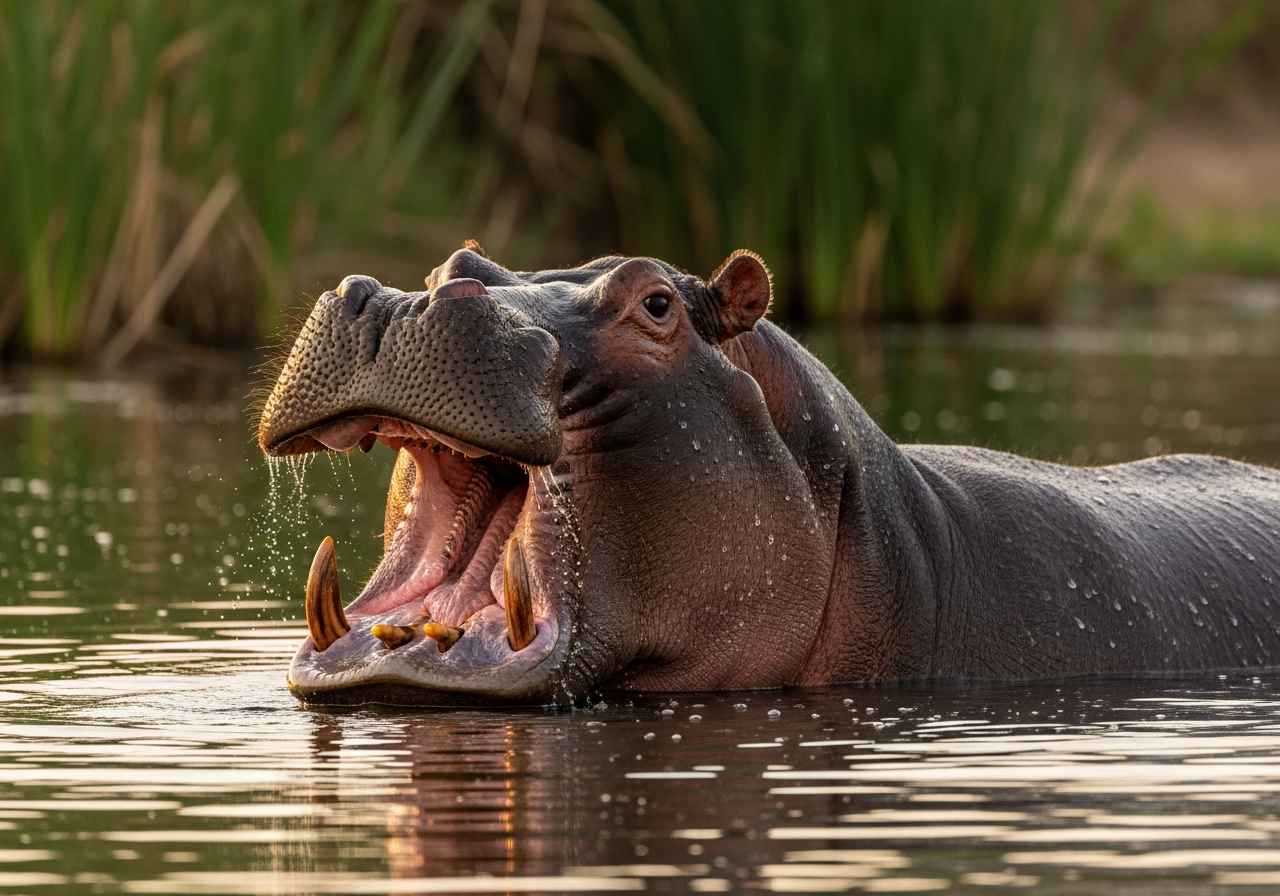 | Hippopotamus | ~500 | Direct attacks; deadliest large land animal in Africa |
* Freshwater snail estimates vary widely; schistosomiasis data is imprecise.
Why are small animals the deadliest?
The biggest killers spread disease rather than attacking directly. A mosquito's bite itself causes no more than a raised welt, but it injects a payload of malarial parasites, dengue virus, or other pathogens that kill the host days or weeks later. The vector — the mosquito — is doing the work for the parasite.
Sharks (around 6 fatal attacks per year globally), lions (a few dozen), and other "scary" animals barely register in the statistics. For large animal attacks, hippos (~500/year) and crocodiles (~1,000/year) cause more human deaths than any big cat, wolf, or bear — because they are encountered daily by large numbers of people in sub-Saharan Africa near water sources.
The mosquito: nature's most dangerous vector
Malaria alone kills around 600,000 people per year, predominantly children under five in sub-Saharan Africa — a number roughly equivalent to the entire population of a mid-sized European city, every single year. In addition to malaria, mosquitoes transmit dengue fever (infecting 100–400 million people annually), yellow fever, Zika virus, chikungunya, West Nile virus, and several forms of encephalitis.
The species most responsible for malaria deaths is Anopheles gambiae in Africa. The Aedes aegypti mosquito is the primary vector for dengue, Zika, yellow fever, and chikungunya. Combined, mosquitoes have probably killed more people throughout human history than any other cause — including wars.
Deadliest animals: FAQs
What animal kills the most humans per year?
The mosquito, by an enormous margin. Mosquitoes kill an estimated 725,000 to 1,000,000 people each year, mostly through malaria (which kills around 600,000 annually, predominantly children under five in sub-Saharan Africa), plus dengue, yellow fever, and Zika.
Are sharks among the deadliest animals to humans?
No. Worldwide, sharks cause roughly 5 to 10 fatal attacks per year on average. They are extraordinarily rare killers compared to the animals on this list. Statistically, you are far more likely to be killed by a cow, a dog, or a falling coconut than a shark.
Why are hippos so dangerous?
Hippos are aggressive, territorial, and enormous. They are highly protective of their water and will charge and bite boats and people without provocation. In sub-Saharan Africa, hippos kill more people than lions, leopards, or crocodiles — around 500 per year. Despite their herbivorous diet, they have enormous canine teeth capable of biting through a small boat.
Are all snakebite deaths from venomous species?
Virtually all fatal snakebites are from venomous species. The approximately 100,000 annual deaths are concentrated in South Asia (especially India), sub-Saharan Africa, and parts of Southeast Asia, where access to antivenom is often limited. The most deadly species by total deaths caused include the saw-scaled viper, Russell's viper, and the common krait.
Why is the freshwater snail on the list?
Freshwater snails of the genus Biomphalaria and related species are intermediate hosts for the parasitic flatworm that causes schistosomiasis (bilharzia). The snails themselves don't attack anyone — the danger is that people wading or swimming in infested water are exposed to the larval parasites, which penetrate skin. Schistosomiasis affects around 200 million people worldwide and causes tens of thousands of deaths annually.