Quick track ID workflow
- Find the best substrate: Mud, wet sand, and snow hold detail far better than dry soil or hard paths. Look at the edge of puddles and snow melt lines.
- Count the toes: Dogs and foxes show four toes with claws; cats show four toes but claws usually retract and leave no mark; rabbits show five front toes.
- Measure the print: Compare width to your thumb — a cat track is roughly thumb-sized; a large dog exceeds your palm; deer hooves are pointed ovals.
- Check for claws and pads: Visible claw marks point to dog, fox, or coyote; absent claws suggest cat. Look for the triangular palm pad behind the toes.
- Follow the trail pattern: Deer leave paired hoof prints; rabbits hop with larger hind prints ahead of smaller front prints; bears walk flat-footed with five toes.
6 common mammal tracks
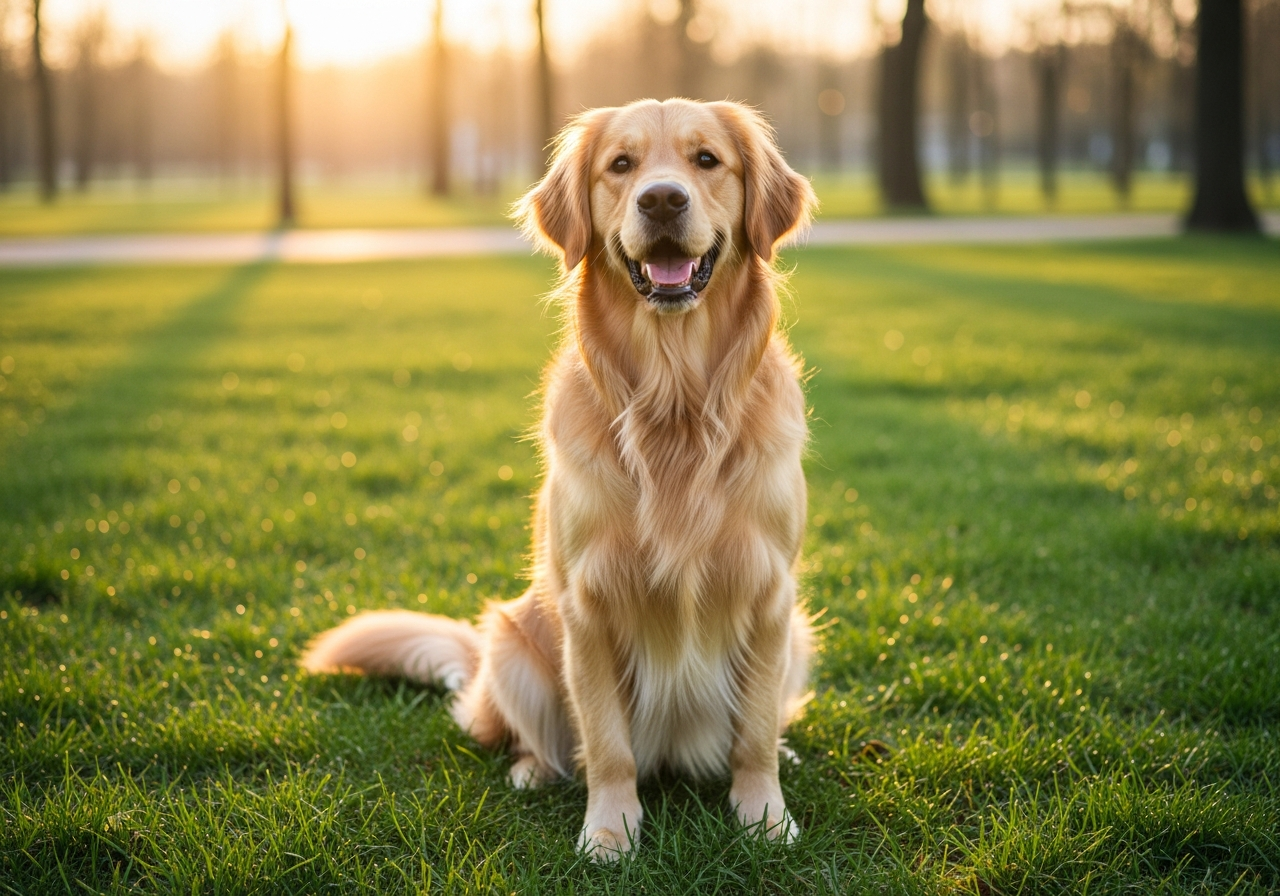
Dog
Canis familiaris- Shape
- Oval overall; four toes with visible claw marks; large triangular palm pad
- Size
- Small breeds ~3 cm wide; large breeds 6–8 cm or more
- Claws
- Claws almost always visible — blunt and spaced with the toes
- Gait
- Alternating walk or trot; prints often scattered on paths and lawns
- ID tip
- Claws, nail marks, and asymmetric toe spacing distinguish dogs from cats
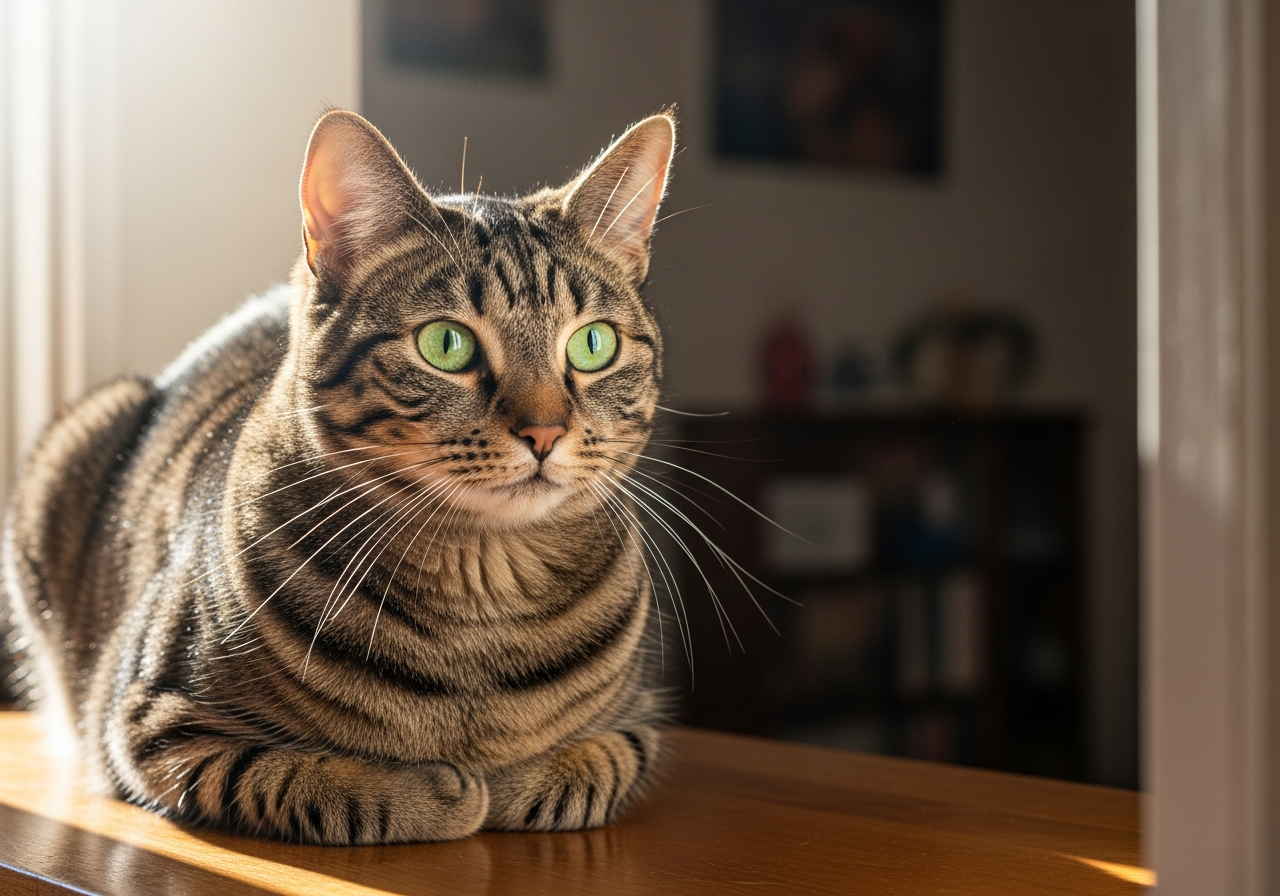
Cat
Felis catus and wild cats- Shape
- Round, compact; four toes with no claw marks in most prints
- Size
- Domestic cat ~3–4 cm wide; bobcat and lynx considerably larger
- Claws
- Claws retracted — prints appear clean and circular
- Gait
- Direct register walk — hind foot often lands on top of front print
- ID tip
- If it looks perfectly round with no claws, think cat first
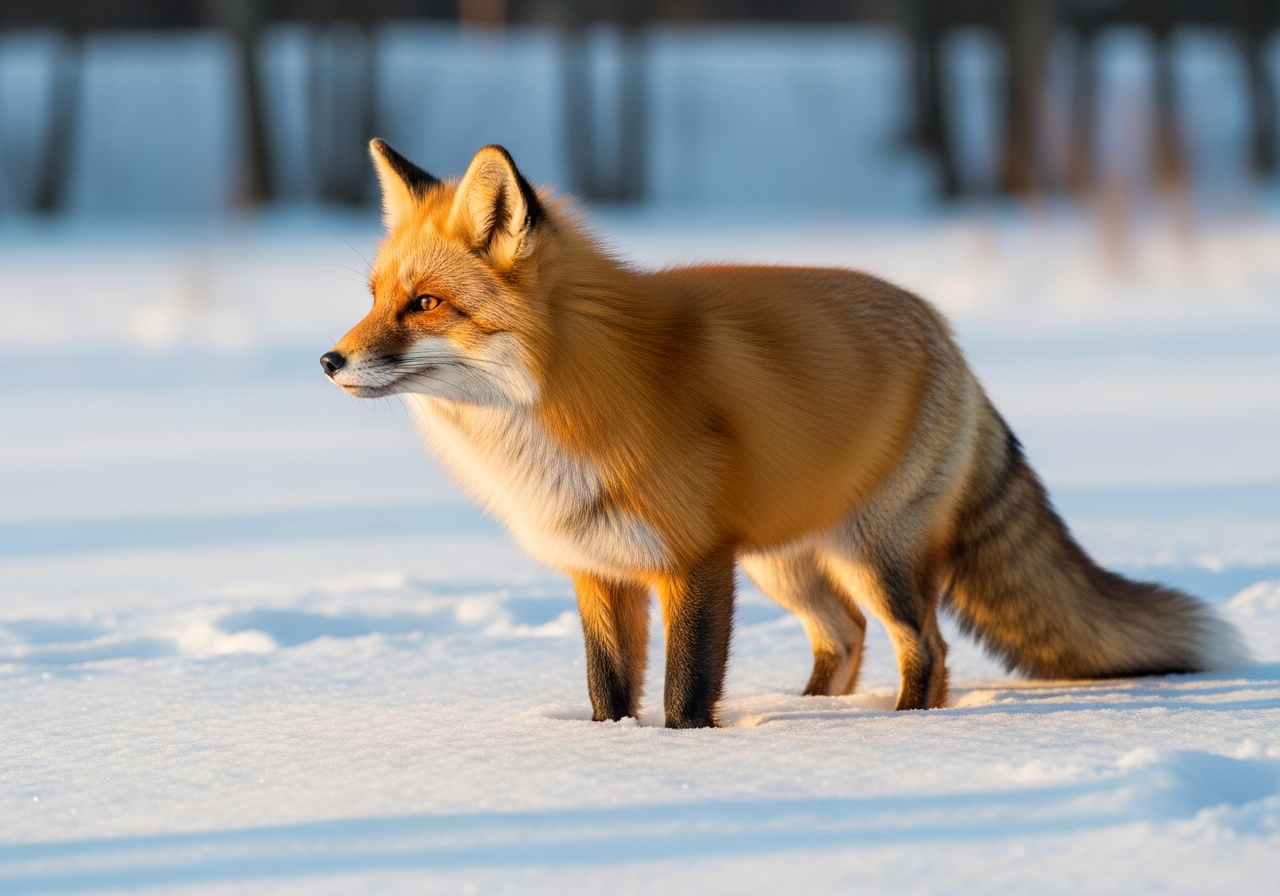
Fox
Vulpes vulpes / Vulpes vulpes fulva- Shape
- Diamond-shaped overall; four oval toes in a tight row; claws visible
- Size
- ~4–5 cm long — smaller and narrower than most dog prints
- Claws
- Fine claw marks at the tip of each toe
- Gait
- Light direct register trot in straight lines — efficient and neat
- ID tip
- Fox prints are dainty and diamond-shaped; dog prints are bulkier and rounder
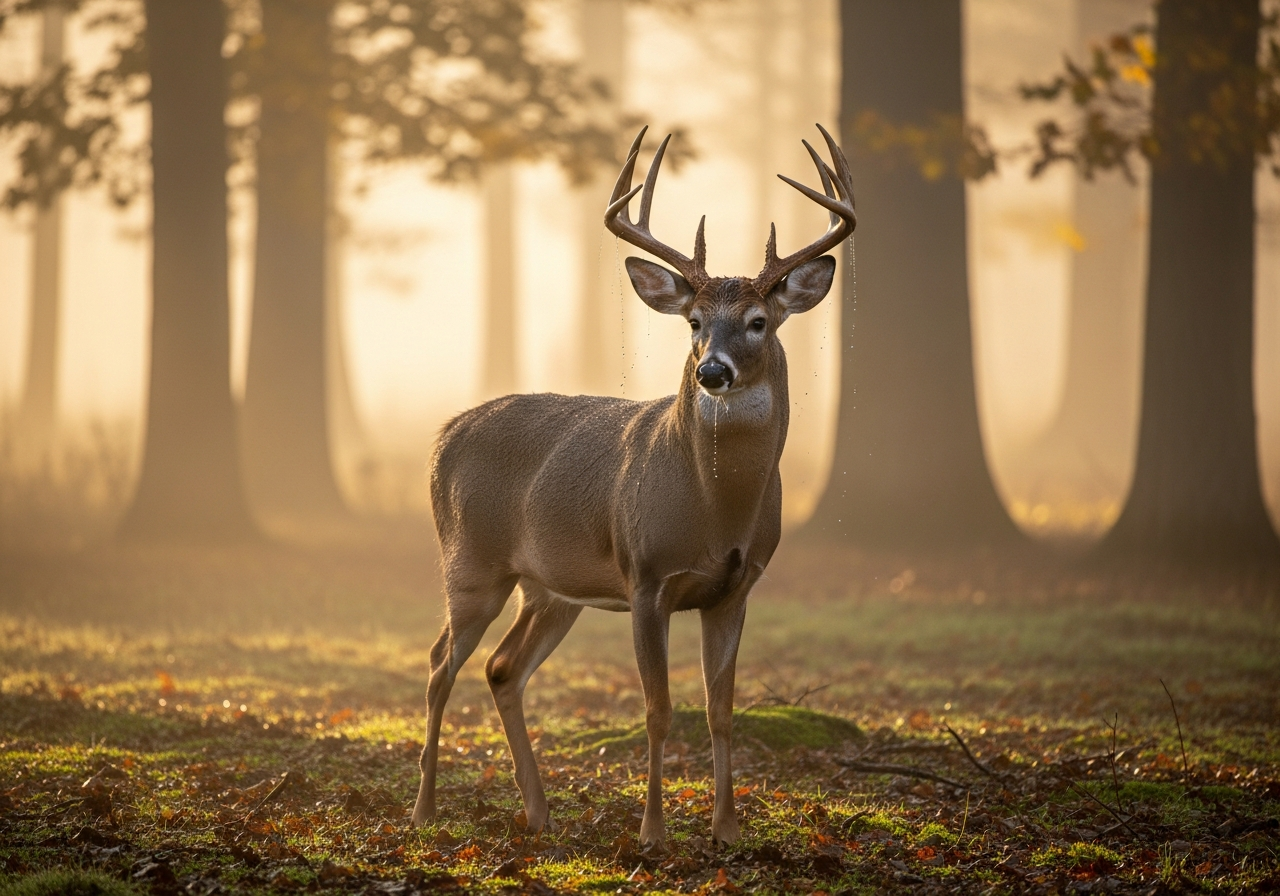
White-tailed Deer
Odocoileus virginianus- Shape
- Split hoof — two pointed teardrop halves forming a heart or cloven oval
- Size
- Adult ~5–7 cm long; fawns much smaller
- Claws
- No toe claws visible in normal walking prints — just the hoof halves
- Gait
- Alternating pairs; dewclaws may show as small dots behind the hoof in soft mud or snow
- ID tip
- Heart-shaped cloven prints in a line through woodland — almost always deer

Rabbit
Sylvilagus and Oryctolagus- Shape
- Front: small round prints with five toes; hind: long oblong prints with four toes
- Size
- Hind prints ~5–8 cm; front prints much smaller
- Claws
- Claws usually visible on all toes
- Gait
- Hop pattern — large hind prints ahead, smaller front prints behind and offset
- ID tip
- The classic Y-shape of a rabbit hop is unmistakable in snow
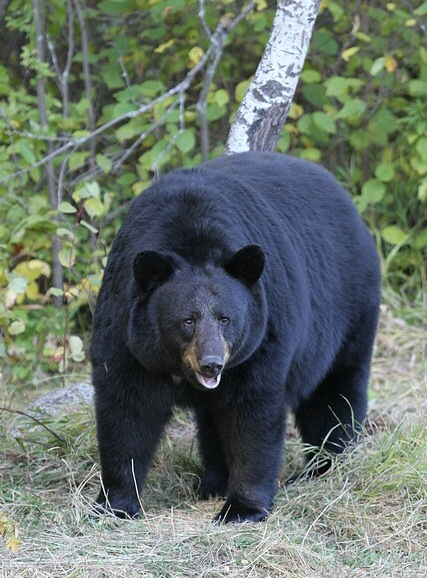
Black Bear
Ursus americanus- Shape
- Flat-footed plantigrade print; five toes on front and hind feet
- Size
- Front ~10–13 cm wide; hind slightly longer
- Claws
- Long curved claw marks on all toes — especially prominent on front feet
- Gait
- Pigeon-toed walk; front and hind may overlap; often follows trails and riverbanks
- ID tip
- Five toes plus long claws on a flat foot — bear, not a large dog
Easy confusions — sorted
- Dog vs coyote: Coyote prints are narrower and more oval with less spread between toes; front toes often align asymmetrically.
- Cat vs small dog: Cats are rounder with no claw marks; small dogs show claws and a more oval overall shape.
- Deer vs sheep or goat: Sheep and goat hooves are more blocky and less pointed; deer prints are sharper and more heart-shaped.
- Bear vs human: Bear front prints show five toes with long claws; human barefoot prints have five toes without claws and a distinct arch.
Track finding tips
Walk the edges of ponds, streams, and field margins after rain or overnight frost. In snow, look where animals cross fences or squeeze under gates — these pinch points concentrate trails. Photograph tracks with a coin or ruler beside them for scale, and note the habitat. Over time you will learn which species use your local paths regularly.
Animal track ID: FAQs
How can I tell a dog track from a fox track?
Fox prints are smaller, narrower, and more diamond-shaped with oval toes in a tight row. Dog prints are rounder and bulkier with blunt claw marks and more spread toes. Fox trails tend to run in straight, efficient lines; dogs wander and scatter.
How do I know if a track is from a cat?
Cat tracks are round and compact with no visible claw marks because cats retract their claws when walking. The palm pad is large relative to the toes. If the print looks neat, circular, and clawless, it is likely a cat — domestic or wild.
What do deer tracks look like?
Deer leave split hoof prints — two pointed halves forming a heart or cloven oval shape. Adult white-tailed deer prints are roughly 5–7 cm long. They walk in alternating pairs, often along woodland edges and field margins.
Why do rabbit tracks look backwards?
Rabbits hop with their large hind feet landing ahead of their smaller front feet, so the bigger prints appear in front — the opposite of how the animal actually faces. In snow this creates a distinctive Y-shaped pattern.
What is the best surface for finding tracks?
Fresh mud at pond edges, wet sand after tide or rain, and snow after a light fall all capture fine detail. Dry hard ground rarely shows claw marks or toe count. Visit within a few hours of rain or snowfall for the clearest prints.
Sources & references
Identification marks and calls are compiled from established field guides and ornithological references for temperate regions worldwide.
-
RSPB wildlife guides
UK and international bird identification.
-
Cornell Lab — All About Birds
Photos, calls, and ID tips for North American species.
-
iNaturalist
Community-verified species observations worldwide.
- Global Animal Guide editorial standards