Quick answer
The smallest animals in our guide are all insects. A flea weighs about 0.5 mg — you would need roughly 2,000 of them to make a single gram — and a mosquito about 2.5 mg. Even the "heaviest" entries on this list, the honey bee and wasp, weigh only around 100 mg (0.1 g).
Ranked by weight
| Rank | Animal | Weight | Class | Conservation status | |
|---|---|---|---|---|---|
| 1 | 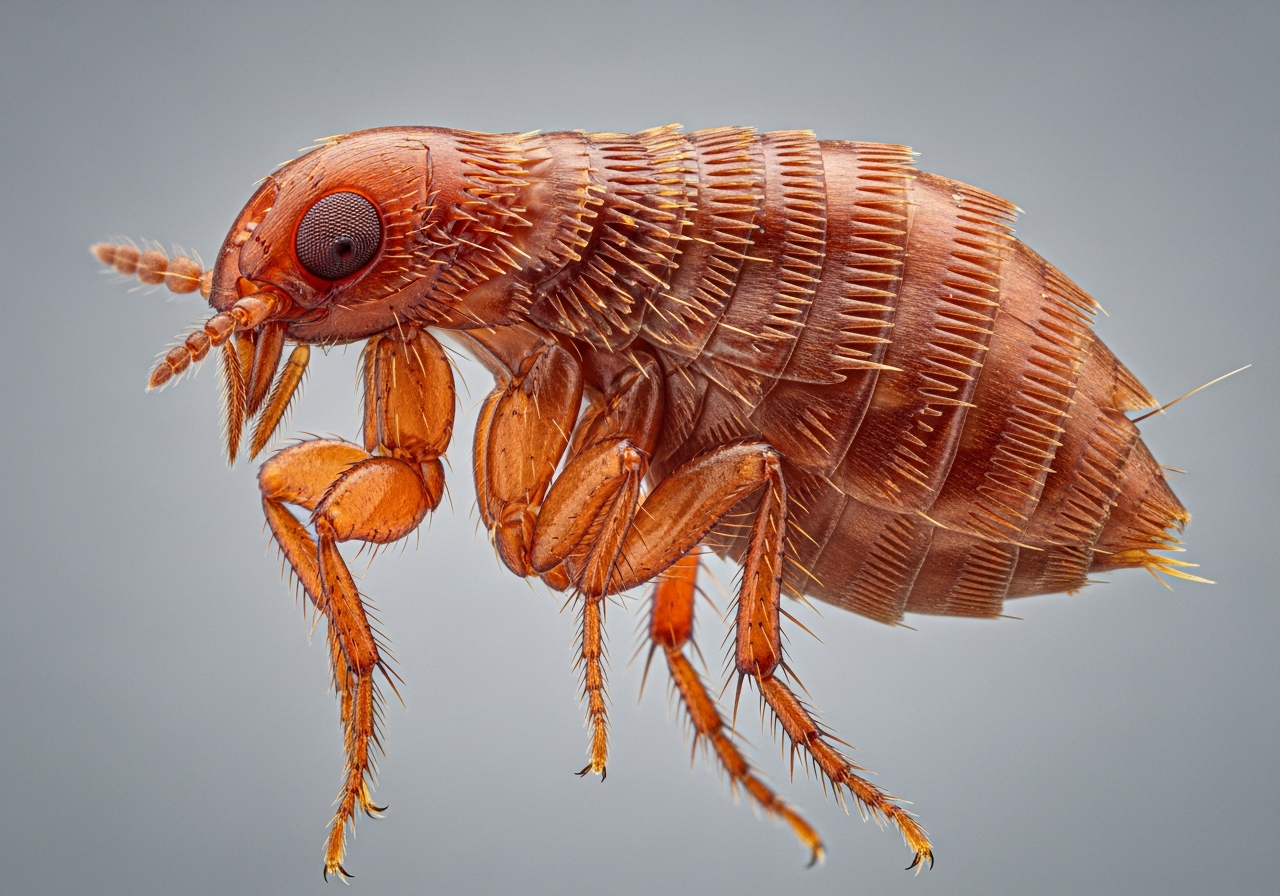 | Flea | 0.5 mg | Insect | Least Concern |
| 2 | 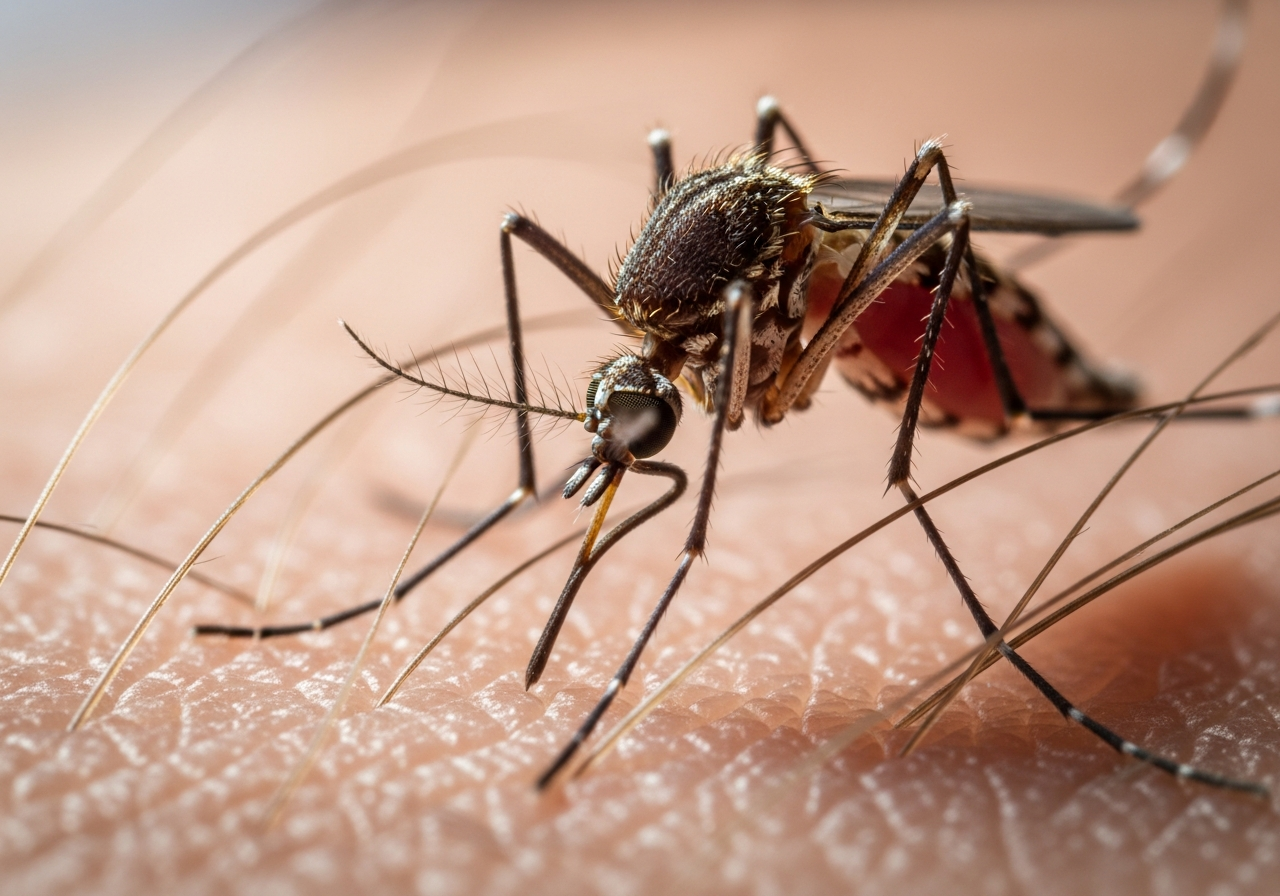 | Mosquito | 2.5 mg | Insect | Least Concern |
| 3 | 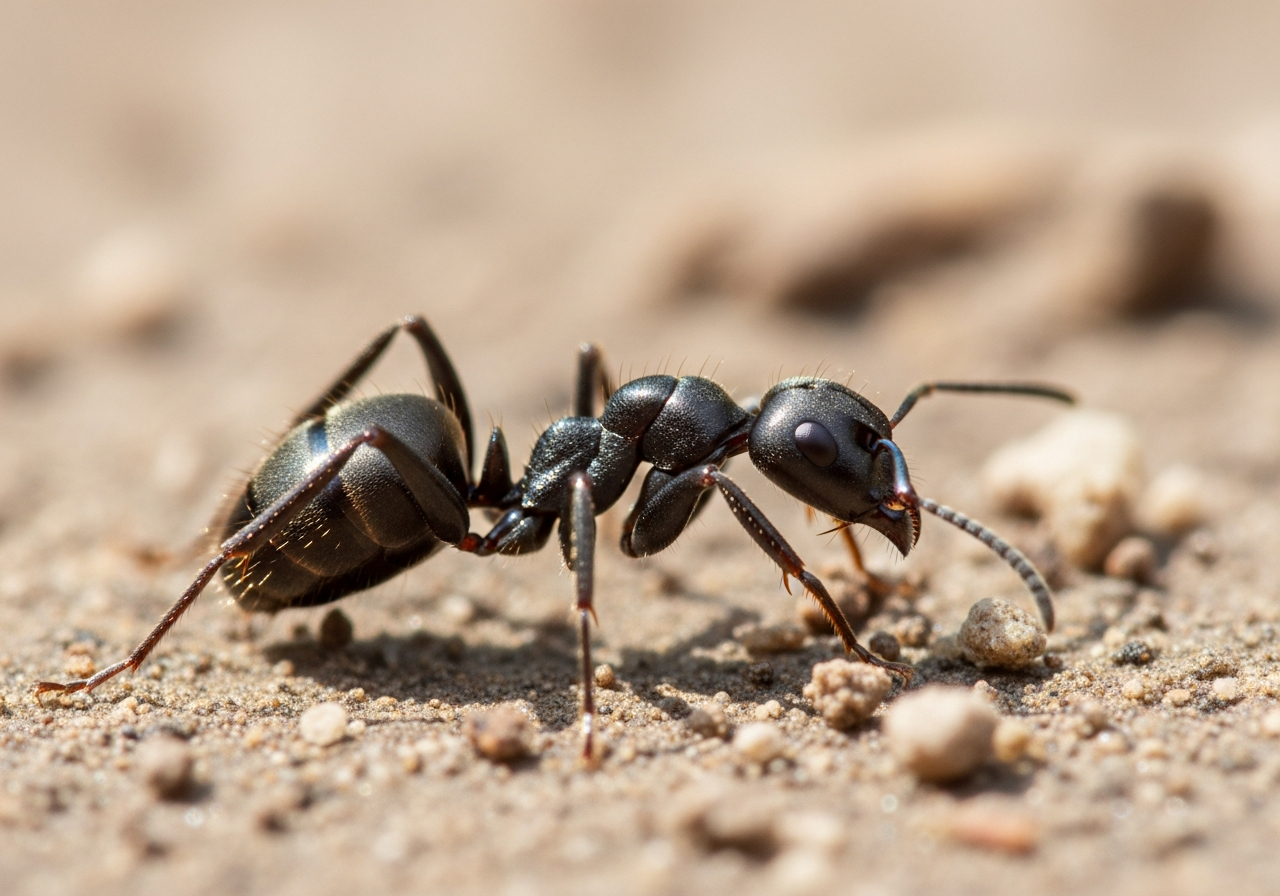 | Ant | 5 mg | Insect | Least Concern |
| 4 | 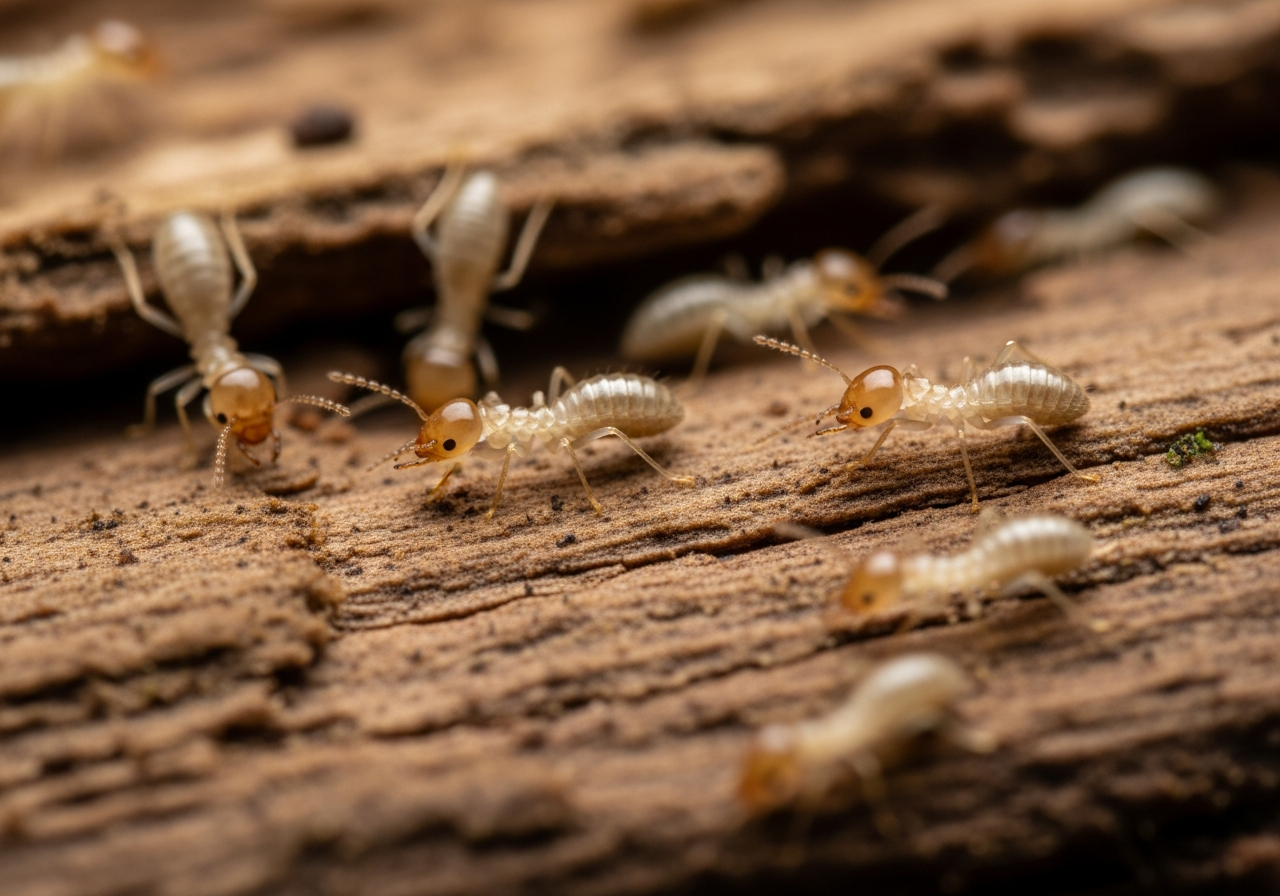 | Termite | 10 mg | Insect | Least Concern |
| 5 | 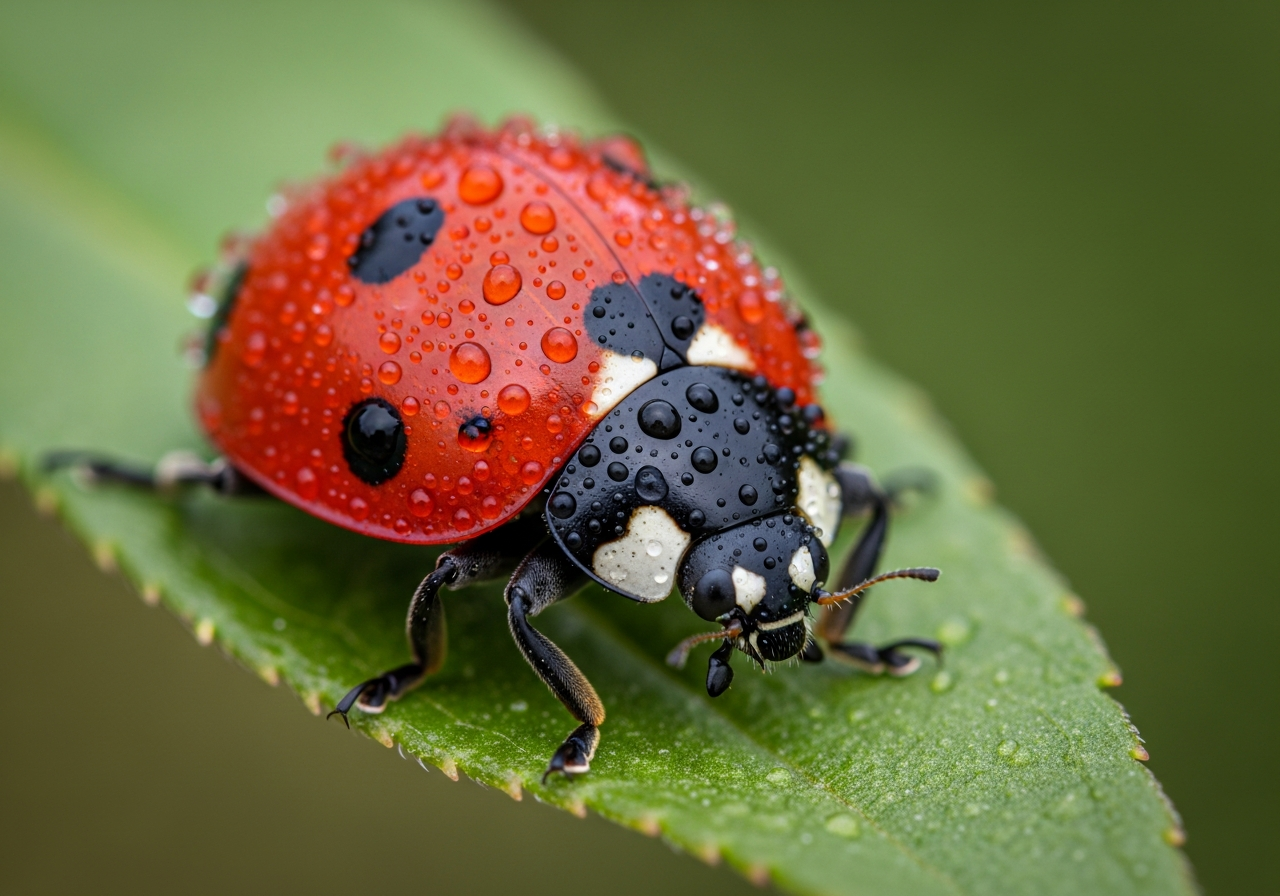 | Ladybug | 20 mg | Insect | Least Concern |
| 6 | 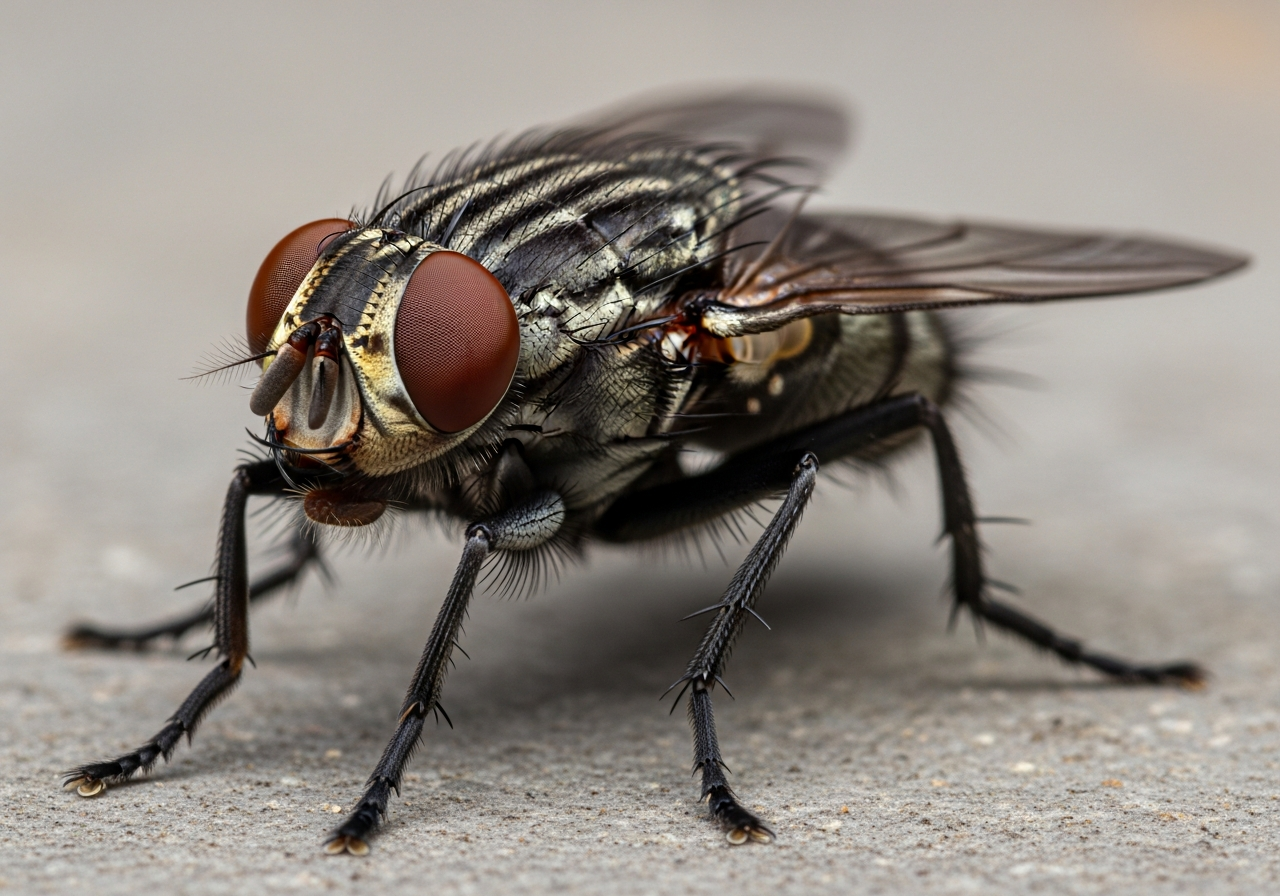 | Housefly | 20 mg | Insect | Least Concern |
| 7 | 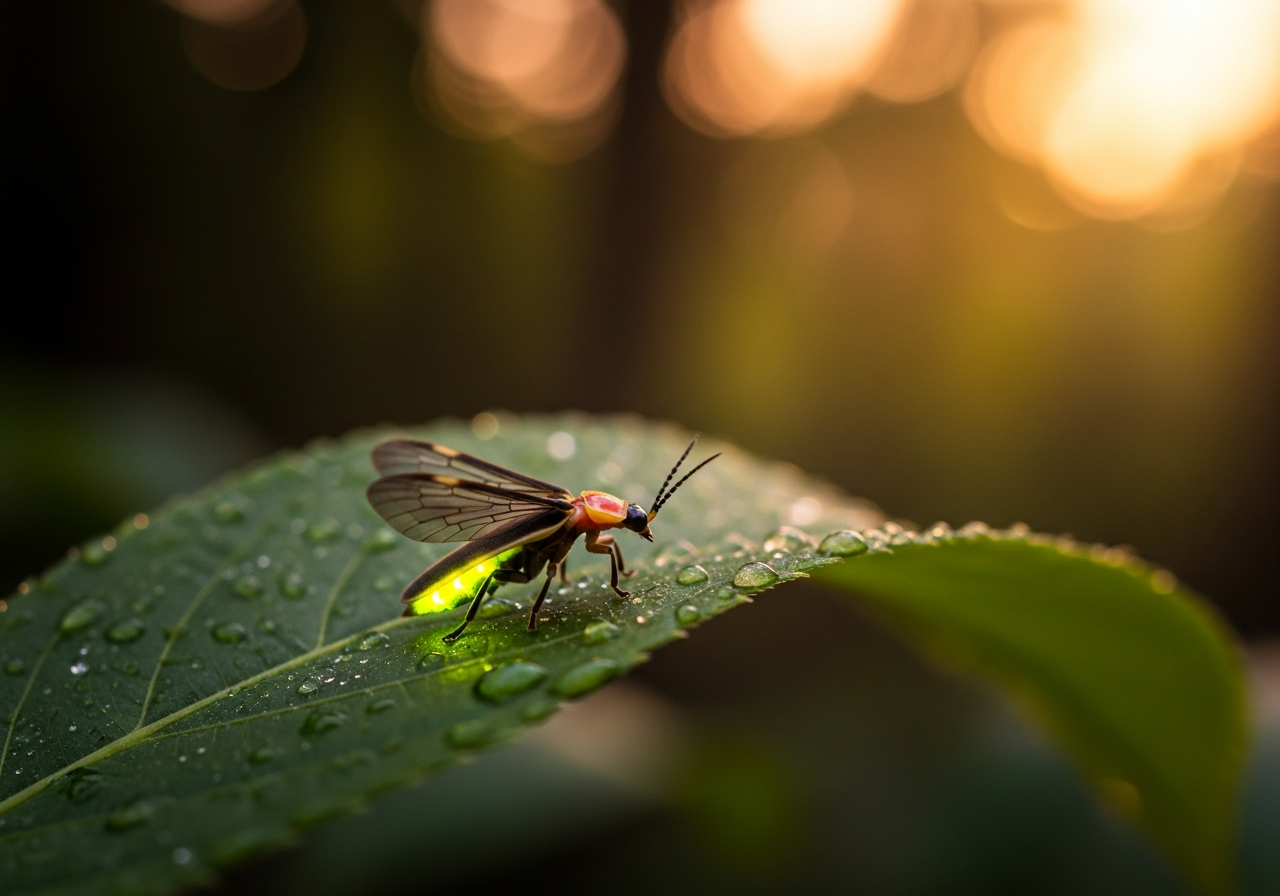 | Firefly | 30 mg | Insect | Least Concern |
| 8 | 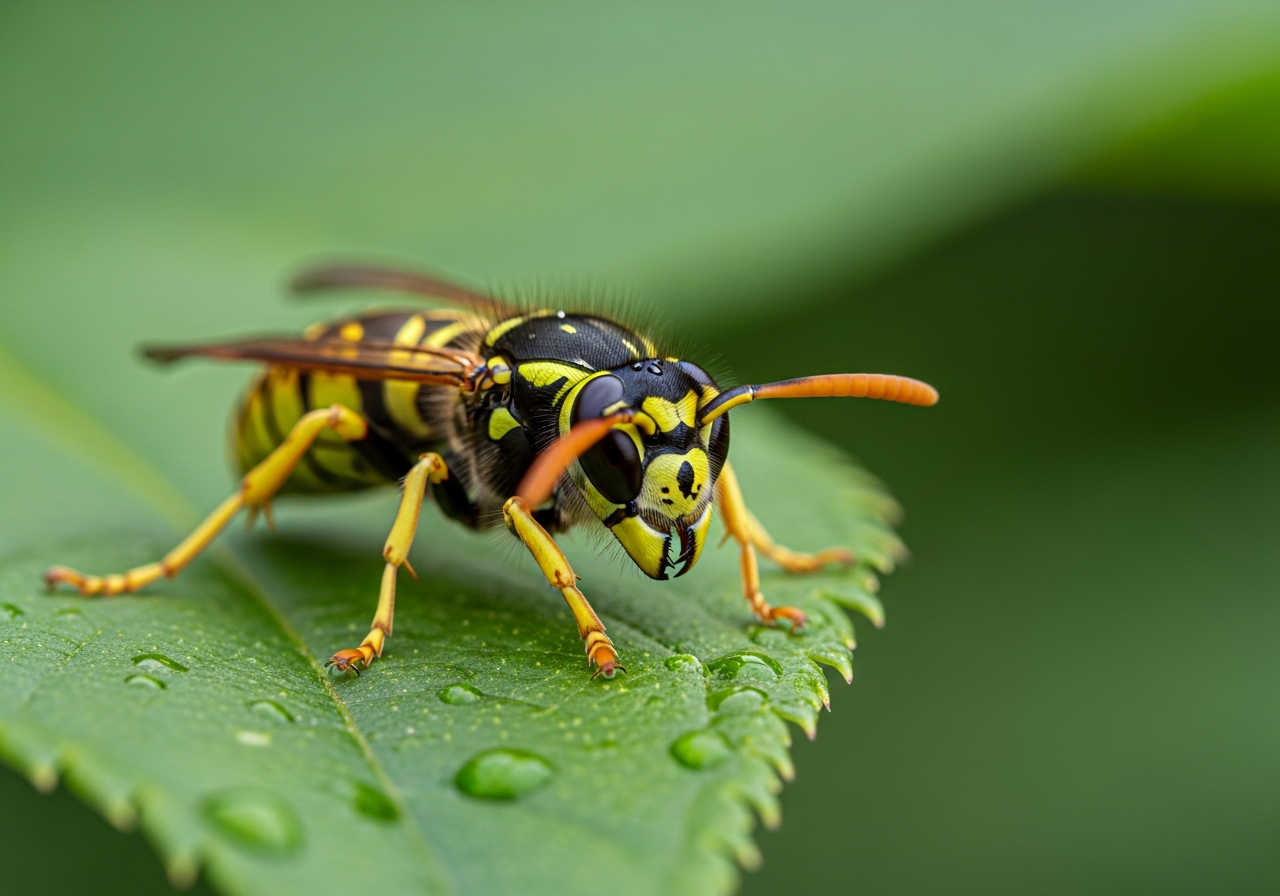 | Yellowjacket | 40 mg | Insect | Least Concern |
| 9 | 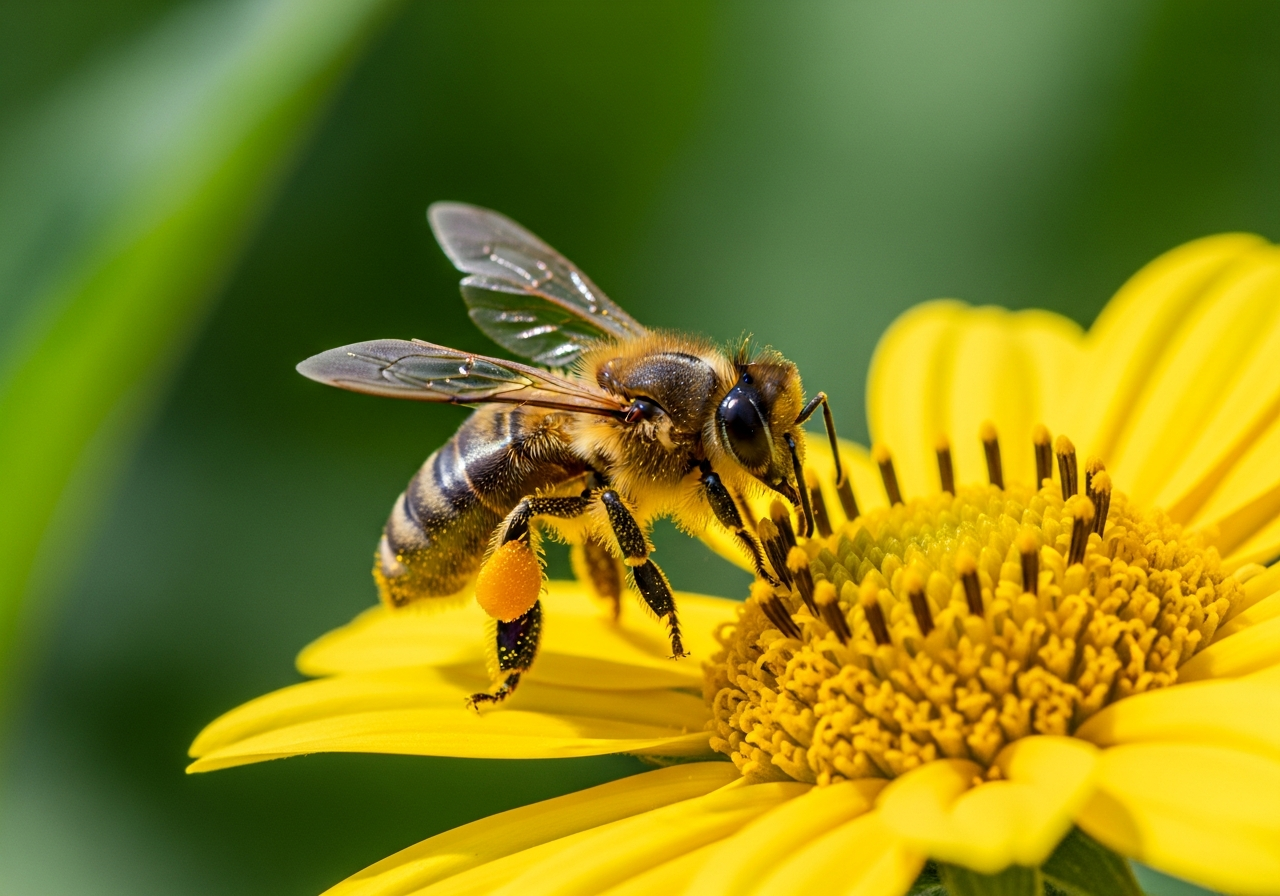 | Honey Bee | 100 mg | Insect | Not Evaluated |
| 10 | 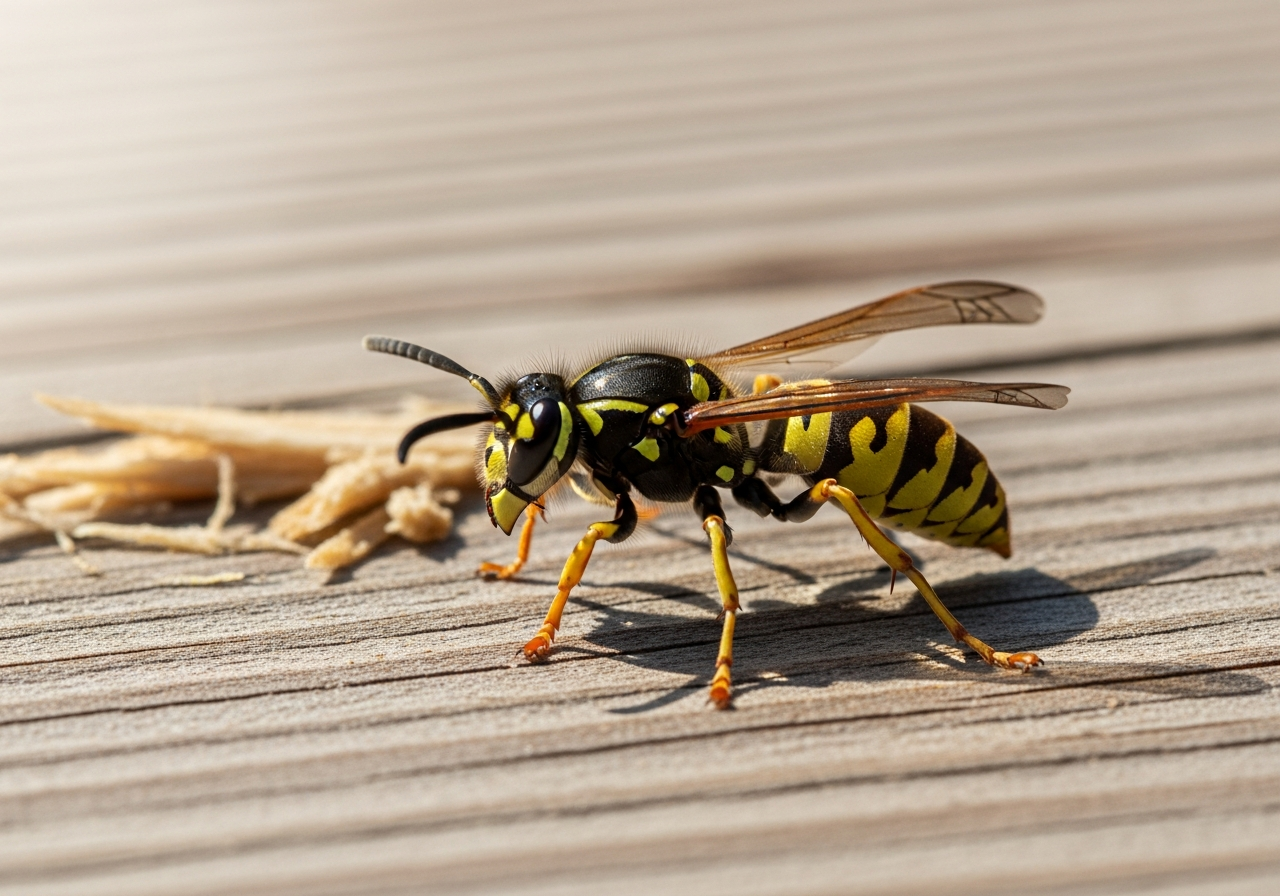 | Wasp | 100 mg | Insect | Least Concern |
Why the bottom of the scale is all insects
Being tiny is a body-plan decision. Insects breathe through tubes (tracheae) that only work over short distances, and their external skeleton supports small bodies efficiently — so miniaturisation is easy, and millions of species have evolved to exploit tiny niches. Vertebrates hit hard limits: a mammal or bird must stay warm, so it cannot shrink below a few grams without losing heat faster than it can eat. That is why the smallest bird (the bee hummingbird, around 2 g) still outweighs every animal on this list put together.
Small size, enormous impact
Individually these animals are negligible; together they run the planet. Ants and termites turn and aerate soil on a scale that rivals earthworms, bees pollinate a large share of the crops we eat, and mosquitoes — despite weighing 2.5 mg — are the deadliest animals on Earth to humans because of the diseases they carry. Size is a poor measure of ecological importance.
Smallest animals: FAQs
What is the smallest animal in the world?
The very smallest animals are microscopic — rotifers, tardigrades and single-celled organisms far too small to weigh usefully. Among animals you can see with the naked eye, insects dominate the bottom of the scale: in our guide the flea is the lightest profiled species, at about 0.5 mg.
What is the smallest insect?
The smallest insects are fairyflies — tiny parasitic wasps, some under 0.2 mm long, smaller than a single-celled paramecium. Among familiar insects, the flea is near the bottom: our profile lists it at about 0.5 mg and 2.5 mm long.
What is the smallest bird?
The bee hummingbird of Cuba, at around 2 g — roughly the weight of a paperclip — is the smallest bird in the world. The smallest bird profiled in our guide is the ruby-throated hummingbird at about 3 g.
What is the smallest fish?
The tiny Paedocypris carp of Southeast Asian peat swamps, under 8 mm long as an adult, is generally considered the smallest fish and the smallest vertebrate. In our guide the lightest profiled fish is the guppy, at about 0.2 g.