Quick answer
The box jellyfish is widely considered the most venomous animal in the ocean — its sting can kill a person in minutes. On land, the inland taipan has the most toxic venom of any snake (a single bite could theoretically kill around 100 people), though it is shy and bite cases are rare. The tiny blue-ringed octopus carries enough toxin to kill around 26 adults, with no antivenom.
Venomous vs poisonous: the key distinction
Venomous animals actively inject their toxin — through a bite, sting, spine, or scratch. Poisonous animals are dangerous when touched or eaten — their toxin is in their skin, flesh, or organs.
By this rule, the golden poison dart frog (Phyllobates terribilis) is one of the most poisonous animals in the world — its skin contains enough batrachotoxin to kill around 10 adults — but it is not venomous, because it cannot inject the toxin. The blue-ringed octopus is technically both: its saliva contains tetrodotoxin (injected via bite) and its tissue may also be toxic if eaten. The Komodo dragon, once thought merely to have septic bacteria, has since been shown to have venom glands that aid in subduing prey.
Top contenders
| Animal | Why it ranks here | Range | |
|---|---|---|---|
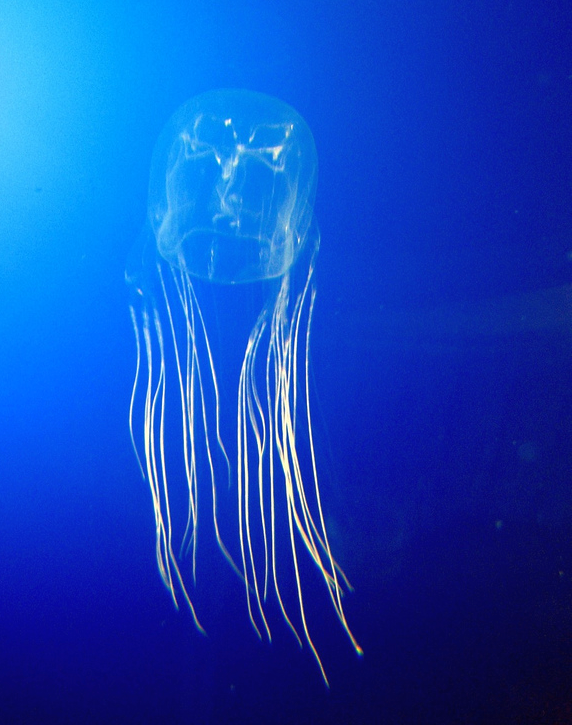 | Box jellyfish | Most venomous marine animal; tentacle contact can stop the heart within minutes | Indo-Pacific |
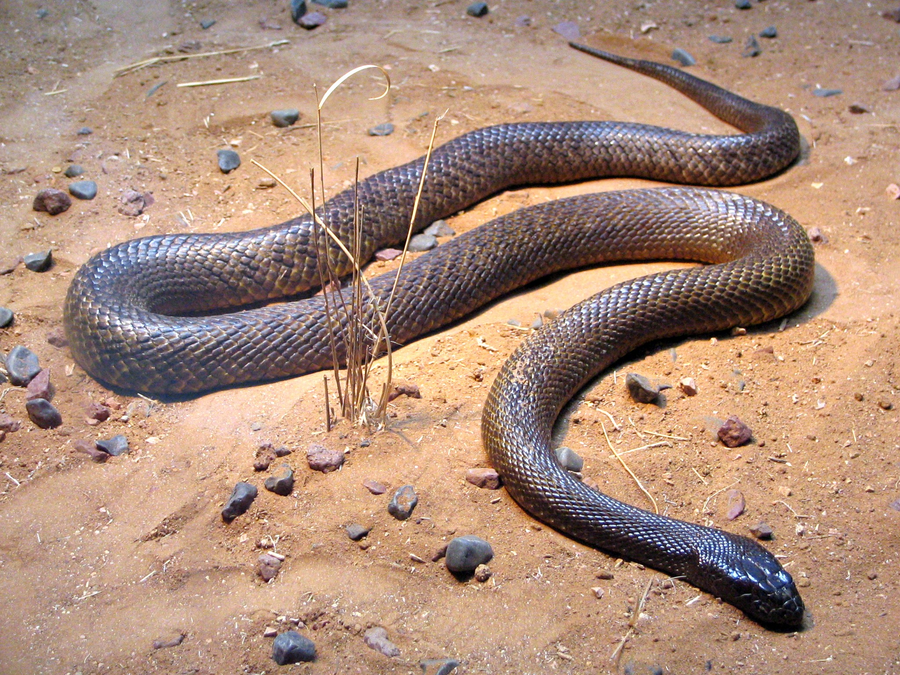 | Inland taipan | Most toxic venom of any land snake (LD50 ~0.025 mg/kg); single bite could theoretically kill ~100 people | Central Australia |
| Blue-ringed octopus | Carries enough tetrodotoxin to kill ~26 adults; no antivenom exists | Pacific and Indian Oceans | |
| Cone snail | Harpoon-like sting injects conotoxins; several species deadly to humans; no antivenom | Tropical seas worldwide | |
| Stonefish | Most venomous fish; extremely painful sting; potentially fatal without treatment | Indo-Pacific, Red Sea | |
| Irukandji jellyfish | Tiny (1 cm bell); causes severe Irukandji syndrome: intense pain, hypertension, potential cardiac failure | Australian waters and beyond | |
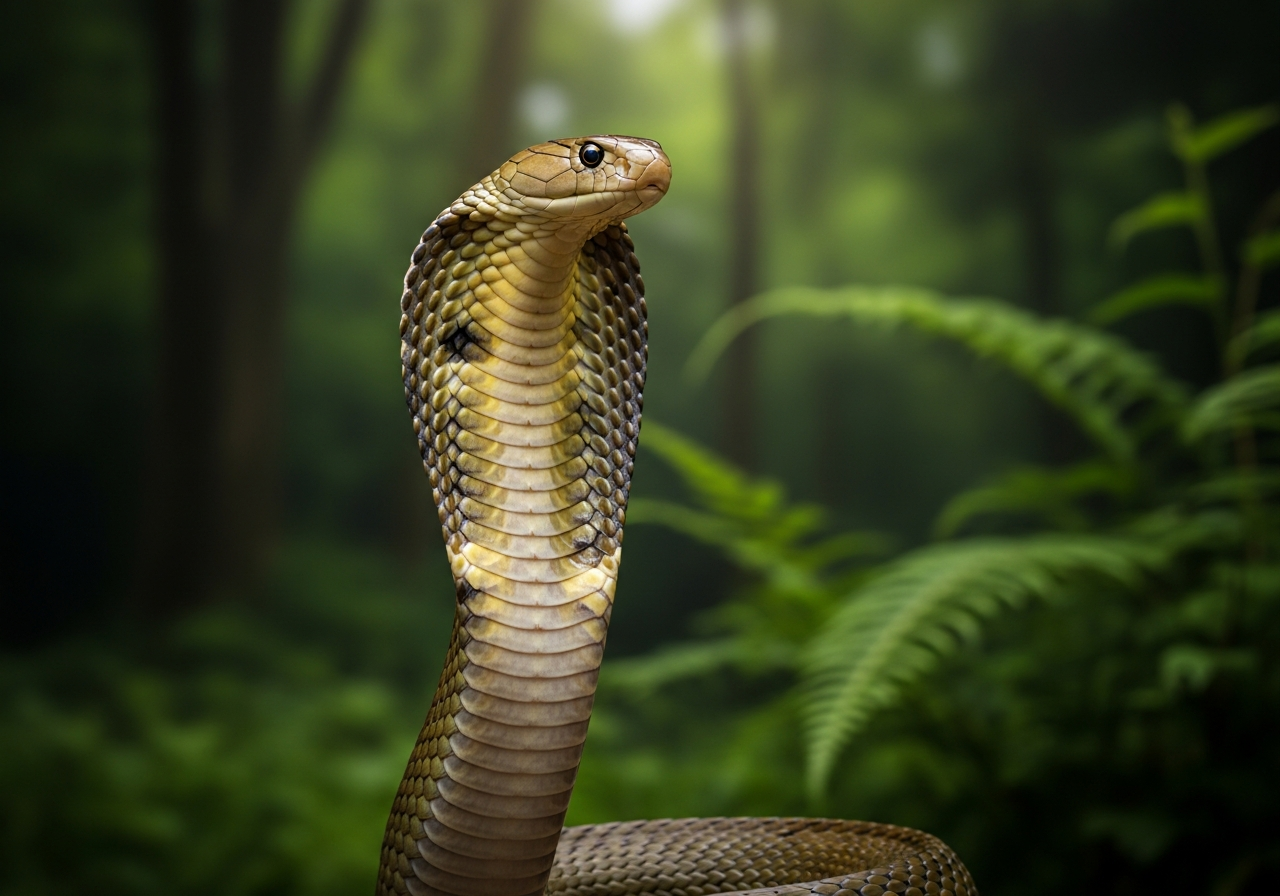 | King cobra | Not the most toxic venom but delivers the largest dose per bite of any snake | South and Southeast Asia |
| Sydney funnel-web spider | Most medically significant spider venom; rapid-onset neurotoxin in males | Eastern Australia | |
Box jellyfish: the ocean's most dangerous stinger
The box jellyfish (Chironex fleckeri) of Australian and Indo-Pacific waters is widely considered the most medically dangerous jellyfish in the world. Its tentacles — up to 3 m long and covered in nematocysts (stinging cells) — can deliver venom within seconds of contact. The toxin attacks the heart, the nervous system, and skin cells simultaneously. In severe cases, cardiac arrest can occur within minutes, before the victim can be brought ashore.
Australia, the Philippines, and surrounding Indo-Pacific regions see most recorded deaths. Antivenom exists but must be administered very quickly. First aid involves rinsing with vinegar (not fresh water) to neutralise unfired nematocysts and immediate CPR if the victim collapses.
Inland taipan: the most toxic snake venom
The inland taipan (Oxyuranus microlepidotus) holds the record for the most toxic snake venom measured by LD50 in mice — around 0.025 mg/kg subcutaneously, meaning a small dose can kill a large mouse. A single bite injects enough venom to theoretically kill around 100 adult humans. The venom causes rapid-onset clotting disorders (the blood begins to clot throughout the body and loses the ability to function), neurotoxicity, and tissue destruction.
Despite this, no confirmed deaths from the inland taipan have been recorded in recent decades. The snake is extremely reclusive, found in the remote, arid black-soil floodplains of central Australia, and antivenom exists and is effective. It is a testament to how little danger venom potency alone translates to, if exposure to humans is minimal.
Most venomous animals: FAQs
What is the most venomous animal in the world?
The box jellyfish is widely considered the most venomous animal in terms of danger to humans — its sting can be fatal within minutes. If the measure is purely toxin potency (the amount needed to kill), the inland taipan snake has the most toxic venom of any land snake, and the geographic cone snail's conotoxins are among the most potent small-molecule toxins known. The answer depends on how 'most venomous' is defined.
What is the difference between venomous and poisonous?
Venomous animals inject their toxin actively — through a bite, sting, or scratch. Poisonous animals are harmful when touched or eaten. By this definition, the blue-ringed octopus is both: it bites to inject venom and its skin contains toxin. The golden poison dart frog is poisonous (its skin is toxic if touched or ingested) but not venomous — it cannot inject toxin. The Komodo dragon is venomous — it has venom glands in its jaw, which it uses in conjunction with its bite.
Has anyone died from the inland taipan?
No confirmed recent deaths from the inland taipan have been recorded. Despite having the most toxic venom of any land snake (enough venom in one bite to theoretically kill around 100 adult humans), the inland taipan is extremely reclusive and rarely encountered. Where bites do occur, antivenom is effective if administered promptly.
Is the blue-ringed octopus dangerous?
Yes. The blue-ringed octopus is one of the most dangerous animals in the ocean relative to its size. It carries enough tetrodotoxin to kill around 26 adult humans and there is no antivenom. Victims experience progressive paralysis while remaining conscious. Most fatal bites occur when people inadvertently pick up the octopus — it is less than 20 cm across and its blue rings only flash as a warning when threatened.
What is Irukandji syndrome?
Irukandji syndrome is caused by the sting of the tiny Irukandji jellyfish and a handful of related species. Despite the jellyfish's minute size (the bell is often just 1 cm across), its venom triggers an intense systemic reaction: severe back and abdominal pain, muscle cramps, nausea, hypertension, and — in serious cases — pulmonary oedema or cardiac failure. The syndrome is named after the Irukandji people of North Queensland, Australia, where cases were first described.