Quick answer
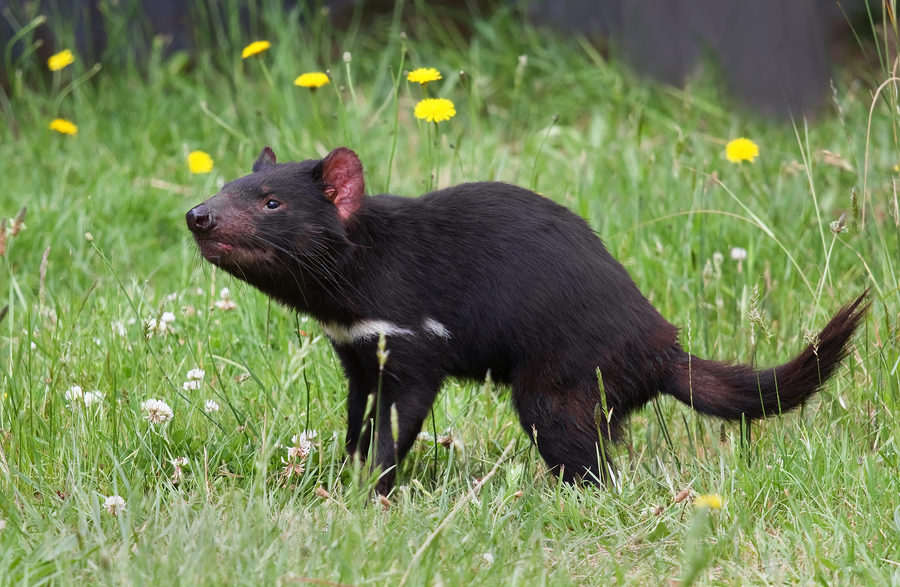
The Tasmanian devil is the world's largest surviving carnivorous marsupial, weighing 6–14 kg (13–31 lb) with powerful jaws that can crush bone. Found only on Tasmania, it is Endangered after devil facial tumour disease (DFTD) wiped out most of the population — captive insurance groups and a vaccine offer hope for recovery.
Key takeaway
The Tasmanian devil is the world's largest surviving carnivorous marsupial, weighing 6–14 kg (13–31 lb) with powerful jaws that can crush bone. Found only on Tasmania, it is Endangered after devil facial tumour disease (DFTD) wiped out most of the population — captive insurance groups and a vaccine offer hope for recovery.
Tasmanian Devil overview
Tasmanian Devil (Sarcophilus harrisii) is a mammal listed here as Endangered. Typical weight 6–14 kg (13–31 lb); males larger than females; lifespan around 5–6 years in the wild (up to 8 in captivity).
Tasmanian Devil ecology
Diet: Carnivore — carrion, small mammals, birds, and insects. Habitat: Forests, scrub, and farmland across Tasmania. Movement and social systems reflect those pressures across the native range.
Tasmanian Devils and people
Learn before you travel or keep related pets. Wild Tasmanian devils are not toys; captive care needs species-specific husbandry.
Status and further reading
Conservation label in our guides: Endangered. See the full Tasmanian Devil profile for taxonomy, FAQs, and related topic guides on this site.
Jaw power and scavenging
Tasmanian devils have one of the strongest bites relative to body size of any mammal — their wide jaws and thick teeth let them consume entire carcasses including bone and fur. They are primarily scavengers, locating dead wallabies and other animals by smell across kilometres of forest, though they also hunt small prey.
Nocturnal habits and vocalisations
Devils are active mainly at night, resting in dens by day in hollow logs, burrows, or dense scrub. Their eerie screeches, growls, and coughs during communal feeding gave them the 'devil' name — settlers found the night-time squabbles over carcasses unsettling.
Sources
Tasmanian Devil FAQs
What are key facts about Tasmanian devils?
The Tasmanian devil is the world's largest surviving carnivorous marsupial, weighing 6–14 kg (13–31 lb) with powerful jaws that can crush bone. Found only on Tasmania, it is Endangered after devil facial tumour disease (DFTD) wiped out most of the population — captive insurance groups and a vaccine offer hope for recovery.
What is the scientific name of the Tasmanian devil?
Sarcophilus harrisii — used in research and conservation listings for Tasmanian devils.
What do Tasmanian devils eat?
Tasmanian Devils eat carrion, small mammals, birds, and insects, with seasonal and regional variation in Forests, scrub, and farmland across Tasmania.
Where do Tasmanian devils live?
They are associated with Forests, scrub, and farmland across Tasmania. Local presence depends on food, cover, and human land use.
What is the conservation status of Tasmanian devils?
Listed in our guides as Endangered. Check the IUCN Red List and national assessments for the latest formal category.
Who this page is for. Read the tasmanian devil profile if you want the full biology; this page answers one question.