Quick answer
Poison dart frogs are small, brightly colored amphibians from the rainforests of Central and South America. Their vivid colors warn predators that they are toxic. The most poisonous species, the golden poison frog, carries enough toxin to be dangerous to humans. They get their toxins from their diet of ants and mites, and frogs raised without those prey are not poisonous. Many live around 10 years.
Key takeaway
Poison dart frogs are small, brightly colored amphibians from the rainforests of Central and South America. Their vivid colors warn predators that they are toxic. The most poisonous species, the golden poison frog, carries enough toxin to be dangerous to humans. They get their toxins from their diet of ants and mites, and frogs raised without those prey are not poisonous. Many live around 10 years.
Poison Dart Frog overview
Poison Dart Frog (Dendrobatidae) is a amphibian listed here as Least Concern. Typical weight about 0.01 kg; lifespan around ~10 years.
Poison Dart Frog ecology
Diet: Insectivore (ants, mites, termites). Habitat: Tropical rainforest floor of the Americas. Movement and social systems reflect those pressures across the native range.
Poison Dart Frogs and people
Learn before you travel or keep related pets. Wild poison dart frogs are not toys; captive care needs species-specific husbandry.
Status and further reading
Conservation label in our guides: Least Concern. See the full Poison Dart Frog profile for taxonomy, FAQs, and related topic guides on this site.
Colors and toxicity
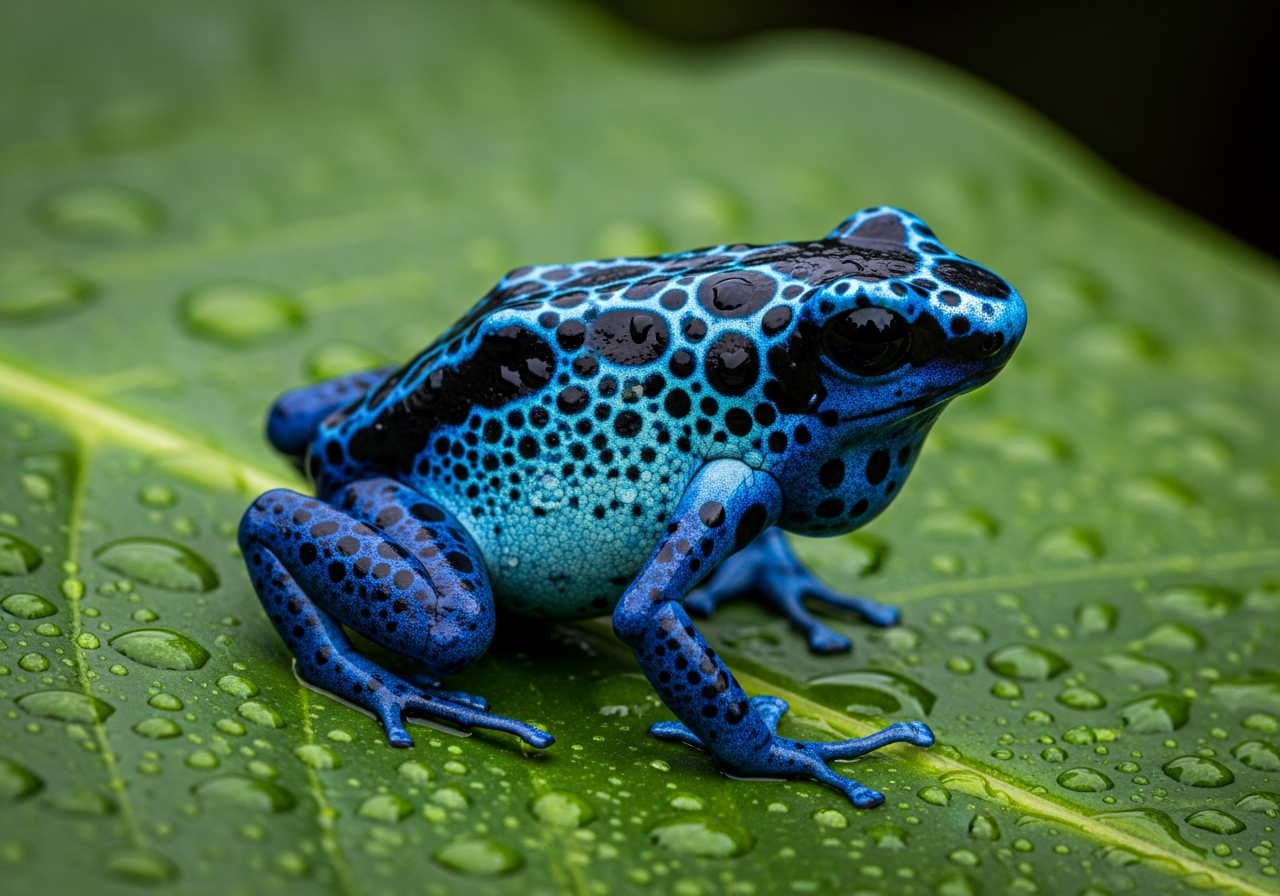
Poison dart frogs are a classic example of warning coloration: their bright blues, yellows, oranges, and reds tell predators they are dangerous to eat. Toxicity varies widely by species. The golden poison frog of Colombia is one of the most toxic animals on Earth, with skin toxins potent enough to threaten a human.
Diet and the source of their poison
These frogs do not make their poison from scratch. They acquire toxic compounds from the small invertebrates they eat, especially certain ants and mites. Poison dart frogs raised in captivity on a different diet lose their toxicity, which shows how closely their defense is tied to their food.
Sources
Poison Dart Frog FAQs
What are key facts about poison dart frogs?
Poison dart frogs are small, brightly colored amphibians from the rainforests of Central and South America. Their vivid colors warn predators that they are toxic. The most poisonous species, the golden poison frog, carries enough toxin to be dangerous to humans. They get their toxins from their diet of ants and mites, and frogs raised without those prey are not poisonous. Many live around 10 years.
What is the scientific name of the poison dart frog?
Dendrobatidae — used in research and conservation listings for poison dart frogs.
What do poison dart frogs eat?
Poison Dart Frogs eat ants, mites and termites, with seasonal and regional variation in Tropical rainforest floor of the Americas.
Where do poison dart frogs live?
They are associated with Tropical rainforest floor of the Americas. Local presence depends on food, cover, and human land use.
What is the conservation status of poison dart frogs?
Listed in our guides as Least Concern. Check the IUCN Red List and national assessments for the latest formal category.