Quick answer
Great White Sharks live in Cool and temperate coastal waters worldwide. Within that range they pick microhabitats that supply cover, food (Carnivore (seals, sea lions, fish, rays)), water, and breeding sites — and they disappear where those features are lost.
Key takeaway
Great White Sharks live in Cool and temperate coastal waters worldwide. Within that range they pick microhabitats that supply cover, food (Carnivore (seals, sea lions, fish, rays)), water, and breeding sites — and they disappear where those features are lost.
Great White Shark native habitat
Great White Sharks (Carcharodon carcharias) are tied to Cool and temperate coastal waters worldwide. Look for sites that match their diet (Carnivore (seals, sea lions, fish, rays)) and movement style; seasonal rains or prey shifts can expand or shrink local occupancy.
Microhabitats great white sharks prefer
Cover for resting, access to food, and safe breeding sites decide day-to-day use. Edge habitats can help adaptable populations but fail specialists that need continuous wild land.
How people change Great White Shark range
Farms, suburbs, and roads create opportunity for some individuals and lethal risk for others. Fragmentation without corridors isolates great white shark groups and raises local extinction risk.
Conservation geography for great white sharks
Status in our guides: <strong>Vulnerable</strong>. Protecting linked habitat often beats a single fenced reserve. Watch from a distance and never feed wild great white sharks.
Physical characteristics and behaviour
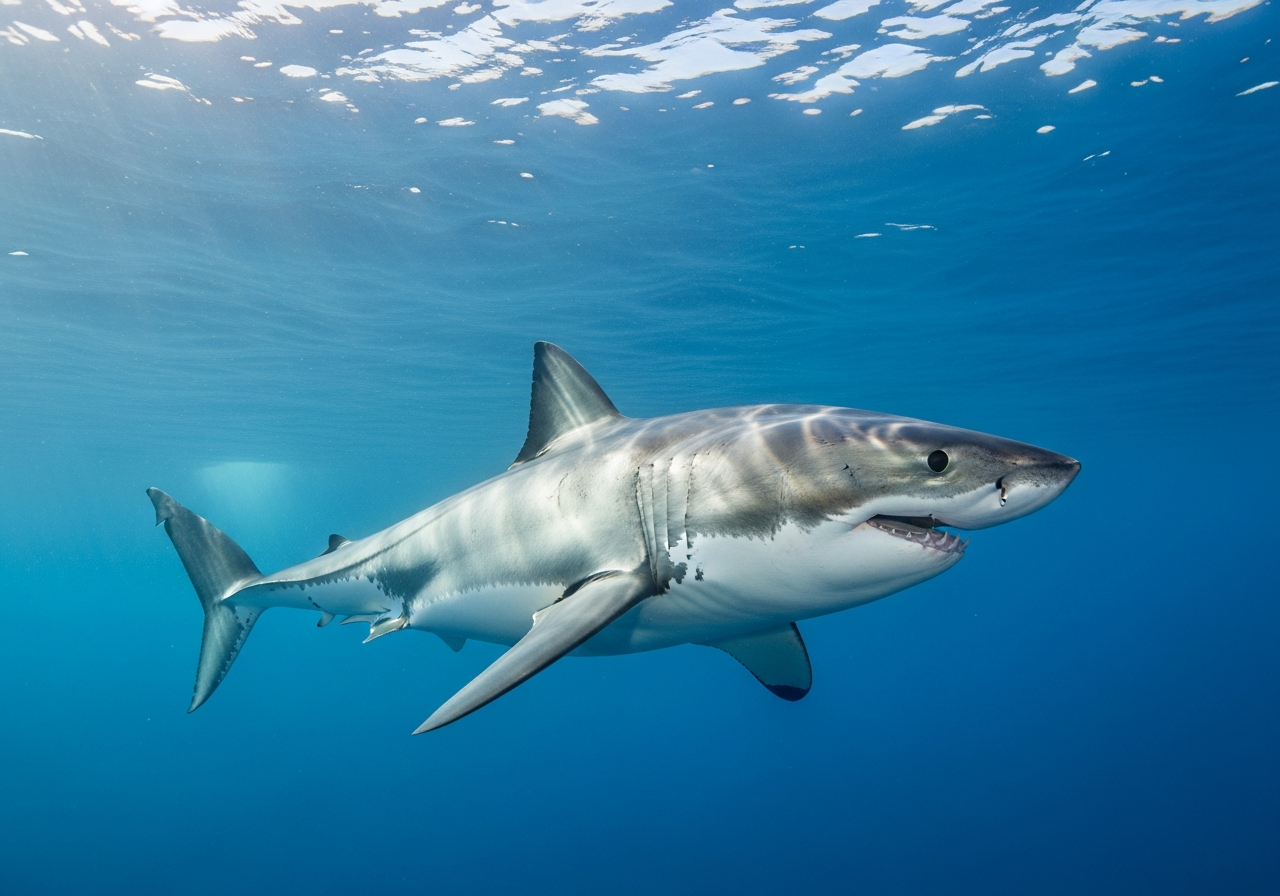
Adult great white sharks typically measure about 4.6 m in length and weigh 680–1,100 kg (1,500–2,400 lb), sometimes more. They can sprint at up to 56 km/h (35 mph) when hunting or escaping predators. Great White Sharks are known for the ocean's most famous apex predator — social structure, daily activity, and seasonal movements all reflect pressures in their native environment.
Diet and ecological role
Great White Sharks feed primarily on other animals (seals, sea lions, fish, rays). Foraging strategy depends on season, local prey or plant abundance, and competition with other species. As fish, they play a measurable role in their ecosystem — controlling prey numbers, dispersing seeds, or shaping habitat through feeding and movement patterns that other wildlife depends on.
Sources
Great White Shark FAQs
Where do great white sharks live?
Great White Sharks live in Cool and temperate coastal waters worldwide. Within that range they pick microhabitats that supply cover, food (Carnivore (seals, sea lions, fish, rays)), water, and breeding sites — and they disappear where those features are lost.
What is the scientific name of the great white shark?
Carcharodon carcharias — used in research and conservation listings for great white sharks.
What do great white sharks eat?
Great White Sharks eat seals, sea lions, fish and rays, with seasonal and regional variation in Cool and temperate coastal waters worldwide.
What is the conservation status of great white sharks?
Listed in our guides as Vulnerable. Check the IUCN Red List and national assessments for the latest formal category.
Who this page is for. This page is native range and habitat, not a sighting hotline.