Quick answer
They can injure a person, but they are not man-eaters. Most charges are bluff. Risk rises when people close distance, feed, or surprise a silverback with infants. Disease from visitors is the bigger listed threat to the apes. Both species are Critically Endangered. Figures checked 13 August 2026.
Are wild gorillas a threat to people?
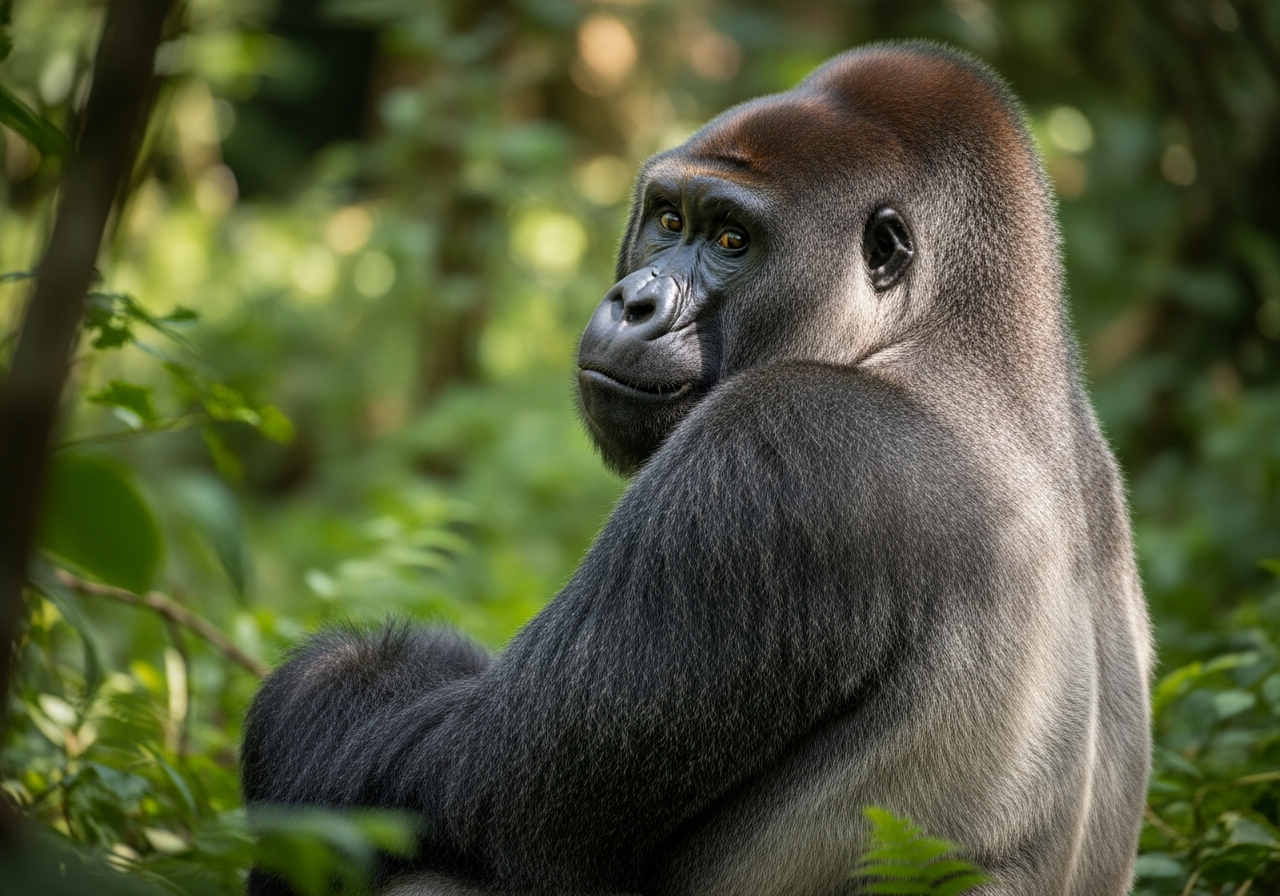
Most avoid humans. Serious injuries are uncommon relative to guided trek volume, but contact with a 160 kg silverback is severe when it happens. Unhabituated groups in logging concessions are not the same as a Volcanoes National Park tourist group. “Scary online” is not a risk model.
When does an encounter turn dangerous?
Surprise, food rewards, injured animals, and mothers with infants. Closing for a photo is the usual human error. Forest, not a suburban pavement, is the setting. Flash, shouting, and running convert a display into a chase.
Does plant-eating mean they cannot hurt you?
No. Bite and mass do the damage. They do not hunt people. Critically Endangered is an extinction label, not a personality. Strength myths (lifting cars) are irrelevant next to a real 7-metre rule.
What trek rules actually work?
Keep the gap the ranger sets — often about seven metres. Wear a mask if required. Do not feed. If charged: crouch, look down, stay still. This is not “leash pets and store picnic food” copy from a suburban deer page. Seek care for any bite; follow local public-health advice.
Why is feeding the stupidest risk?
Herbivores that process tens of kilograms of vegetation a day still learn that people equal calories. Food-conditioned groups injure more people and die to management. Intelligence — tools, rich vocal repertoires — makes them worse to habituate with snacks, not safer to hug.
Sources
Gorilla FAQs
Are gorillas dangerous?
They can injure a person, but wild gorillas are not man-eaters. Most charges are bluff. Risk rises when people close distance, feed, or surprise a silverback with infants. Habituated treks keep a gap of about seven metres because gorillas have no immunity to human respiratory viruses — disease is the bigger listed threat than predation on tourists.
Have gorillas killed people?
Fatal attacks are rare relative to trek volume. They happen when animals are cornered, wounded, or food-conditioned. Strength (adults roughly 70–200 kg) makes any contact severe. Status — both species Critically Endangered — is not temperament. Do not treat a Virunga permit as a hugging licence.
What should you do if a gorilla charges?
Follow the ranger: crouch, look down, do not run, do not scream. Running can turn a display into a chase. Never feed wild gorillas. Masks and distance protect the apes as much as they protect you.
What actually helps besides staying back?
Anti-snare patrols and funded veterinary teams. World Animal Rescue Network describes proposed partner work via East Africa programmes — not an orangutan appeal. WARN does not run gorilla camps.
Who this page is for. This page is realistic risk, not medical advice after a bite or attack.