Image sourcing: see credits & licences
The common torpedo (Torpedo torpedo) is a cartilaginous fish of the family Torpedinidae, in the order Torpediniformes.
Quick answer
The common torpedo (Torpedo torpedo) is a Mediterranean electric ray that stuns prey with up to 220 volts. Adults reach 60 cm and 8 kg, and are listed Vulnerable.
Top questions about the Common Torpedo
Common Torpedo facts at a glance
- Weight 7 kg
- Length 60 cm
- Top speed 10 km/h
- Lifespan 12 years
| Scientific name | Torpedo torpedo |
|---|---|
| Diet | Carnivore |
| Habitat | Sandy and muddy seabeds |
| Lifespan | 10–15 years |
| Weight | 5–10 kg |
| Top speed | up to 10 km/h |
| Conservation status | Vulnerable (IUCN) |
| Kingdom | Animalia |
|---|---|
| Phylum | Chordata |
| Class | Chondrichthyes |
| Order | Torpediniformes |
| Family | Torpedinidae |
| Genus | Torpedo |
Where it lives
The common torpedo (Torpedo torpedo) is native to Coastal Mediterranean and eastern Atlantic. — recorded across Europe, Africa in this guide’s range summary.
For occurrence records, see GBIF species search and sources below.
How big is a common torpedo?
An adult common torpedo measures 60 cm long — about 35% of the height of an average adult person (1.73 m) — and weighs around 7.0 kg, about 10% of an average adult’s body weight (70 kg).
Length vs an average adult’s height (to scale)
What is a group of common torpedos called?
Group name (collective noun)
A group of Common Torpedos is called a school.
Baby name
A baby Common Torpedo is called a pup.
Explore more animal collective nouns and baby animal names .
Living battery on the seabed
Modified muscle organs generate electric shocks to stun fish and deter predators. A rounded disc and small eyes suit buried ambush on sand and mud.
Stunned fish and crustaceans
Buried rays discharge when prey approaches, then swallow immobilised fish whole. Shocks also protect against sharks and divers who step on them.
Mediterranean and eastern Atlantic
Coastal sands from Norway to South Africa, common in the Mediterranean. Slow movement relies on camouflage and electric defence.
Vulnerable to trawling
IUCN lists common torpedo Vulnerable. Bottom trawls capture buried rays; low reproduction limits recovery.
Explore the Common Torpedo
Close relatives
- Great White Shark Same class
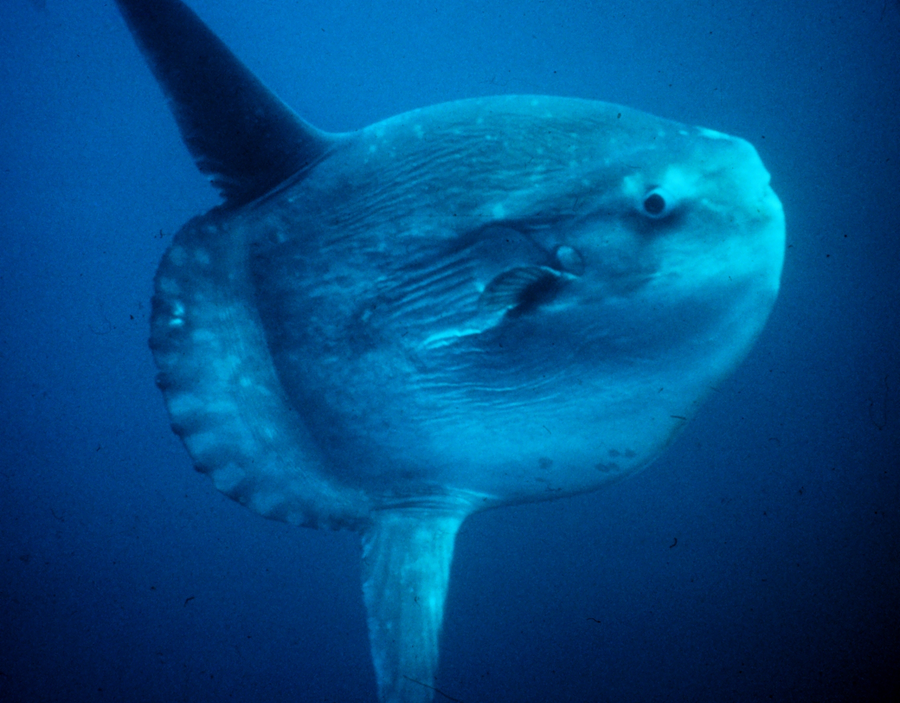
- Ocean Sunfish Same class
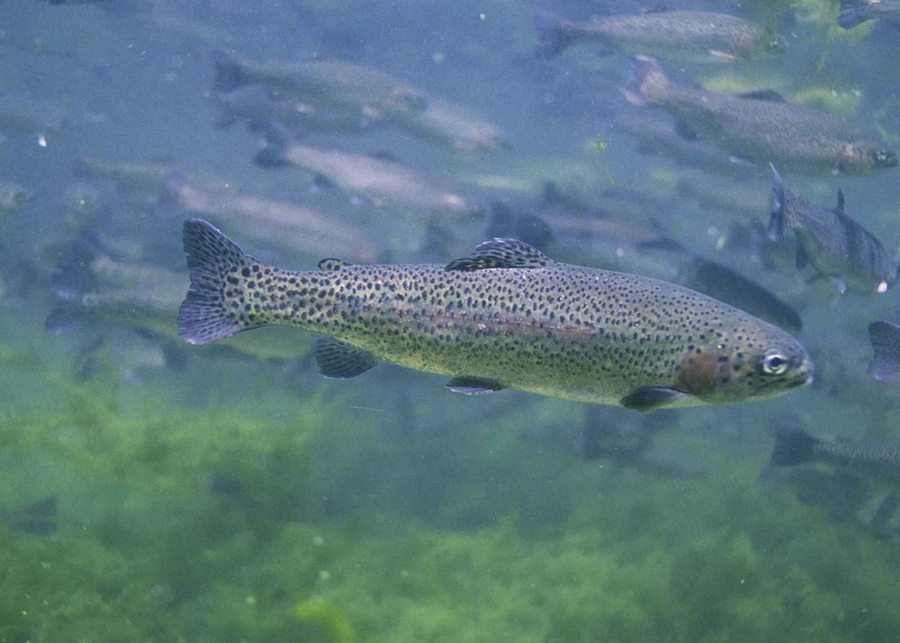
- Rainbow Trout Same class
- Thresher Shark Same class
Collections
Range & geography
Conservation status of the Common Torpedo
The common torpedo (Torpedo torpedo) is listed as Vulnerable on the IUCN Red List. Vulnerable (VU) means a species faces a high risk of extinction in the medium-term future. It is the lowest-risk of the three 'threatened' IUCN categories — one step below Endangered, which is itself below Critically Endangered — and is often an early warning that a population is in trouble.
Main threats to the common torpedo
- Bycatch in demersal fisheries
- Coastal habitat degradation
- Historical targeted fisheries in the Mediterranean
- Low resilience to fishing pressure
Common Torpedo (Torpedo torpedo) was most recently assessed for the IUCN Red List in 2015. Look up on the IUCN Red List .
Frequently asked questions about the Common Torpedo
How strong is an electric ray shock?
Common torpedo can deliver roughly 200+ volts — enough to stun fish and startle humans.
Can electric rays kill people?
Shocks are painful and can cause injury, but fatalities are extremely rare.
Why is the common torpedo Vulnerable?
Bottom trawling and coastal fishing mortality outweigh slow breeding capacity.
Do electric rays bury in sand?
Yes — they hide under sand with eyes exposed, ambushing prey electrically.
Is torpedo named after the ray?
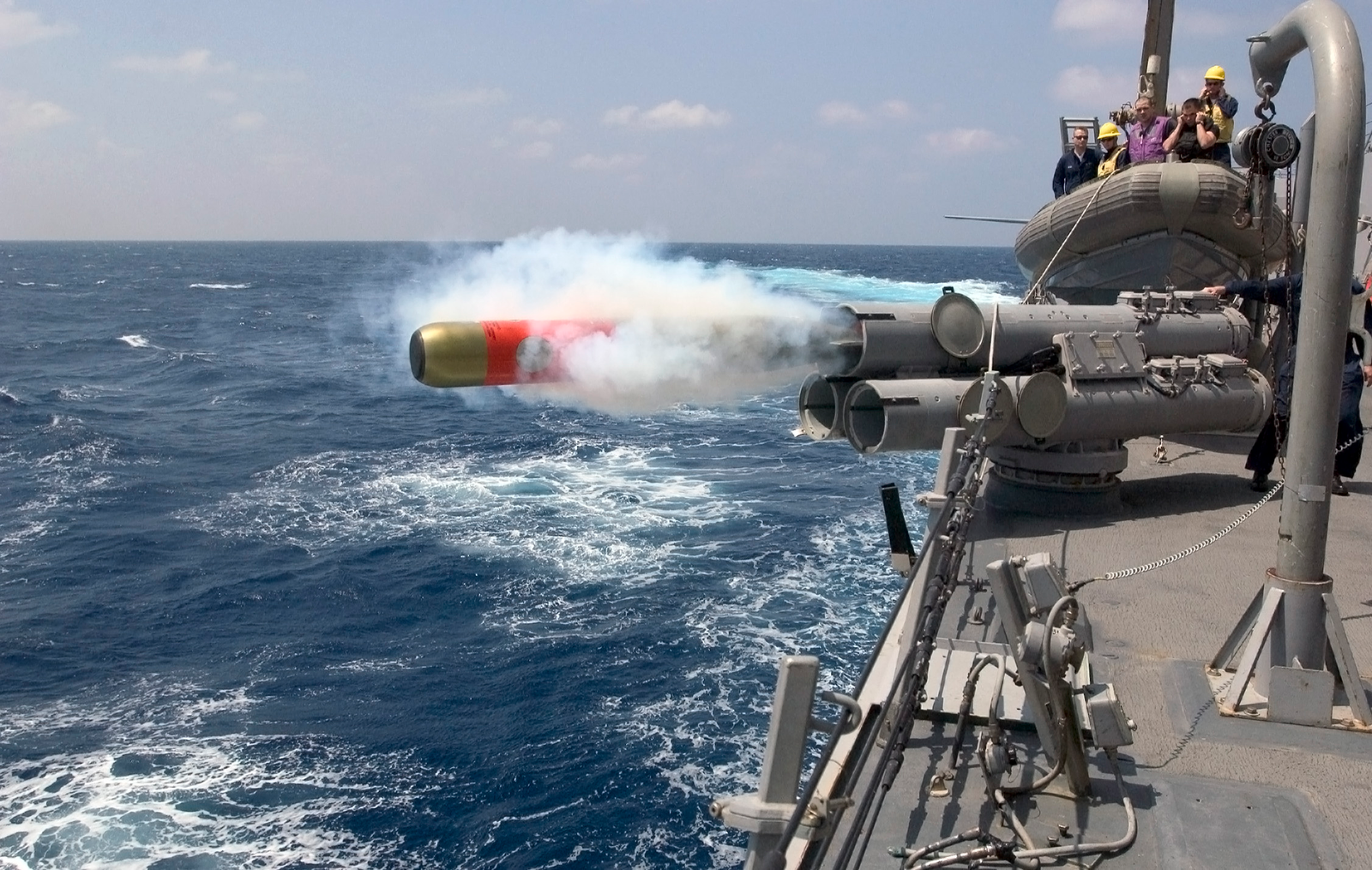
Yes — naval torpedoes took their name from the Latin for electric ray.
What is a group of common torpedos called?
A group of Common Torpedos is called a school.
What is a baby common torpedo called?
A baby Common Torpedo is called a pup.
Sources & references
This guide is compiled and reviewed against established zoological and conservation references. Key sources for the Common Torpedo:
-
IUCN Red List of Threatened Species
Conservation status (Vulnerable) reflects the IUCN Red List category for Torpedo torpedo, most recently assessed in 2015.
-
iNaturalist — observations & photos
Search citizen-science observations and community IDs for Torpedo torpedo. Useful for range checks and recent sightings — not a substitute for formal Red List status.
-
GBIF — occurrence data
Global Biodiversity Information Facility species search for Torpedo torpedo. Explore published occurrence records used in range research.
-
Global Animal Guide editorial standards
How we research, source, review, and update every guide for accuracy.