Quick answer
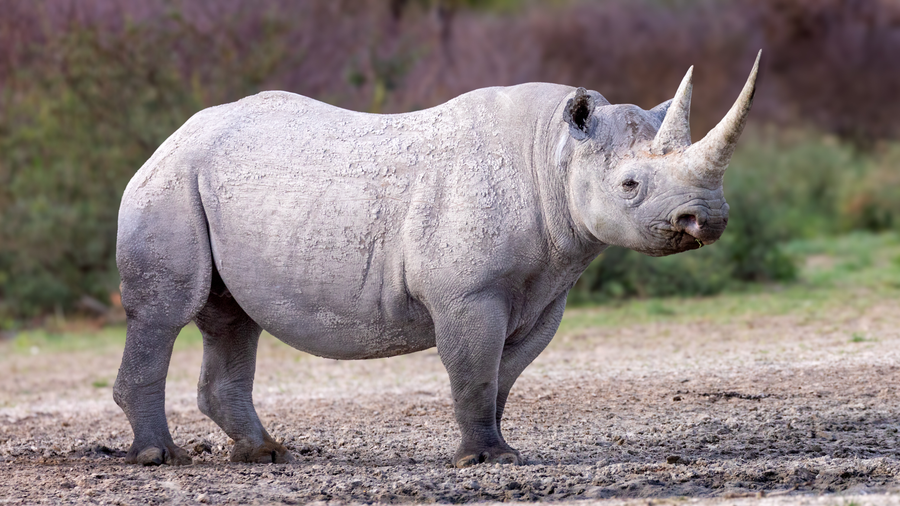
Yes. Black rhinos (Diceros bicornis) are IUCN Critically Endangered. Africa held 6,788 at the end of 2024 — up 5.2% on 2023, still a remnant after a ~96% crash between 1970 and the 1990s. Horn poaching, not a generic habitat paragraph, drove that collapse. Figures checked 13 August 2026.
Are black rhinos still Critically Endangered?
Yes. A 5.2% rise does not change the IUCN category. White rhinos are Near Threatened and declined 11.2% in 2024. Combining them as “the rhinoceros” hides both facts. Black rhinos remain hooked-lip browsers of eastern and southern African savanna, scrub and dry woodland.
What is driving deaths now?
Horn poaching remains the historic driver. IUCN’s 2025 update also flagged drought, biological-management gaps, and increased poaching pressure in Namibia and South Africa. Habitat conversion matters, but it is not a “farms, suburbs and roads” generic. Exact ranking changes by country.
Is the 5.2% rise a recovery?
It is a guarded uptick from a wreck. IUCN Green Status work on black rhinos calls the species Largely Depleted and conservation-dependent: stop protection and the population could fall sharply within a decade. Fragmented groups still need translocations for genetic exchange.
What actually helps?
Fund rangers, refuse horn, and support translocations into well-guarded range. WARN’s rhino appeal describes proposed partner-led anti-poaching and rescue. WARN does not run rhino camps.
What was the 96% crash?
Horn — compacted keratin, like hair and fingernails — is illegally traded for traditional medicine and status. Black rhino numbers crashed about 96% between 1970 and the 1990s. International bans did not end demand. Recovery in Namibia, Kenya, South Africa and Tanzania is slow because reproduction is slow.
What does recovery actually look like?
Intensive anti-poaching, dehorning where managers choose it, and moving founder groups into new reserves. Critically Endangered globally, the species is both a warning about illegal wildlife trade and proof that funded rangers change the count. A 6,788 remainder is not a victory lap.
Sources
Black Rhinoceros FAQs
Are black rhinoceroses endangered?
They are Critically Endangered. IUCN/TRAFFIC counted 6,788 black rhinos (Diceros bicornis) in Africa at the end of 2024 — up 5.2% on 2023, still a remnant after a ~96% crash between 1970 and the 1990s. That is not the same listing as white rhinos (Near Threatened). Figures checked 13 August 2026.
How many black rhinos are left?
6,788 in Africa at end-2024, across 13 countries, plus a few hundred in zoos and semi-wild holdings outside the continent. Three living subspecies remain. A 5.2% annual rise is real and fragile — drought, poaching spikes in Namibia and South Africa, and funding gaps can erase it.
Are black rhinos the same as white rhinos?
No. Black rhinos are hooked-lip browsers; white rhinos are square-lip grazers. White rhinos numbered about 15,752 in Africa at end-2024 and declined 11.2% that year. Mixing the two produces the false story that “rhinos are Near Threatened.” Horn is keratin in both; poaching hits both.
What actually helps black rhinos?
Anti-poaching that stays funded, translocations, and cutting horn demand. Dehorning is a management tool, not a miracle. World Animal Rescue Network’s rhino appeal describes proposed partner-led protection. WARN does not run rhino camps.
Who this page is for. This page explains IUCN-style status. Skip it if you need an emergency wildlife-rescue number.