Alpaca
Vicugna pacos
Quick answer
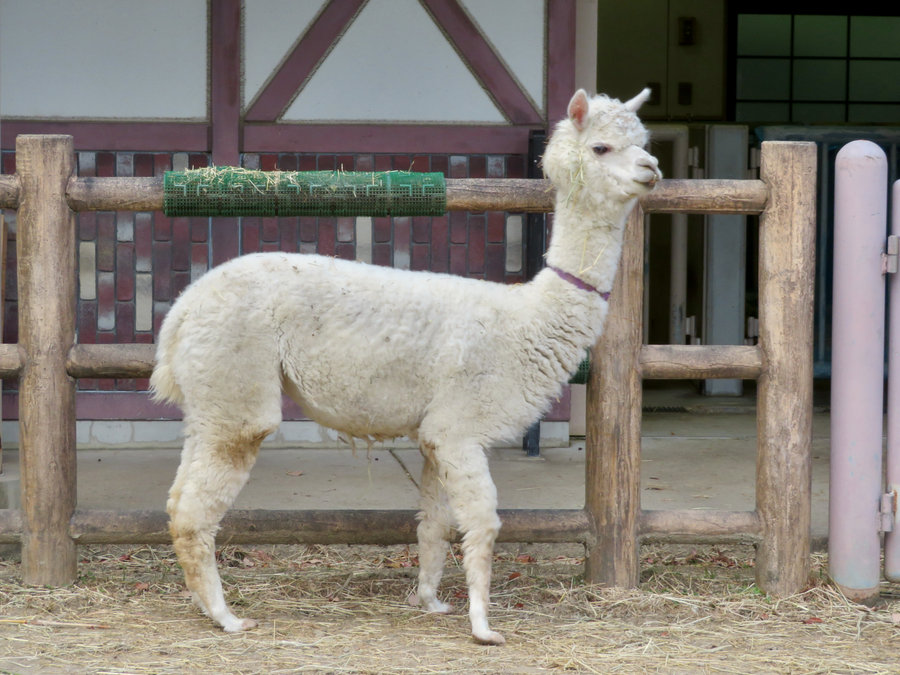
Alpacas are small domesticated camelids prized for soft, hypoallergenic fleece that comes in 22 natural colours. Native to the Andean highlands, they weigh 55–90 kg (120–200 lb), live in social herds, and communicate with soft hums, clucks, and alarm calls.
Alpaca facts at a glance
| Scientific name | Vicugna pacos |
|---|---|
| Diet | Herbivore — grass, hay, and mineral supplement |
| Habitat | Andean highlands above 3,500 m; farms worldwide |
| Lifespan | 15–20 years with good care |
| Weight | 55–90 kg (120–200 lb) |
| Top speed | Up to 35 km/h (22 mph) when fleeing |
| Conservation status | Domesticated (IUCN) |
| Kingdom | Animalia |
|---|---|
| Phylum | Chordata |
| Class | Mammalia |
| Order | Artiodactyla |
| Family | Camelidae |
| Genus | Vicugna |
Where it lives
Domesticated in the central Andes above 3,500 m in Peru, Bolivia, and Chile; raised on farms across the Americas, Europe, and Oceania.
What is a group of alpacas called?
Group name (collective noun)
A group of Alpacas is called a herd.
Baby name
A baby Alpaca is called a cria.
Explore more animal collective nouns and baby animal names .
Fleece and shearing
Alpaca fibre is fine, warm, and lacks the lanolin found in sheep wool, making it popular for hypoallergenic textiles. Animals are shorn annually, yielding several kilograms of fleece. Huacaya alpacas have crimped, fluffy fleece; Suri alpacas have silky, dreadlock-like locks.
Andean heritage
Alpacas were domesticated from the wild vicuña thousands of years ago in the central Andes. Traditional herding communities still manage alpaca flocks for fibre and meat at altitudes where other livestock struggle.
Keeping alpacas
Alpacas need secure fencing, parasite management, hoof trimming, and shelter from extreme heat. They use a communal dung pile, which simplifies pasture management. They are livestock rather than house pets and suit owners with land and herd-management experience.
Dig deeper into the Alpaca
- Alpaca Facts 5
Dig deeper into alpaca — alpaca facts 5.
- How Fast Is A Alpaca
Dig deeper into alpaca — how fast is a alpaca.
- How Long do Alpaca Live?
Dig deeper into alpaca — how long do alpaca live.
- What do Alpaca Eat
Dig deeper into alpaca — what do alpaca eat.
- Where do Alpaca Live?
Dig deeper into alpaca — where do alpaca live.
Explore the Alpaca
Range & geography
Did you know? Alpaca facts
- Alpacas are small domesticated camelids prized for soft, hypoallergenic fleece that comes in 22 natural colours.
- They are gentle livestock suited to small farms, not indoor pets. They need pasture, companions, and routine veterinary and hoof care.
- Alpacas are smaller and bred for fibre; llamas are larger pack animals. Alpacas have shorter faces and finer fleece.
- Once a year, typically in spring before hot weather. Each shearing yields roughly 2–5 kg of fleece depending on the animal.
- Yes, mainly at each other during disputes. Well-handled alpacas rarely spit at people unless stressed or mishandled.
- Conservation: Domesticated (IUCN).
Diet & feeding
Alpaca feeds primarily as a herbivore — grass, hay, and mineral supplement. Alpacas were domesticated from the wild vicuña thousands of years ago in the central Andes. Traditional herding communities still manage alpaca flocks for fibre and meat at altitudes where other livestock struggle.
Adaptations
- Alpaca fibre is fine, warm, and lacks the lanolin found in sheep wool, making it popular for hypoallergenic textiles. Animals are shorn annually, yielding several kilograms of fleece. Huacaya alpacas have crimped, fluffy fleece; Suri alpacas have silky, dreadlock-like locks.
- Alpacas are deeply social and should never be kept alone — a solitary alpaca becomes stressed and vulnerable. Herds establish a clear pecking order through posturing and occasional spitting. Females usually bear a single cria after an 11-month gestation.
Behaviour & ecology
- Alpaca fibre is fine, warm, and lacks the lanolin found in sheep wool, making it popular for hypoallergenic textiles. Animals are shorn annually, yielding several kilograms of fleece. Huacaya alpacas have crimped, fluffy fleece; Suri alpacas have silky, dreadlock-like locks.
- Alpacas are deeply social and should never be kept alone — a solitary alpaca becomes stressed and vulnerable. Herds establish a clear pecking order through posturing and occasional spitting. Females usually bear a single cria after an 11-month gestation.
- Alpacas were domesticated from the wild vicuña thousands of years ago in the central Andes. Traditional herding communities still manage alpaca flocks for fibre and meat at altitudes where other livestock struggle.
Communication
- Alpaca uses scent, posture, and vocal signals to mark territory and coordinate social behaviour.
- Communication intensity often peaks during breeding seasons and territorial disputes.
Habitat & range
Andean highlands above 3,500 m; farms worldwide
Ecological role
Alpaca shapes vegetation through grazing or browsing and serves as prey for larger predators where ranges overlap.
Frequently asked questions about the Alpaca
Are alpacas good pets?
They are gentle livestock suited to small farms, not indoor pets. They need pasture, companions, and routine veterinary and hoof care.
Alpaca vs llama?
Alpacas are smaller and bred for fibre; llamas are larger pack animals. Alpacas have shorter faces and finer fleece.
How often are alpacas shorn?
Once a year, typically in spring before hot weather. Each shearing yields roughly 2–5 kg of fleece depending on the animal.
Do alpacas spit?
Yes, mainly at each other during disputes. Well-handled alpacas rarely spit at people unless stressed or mishandled.
How long do alpacas live?
Typically 15–20 years, sometimes longer with excellent nutrition and parasite control.
What is a group of alpacas called?
A group of Alpacas is called a herd.
What is a baby alpaca called?
A baby Alpaca is called a cria.
Sources & references
This guide is compiled and reviewed against established zoological and conservation references. Key sources for the Alpaca:
-
IUCN Red List of Threatened Species
Conservation status (Domesticated) reflects the IUCN Red List category for Vicugna pacos.
- IUCN Red List — Vicugna pacos.
Conservation status (Domesticated) and population trends.
- Animal Diversity Web — Vicugna pacos. University of Michigan Museum of Zoology.
Life history, morphology, and range.
-
Global Animal Guide editorial standards
How we research, source, review, and update every guide for accuracy.