Largemouth Bass vs Seahorse
Quick answer
In a hypothetical one-on-one, the Largemouth Bass would most likely come out on top decisively, thanks to its more dangerous natural weapons and greater size and power. In reality, animals like these rarely meet, and both would usually avoid a fight.
This is a hypothetical, educational comparison based on typical size, strength, and natural weaponry. In the wild these animals rarely meet, and most encounters end without a fight.
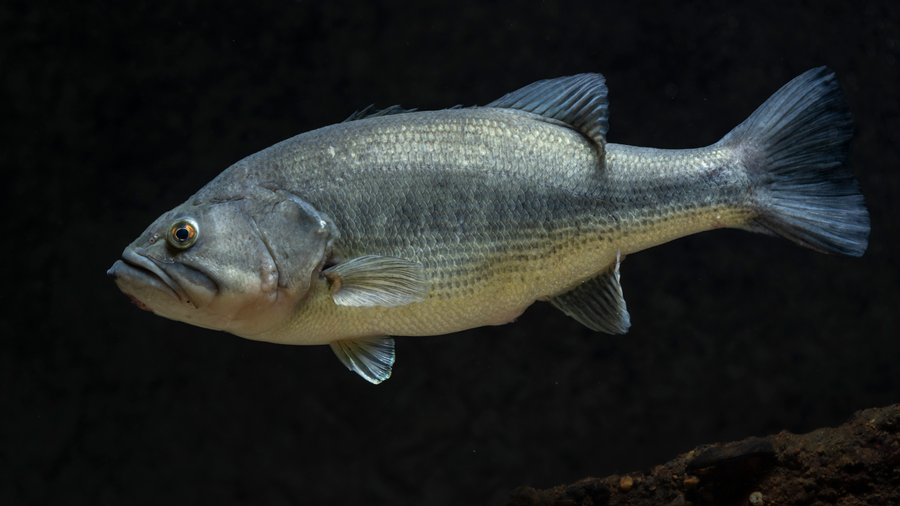
Fish
Least Concern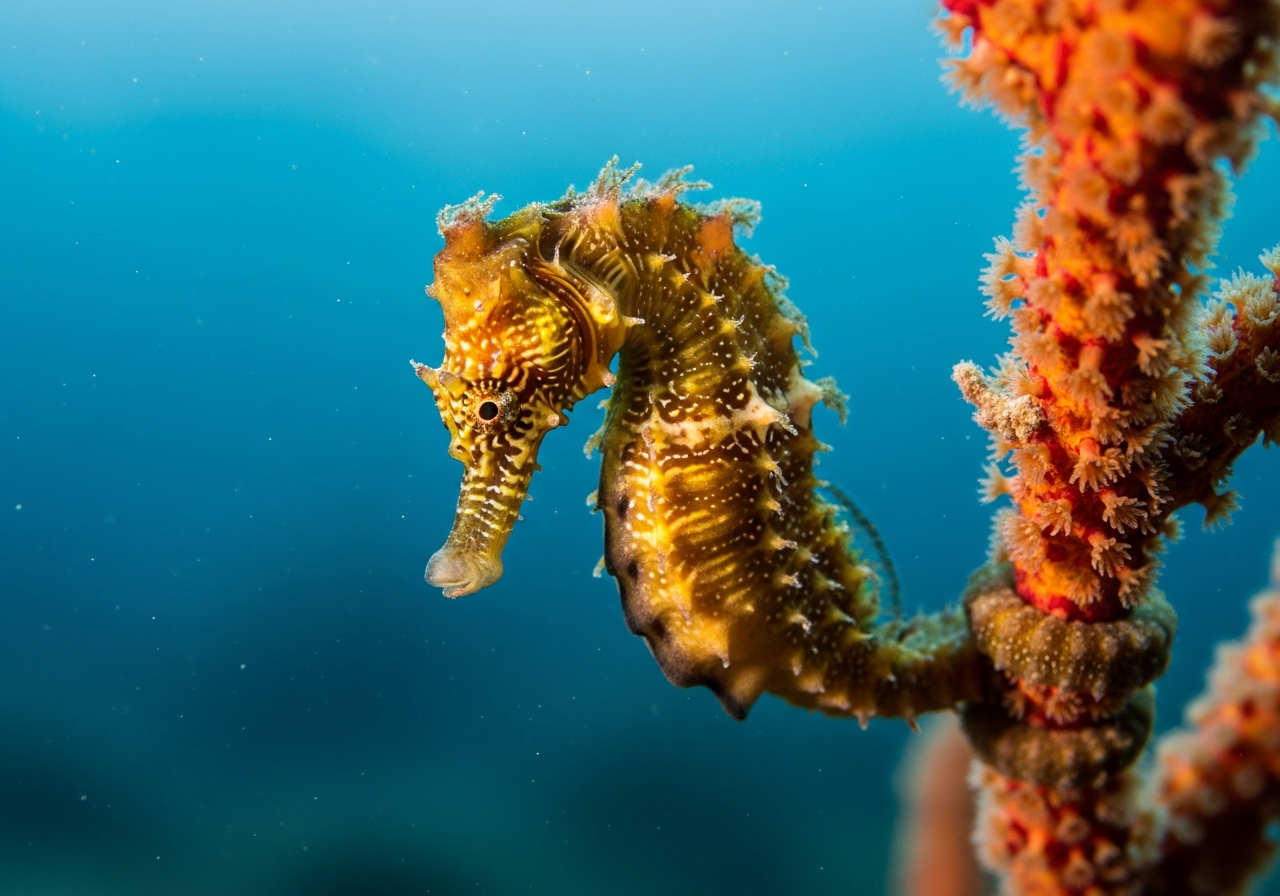
Fish
VulnerableLargemouth Bass vs Seahorse compared
| Attribute | Largemouth Bass | Seahorse |
|---|---|---|
| Weight | 2 kg | 10 g |
| Length | 45 cm | 20 cm |
| Top speed | 20 km/h | 1.5 km/h |
| Strength | 45/100 | 2/100 |
| Deadliness | 25/100 | 2/100 |
| Intelligence | 35/100 | 8/100 |
| Lifespan | 14 yr | 4 yr |
Largemouth Bass vs Seahorse: common questions
Who would win in a fight, a Largemouth Bass or a Seahorse?
In a hypothetical one-on-one, the Largemouth Bass would most likely come out on top decisively, thanks to its more dangerous natural weapons and greater size and power. In reality, animals like these rarely meet, and both would usually avoid a fight.
Which is bigger, the Largemouth Bass or the Seahorse?
The Largemouth Bass is heavier, weighing around 2 kg compared with the other's 0.01 kg.
Which is faster, the Largemouth Bass or the Seahorse?
The Largemouth Bass is faster, reaching about 20 km/h versus 1.5 km/h.
Which lives longer, the Largemouth Bass or the Seahorse?
The Largemouth Bass typically lives longer, up to around 14 years compared with 4 years.
Sources & references
Size, speed, and conservation data are drawn from established zoological references. Compare full profiles for habitat, diet, and behaviour:
- Largemouth Bass — full guide
IUCN Red List (Least Concern, Micropterus salmoides)
- Seahorse — full guide
IUCN Red List (Vulnerable, Hippocampus)
-
Global Animal Guide editorial standards
How we research, source, and review wildlife comparisons.