Quick answer
The longest-lived non-colonial animal on record is the ocean quahog clam — one nicknamed "Ming" reached 507 years. The Greenland shark is the longest-living vertebrate (around 400 years), the bowhead whale the longest-living mammal (200+ years), and the immortal jellyfish can biologically reset its age, potentially living indefinitely.
Ranked by maximum recorded lifespan
| Animal | Lifespan | Note | |
|---|---|---|---|
| Immortal jellyfish (Turritopsis dohrnii) | Potentially indefinite | Reverts to its juvenile polyp stage | |
| Black coral / glass sponges (colonial) | 2,000–4,000+ years | Colonies, not single bodies | |
| Ocean quahog clam | ~500+ (record 507) | 'Ming,' oldest non-colonial animal | |
| Greenland shark | ~400 years | Longest-living vertebrate | |
| Bowhead whale | 200+ years | Longest-living mammal | |
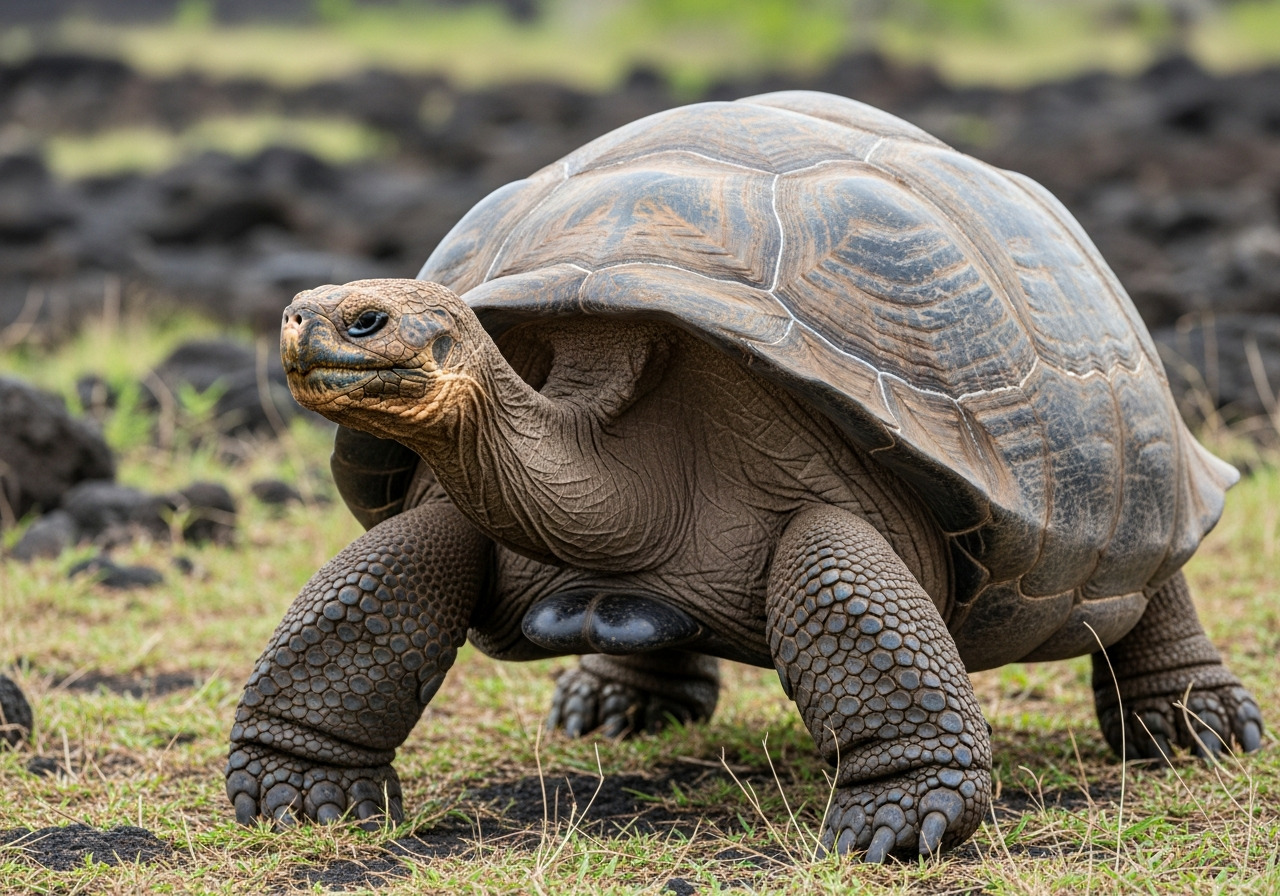 | Giant tortoise | 150–190+ | 'Jonathan,' oldest living land animal (~190+) |
| Rougheye rockfish | ~200 years | A deep-sea fish | |
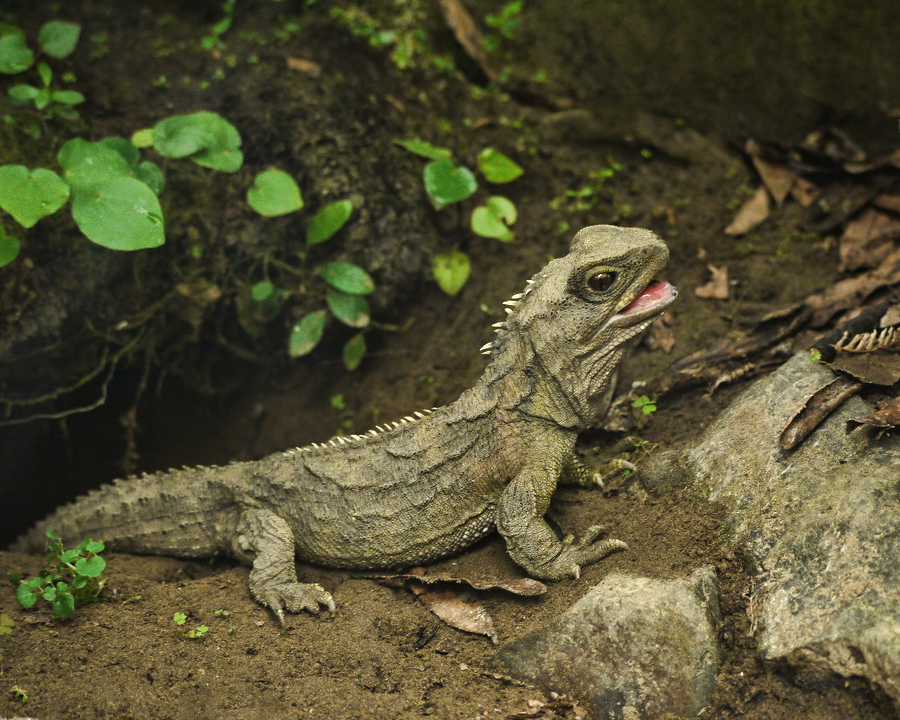 | Tuatara | 100+ years | A 'living fossil' reptile from NZ |
| Red sea urchin | 100+ years | Shows few signs of ageing | |
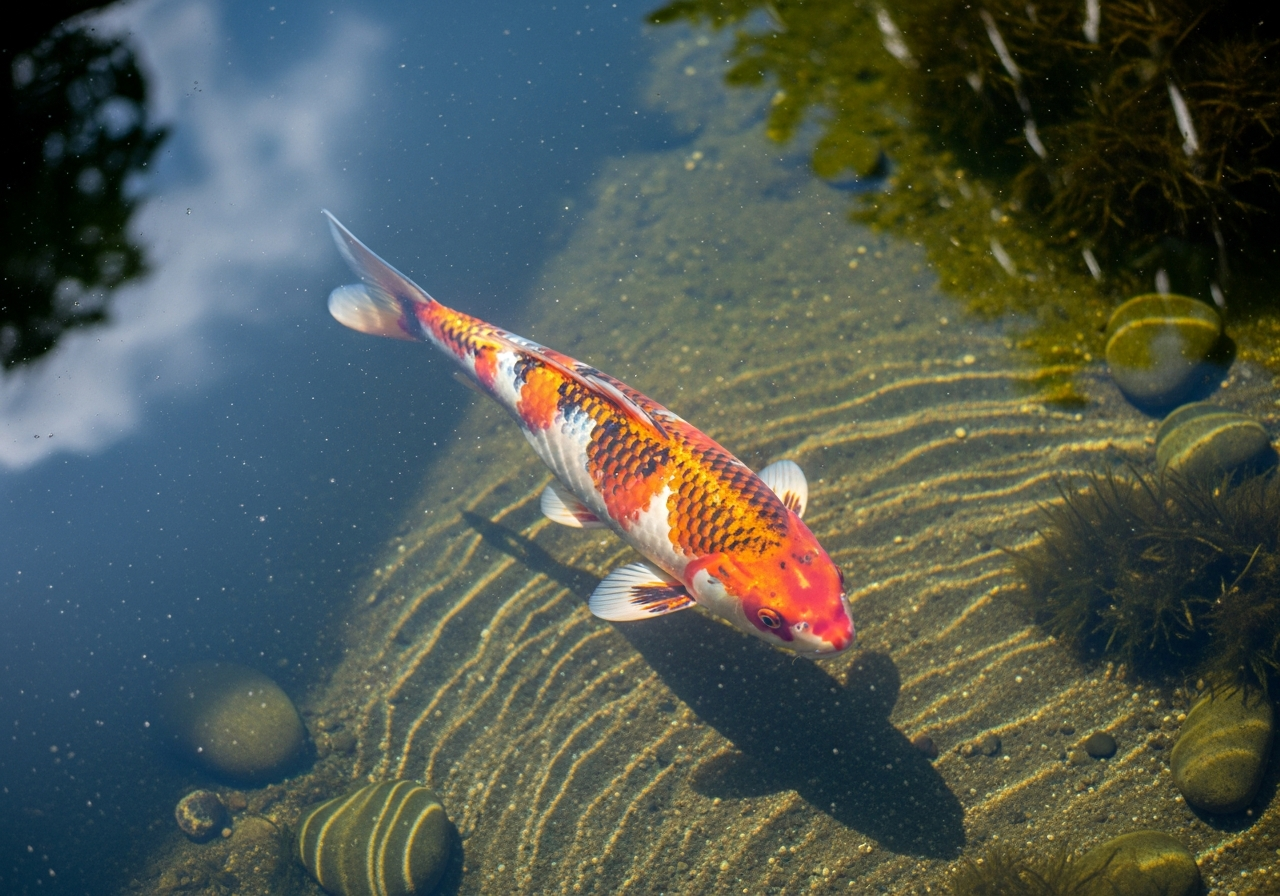 | Koi carp | 50+ (some claimed 200+) | Long-lived ornamental fish |
Why do these animals live so long?
The common threads are a slow metabolism, cold habitats (the Greenland shark and bowhead live in near-freezing water), efficient DNA repair, and resistance to cancer and cellular ageing. The Greenland shark grows about 1 cm a year and is not even ready to breed until around 150. The bowhead whale carries gene variants that repair DNA and suppress cancer.
Is the immortal jellyfish really immortal?
Biologically, almost — when injured or starving, it can revert to its earlier polyp stage and start its life cycle over, in theory endlessly. But it is not invincible: it can still be eaten or killed by disease, so "immortal" means it does not have to die of old age.
Longest-living animals: FAQs
What is the longest-living animal?
By verified age, the ocean quahog clam holds the record — one specimen nicknamed 'Ming' was found to be 507 years old. The immortal jellyfish (Turritopsis dohrnii) can potentially live indefinitely because it can revert to an earlier life stage, but it has no single verified maximum age.
What is the longest-living vertebrate?
The Greenland shark, estimated to live around 400 years. A landmark 2016 study in Science used radiocarbon dating of the sharks' eye lenses to estimate ages of up to roughly 392 years, making it the longest-living vertebrate known.
What is the longest-living mammal?
The bowhead whale, which lives over 200 years. Bowheads carry gene variants linked to DNA repair and cancer resistance, and old harpoon points found embedded in living whales helped confirm their extreme longevity.
Is the immortal jellyfish really immortal?
Biologically, almost. When injured or starving, Turritopsis dohrnii can revert to its earlier polyp stage and start its life cycle over, in theory endlessly. But it is not invincible — it can still be eaten or killed by disease. 'Immortal' simply means it does not have to die of old age.