Quick answer
Yaks (Bos grunniens) are listed in our guides as Vulnerable. That IUCN-style label describes global extinction risk and can differ from national lists — habitat loss and human pressure still decide local survival.
Key takeaway
Yaks (Bos grunniens) are listed in our guides as Vulnerable. That IUCN-style label describes global extinction risk and can differ from national lists — habitat loss and human pressure still decide local survival.
Yak conservation status
Yak (Bos grunniens) is recorded here as Vulnerable. Global categories summarise extinction risk; regional populations can be safer or worse than the headline label.
Threats facing yaks
Habitat loss around High mountain plateau and alpine tundra, hunting or persecution, climate pressure, and conflict with people are common drivers. Exact ranking of threats varies by region.
Outlook for Yak populations
Where monitoring exists, trends track protected-area quality and enforcement. Fragmented groups need corridors and genetic exchange to avoid local extinction.
What actually helps
Support verified conservation programmes, cut demand for illegal wildlife products, and protect habitat. Tourism helps only when operators follow ethical wildlife standards.
Wild yaks
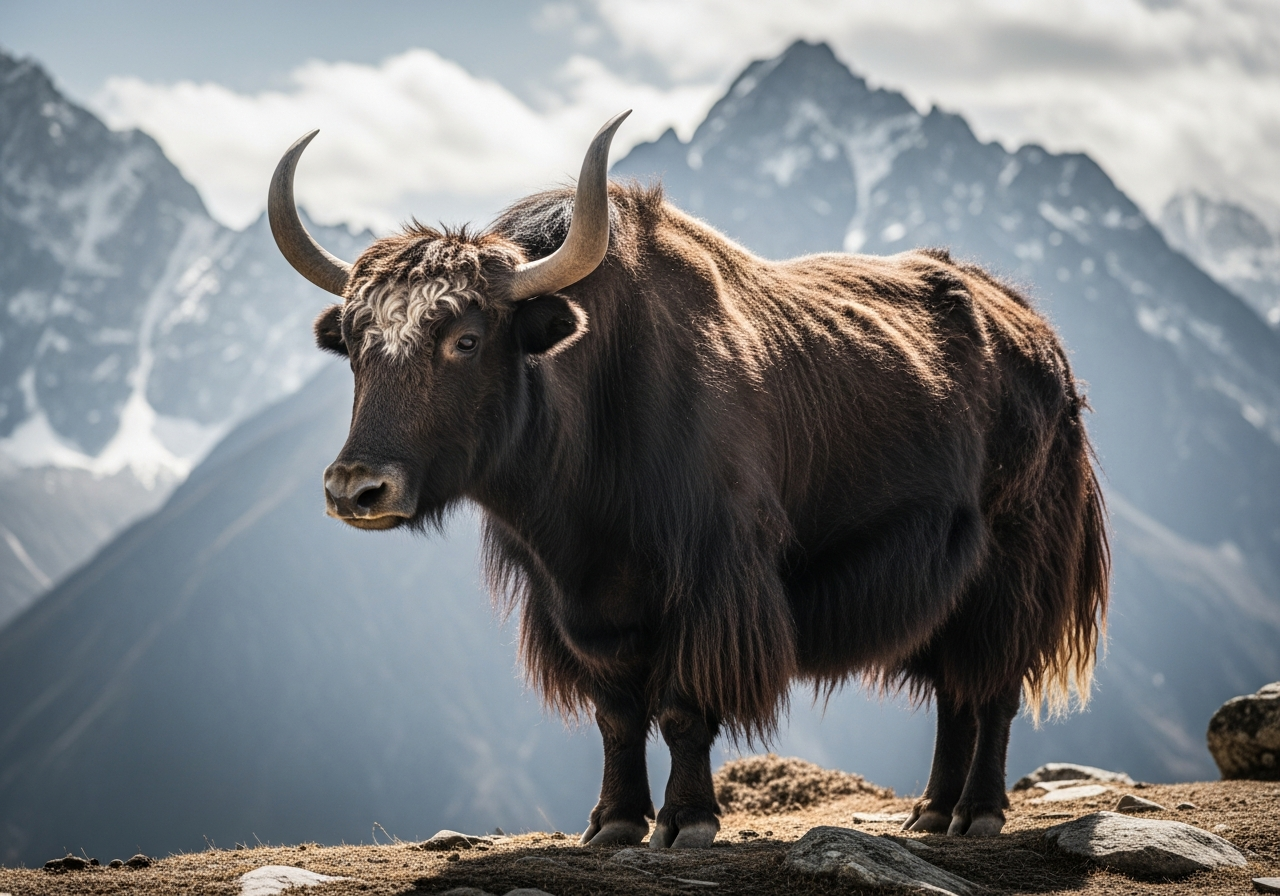
Wild yaks are much larger and darker than their domestic cousins, with bulls standing around 2 m (6.5 ft) at the shoulder. They roam remote, treeless uplands in herds and are far more formidable, capable of defending themselves against wolves.
Conservation
While domestic yaks number in the millions, the wild yak is listed as Vulnerable, reduced by hunting and by competition and interbreeding with domestic herds. Remote protected areas on the Tibetan Plateau are key to the wild yak's future.
Sources
Yak FAQs
Are yaks endangered?
Yaks (Bos grunniens) are listed in our guides as Vulnerable. That IUCN-style label describes global extinction risk and can differ from national lists — habitat loss and human pressure still decide local survival.
What is the scientific name of the yak?
Bos grunniens — used in research and conservation listings for yaks.
What do yaks eat?
Yaks are described as herbivores, with seasonal and regional variation in High mountain plateau and alpine tundra.
Where do yaks live?
They are associated with High mountain plateau and alpine tundra. Local presence depends on food, cover, and human land use.
What is the conservation status of yaks?
Listed in our guides as Vulnerable. Check the IUCN Red List and national assessments for the latest formal category.
Who this page is for. This page explains IUCN-style status. Skip it if you need an emergency wildlife-rescue number.