Quick answer
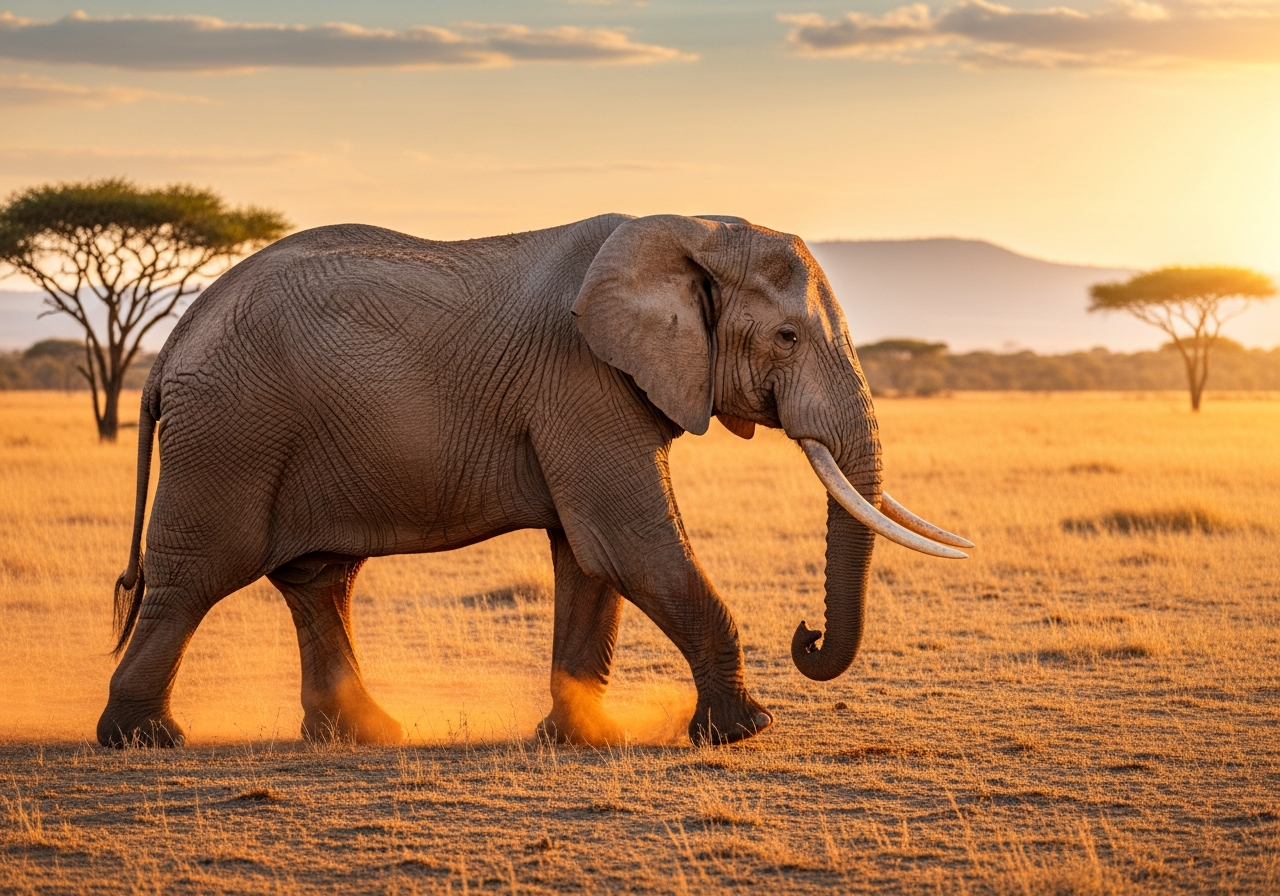
African elephants live in sub-Saharan mosaics — savanna, woodland, forest and desert edge — not Asia. This slug is the African elephant. Savanna Loxodonta africana is Endangered; forest L. cyclotis is Critically Endangered. Never feed them. Figures checked 13 August 2026.
Africa — which cover, which species?
Savanna elephants use open woodland, grassland and desert-edge routes where water still connects. Forest elephants use closed Central African forest. “Savanna, forest, desert edge” without the holes or the split was the thin version of this page. They are not Elephas maximus.
What microhabitats do they use?
Shade, wallows, mineral licks, and paths between browse and water. Desert-edge occupancy is a memory of distant water, not proof they “prefer” dunes. City-edge crop raids are lost corridors, not a suburban habitat type.
How do people shrink the map?
Fences, farms, roads that open ivory hunting, and water captured for irrigation. This is not a farms-and-suburbs occupancy story even when a bull takes maize. A Botswana stronghold is not a forest-elephant all-clear.
What does Endangered geography require?
Linked habitat, not one fenced postcard. Watch from a vehicle; never feed. Savanna Endangered and forest Critically Endangered are separate IUCN listings since March 2021. Combining them again hides the forest collapse.
Does the menu follow the map?
Yes. Grass where the mosaic is open; browse, bark and fruit where it is not. Adults often take 150–300 kg a day as a planning range. Empty vegetation cannot hold a herd that walks that much.
Do tusks expand the map?
They strip bark and dig. They also put a price on the animal. Ivory routes empty range faster than a trunk can reopen it. WARN’s elephant appeal describes proposed partner-led rescue across African range countries — it does not run Kruger elephant camps..
Sources
African Elephant FAQs
Where do African elephants live?
Sub-Saharan mosaics: savanna, woodland, forest and desert edge — wherever browse, grass and water still connect. This slug is not the Asian elephant. Savanna elephants (Loxodonta africana) are Endangered; forest elephants (L. cyclotis) are Critically Endangered in Central African forest. A Kruger density is not a continent.
Do African elephants live in Asia?
No. Asian elephants (Elephas maximus) are a different species with their own Endangered listing and crop-conflict map. Mixing India with Botswana produces a false range and a false appeal. This slug is African elephant — savanna and forest in sub-Saharan mosaics. See the Asian elephant habitat guide for that continent.
Have they lost range?
Yes. Ivory routes, fences and farms punch holes in historic occupancy. Southern strongholds can look occupied while forest-elephant blocks stay empty. “Listed in our guides as Endangered” was the thin status line — it hid the forest-elephant Critically Endangered listing.
What actually protects elephant range?
Corridors, water, and less ivory demand — plus farms that are not a death sentence when a bull follows an old path. World Animal Rescue Network’s elephant appeal describes proposed partner-led rescue — not Kruger elephant camps..
Who this page is for. This page is native range and habitat, not a sighting hotline.