Quick answer
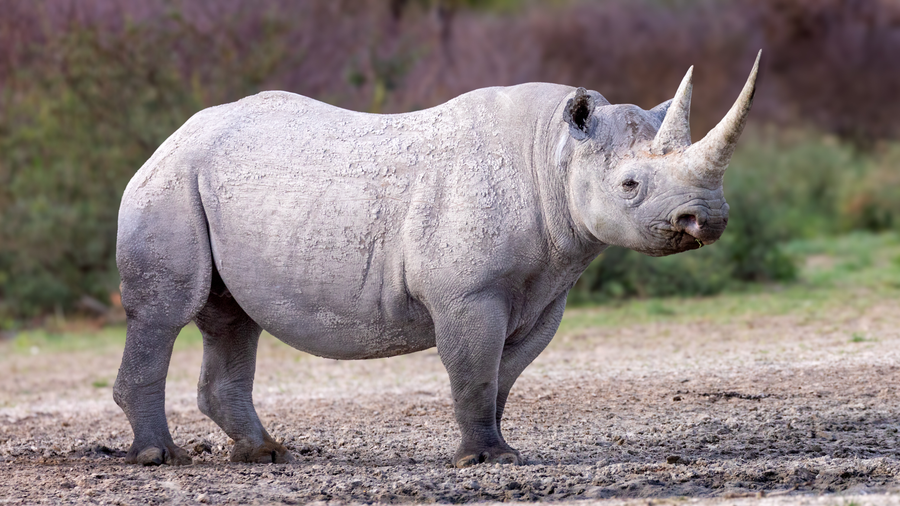
The black rhinoceros is a large African rhino with a hooked upper lip for browsing shrubs, weighing 800–1,400 kg (1,750–3,100 lb) despite its name referring to soil colour, not hide. Critically endangered from poaching for horn, fewer than 6,500 remain across scattered eastern and southern African reserves.
Key takeaway
The black rhinoceros is a large African rhino with a hooked upper lip for browsing shrubs, weighing 800–1,400 kg (1,750–3,100 lb) despite its name referring to soil colour, not hide. Critically endangered from poaching for horn, fewer than 6,500 remain across scattered eastern and southern African reserves.
Black Rhinoceros overview
Black Rhinoceros (Diceros bicornis) is a mammal listed here as Critically Endangered. Typical weight 800–1,400 kg (1,750–3,100 lb); lifespan around 35–50 years in the wild.
Black Rhinoceros ecology
Diet: Herbivore — leaves, branches, and woody browse. Habitat: Savannas, scrub, and dry woodland of eastern and southern Africa. Movement and social systems reflect those pressures across the native range.
Black Rhinoceross and people
Learn before you travel or keep related pets. Wild black rhinoceross are not toys; captive care needs species-specific husbandry.
Status and further reading
Conservation label in our guides: Critically Endangered. See the full Black Rhinoceros profile for taxonomy, FAQs, and related topic guides on this site.
Hooked lip browser
The prehensile pointed upper lip lets black rhinos strip leaves from thorny acacia and succulents that grass-eating white rhinos cannot exploit. They have poor eyesight but acute hearing and smell, charging threats they detect downwind.
Solitary temperament
Black rhinos are more solitary and aggressive than white rhinos, with bulls maintaining territories and cows accompanying calves. Mothers are fiercely protective — most human injuries involve surprised animals on foot.
Sources
Black Rhinoceros FAQs
What are key facts about black rhinoceross?
The black rhinoceros is a large African rhino with a hooked upper lip for browsing shrubs, weighing 800–1,400 kg (1,750–3,100 lb) despite its name referring to soil colour, not hide. Critically endangered from poaching for horn, fewer than 6,500 remain across scattered eastern and southern African reserves.
What is the scientific name of the black rhinoceros?
Diceros bicornis — used in research and conservation listings for black rhinoceross.
What do black rhinoceross eat?
Black Rhinoceross eat leaves, branches, and woody browse, with seasonal and regional variation in Savannas, scrub, and dry woodland of eastern and southern Africa.
Where do black rhinoceross live?
They are associated with Savannas, scrub, and dry woodland of eastern and southern Africa. Local presence depends on food, cover, and human land use.
What is the conservation status of black rhinoceross?
Listed in our guides as Critically Endangered. Check the IUCN Red List and national assessments for the latest formal category.