Quick answer
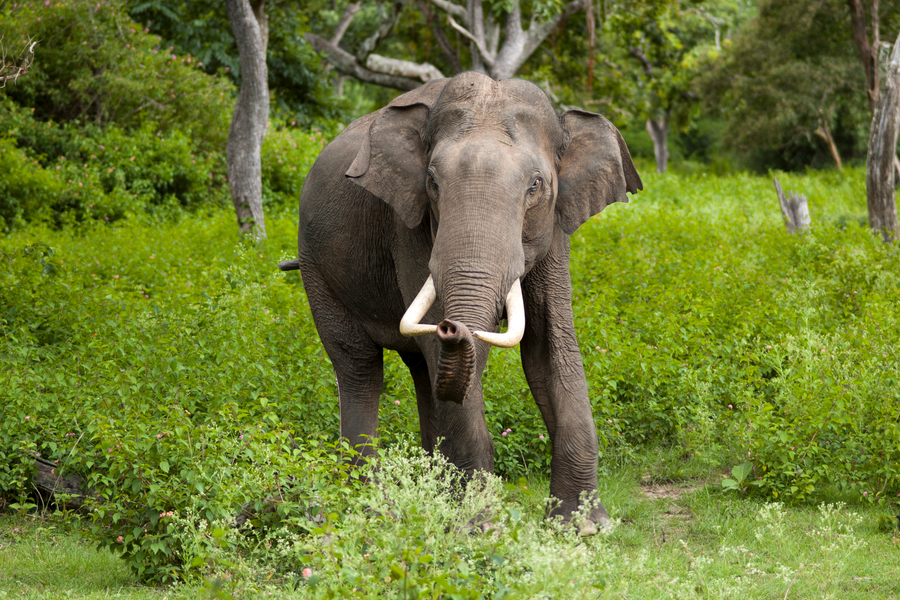
Asian elephants eat grasses, bark, roots and fruit in South and Southeast Asian forest — and crops where fields replace corridors. They are not African savanna elephants. Never feed wild elephants. Figures checked 13 August 2026.
What do Asian elephants actually eat?
Grasses, bamboo, bark, roots and fruit first. Crops fill the gap when forest is gone. “Herbivore in tropical forests and grasslands” without the conflict catch was the template line. They are not a savanna default.
How do Asian elephants forage?
One finger at the trunk tip plucks and strips. Herds follow remembered routes between water and forage. Lean seasons here mean farmland mosaics, not a missing Serengeti. Night crop raids are a map of missing wild plants.
What do they do to the food web?
They open forest, move seeds, and keep some grasslands in a browse mosaic. Empty that role and you get crop fields with no buffer. Diet conservation is corridor conservation.
Does livestock start this — or crops?
Crops. Never feed wild Asian elephants. A banana at a roadside is the next fatal encounter. Conflict killing is a leading threat, not proof they “prefer” rice.
Does the African menu apply?
No. WARN’s elephant appeal describes proposed partner-led rescue — not Indian forest camps.
Sources
Asian Elephant FAQs
What do Asian elephants eat?
Grasses, leaves, bark, roots and fruit in tropical forest and grassland across South and Southeast Asia — often 150 kg of plants a day. Crops enter the menu where fields replace forest. They are not African savanna browsers as a default. Never feed wild elephants.
Do they eat the same things as African elephants?
Overlap on plants, different map. African savanna copy about acacia and open grassland is the wrong continent. Asian herds move through denser forest and farmland mosaics. One trunk finger still handles bark and fruit. Mixing menus mixes Loxodonta with Elephas.
How does diet link to conservation?
Empty forest pushes herds onto rice, sugarcane and oil palm, then into guns and trains. The species is Endangered (IUCN 2020). A fruit handout at a camp is conflict, not conservation. Captive calories are not a wild corridor through farmland.
What actually helps their food web?
Standing forest, linked forage routes, and farmers who are not forced into revenge. World Animal Rescue Network’s elephant appeal describes proposed partner-led rescue — not Indian forest camps. Never bait a wild herd for photographs. This is not African savanna copy.
Who this page is for. This page is about wild diet. Skip it if you need a captive feeding plan from a veterinarian.
Do matriarchs decide the menu?
Related females and young follow the oldest female’s memory of forage and water. Adult males often travel alone. That social fact is not a riding-camp programme.