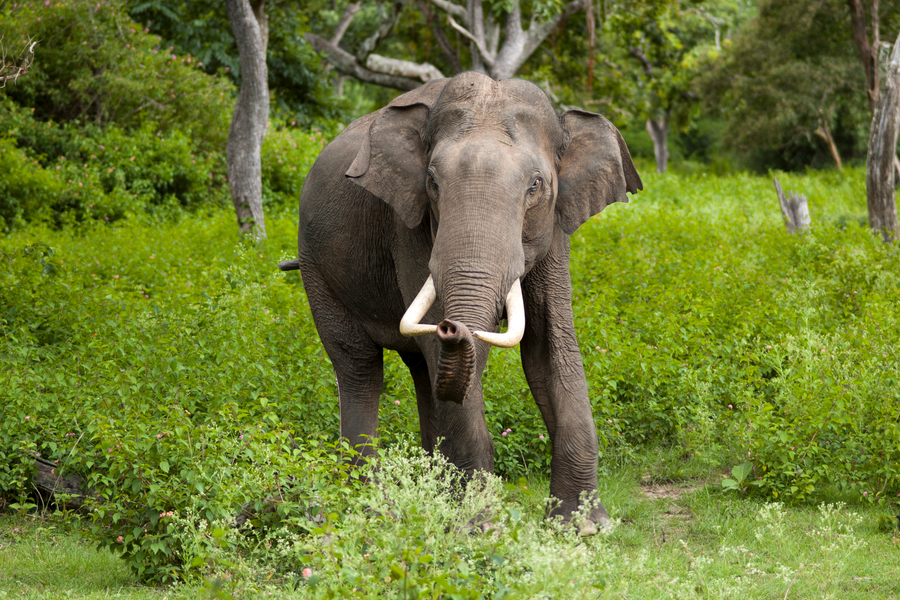
Quick answer
IUCN lists Asian elephants (Elephas maximus) as Endangered (2020). They are not African Loxodonta. Habitat loss and human–elephant conflict across South and Southeast Asia drive the listing. Figures checked 13 August 2026.
Are Asian elephants Endangered?
Yes. IUCN 2020: Endangered. “Listed in our guides as Endangered” without the Africa split and conflict map was the thin version of this page. Smaller ears and one trunk finger do not change the listing.
What is driving the decline?
Fragmented forest, crop-raiding that turns into revenge killing, roads and railways, and poaching where ivory still pays. This is not an African savanna paragraph. Ranking those threats changes by country — Sumatra is not Assam.
Is a temple or camp photo an all-clear?
No. Captive working elephants are a welfare map, not wild recovery. Wild herds still need corridors through farmland. A festival animal is not a census of Elephas maximus.
What actually helps?
Linked habitat, early-warning for villages, and tourism that does not offer riding. WARN’s elephant appeal describes proposed partner-led rescue — not Indian forest camps.
Is crop-raiding the Asian story?
Often yes. As forests shrink, herds hit fields, then trains, then guns. Sumatran and Bornean subspecies face palm-oil and logging pressure that African savanna copy cannot describe.
Why does Endangered still hold?
Because fragments across 13 countries can still wink out one by one. Treat under 50,000 as planning, not a victory lap. Corridors beat a single fenced camp.
Sources
Asian Elephant FAQs
Are Asian elephants endangered?
IUCN lists the Asian elephant (Elephas maximus) as Endangered (2020). That is not the African savanna elephant (Loxodonta africana) and not the forest elephant (Loxodonta cyclotis). Habitat loss and human–elephant conflict across South and Southeast Asia drive the listing. Figures checked 13 August 2026.
How many Asian elephants are left?
Treat fewer than 50,000 in the wild as a widely cited planning range, fragmented across about 13 countries — not a weekly census. India holds a large share; Sumatran and Bornean animals face acute forest loss. An African savanna stronghold is not this map.
Are they the same as African elephants?
No. Asian elephants have smaller ears, a twin-domed head, and one “finger” at the trunk tip. African savanna elephants have larger ears and two trunk fingers. Mixing them produces the false story that an ivory headline in Africa protects Indian forest herds. They are not a riding camp as conservation.
What actually helps Asian elephants?
Corridors, conflict reduction so farmers are not forced into revenge, and cutting ivory demand. World Animal Rescue Network’s elephant appeal describes proposed partner-led rescue. WARN does not run Indian forest camps. Riding is not recovery.
Who this page is for. This page explains IUCN-style status. Skip it if you need an emergency wildlife-rescue number.