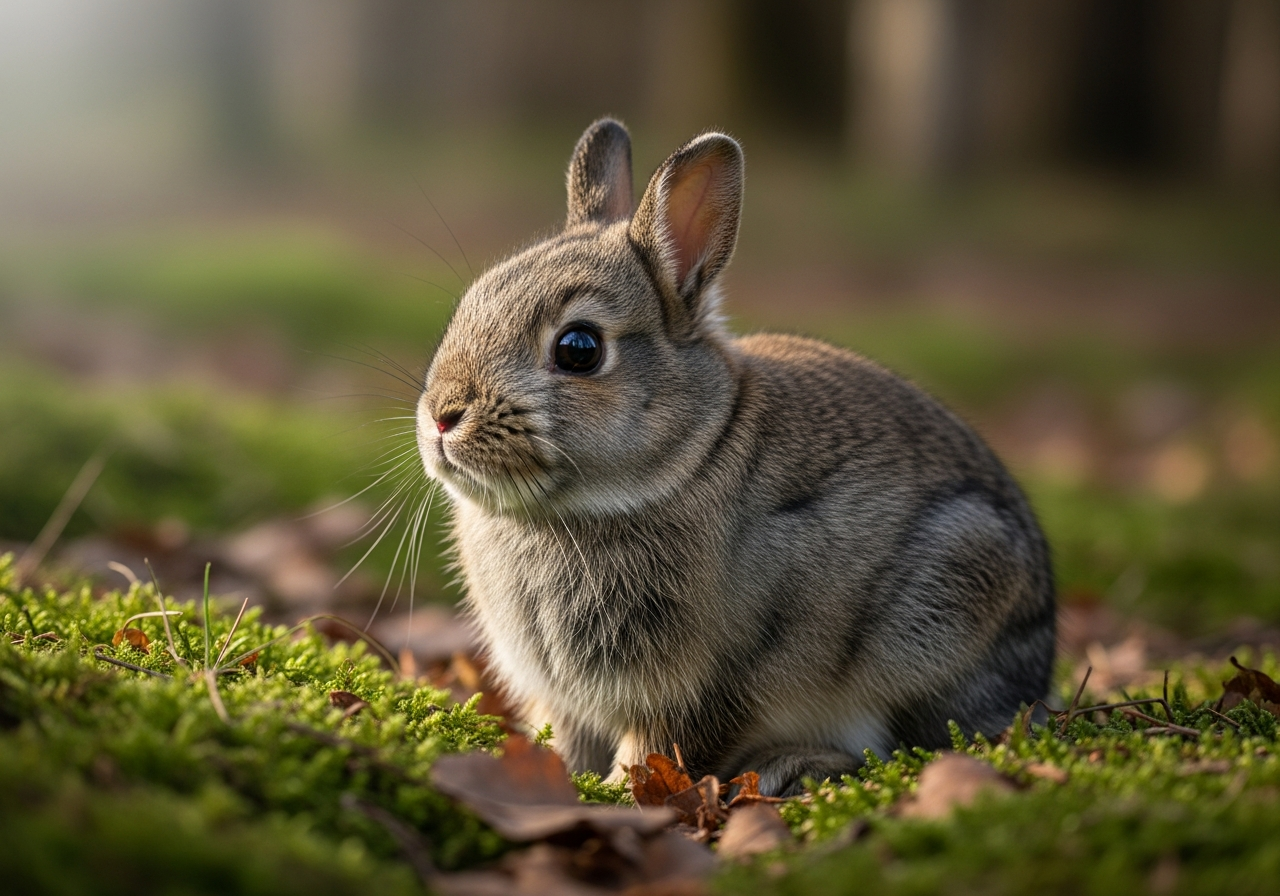
Netherland Dwarf
Quick answer
The Netherland Dwarf is one of the smallest rabbit breeds, weighing just 0.5–1.1 kg, recognized for its round head, short ears, and baby-faced look paired with an energetic, spirited, and curious personality.
Netherland Dwarf at a glance
| Origin | Netherlands |
|---|---|
| Size | Tiny (0.5–1.1 kg) |
| Weight | 0.5–1.1 kg (1.1–2.5 lb) |
| Lifespan | 10–12 years |
| Coat | Short, soft rollback coat; low grooming needs |
| Temperament | Energetic, spirited, curious |
| Good with | Gentle older children, calm adults, small spaces |
History of the Netherland Dwarf
The Netherland Dwarf was developed in the Netherlands in the early 20th century by crossing small Polish rabbits with wild rabbits to fix the dwarf gene. Selective breeding produced a tiny rabbit with a compact body and short ears. The breed reached England in the late 1940s and the United States in the 1960s and 1970s. Today it is one of the most popular show and pet breeds and has influenced many other dwarf varieties.
Interesting facts about the Netherland Dwarf
- The Netherland Dwarf is one of the smallest domestic rabbit breeds in the world.
- Its dwarfism comes from a specific gene that gives it a round head and short ears.
- The breed comes in a very wide range of recognized colors and patterns.
- Its compact build and large eyes give it a permanently baby-like appearance.
Common health issues in the Netherland Dwarf and how to help
Like all rabbit breeds, the Netherland Dwarf can be more prone to a few specific health conditions. Knowing the early signs helps you act quickly — always consult a qualified vet for diagnosis and treatment.
Dental malocclusion
What it is: Their short, compact faces make misaligned or overgrown teeth more likely, leading to difficulty eating or drooling.
How to help: Plenty of hay supports healthy wear, and a vet can correct the teeth and monitor them over time.
Gastrointestinal stasis
What it is: Gut slowdown is a common rabbit emergency, shown by loss of appetite and fewer droppings.
How to help: A fiber-rich diet and hydration help prevent it, and any signs need prompt veterinary care.
Respiratory infections
What it is: Rabbits can develop respiratory infections, often called snuffles, with sneezing or nasal discharge.
How to help: A vet can diagnose the cause and treat it, and good ventilation and clean housing reduce the risk.
This is general information for owners, not veterinary advice. If you are worried about your rabbit's health, contact your vet.
Frequently asked questions about the Netherland Dwarf
How small is a Netherland Dwarf rabbit?
The Netherland Dwarf is among the smallest rabbit breeds, typically weighing only 0.5 to 1.1 kg (about 1 to 2.5 pounds) as an adult.
Are Netherland Dwarf rabbits good for beginners?
They can be, but they tend to be energetic and sometimes shy, so they often suit gentle owners and older children rather than very young handlers. Early socialization helps them become calm and friendly.
How long do Netherland Dwarf rabbits live?
Netherland Dwarfs are long-lived for rabbits, commonly reaching 10 to 12 years with proper diet, housing, and veterinary care.