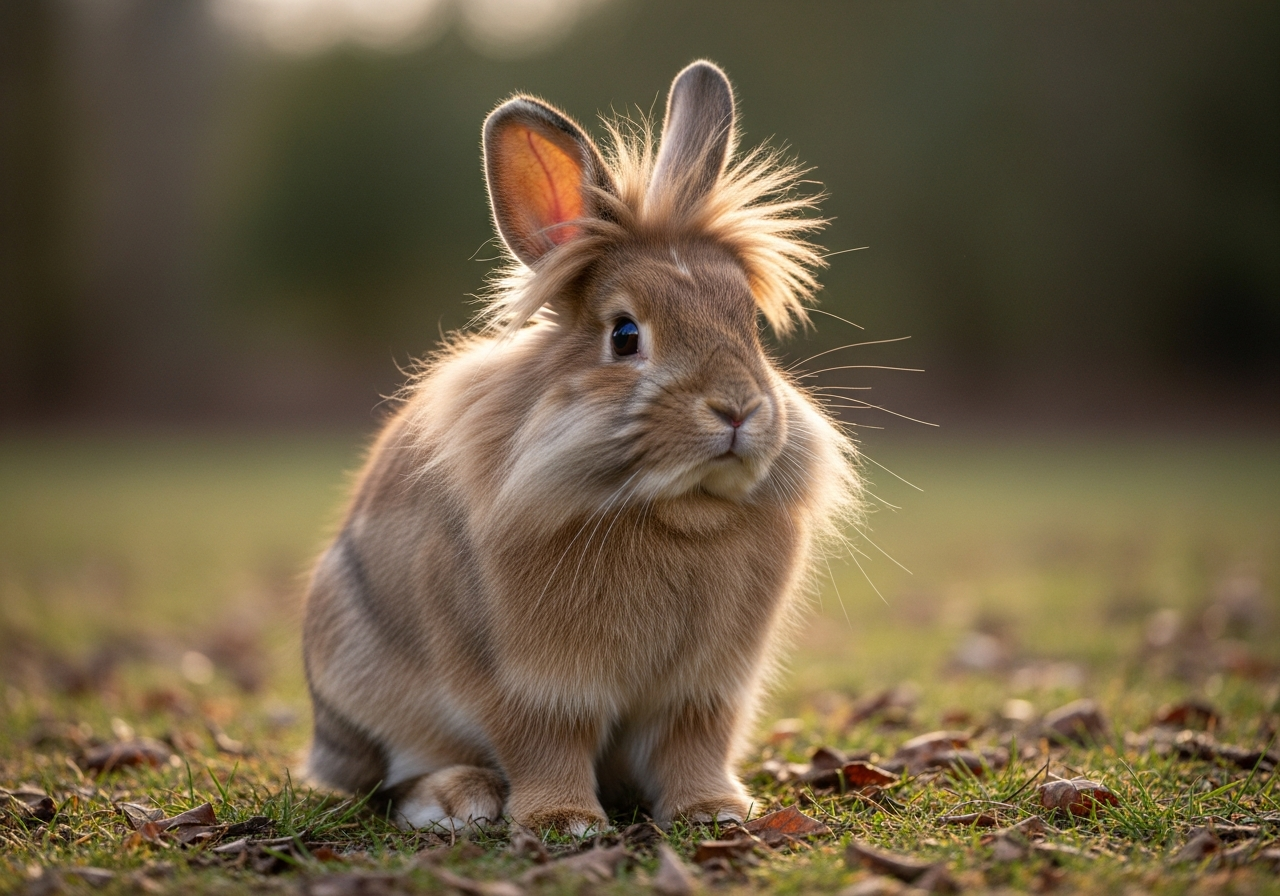
Lionhead
Quick answer
The Lionhead is a small rabbit weighing about 1.3–1.7 kg, instantly recognized by the woolly mane of fur encircling its head, and is prized as a friendly, lively, and affectionate companion that enjoys attention.
Lionhead at a glance
| Origin | Belgium |
|---|---|
| Size | Small (1.3–1.7 kg) |
| Weight | 1.3–1.7 kg (3–3.75 lb) |
| Lifespan | 7–10 years |
| Coat | Woolly mane around head; needs regular brushing |
| Temperament | Friendly, lively, affectionate |
| Good with | Families, gentle children, attentive owners |
History of the Lionhead
The Lionhead originated in Belgium, where a genetic mutation produced the distinctive mane of longer wool around the head. The trait spread through breeding programs in Europe before the rabbit gained popularity in the United Kingdom and beyond. The breed was recognized by the British Rabbit Council and later by the American Rabbit Breeders Association in 2014. Selective breeding has refined the mane and body type, making the Lionhead a widely kept pet and show rabbit.
Interesting facts about the Lionhead
- The Lionhead's mane is caused by a genetic mutation that produces longer wool.
- The breed was one of the most recently recognized by the American Rabbit Breeders Association, in 2014.
- Some Lionheads have a single mane while others carry a double mane gene.
- Its wool requires regular brushing to prevent matting around the head and chest.
Common health issues in the Lionhead and how to help
Like all rabbit breeds, the Lionhead can be more prone to a few specific health conditions. Knowing the early signs helps you act quickly — always consult a qualified vet for diagnosis and treatment.
Gastrointestinal stasis
What it is: Grooming their woolly mane can lead to ingested hair that contributes to gut slowdown, shown by reduced eating and fewer droppings.
How to help: A high-hay diet, grooming help, and prompt veterinary care reduce the risk, as stasis can become life-threatening.
Dental malocclusion
What it is: Misaligned or overgrown teeth can make eating painful and cause drooling or weight loss.
How to help: Unlimited hay supports natural wear, and a vet can trim teeth and check the mouth regularly.
Flystrike
What it is: Flystrike occurs when flies lay eggs on a soiled or damp rabbit and is a serious emergency, especially in warm months.
How to help: Keeping the rabbit clean and dry and checking it daily helps, and any signs need immediate veterinary care.
This is general information for owners, not veterinary advice. If you are worried about your rabbit's health, contact your vet.
Frequently asked questions about the Lionhead
Why does a Lionhead rabbit have a mane?
The Lionhead's mane comes from a genetic mutation, the mane gene, which produces a ring of longer wool around the head and sometimes the chest, giving it a lion-like look.
Do Lionhead rabbits need a lot of grooming?
Yes, more than short-haired breeds. Their woolly mane can mat, so regular brushing, especially during molts, is needed to keep the coat healthy and tangle-free.
Are Lionhead rabbits friendly?
Generally yes. Lionheads are known for being friendly, lively, and affectionate, and they often enjoy human attention when handled gently and socialized from a young age.