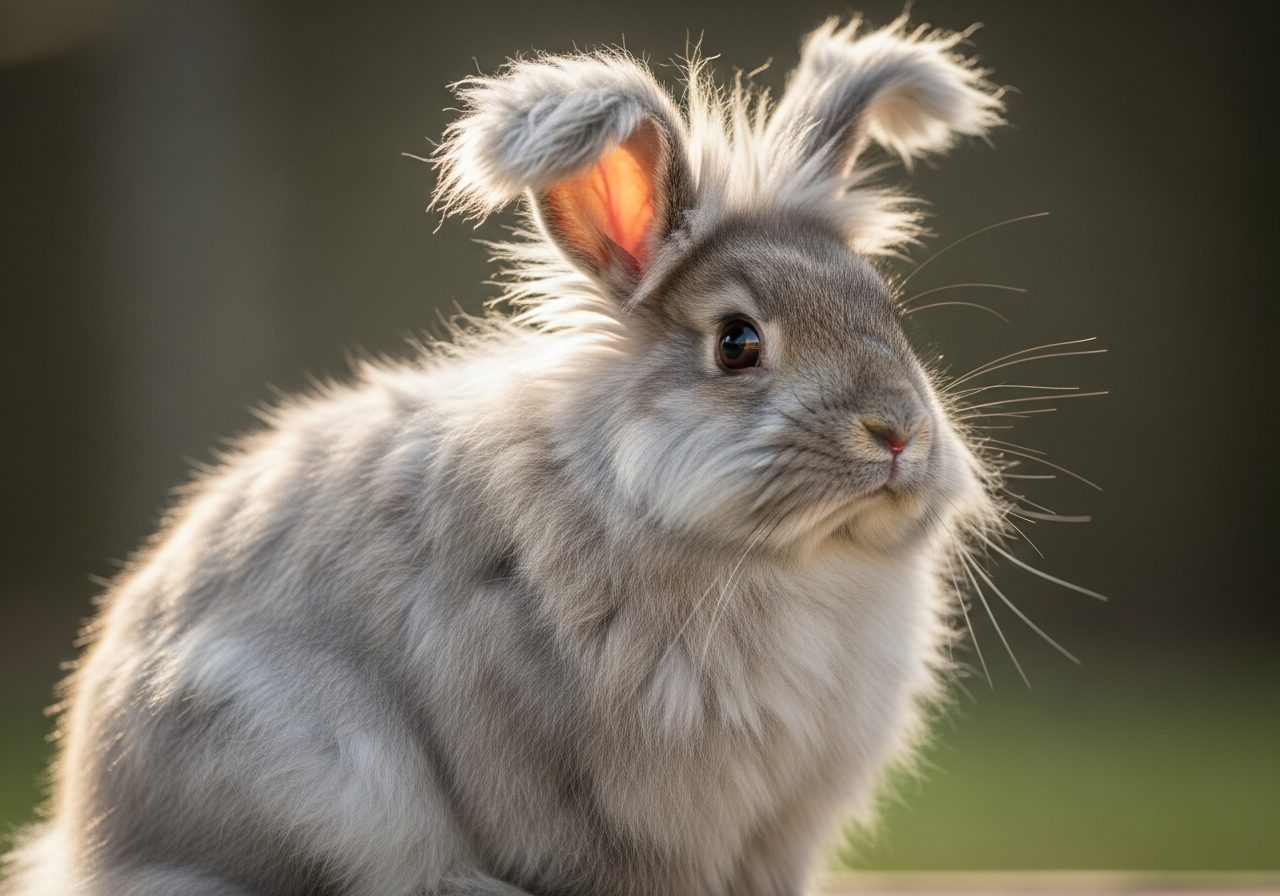
English Angora
Quick answer
The English Angora is a medium rabbit weighing about 2–3.5 kg, covered in dense, prized wool that gives it a powder-puff look, and is docile and gentle but requires frequent grooming to prevent matting.
English Angora at a glance
| Origin | Turkey (Ankara) |
|---|---|
| Size | Medium (2–3.5 kg) |
| Weight | 2–3.5 kg (4.4–7.7 lb) |
| Lifespan | 7–12 years |
| Coat | Long, dense wool; needs frequent brushing and trimming |
| Temperament | Docile, gentle, calm |
| Good with | Experienced owners, dedicated groomers, calm adults |
History of the English Angora
Angora rabbits trace their origins to Ankara (historically Angora) in Turkey, long famed for its wool-bearing animals. The breed reached France in the 18th century and became fashionable among European nobility, prized for its soft fiber. Over time distinct types developed, and the English Angora was refined in Britain as the smallest of the Angora varieties, notable for the wool that even covers its face and ears. It remains popular among hobbyists for both wool production and companionship.
Interesting facts about the English Angora
- The English Angora is the smallest of the recognized Angora rabbit breeds.
- Wool grows over its entire body, including the face and ears, giving a powder-puff look.
- Angora wool is prized for being exceptionally soft, light, and warm.
- The breed traces back to Ankara, Turkey, the source of its name.
Common health issues in the English Angora and how to help
Like all rabbit breeds, the English Angora can be more prone to a few specific health conditions. Knowing the early signs helps you act quickly — always consult a qualified vet for diagnosis and treatment.
Wool block and GI stasis
What it is: Their long wool can be ingested during grooming and contribute to dangerous gut slowdowns, shown by reduced eating and fewer droppings.
How to help: Frequent grooming, a high-hay diet, and prompt veterinary care help prevent and manage it.
Flystrike
What it is: Flystrike occurs when flies lay eggs on a soiled or damp rabbit and is a serious emergency, and dense wool can hide a dirty coat.
How to help: Keeping the rabbit clean and dry and checking it daily in warm months helps, and any signs need immediate veterinary care.
Dental malocclusion
What it is: Misaligned or overgrown teeth can make eating painful and cause drooling or weight loss.
How to help: Unlimited hay supports natural wear, and a vet can trim teeth and check the mouth regularly.
This is general information for owners, not veterinary advice. If you are worried about your rabbit's health, contact your vet.
Frequently asked questions about the English Angora
How often do English Angora rabbits need grooming?
English Angoras need frequent grooming, often several times a week and daily during molts, to prevent their long wool from matting and to reduce the risk of ingesting hair.
Can you harvest wool from an English Angora?
Yes. Angora wool can be gently brushed out, clipped, or hand-plucked during molting, and it is valued for being soft, lightweight, and warm.
Are English Angora rabbits good for beginners?
They are gentle and calm but require a serious grooming commitment, so they are better suited to experienced owners or those prepared to maintain the coat regularly.