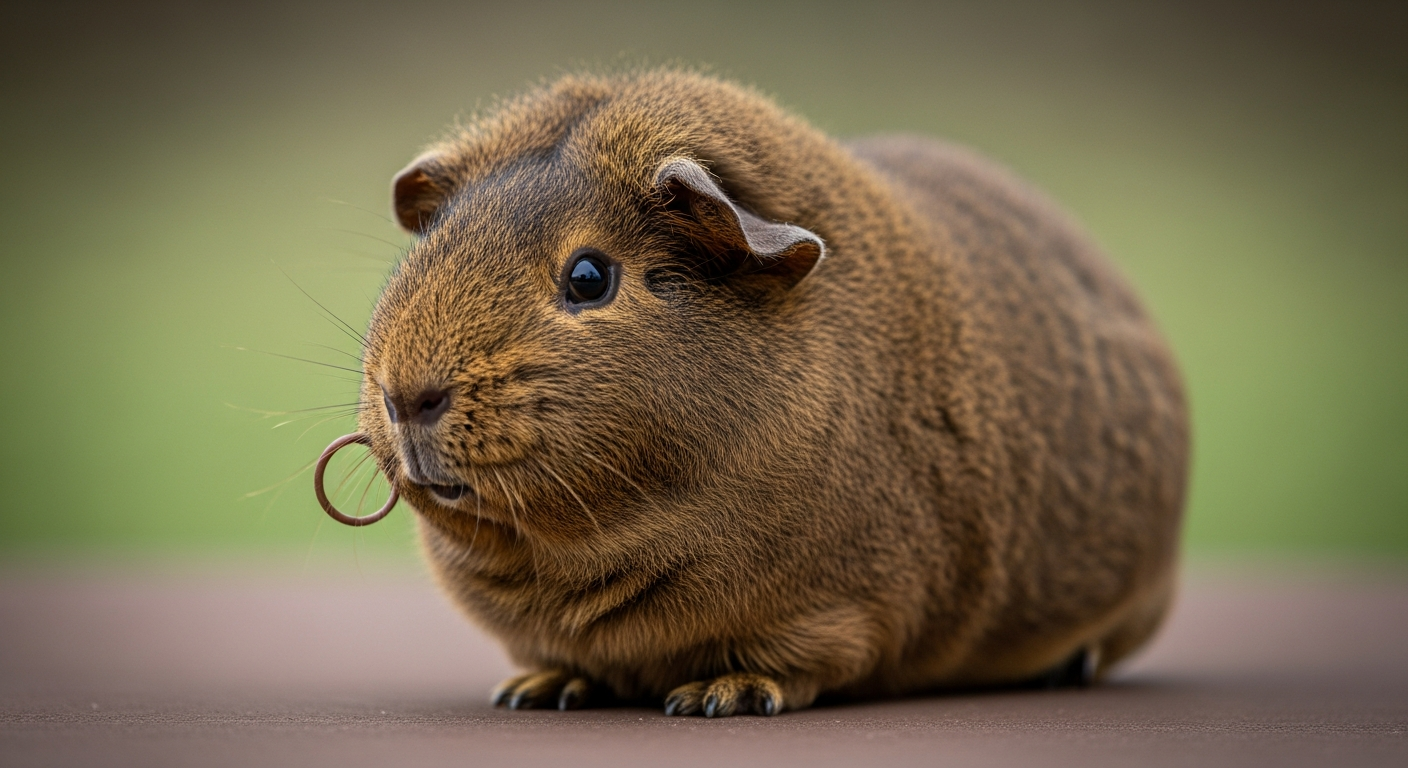
Rex
Quick answer
The Rex is a short-haired guinea pig breed with a dense, woolly, springy coat and curled whiskers, caused by a lack of guard hairs. Friendly and docile with low grooming needs, it is one of the larger breeds and makes a hardy, easy-care pet.
Rex at a glance
| Origin | South America |
|---|---|
| Size | Large (1,000–1,400 g) |
| Weight | 1,000–1,400 g (2.2–3.1 lb) |
| Lifespan | 5–7 years |
| Coat | Short, dense, woolly coat without guard hairs; low grooming |
| Temperament | Friendly, docile, sociable |
| Good with | Families, children, first-time owners |
History of the Rex
The Rex coat arises from a recessive gene that removes the long guard hairs, leaving a dense, springy undercoat that stands away from the body. Rex guinea pigs trace back to South America and have long been kept as both pets and show animals. The breed is often confused with the Teddy, but the two come from different genetic mutations. Among the larger guinea pig breeds, the Rex is valued for its plush texture, sturdy build, and gentle, sociable nature.
Interesting facts about the Rex
- The Rex's coat lacks guard hairs, giving it a uniquely dense, woolly texture.
- Its whiskers are often curled or kinked rather than straight.
- The Rex is one of the larger guinea pig breeds.
- It is frequently confused with the Teddy, but the two come from different genes.
Common health issues in the Rex and how to help
Like all guinea pig breeds, the Rex can be more prone to a few specific health conditions. Knowing the early signs helps you act quickly — always consult a qualified vet for diagnosis and treatment.
Vitamin C deficiency (scurvy)
What it is: Rex guinea pigs cannot make their own vitamin C, so a deficiency can cause swollen joints, a rough coat, lethargy, and poor appetite.
How to help: Offer fresh greens, hay, and a vet-recommended vitamin C source daily, and see a vet promptly if you notice stiffness or weakness.
Bumblefoot (pododermatitis)
What it is: As a heavier breed, the Rex can develop sore, inflamed footpads, especially on rough or dirty flooring, with signs of swelling, redness, or limping.
How to help: Provide soft, clean, dry bedding and smooth flooring, and see a vet if the feet look sore so it can be diagnosed and managed early.
Dental (overgrown teeth)
What it is: Continuously growing teeth can overgrow without enough chewing, causing drooling, dropped food, and weight loss.
How to help: Provide unlimited grass hay for natural wear and have a vet check the teeth regularly so any overgrowth can be trimmed.
This is general information for owners, not veterinary advice. If you are worried about your guinea pig's health, contact your vet.
Frequently asked questions about the Rex
What is special about a Rex guinea pig's coat?
The Rex lacks the long guard hairs other guinea pigs have, leaving a short, dense, woolly coat that stands away from the body with a springy feel.
Are Rex and Teddy guinea pigs the same?
No. They look similar and both have plush coats, but the Rex and Teddy come from different genetic mutations.
Are Rex guinea pigs good pets?
Yes. They are friendly, docile, and sociable, and their short coat needs little grooming, making them a great choice for families.