Quick answer
Pack howl, lone howl, bark, whimper — use the descriptions below to match what you heard at night or on a recording.
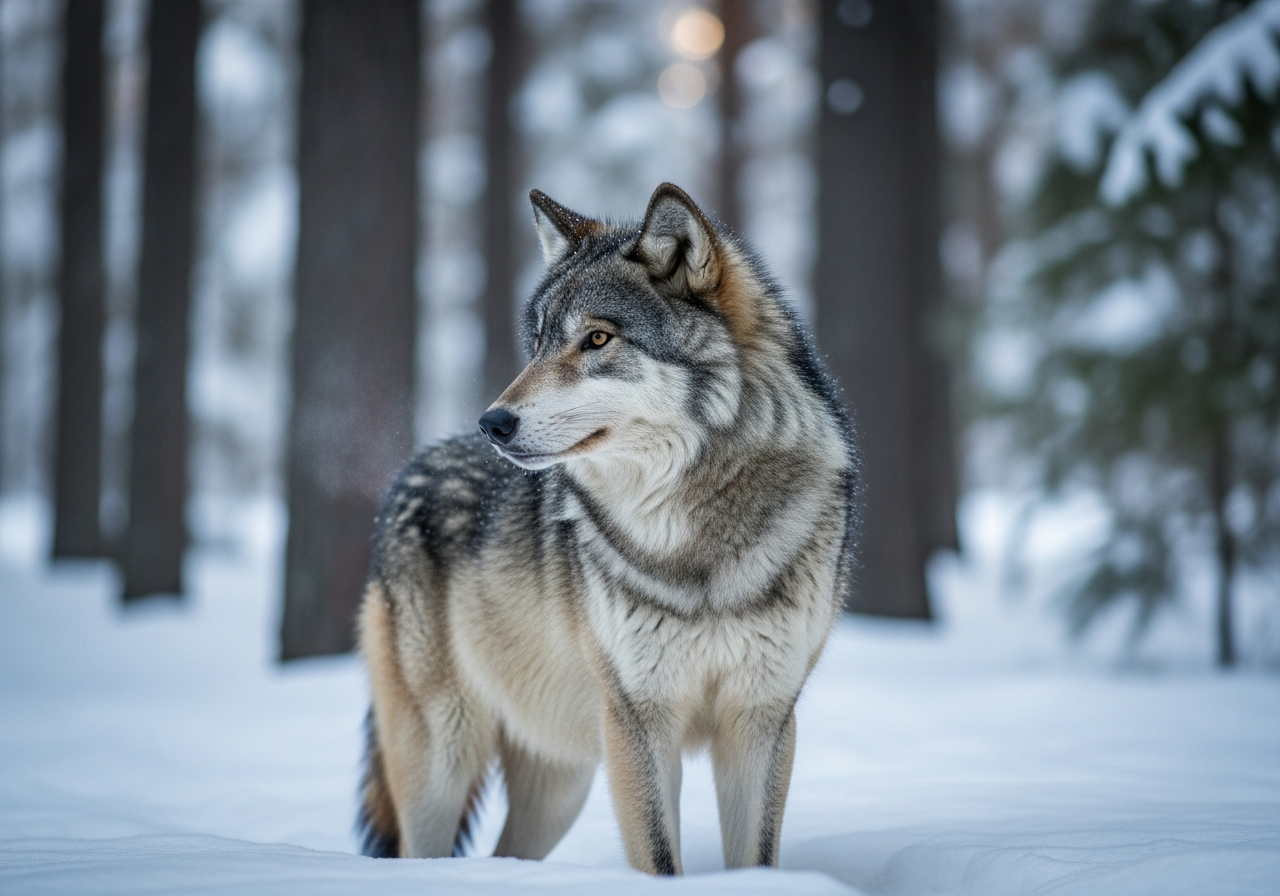
-
Pack howl
A rising then falling chorus as multiple wolves join — used to bond the pack and warn rivals off territory.
-
Lone howl
A single sustained note, often from a dispersing wolf seeking a mate or locating packmates.
-
Bark
Sharp alarm barks signal danger or surprise — less common than howling but unmistakable at close range.
Related species guides
FAQs
Why do wolves howl?
Wolves howl to assemble the pack, mark territory, and communicate across long distances — especially at dawn and dusk.
Do wolves howl at the moon?
No — wolves howl at any time of night. The 'moon' idea is folklore; they howl when acoustics carry best, often on clear nights.
Can you tell wolves from coyotes by sound?
Wolf howls are deeper and longer; coyote yips and short howls sound higher and more varied. See our coyote sounds guide for side-by-side notes.
Sources & references
Vocalisations and field signs are compiled from established mammal guides and acoustic research for North America and Eurasia.
-
RSPB wildlife guides
UK and international bird identification.
-
Cornell Lab — All About Birds
Photos, calls, and ID tips for North American species.
-
iNaturalist
Community-verified species observations worldwide.
- Global Animal Guide editorial standards