Quick ID workflow
- Estimate the size: Compare to a house sparrow (small), blackbird (medium), or wood pigeon (large).
- Study the head pattern: Chaffinches have grey caps; hoopoes have crests; collared doves have narrow black neck rings.
- Check the bill: Heavy conical bills crack seeds; slender bills probe flowers; swifts have tiny gaping mouths for insects in flight.
- Note the habitat: Swifts scream over rooftops; hoopoes prefer warm open ground; collared doves sit on wires and roofs.
- Listen for the song: Chaffinches have loud descending songs; robins sing year-round; starlings mimic and whistle.
10 common European garden birds
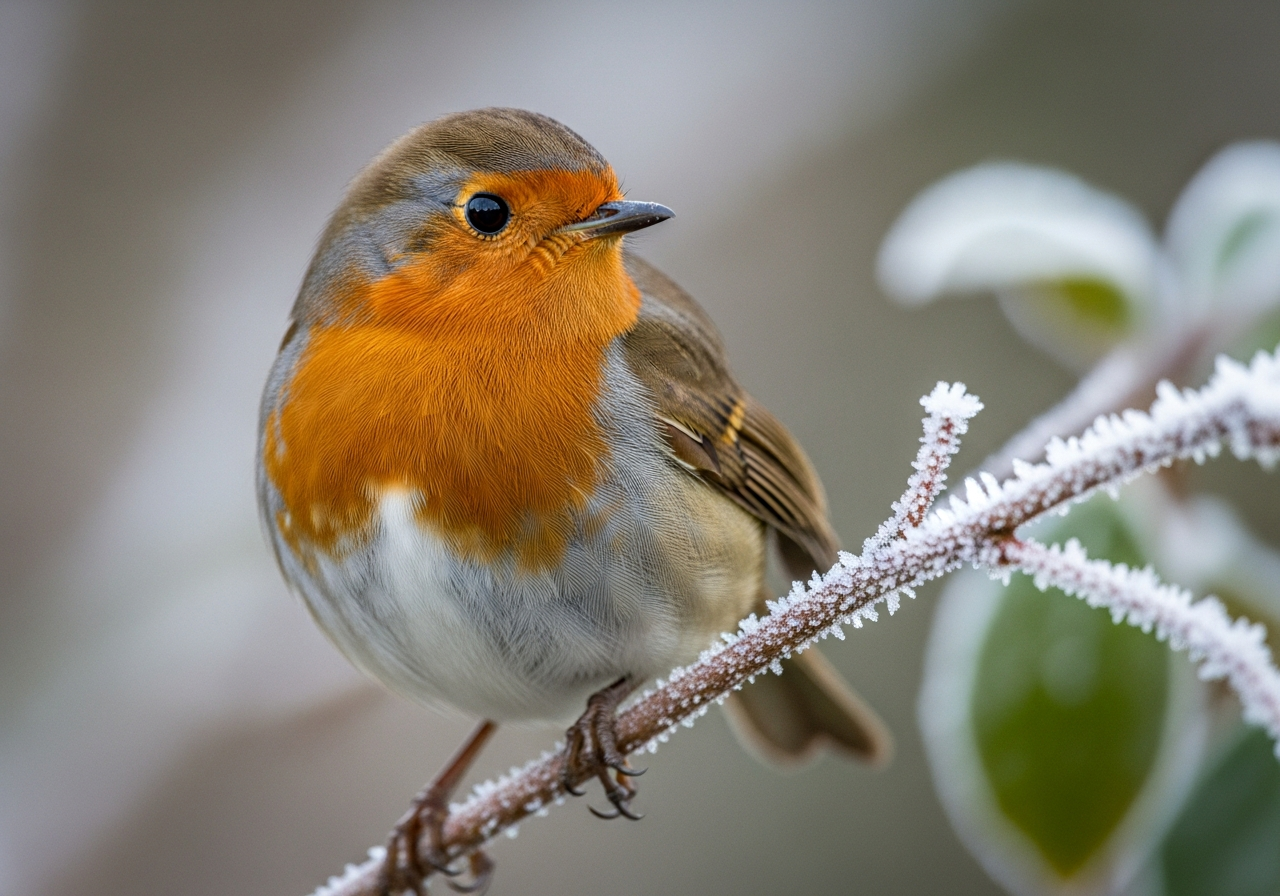
European Robin
Erithacus rubecula- Size
- Small (~14 cm)
- Key marks
- Orange-red breast and face; brown upperparts; often tame on paths and terraces
- Sound
- Melodic wistful song year-round; sharp 'tic' call
- When
- Year-round across Europe; one of few winter singers
- Food
- Insects, worms, berries — visits mealworm trays and crumb tables
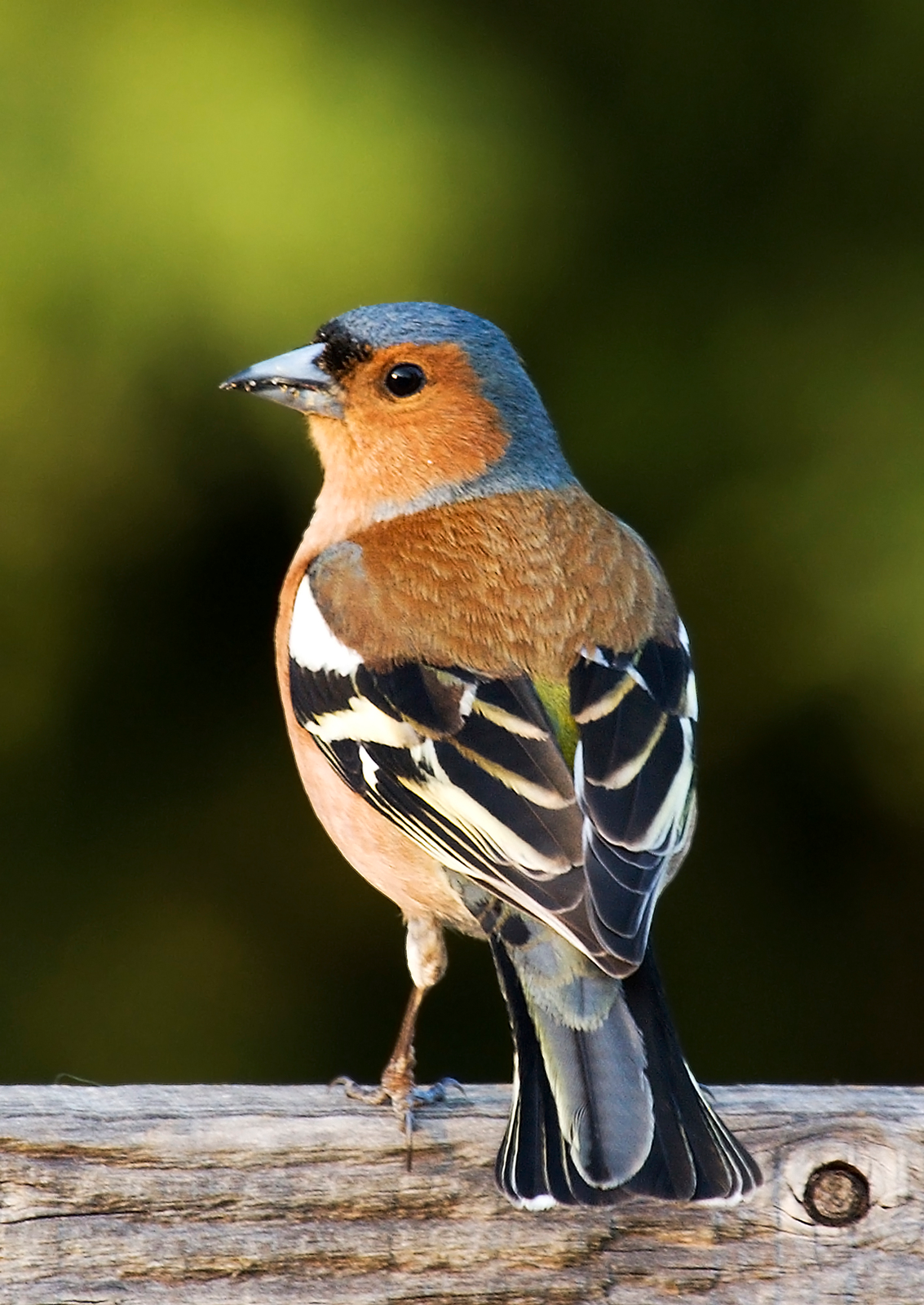
Common Chaffinch
Fringilla coelebs- Size
- Small (~15 cm)
- Key marks
- Male blue-grey cap, pink breast, white wing bars; female brown with white wing bars
- Sound
- Loud descending song ending in a flourish; 'pink' call in flight
- When
- Year-round across Europe; extremely common in gardens and parks
- Food
- Seeds and insects — visits ground feeders and bird tables
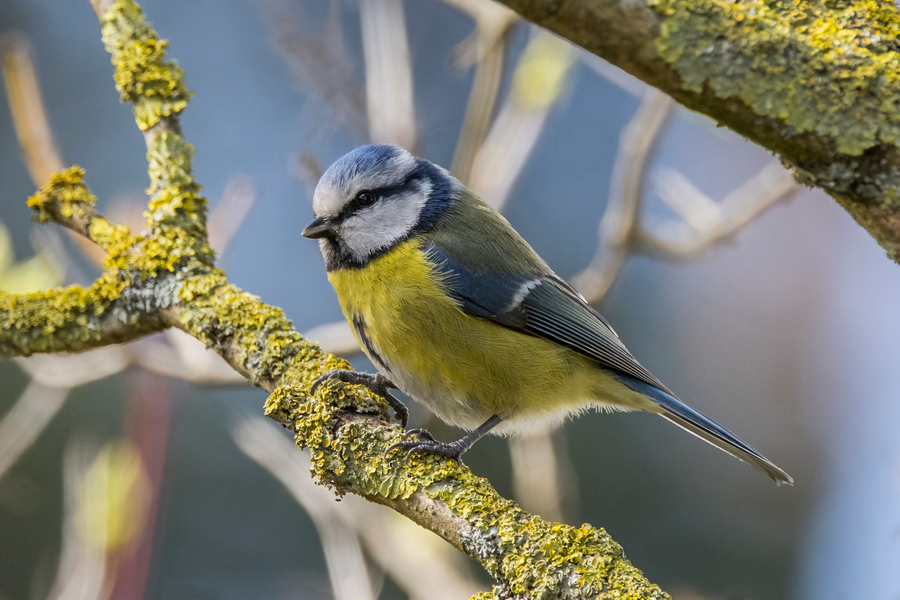
Eurasian Blue Tit
Cyanistes caeruleus- Size
- Very small (~12 cm)
- Key marks
- Blue cap, white face with dark stripe, yellow breast, blue wings
- Sound
- High 'tsee-tsee'; trilling spring song
- When
- Year-round across Europe; nests in boxes and holes
- Food
- Insects, seeds, fat balls — agile on hanging feeders
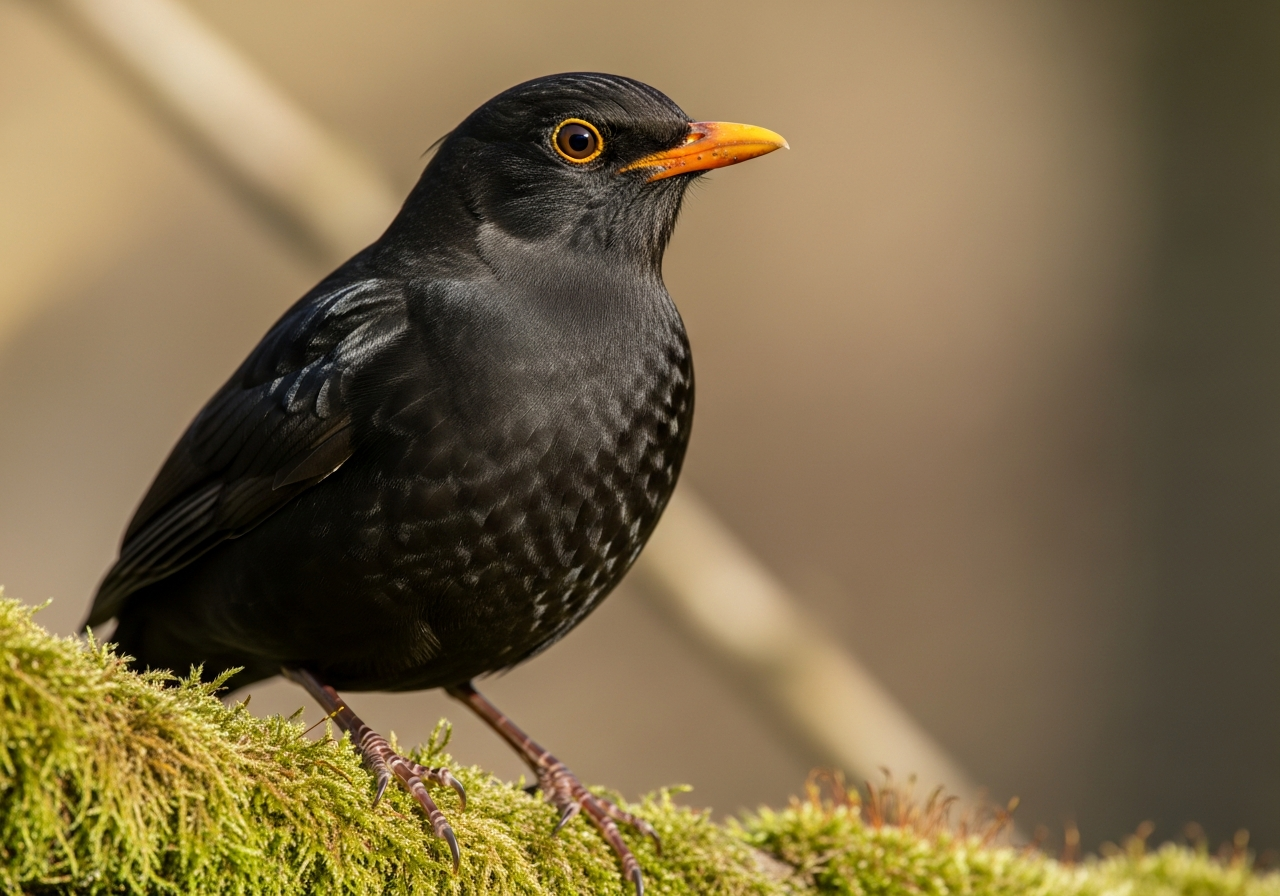
Eurasian Blackbird
Turdus merula- Size
- Medium (~25 cm)
- Key marks
- Male all black with yellow-orange bill; female dark brown; hops on lawns
- Sound
- Rich fluting song at dusk; loud alarm 'cluck-cluck'
- When
- Year-round across Europe; common in urban gardens
- Food
- Worms and fruit — runs then pauses on lawns
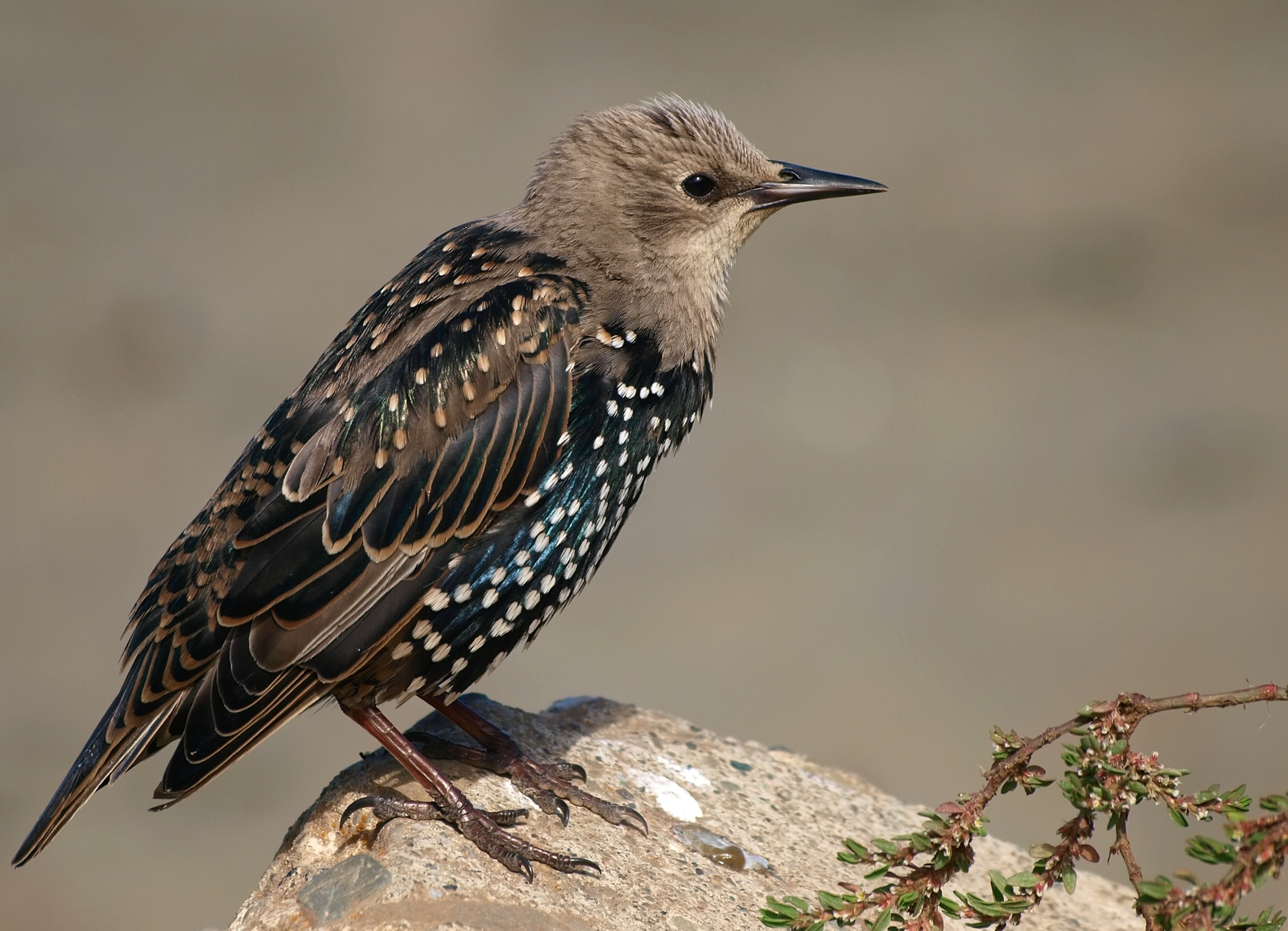
Common Starling
Sturnus vulgaris- Size
- Medium (~22 cm)
- Key marks
- Dark with speckled winter spots; iridescent purple-green sheen in summer
- Sound
- Whistles, clicks, and mimicry — noisy flocks in winter
- When
- Year-round across Europe; huge murmurations in autumn and winter
- Food
- Insects, fruit, suet — gregarious on lawns and tables
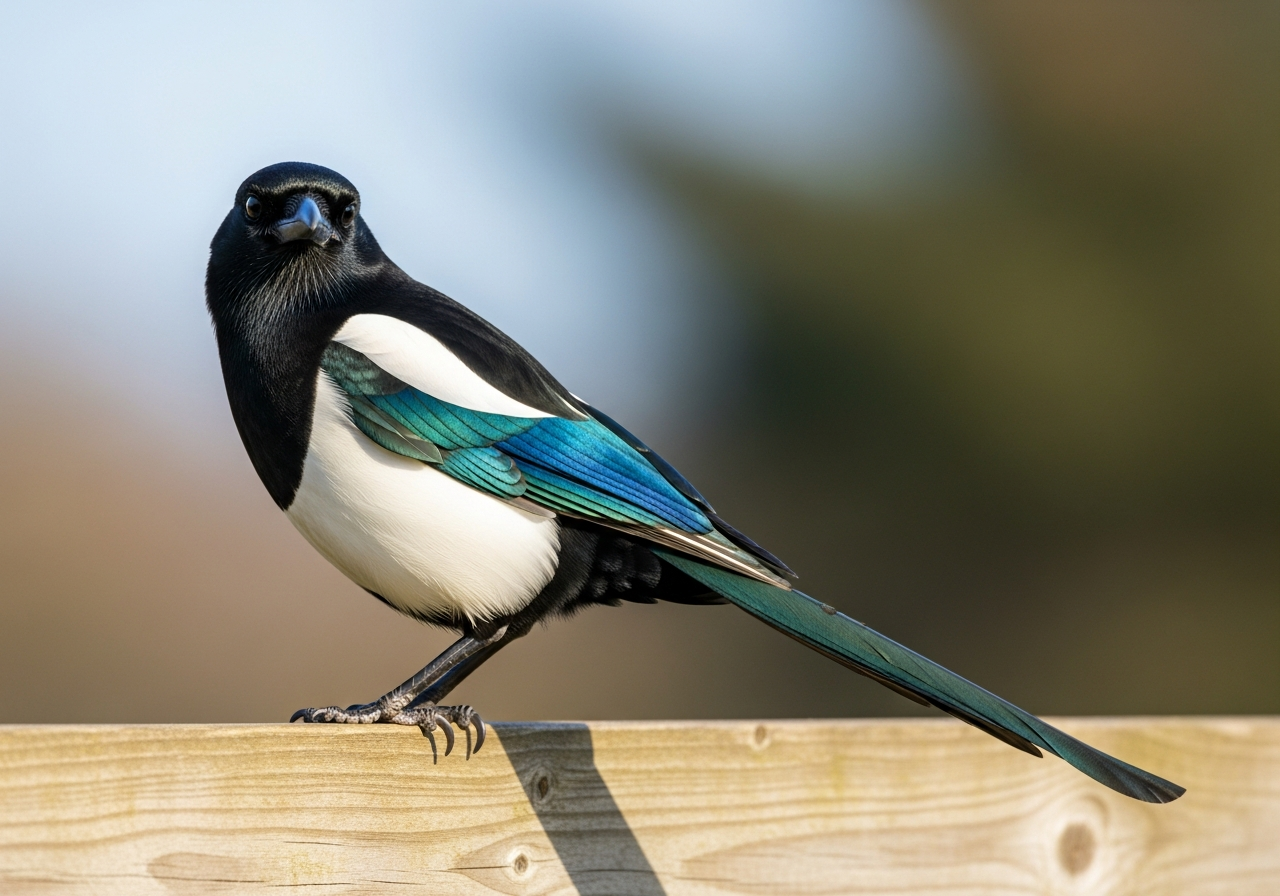
Eurasian Magpie
Pica pica- Size
- Large (~46 cm)
- Key marks
- Bold black-and-white with iridescent blue-green tail; very long tail
- Sound
- Harsh 'chack-chack'; quiet subsong
- When
- Year-round across Europe; nests in tall trees
- Food
- Omnivorous — insects, eggs, scraps
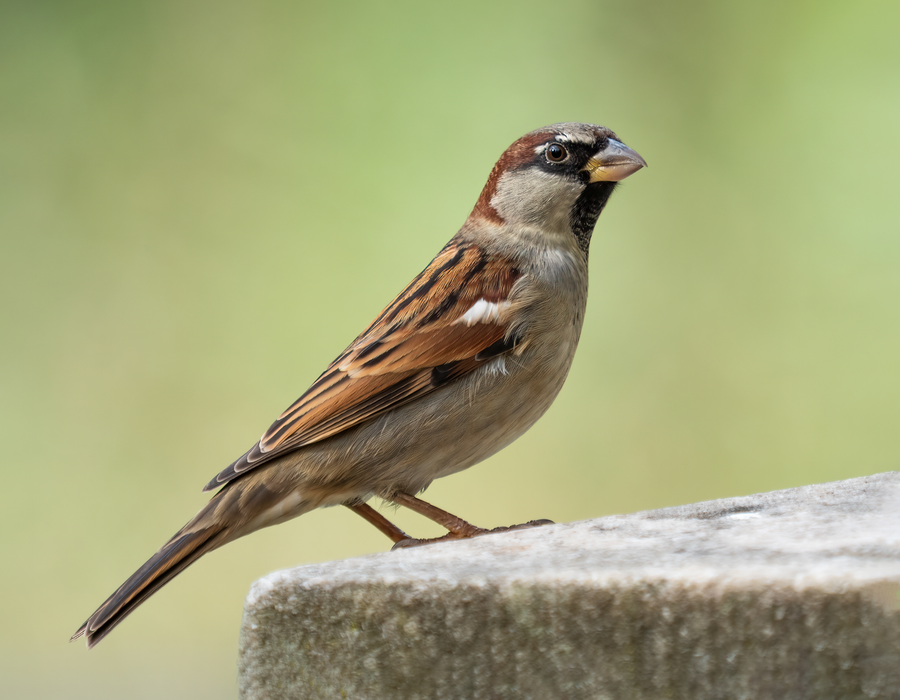
House Sparrow
Passer domesticus- Size
- Small (~14 cm)
- Key marks
- Chunky; male grey cap, black bib, brown back; female streaky brown
- Sound
- Noisy chirping from bushes and rooflines
- When
- Year-round across Europe; declining in some cities but still common
- Food
- Seeds and crumbs — prefers low feeders
Eurasian Collared Dove
Streptopelia decaocto- Size
- Medium (~32 cm)
- Key marks
- Pale grey-brown with narrow black collar on nape; red legs; three-note coo
- Sound
- Repeated 'coo-COO-coo' — softer than wood pigeon
- When
- Year-round across Europe; spread rapidly since the 1950s
- Food
- Grain and seeds on ground trays and beneath feeders
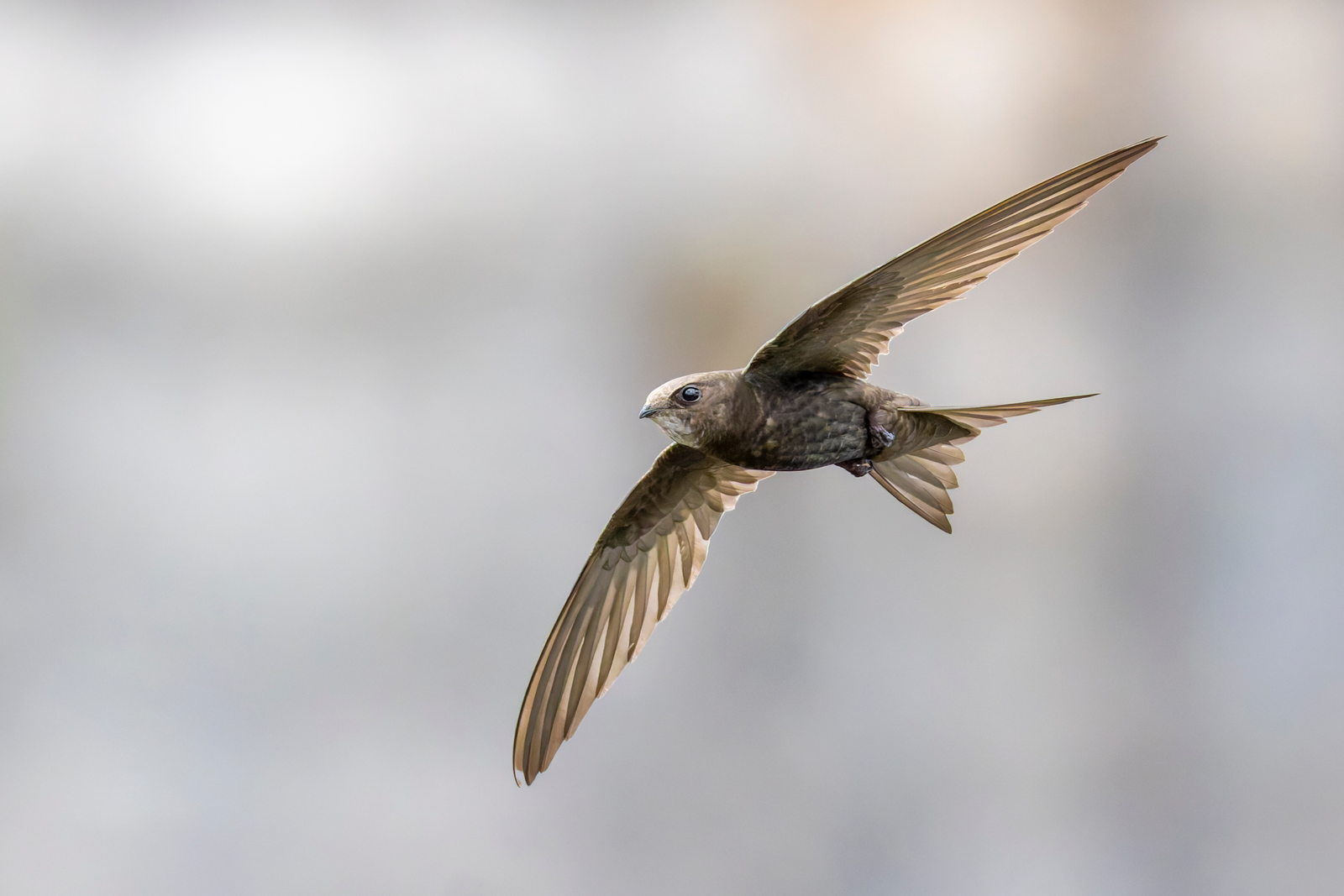
Common Swift
Apus apus- Size
- Medium (~17 cm) — all wings
- Key marks
- Dark scythe-shaped wings; tiny bill; never perches on wires; screams over rooftops
- Sound
- High screaming 'sree-sree-sree' in summer colonies
- When
- Summer visitor to Europe — arrives April, leaves August; spends life on the wing
- Food
- Flying insects — does not visit feeders; needs insect-rich airspace
Hoopoe
Upupa epops- Size
- Medium (~28 cm)
- Key marks
- Pink-brown body, black-and-white barred wings, erect fan crest, long decurved bill
- Sound
- Soft 'hoop-hoop-hoop' call; crest rises when alarmed
- When
- Summer breeder in southern and central Europe; migrates to Africa in winter
- Food
- Insects and larvae on lawns — probes ground with bill
European garden bird ID: FAQs
What birds are most common in European gardens?
House sparrows, chaffinches, blackbirds, blue tits, and robins appear in gardens from Spain to Poland. Collared doves are now ubiquitous on rooftops across the continent.
How is this different from the UK garden birds guide?
Many species overlap, but this guide emphasises continental favourites such as the hoopoe and collared dove, and treats the shared species in a Europe-wide context rather than UK-only notes.
What is the bird screaming over my roof in summer?
Common swifts scream in fast flight over towns and cities — they nest in roof gaps and never land on wires or feeders. Their scythe-shaped wings and screaming calls are unmistakable.
Are hoopoes common in gardens?
Hoopoes are common in southern and central Europe in summer, probing lawns for insects. They are rare in northern Europe but unforgettable once seen — pink body, fan crest, and barred wings.
Sources & references
Identification marks and calls are compiled from established field guides and ornithological references for Europe.
-
RSPB wildlife guides
UK and international bird identification.
-
Cornell Lab — All About Birds
Photos, calls, and ID tips for North American species.
-
iNaturalist
Community-verified species observations worldwide.
- Global Animal Guide editorial standards