Quick answer
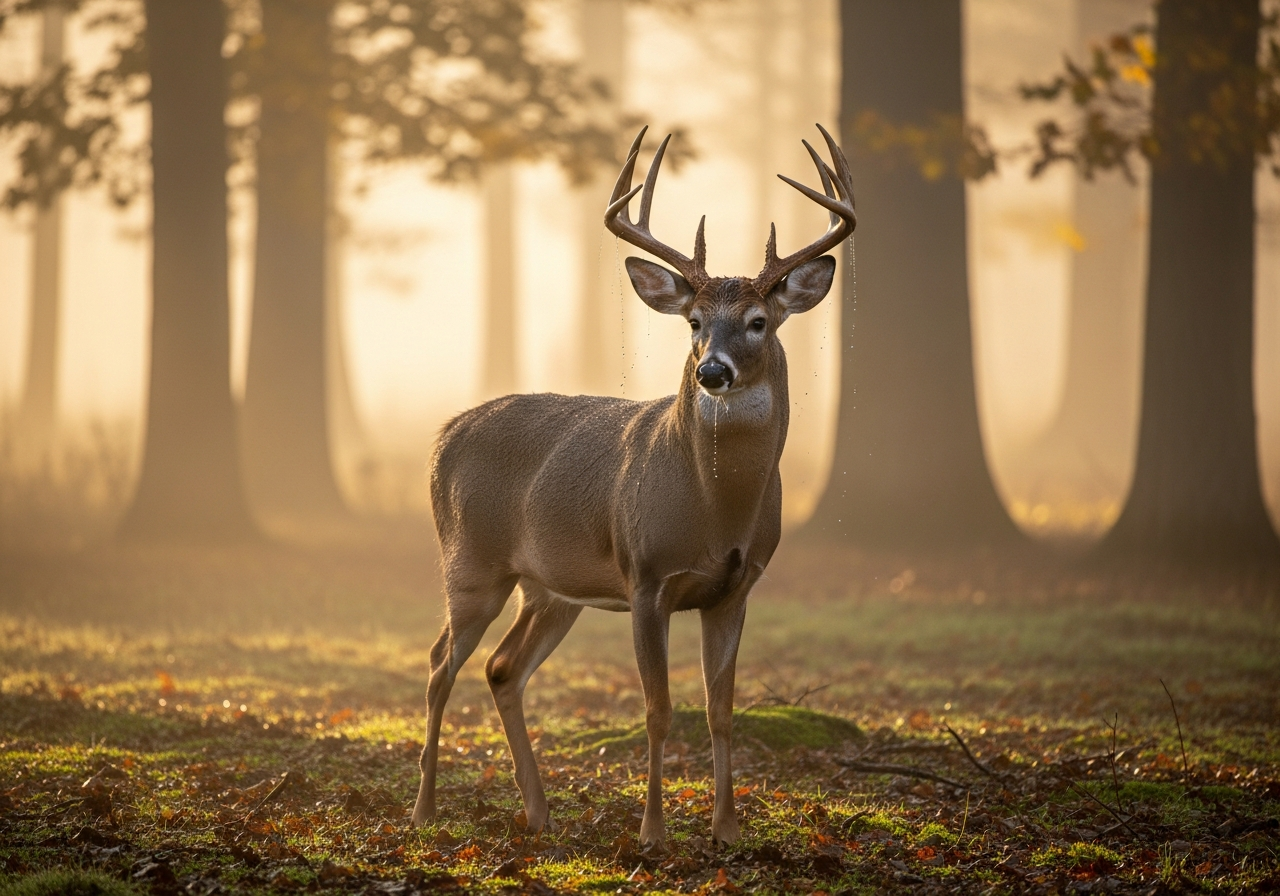
The white-tailed deer is a medium-sized deer named for the white underside of its tail, which it flashes as an alarm signal. Found from Canada to South America, bucks grow and shed antlers each year, and the species can run up to 48 km/h (30 mph) and leap tall fences. Wild white-tailed deer typically live 6 to 10 years.
Key takeaway
The white-tailed deer is a medium-sized deer named for the white underside of its tail, which it flashes as an alarm signal. Found from Canada to South America, bucks grow and shed antlers each year, and the species can run up to 48 km/h (30 mph) and leap tall fences. Wild white-tailed deer typically live 6 to 10 years.
White-tailed Deer overview
White-tailed Deer (Odocoileus virginianus) is a mammal listed here as Least Concern. Typical weight 45–135 kg (100–300 lb); lifespan around 6–10 years in the wild.
White-tailed Deer ecology
Diet: Herbivore. Habitat: Woodland, edges, and farmland. Movement and social systems reflect those pressures across the native range.
White-tailed Deers and people
Learn before you travel or keep related pets. Wild white-tailed deers are not toys; captive care needs species-specific husbandry.
Status and further reading
Conservation label in our guides: Least Concern. See the full White-tailed Deer profile for taxonomy, FAQs, and related topic guides on this site.
The warning flag
The deer's name comes from its tail, which is brown above and bright white underneath. When alarmed it raises the tail like a flag, flashing the white to warn other deer and signal that it has been spotted before bounding away.
Antlers and the rut
Each year bucks grow a fresh set of bony antlers, covered in soft 'velvet' as they develop, then shed them in winter. During the autumn breeding season, the rut, bucks spar with their antlers to compete for mates. A buck's antler size depends on age, genetics, and nutrition.
Sources
White-tailed Deer FAQs
What are key facts about white-tailed deers?
The white-tailed deer is a medium-sized deer named for the white underside of its tail, which it flashes as an alarm signal. Found from Canada to South America, bucks grow and shed antlers each year, and the species can run up to 48 km/h (30 mph) and leap tall fences. Wild white-tailed deer typically live 6 to 10 years.
What is the scientific name of the white-tailed deer?
Odocoileus virginianus — used in research and conservation listings for white-tailed deers.
What do white-tailed deers eat?
White-tailed Deers are described as herbivores, with seasonal and regional variation in Woodland, edges, and farmland.
Where do white-tailed deers live?
They are associated with Woodland, edges, and farmland. Local presence depends on food, cover, and human land use.
What is the conservation status of white-tailed deers?
Listed in our guides as Least Concern. Check the IUCN Red List and national assessments for the latest formal category.