Quick answer
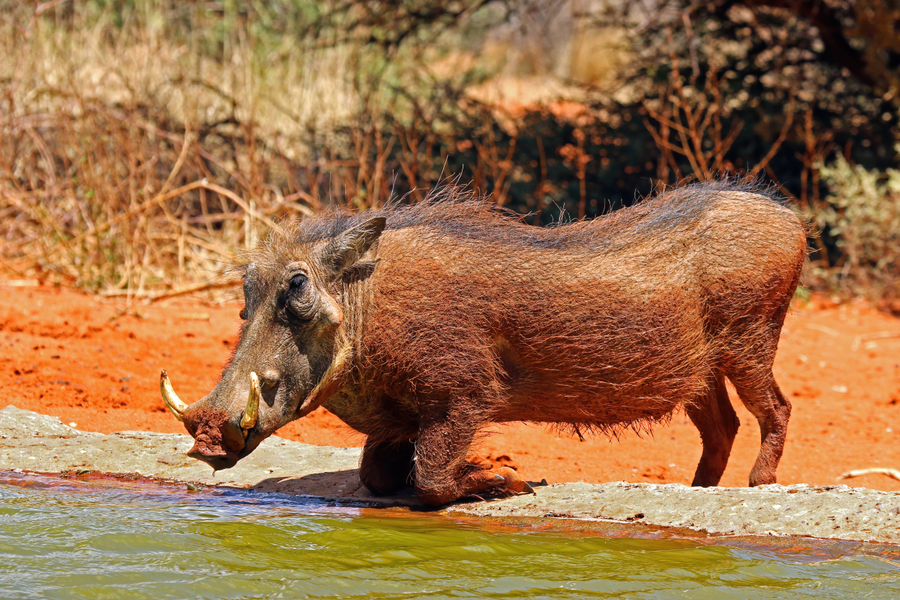
Warthogs are wild pigs of African savannas, named for the facial warts and armed with sharp tusks curving upward. They kneel on calloused front legs to graze, back into burrows for safety, and can run 48 km/h (30 mph) with tail erect like an antenna.
Key takeaway
Warthogs are wild pigs of African savannas, named for the facial warts and armed with sharp tusks curving upward. They kneel on calloused front legs to graze, back into burrows for safety, and can run 48 km/h (30 mph) with tail erect like an antenna.
Warthog overview
Warthog (Phacochoerus africanus) is a mammal listed here as Least Concern. Typical weight 50–150 kg (110–330 lb); males heavier; lifespan around 12–15 years in the wild.
Warthog ecology
Diet: Omnivore — mainly grasses, roots, and berries. Habitat: Savannas and open woodland in sub-Saharan Africa. Movement and social systems reflect those pressures across the native range.
Warthogs and people
Learn before you travel or keep related pets. Wild warthogs are not toys; captive care needs species-specific husbandry.
Status and further reading
Conservation label in our guides: Least Concern. See the full Warthog profile for taxonomy, FAQs, and related topic guides on this site.
Tusks and defence
Upper and lower canine tusks sharpen each other and are used in fights between males and against predators. When threatened, warthogs prefer flight — running with tail straight up — but may charge if cornered. They sleep and rear young in burrows stolen from aardvarks.
Kneeling grazers
Calloused 'knees' on the front legs allow warthogs to graze low grasses comfortably. They also root for bulbs and use their snout to dig. Water holes are visited regularly when available.
Sources
Warthog FAQs
What are key facts about warthogs?
Warthogs are wild pigs of African savannas, named for the facial warts and armed with sharp tusks curving upward. They kneel on calloused front legs to graze, back into burrows for safety, and can run 48 km/h (30 mph) with tail erect like an antenna.
What is the scientific name of the warthog?
Phacochoerus africanus — used in research and conservation listings for warthogs.
What do warthogs eat?
Warthogs eat mainly grasses, roots, and berries, with seasonal and regional variation in Savannas and open woodland in sub-Saharan Africa.
Where do warthogs live?
They are associated with Savannas and open woodland in sub-Saharan Africa. Local presence depends on food, cover, and human land use.
What is the conservation status of warthogs?
Listed in our guides as Least Concern. Check the IUCN Red List and national assessments for the latest formal category.