Quick answer
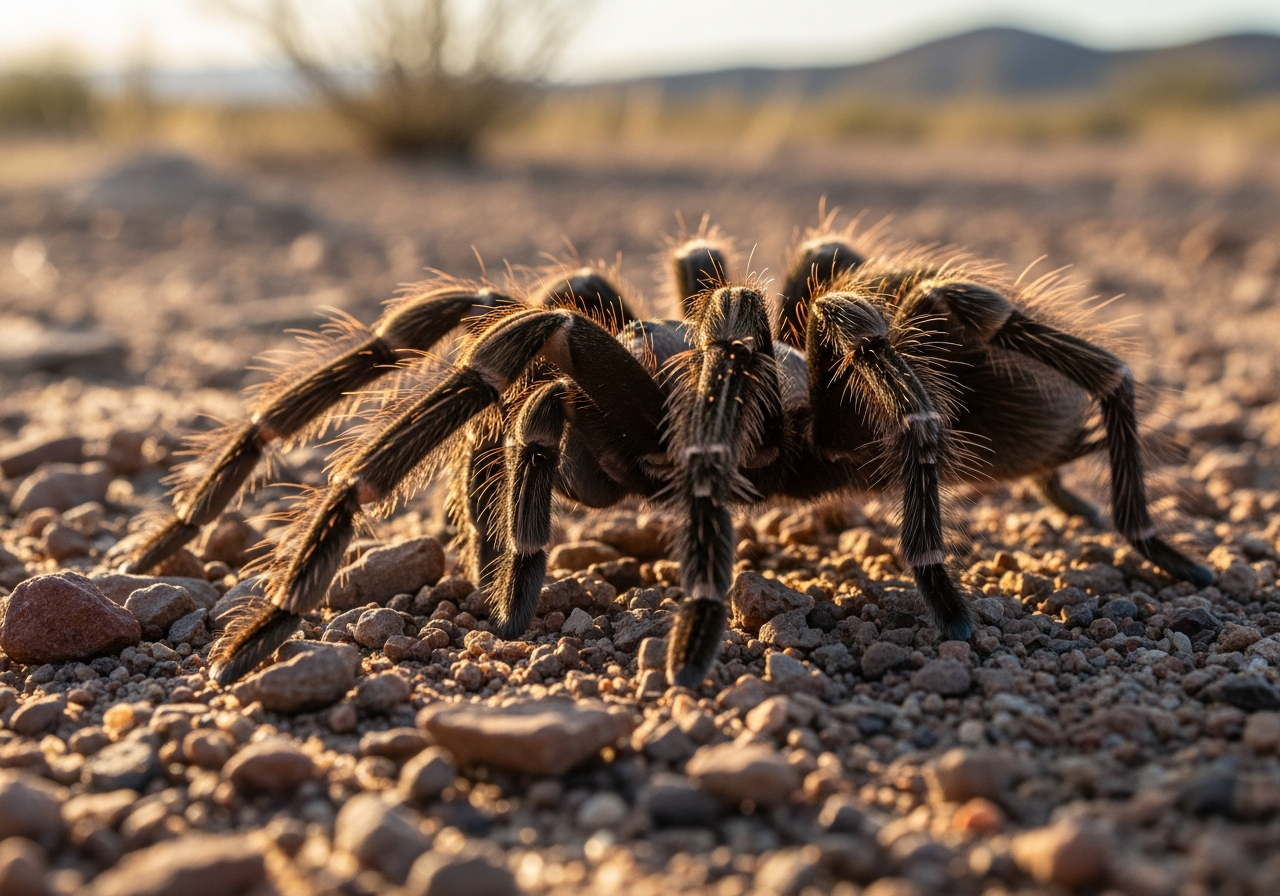
Tarantulas are a family of large, hairy spiders found across the warmer parts of the world, with around 1,000 species. Despite their fearsome look, most are not dangerous to humans, with venom milder than a bee sting. The biggest, the Goliath birdeater, can span 30 cm (12 in) across the legs. Females are long-lived, with some surviving 20 to 30 years.
Key takeaway
Tarantulas are a family of large, hairy spiders found across the warmer parts of the world, with around 1,000 species. Despite their fearsome look, most are not dangerous to humans, with venom milder than a bee sting. The biggest, the Goliath birdeater, can span 30 cm (12 in) across the legs. Females are long-lived, with some surviving 20 to 30 years.
Tarantula overview
Tarantula (Theraphosidae) is a invertebrate listed here as Least Concern. Typical weight about 0.085 kg; lifespan around Females up to 20–30 years.
Tarantula ecology
Diet: Carnivore. Habitat: Deserts, rainforests, and grasslands. Movement and social systems reflect those pressures across the native range.
Tarantulas and people
Learn before you travel or keep related pets. Wild tarantulas are not toys; captive care needs species-specific husbandry.
Status and further reading
Conservation label in our guides: Least Concern. See the full Tarantula profile for taxonomy, FAQs, and related topic guides on this site.
Big, hairy, and mostly harmless
Tarantulas are among the largest spiders, but their reputation is far scarier than the reality. Almost all species have venom no more harmful to a healthy person than a bee sting, and they bite only in self-defense. They are ambush predators that pounce on insects, and larger species may take small lizards or rodents.
Urticating hairs
Many New World tarantulas have a clever defense: they flick irritating barbed hairs from their abdomen at attackers using their back legs. These 'urticating' hairs cause itching and irritation to the eyes and skin of would-be predators, buying the spider time to escape.
Sources
Tarantula FAQs
What are key facts about tarantulas?
Tarantulas are a family of large, hairy spiders found across the warmer parts of the world, with around 1,000 species. Despite their fearsome look, most are not dangerous to humans, with venom milder than a bee sting. The biggest, the Goliath birdeater, can span 30 cm (12 in) across the legs. Females are long-lived, with some surviving 20 to 30 years.
What is the scientific name of the tarantula?
Theraphosidae — used in research and conservation listings for tarantulas.
What do tarantulas eat?
Tarantulas are described as carnivores, with seasonal and regional variation in Deserts, rainforests, and grasslands.
Where do tarantulas live?
They are associated with Deserts, rainforests, and grasslands. Local presence depends on food, cover, and human land use.
What is the conservation status of tarantulas?
Listed in our guides as Least Concern. Check the IUCN Red List and national assessments for the latest formal category.