Quick answer
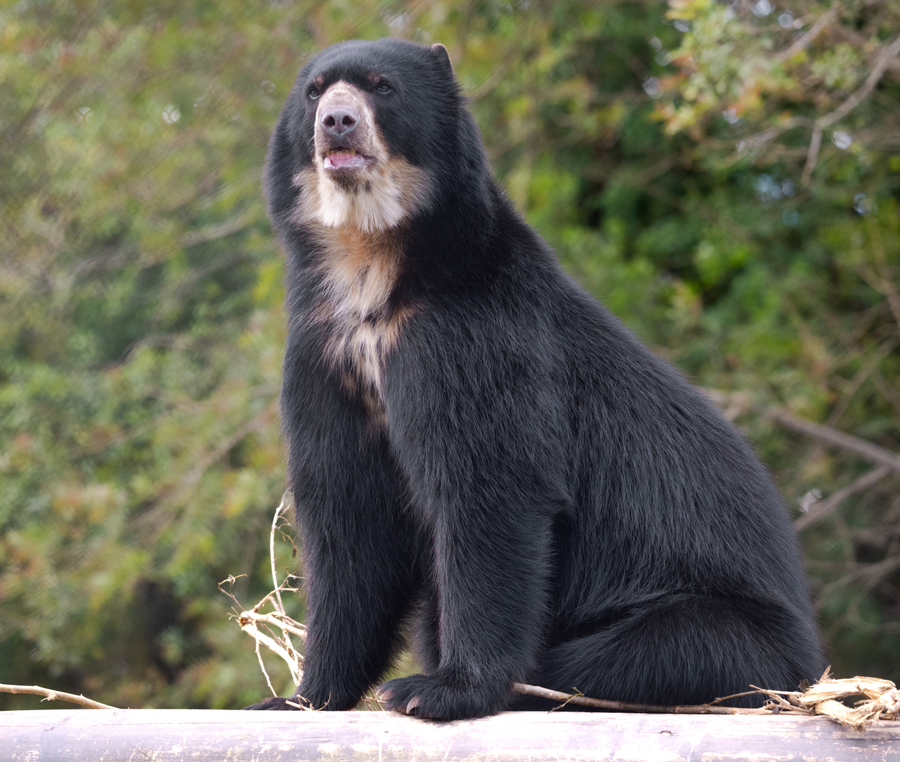
The spectacled bear is the only bear species native to South America, named for pale facial markings that resemble eyeglasses. It inhabits Andean cloud forests, weighs 60–175 kg (130–385 lb), feeds heavily on fruit and bromeliads, and is listed Vulnerable as forests are cleared.
Key takeaway
The spectacled bear is the only bear species native to South America, named for pale facial markings that resemble eyeglasses. It inhabits Andean cloud forests, weighs 60–175 kg (130–385 lb), feeds heavily on fruit and bromeliads, and is listed Vulnerable as forests are cleared.
Spectacled Bear overview
Spectacled Bear (Tremarctos ornatus) is a mammal listed here as Vulnerable. Typical weight 60–175 kg (130–385 lb); males larger; lifespan around 20–25 years in the wild.
Spectacled Bear ecology
Diet: Omnivore — fruit, bromeliads, cactus, insects, and small mammals. Habitat: Andean cloud forest, scrub, and dry forest from Venezuela to Bolivia. Movement and social systems reflect those pressures across the native range.
Spectacled Bears and people
Learn before you travel or keep related pets. Wild spectacled bears are not toys; captive care needs species-specific husbandry.
Status and further reading
Conservation label in our guides: Vulnerable. See the full Spectacled Bear profile for taxonomy, FAQs, and related topic guides on this site.
Andean arboreal bear
Spectacled bears climb extensively to reach fruit, bromeliads, and cactus pads. They build platform nests in trees for resting and feeding. Their short, broad muzzle and strong jaws crush tough vegetation unavailable to many other Andean mammals.
Facial markings
Each bear's pale spectacled pattern is unique — rings, semicircles, or light muzzles vary individually. The markings may aid recognition between bears in dense forest. Despite the name, not every individual has obvious 'glasses'.
Sources
Spectacled Bear FAQs
What are key facts about spectacled bears?
The spectacled bear is the only bear species native to South America, named for pale facial markings that resemble eyeglasses. It inhabits Andean cloud forests, weighs 60–175 kg (130–385 lb), feeds heavily on fruit and bromeliads, and is listed Vulnerable as forests are cleared.
What is the scientific name of the spectacled bear?
Tremarctos ornatus — used in research and conservation listings for spectacled bears.
What do spectacled bears eat?
Spectacled Bears eat fruit, bromeliads, cactus, insects, and small mammals, with seasonal and regional variation in Andean cloud forest, scrub, and dry forest from Venezuela to Bolivia.
Where do spectacled bears live?
They are associated with Andean cloud forest, scrub, and dry forest from Venezuela to Bolivia. Local presence depends on food, cover, and human land use.
What is the conservation status of spectacled bears?
Listed in our guides as Vulnerable. Check the IUCN Red List and national assessments for the latest formal category.