Quick answer
Reindeer — called caribou in North America — are Arctic deer where both sexes grow antlers, undertaking the longest land migrations of any terrestrial mammal. Herds cross tundra from Alaska to Scandinavia, support Indigenous herding cultures, and are listed Vulnerable from climate change and disturbance.
Key takeaway
Reindeer — called caribou in North America — are Arctic deer where both sexes grow antlers, undertaking the longest land migrations of any terrestrial mammal. Herds cross tundra from Alaska to Scandinavia, support Indigenous herding cultures, and are listed Vulnerable from climate change and disturbance.
Reindeer overview
Reindeer (Rangifer tarandus) is a mammal listed here as Vulnerable. Typical weight 60–180 kg (130–400 lb); bulls larger; lifespan around 12–15 years in the wild.
Reindeer ecology
Diet: Herbivore — lichens, grasses, leaves, and mushrooms. Habitat: Arctic tundra, boreal forest, and mountain plateaus. Movement and social systems reflect those pressures across the native range.
Reindeers and people
Learn before you travel or keep related pets. Wild reindeers are not toys; captive care needs species-specific husbandry.
Status and further reading
Conservation label in our guides: Vulnerable. See the full Reindeer profile for taxonomy, FAQs, and related topic guides on this site.
Epic migration
Some barren-ground caribou herds travel over 5,000 km annually between calving grounds and winter range — the longest terrestrial migration on Earth. Calving synchrony on Arctic tundra overwhelms predators, but warming disrupts timing and insect harassment increases.
Antlers on females
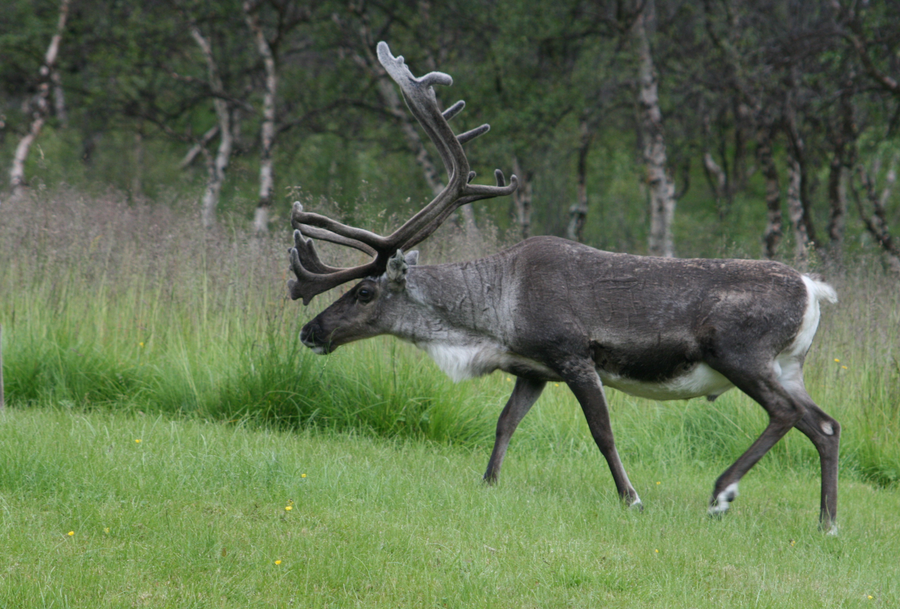
Reindeer are the only deer where females commonly grow antlers. Cows retain theirs through winter, while bulls shed after the rut. Antlers are used for digging through snow for lichens — critical winter food called reindeer moss.
Sources
Reindeer FAQs
What are key facts about reindeers?
Reindeer — called caribou in North America — are Arctic deer where both sexes grow antlers, undertaking the longest land migrations of any terrestrial mammal. Herds cross tundra from Alaska to Scandinavia, support Indigenous herding cultures, and are listed Vulnerable from climate change and disturbance.
What is the scientific name of the reindeer?
Rangifer tarandus — used in research and conservation listings for reindeers.
What do reindeers eat?
Reindeers eat lichens, grasses, leaves, and mushrooms, with seasonal and regional variation in Arctic tundra, boreal forest, and mountain plateaus.
Where do reindeers live?
They are associated with Arctic tundra, boreal forest, and mountain plateaus. Local presence depends on food, cover, and human land use.
What is the conservation status of reindeers?
Listed in our guides as Vulnerable. Check the IUCN Red List and national assessments for the latest formal category.