Quick answer
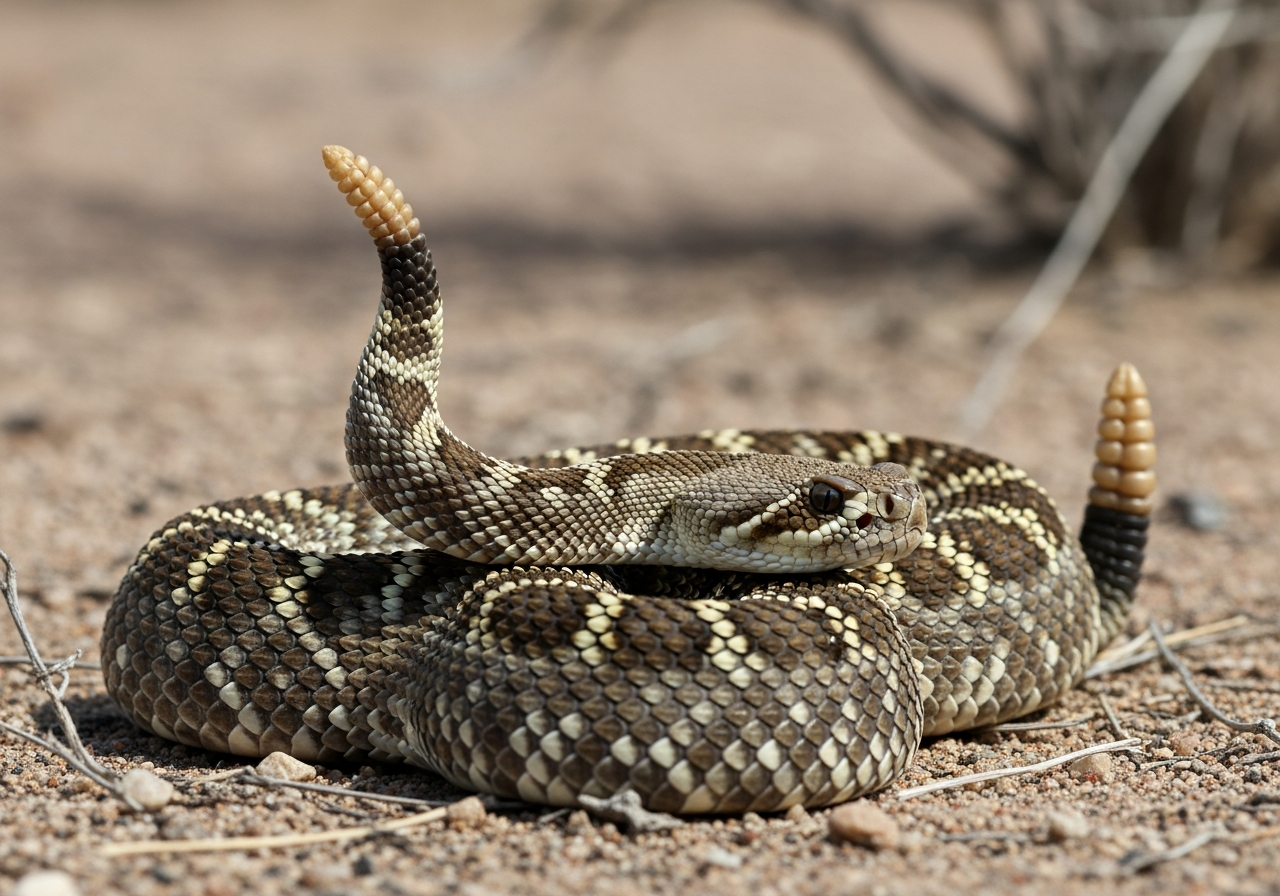
Western Diamondback Rattlesnakes (Crotalus atrox) are reptiles found across North America. The venomous pit viper with a warning rattle. Adults typically weigh roughly 1.8 kg (4 lb), reach speeds of Up to 8 km/h (5 mph), and live 15–20 years in the wild. They feed on carnivore and are listed as Least Concern on the IUCN Red List. Deserts and scrublands of the southwestern United States, including Texas and Arizona, and into northern Mexico.
Key takeaway
Western Diamondback Rattlesnakes (Crotalus atrox) are reptiles found across North America. The venomous pit viper with a warning rattle. Adults typically weigh roughly 1.8 kg (4 lb), reach speeds of Up to 8 km/h (5 mph), and live 15–20 years in the wild. They feed on carnivore and are listed as Least Concern on the IUCN Red List. Deserts and scrublands of the southwestern United States, including Texas and Arizona, and into northern Mexico.
Western Diamondback Rattlesnake overview
Western Diamondback Rattlesnake (Crotalus atrox) is a reptile listed here as Least Concern. Typical weight about 1.8 kg; lifespan around 15–20 years in the wild.
Western Diamondback Rattlesnake ecology
Diet: Carnivore. Habitat: Deserts, scrubland, and rocky slopes. Movement and social systems reflect those pressures across the native range.
Western Diamondback Rattlesnakes and people
Learn before you travel or keep related pets. Wild western diamondback rattlesnakes are not toys; captive care needs species-specific husbandry.
Status and further reading
Conservation label in our guides: Least Concern. See the full Western Diamondback Rattlesnake profile for taxonomy, FAQs, and related topic guides on this site.
Range and habitat
Western Diamondback Rattlesnakes inhabit Deserts and scrublands of the southwestern United States, including Texas and Arizona, and into northern Mexico. Their preferred habitat includes deserts, scrubland, and rocky slopes, where they find food, shelter, and breeding sites. Population density varies with prey availability, water access, and human disturbance. Protected areas and intact corridors remain essential for
Physical characteristics and behaviour
Adult western diamondback rattlesnakes typically measure about 1.2 m in length and weigh roughly 1.8 kg (4 lb). They can sprint at Up to 8 km/h (5 mph) when hunting or escaping predators. Western Diamondback Rattlesnakes are known for the venomous pit viper with a warning rattle — social structure, daily activity, and seasonal movements all reflect pressures in their native environment.
Sources
Western Diamondback Rattlesnake FAQs
What are key facts about western diamondback rattlesnakes?
Western Diamondback Rattlesnakes (Crotalus atrox) are reptiles found across North America. The venomous pit viper with a warning rattle. Adults typically weigh roughly 1.8 kg (4 lb), reach speeds of Up to 8 km/h (5 mph), and live 15–20 years in the wild. They feed on carnivore and are listed as Least Concern on the IUCN Red List. Deserts and scrublands of the southwestern United States, including Texas and Arizona, and into northern Mexico.
What is the scientific name of the western diamondback rattlesnake?
Crotalus atrox — used in research and conservation listings for western diamondback rattlesnakes.
What do western diamondback rattlesnakes eat?
Western Diamondback Rattlesnakes are described as carnivores, with seasonal and regional variation in Deserts, scrubland, and rocky slopes.
Where do western diamondback rattlesnakes live?
They are associated with Deserts, scrubland, and rocky slopes. Local presence depends on food, cover, and human land use.
What is the conservation status of western diamondback rattlesnakes?
Listed in our guides as Least Concern. Check the IUCN Red List and national assessments for the latest formal category.