Quick answer
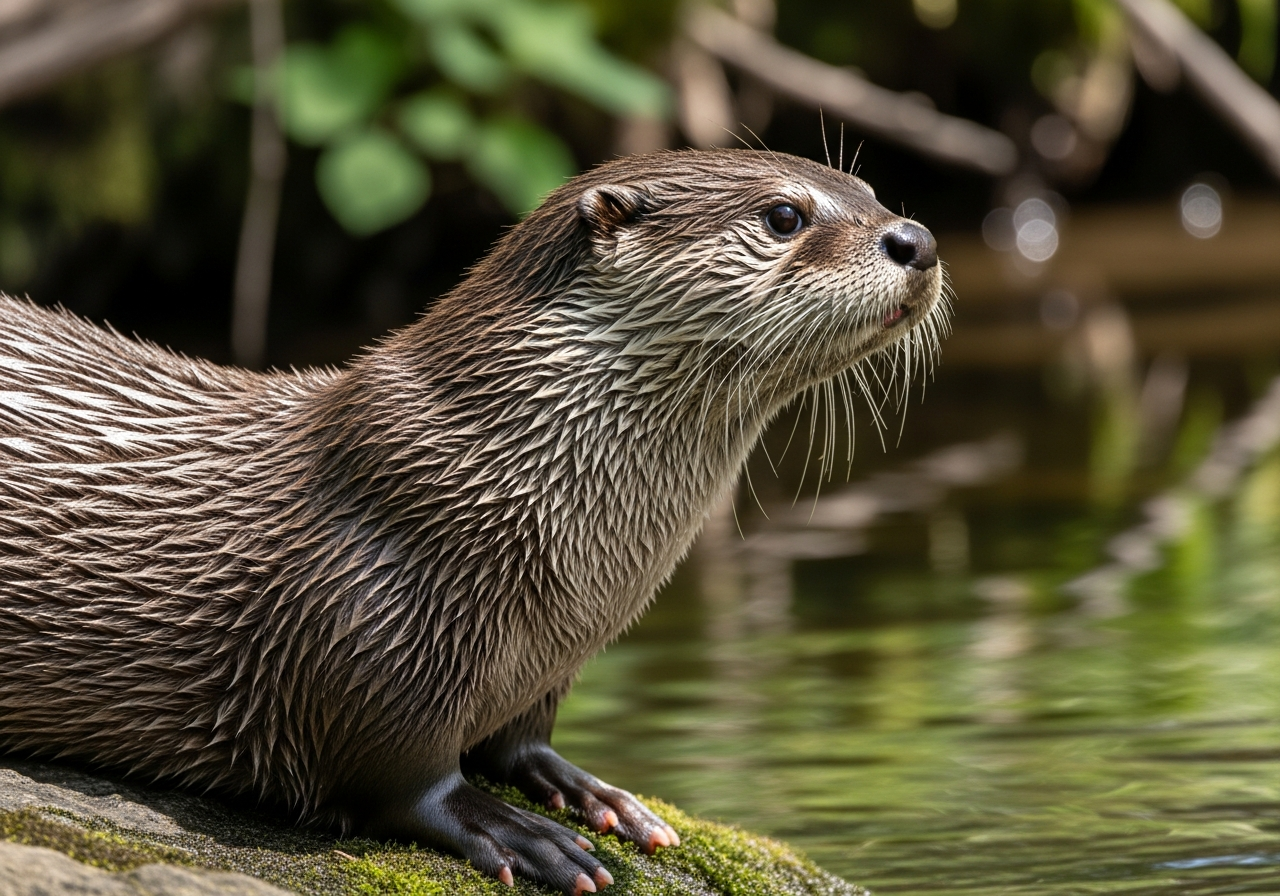
Otters are semi-aquatic carnivorous mammals in the weasel family, found in rivers, lakes, and coasts across the Americas, Europe, Asia, and Africa. There are 13 species, from the small river otters to the sea otter, all with dense waterproof fur, webbed feet, and streamlined bodies built for swimming. They feed mainly on fish, crustaceans, and other aquatic prey, and are known for their playful behavior and use of tools. Most otters live around 10 to 15 years in the wild.
Key takeaway
Otters are semi-aquatic carnivorous mammals in the weasel family, found in rivers, lakes, and coasts across the Americas, Europe, Asia, and Africa. There are 13 species, from the small river otters to the sea otter, all with dense waterproof fur, webbed feet, and streamlined bodies built for swimming. They feed mainly on fish, crustaceans, and other aquatic prey, and are known for their playful behavior and use of tools. Most otters live around 10 to 15 years in the wild.
Otter overview
Otter (Lutrinae) is an mammal listed here as Least Concern. Typical weight 1–45 kg depending on species; lifespan around 10–15 years in the wild.
Otter ecology
Diet: Carnivore (fish, crustaceans, invertebrates). Habitat: Rivers, lakes, wetlands, and coasts. Movement and social systems reflect those pressures across the native range.
Otters and people
Learn before you travel or keep related pets. Wild otters are not toys; captive care needs species-specific husbandry.
Status and further reading
Conservation label in our guides: Least Concern. See the full Otter profile for taxonomy, FAQs, and related topic guides on this site.
Behavior and play
Otters are intelligent, social, and famously playful, often seen sliding down muddy or snowy banks and wrestling with one another. This play helps young otters develop hunting and social skills. They are superb swimmers, propelling themselves with powerful tails and webbed feet, and can close their nostrils and ears underwater. Sea otters are known for using rocks as tools to crack open shellfish.
Diet and hunting
Otters are carnivores that hunt in water, feeding mainly on fish, crayfish, crabs, frogs, and other aquatic animals. They have sensitive whiskers that detect the movements of prey in murky water. With a high metabolism and no thick blubber layer, river otters must eat frequently to stay warm, while sea otters consume up to a quarter of their body weight each day. Many otters bring prey to the surface or land to eat.
Sources
Otter FAQs
What are key facts about otters?
Otters are semi-aquatic carnivorous mammals in the weasel family, found in rivers, lakes, and coasts across the Americas, Europe, Asia, and Africa. There are 13 species, from the small river otters to the sea otter, all with dense waterproof fur, webbed feet, and streamlined bodies built for swimming. They feed mainly on fish, crustaceans, and other aquatic prey, and are known for their playful behavior and use of tools. Most otters live around 10 to 15 years in the wild.
What is the scientific name of the otter?
Lutrinae — used in research and conservation listings for otters.
What do otters eat?
Otters eat fish, crustaceans and invertebrates, with seasonal and regional variation in Rivers, lakes, wetlands, and coasts.
Where do otters live?
They are associated with Rivers, lakes, wetlands, and coasts. Local presence depends on food, cover, and human land use.
What is the conservation status of otters?
Listed in our guides as Least Concern. Check the IUCN Red List and national assessments for the latest formal category.