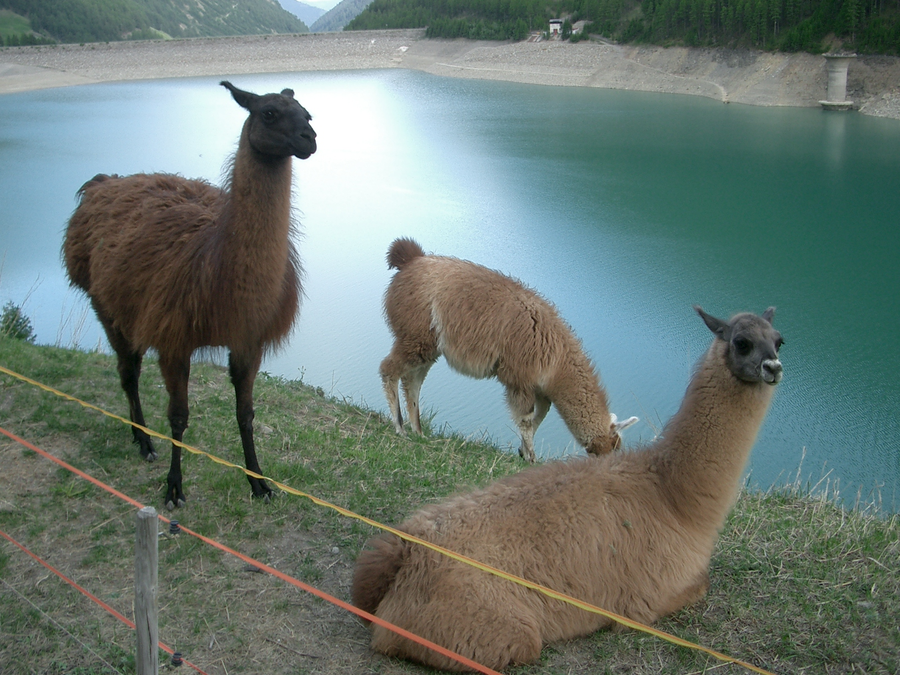
Quick answer
Llamas are domesticated South American camelids used for centuries as pack animals, fibre producers, and livestock guardians in the Andes. They weigh 130–200 kg (290–440 lb), communicate with hums and ear posture, and spit at rivals — occasionally at people who annoy them.
Key takeaway
Llamas are domesticated South American camelids used for centuries as pack animals, fibre producers, and livestock guardians in the Andes. They weigh 130–200 kg (290–440 lb), communicate with hums and ear posture, and spit at rivals — occasionally at people who annoy them.
Llama overview
Llama (Lama glama) is a mammal listed here as Domesticated. Typical weight 130–200 kg (290–440 lb); lifespan around 15–20 years (up to 25 with good care).
Llama ecology
Diet: Herbivore — grass, hay, and mountain vegetation. Habitat: Andean highlands; domestic herds worldwide. Movement and social systems reflect those pressures across the native range.
Llamas and people
Learn before you travel or keep related pets. Wild llamas are not toys; captive care needs species-specific husbandry.
Status and further reading
Conservation label in our guides: Domesticated. See the full Llama profile for taxonomy, FAQs, and related topic guides on this site.
Andean domestication
Llamas were domesticated from guanacos more than 5,000 years ago by cultures such as the Inca, who used them to carry goods along mountain trails where wheeled transport was impossible. Selective breeding produced animals with calm temperaments and strong pack capacity.
Guard animals
Modern farmers deploy llamas with sheep and goat flocks to deter coyotes, foxes, and stray dogs. A guardian llama patrols the pasture, alarm calls, and may chase or strike intruders with its feet. Not every llama suits guard work — gelded males are often preferred.
Sources
Llama FAQs
What are key facts about llamas?
Llamas are domesticated South American camelids used for centuries as pack animals, fibre producers, and livestock guardians in the Andes. They weigh 130–200 kg (290–440 lb), communicate with hums and ear posture, and spit at rivals — occasionally at people who annoy them.
What is the scientific name of the llama?
Lama glama — used in research and conservation listings for llamas.
What do llamas eat?
Llamas eat grass, hay, and mountain vegetation, with seasonal and regional variation in Andean highlands; domestic herds worldwide.
Where do llamas live?
They are associated with Andean highlands; domestic herds worldwide. Local presence depends on food, cover, and human land use.
What is the conservation status of llamas?
Listed in our guides as Domesticated. Check the IUCN Red List and national assessments for the latest formal category.