Quick answer
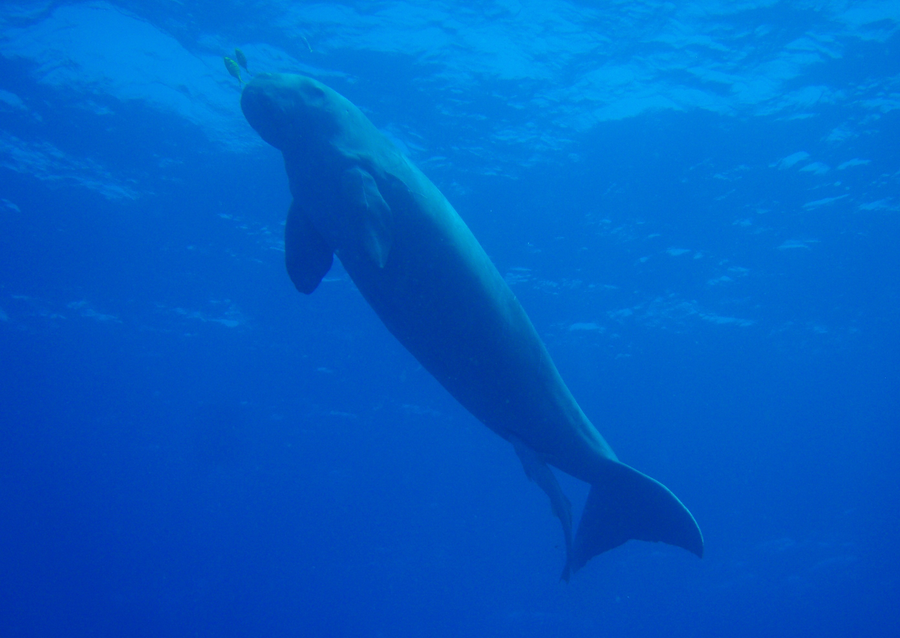
The dugong is a large marine mammal that grazes seagrass meadows in warm coastal waters from East Africa to Australia. Adults reach 2.5–3 m (8–10 ft) and 230–400 kg (500–880 lb), surface to breathe every few minutes, and are listed Vulnerable due to boat strikes, net entanglement, and seagrass loss.
Key takeaway
The dugong is a large marine mammal that grazes seagrass meadows in warm coastal waters from East Africa to Australia. Adults reach 2.5–3 m (8–10 ft) and 230–400 kg (500–880 lb), surface to breathe every few minutes, and are listed Vulnerable due to boat strikes, net entanglement, and seagrass loss.
Dugong overview
Dugong (Dugong dugon) is a mammal listed here as Vulnerable. Typical weight 230–400 kg (500–880 lb); males and females similar; lifespan around 70+ years; slow reproduction.
Dugong ecology
Diet: Herbivore — seagrasses and algae. Habitat: Shallow coastal waters, bays, and seagrass meadows of the Indo-Pacific. Movement and social systems reflect those pressures across the native range.
Dugongs and people
Learn before you travel or keep related pets. Wild dugongs are not toys; captive care needs species-specific husbandry.
Status and further reading
Conservation label in our guides: Vulnerable. See the full Dugong profile for taxonomy, FAQs, and related topic guides on this site.
Seagrass gardener
Dugongs crop seagrass with stiff bristled lips, preferring certain species and leaving tell-tale feeding trails across meadows. Healthy dugong populations indicate productive seagrass ecosystems that also support fish, turtles, and coastal fisheries.
Sirenian relatives
Dugongs are the only living sirenians in the Indo-Pacific; manatees occupy the Atlantic. Their closest land relatives are elephants. Females produce a single calf after a 13–14 month gestation, nursing for up to 18 months — a slow reproductive rate that limits recovery from population declines.
Sources
Dugong FAQs
What are key facts about dugongs?
The dugong is a large marine mammal that grazes seagrass meadows in warm coastal waters from East Africa to Australia. Adults reach 2.5–3 m (8–10 ft) and 230–400 kg (500–880 lb), surface to breathe every few minutes, and are listed Vulnerable due to boat strikes, net entanglement, and seagrass loss.
What is the scientific name of the dugong?
Dugong dugon — used in research and conservation listings for dugongs.
What do dugongs eat?
Dugongs eat seagrasses and algae, with seasonal and regional variation in Shallow coastal waters, bays, and seagrass meadows of the Indo-Pacific.
Where do dugongs live?
They are associated with Shallow coastal waters, bays, and seagrass meadows of the Indo-Pacific. Local presence depends on food, cover, and human land use.
What is the conservation status of dugongs?
Listed in our guides as Vulnerable. Check the IUCN Red List and national assessments for the latest formal category.