Quick answer
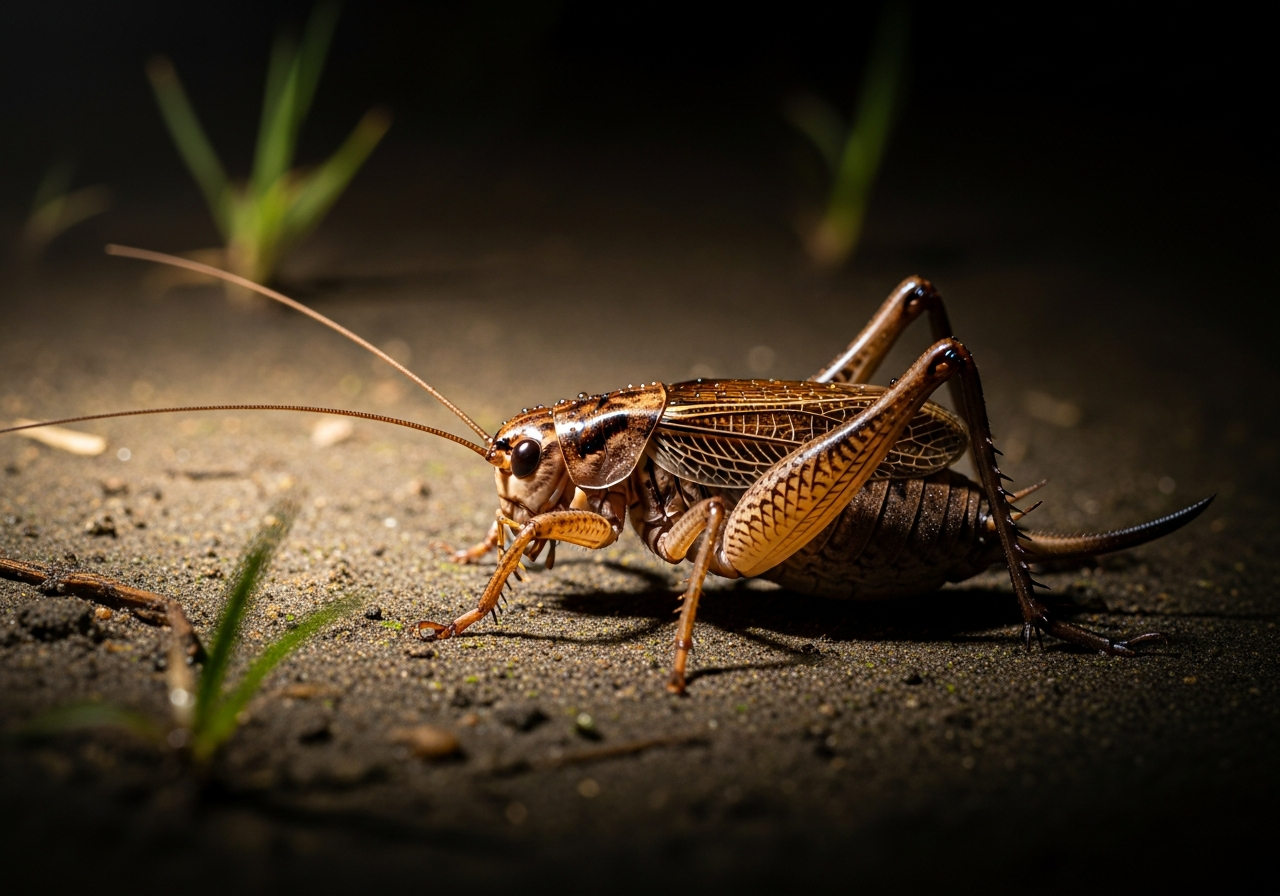
Crickets are jumping insects closely related to grasshoppers, best known for the chirping sound males make to attract mates. They are mostly active at night and feed on plants, fungi, and small insects. Crickets are also widely raised as food for pets and, increasingly, for people. Most live for about a year or less.
Key takeaway
Crickets are jumping insects closely related to grasshoppers, best known for the chirping sound males make to attract mates. They are mostly active at night and feed on plants, fungi, and small insects. Crickets are also widely raised as food for pets and, increasingly, for people. Most live for about a year or less.
Cricket overview
Cricket (Gryllidae) is a insect listed here as Least Concern. Typical weight about 0.0005 kg; lifespan around About 1 year or less.
Cricket ecology
Diet: Omnivore (plants, fungi, small insects). Habitat: Grasslands, forests, gardens, buildings. Movement and social systems reflect those pressures across the native range.
Crickets and people
Learn before you travel or keep related pets. Wild crickets are not toys; captive care needs species-specific husbandry.
Status and further reading
Conservation label in our guides: Least Concern. See the full Cricket profile for taxonomy, FAQs, and related topic guides on this site.
The familiar chirp
The chirping associated with crickets is made mostly by males, who rub a sharp edge on one wing against a rough surface on the other, a process called stridulation. The calls attract females and warn off rival males. Because chirping rate rises with temperature, the calls can even give a rough sense of how warm it is.
Diet and behavior
Crickets are omnivores that eat plant matter, fungi, and small insects, scavenging a wide range of foods. They are mostly active at night, hiding by day under stones, logs, or vegetation. Like their grasshopper relatives, crickets have strong hind legs and can jump to escape danger.
Sources
Cricket FAQs
What are key facts about crickets?
Crickets are jumping insects closely related to grasshoppers, best known for the chirping sound males make to attract mates. They are mostly active at night and feed on plants, fungi, and small insects. Crickets are also widely raised as food for pets and, increasingly, for people. Most live for about a year or less.
What is the scientific name of the cricket?
Gryllidae — used in research and conservation listings for crickets.
What do crickets eat?
Crickets eat plants, fungi and small insects, with seasonal and regional variation in Grasslands, forests, gardens, buildings.
Where do crickets live?
They are associated with Grasslands, forests, gardens, buildings. Local presence depends on food, cover, and human land use.
What is the conservation status of crickets?
Listed in our guides as Least Concern. Check the IUCN Red List and national assessments for the latest formal category.