Quick answer
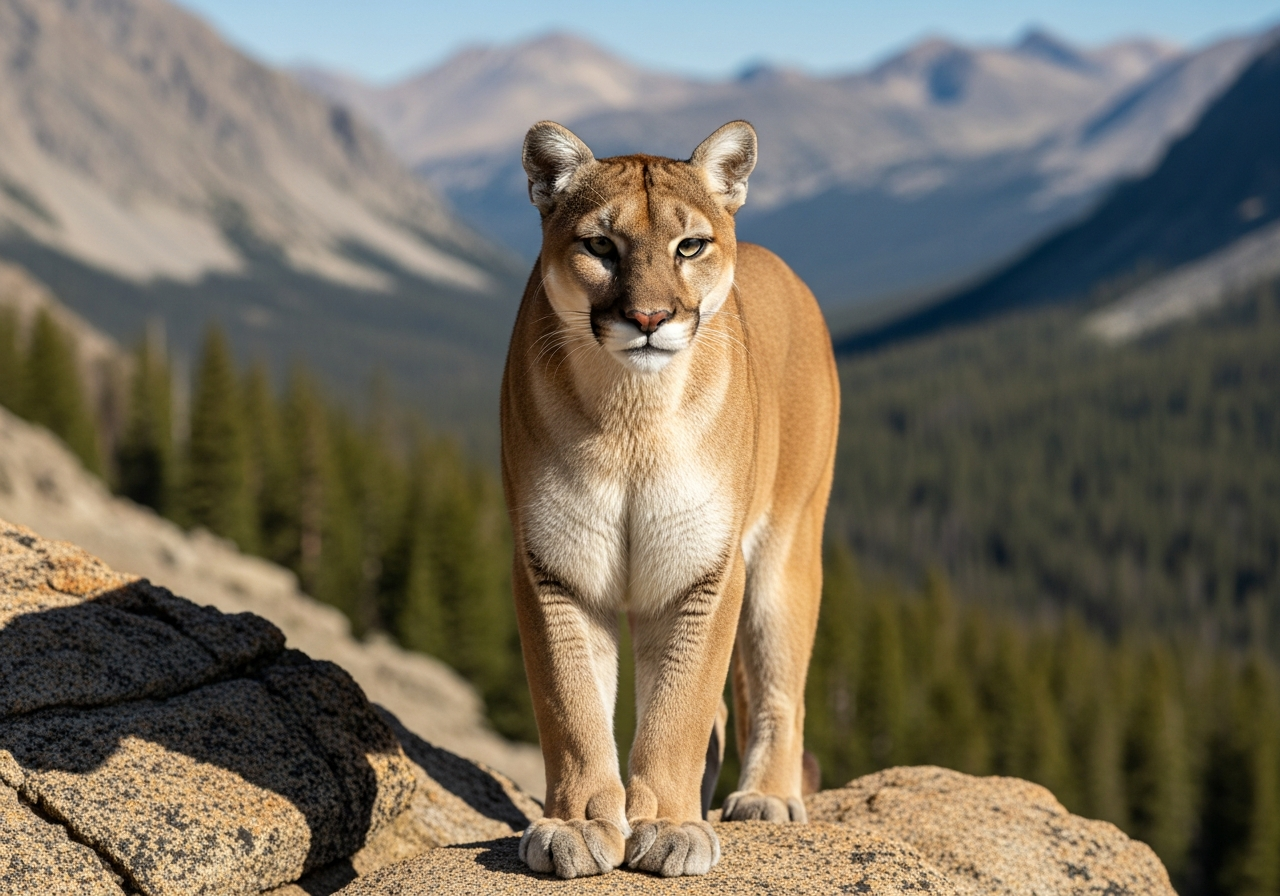
The cougar, also called puma, mountain lion, or panther, is a large solitary cat with the widest range of any wild land mammal in the Americas, from Canada to the southern Andes. It is a powerful ambush predator that hunts deer and other prey, and despite its size it is not classed among the "big cats" because it cannot roar. Cougars can leap great distances and run fast over short bursts. In the wild they typically live 8 to 13 years.
Key takeaway
The cougar, also called puma, mountain lion, or panther, is a large solitary cat with the widest range of any wild land mammal in the Americas, from Canada to the southern Andes. It is a powerful ambush predator that hunts deer and other prey, and despite its size it is not classed among the "big cats" because it cannot roar. Cougars can leap great distances and run fast over short bursts. In the wild they typically live 8 to 13 years.
Cougar overview
Cougar (Puma concolor) is a mammal listed here as Least Concern. Typical weight 29–90 kg (64–200 lb); lifespan around 8–13 years in the wild.
Cougar ecology
Diet: Carnivore. Habitat: Mountains, forests, and deserts. Movement and social systems reflect those pressures across the native range.
Cougars and people
Learn before you travel or keep related pets. Wild cougars are not toys; captive care needs species-specific husbandry.
Status and further reading
Conservation label in our guides: Least Concern. See the full Cougar profile for taxonomy, FAQs, and related topic guides on this site.
Behavior and athleticism
Cougars are solitary and territorial, with males patrolling large home ranges that overlap those of several females. They are remarkable athletes, able to leap up to 5 m (16 ft) vertically and bound long distances, and they sprint at high speed over short stretches. Although large, the cougar is most closely related to smaller cats and cannot roar; instead it purrs, hisses, growls, and produces an eerie scream. It is
Diet and hunting
Cougars are carnivores and ambush hunters, relying on stealth to stalk close before a powerful pounce. Deer are their primary prey across much of their range, but they also take elk, smaller mammals, and occasionally livestock. After a kill, a cougar often drags the carcass to a sheltered spot and covers it with leaves and debris, returning to feed over several days. A single cougar may kill a large animal roughly on
Sources
Cougar FAQs
What are key facts about cougars?
The cougar, also called puma, mountain lion, or panther, is a large solitary cat with the widest range of any wild land mammal in the Americas, from Canada to the southern Andes. It is a powerful ambush predator that hunts deer and other prey, and despite its size it is not classed among the "big cats" because it cannot roar. Cougars can leap great distances and run fast over short bursts. In the wild they typically live 8 to 13 years.
What is the scientific name of the cougar?
Puma concolor — used in research and conservation listings for cougars.
What do cougars eat?
Cougars are described as carnivores, with seasonal and regional variation in Mountains, forests, and deserts.
Where do cougars live?
They are associated with Mountains, forests, and deserts. Local presence depends on food, cover, and human land use.
What is the conservation status of cougars?
Listed in our guides as Least Concern. Check the IUCN Red List and national assessments for the latest formal category.