Quick answer
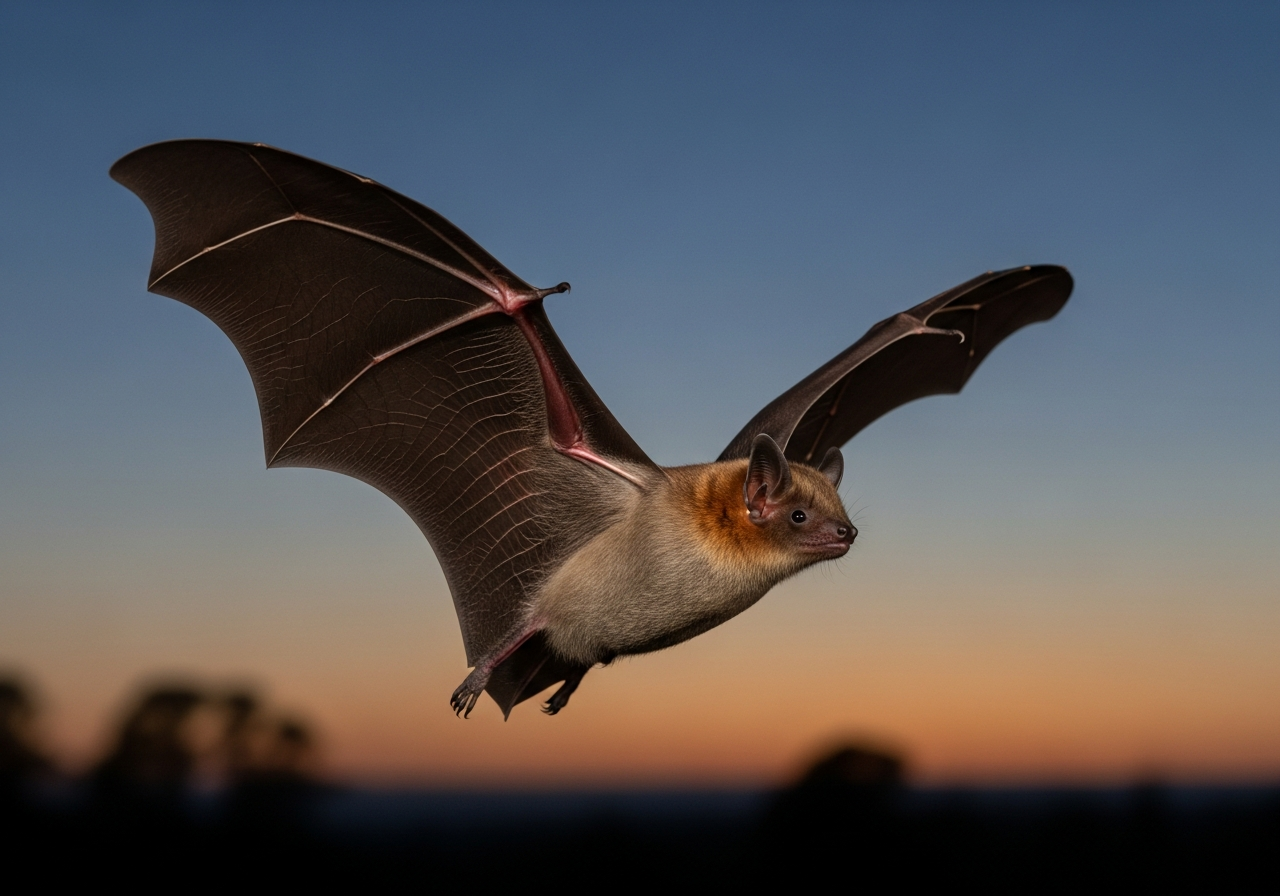
Bats are the only mammals capable of true, powered flight, with wings formed from skin stretched between long finger bones. There are more than 1,400 species worldwide, ranging from tiny insect-eaters weighing a few grams to large fruit bats with wingspans over 1.5 m (5 ft). Most are nocturnal and many navigate and hunt using echolocation, eating insects, fruit, or nectar depending on the species. Bats live across the world except the polar regions, and some can live 20 to 30 years.
Key takeaway
Bats are the only mammals capable of true, powered flight, with wings formed from skin stretched between long finger bones. There are more than 1,400 species worldwide, ranging from tiny insect-eaters weighing a few grams to large fruit bats with wingspans over 1.5 m (5 ft). Most are nocturnal and many navigate and hunt using echolocation, eating insects, fruit, or nectar depending on the species. Bats live across the world except the polar regions, and some can live 20 to 30 years.
Bat overview
Bat (Chiroptera) is a mammal listed here as Least Concern. Typical weight 2 g to over 1 kg depending on species; lifespan around Commonly 10–30 years depending on species.
Bat ecology
Diet: Varies (insects, fruit, nectar, blood). Habitat: Caves, forests, and urban roosts worldwide. Movement and social systems reflect those pressures across the native range.
Bats and people
Learn before you travel or keep related pets. Wild bats are not toys; captive care needs species-specific husbandry.
Status and further reading
Conservation label in our guides: Least Concern. See the full Bat profile for taxonomy, FAQs, and related topic guides on this site.
Flight and echolocation
Bats are the only mammals that can truly fly, beating wings of thin skin stretched between elongated finger bones. Many species hunt and navigate in darkness using echolocation, emitting high-pitched calls and listening for the echoes to build a sound picture of their surroundings. This lets them catch flying insects with extraordinary precision on the wing. Most bats roost upside down in caves, trees, or buildings d
Diet and feeding
Diet varies enormously across the more than 1,400 bat species. Many small bats are insectivores that can eat thousands of insects in a single night, helping control pests such as mosquitoes. Larger fruit bats feed on fruit, nectar, and pollen, making them important pollinators and seed dispersers in tropical forests. Only three species, all in the Americas, feed on blood.
Sources
Bat FAQs
What are key facts about bats?
Bats are the only mammals capable of true, powered flight, with wings formed from skin stretched between long finger bones. There are more than 1,400 species worldwide, ranging from tiny insect-eaters weighing a few grams to large fruit bats with wingspans over 1.5 m (5 ft). Most are nocturnal and many navigate and hunt using echolocation, eating insects, fruit, or nectar depending on the species. Bats live across the world except the polar regions, and some can live 20 to 30 years.
What is the scientific name of the bat?
Chiroptera — used in research and conservation listings for bats.
What do bats eat?
Bats eat insects, fruit, nectar and blood, with seasonal and regional variation in Caves, forests, and urban roosts worldwide.
Where do bats live?
They are associated with Caves, forests, and urban roosts worldwide. Local presence depends on food, cover, and human land use.
What is the conservation status of bats?
Listed in our guides as Least Concern. Check the IUCN Red List and national assessments for the latest formal category.