Quick answer
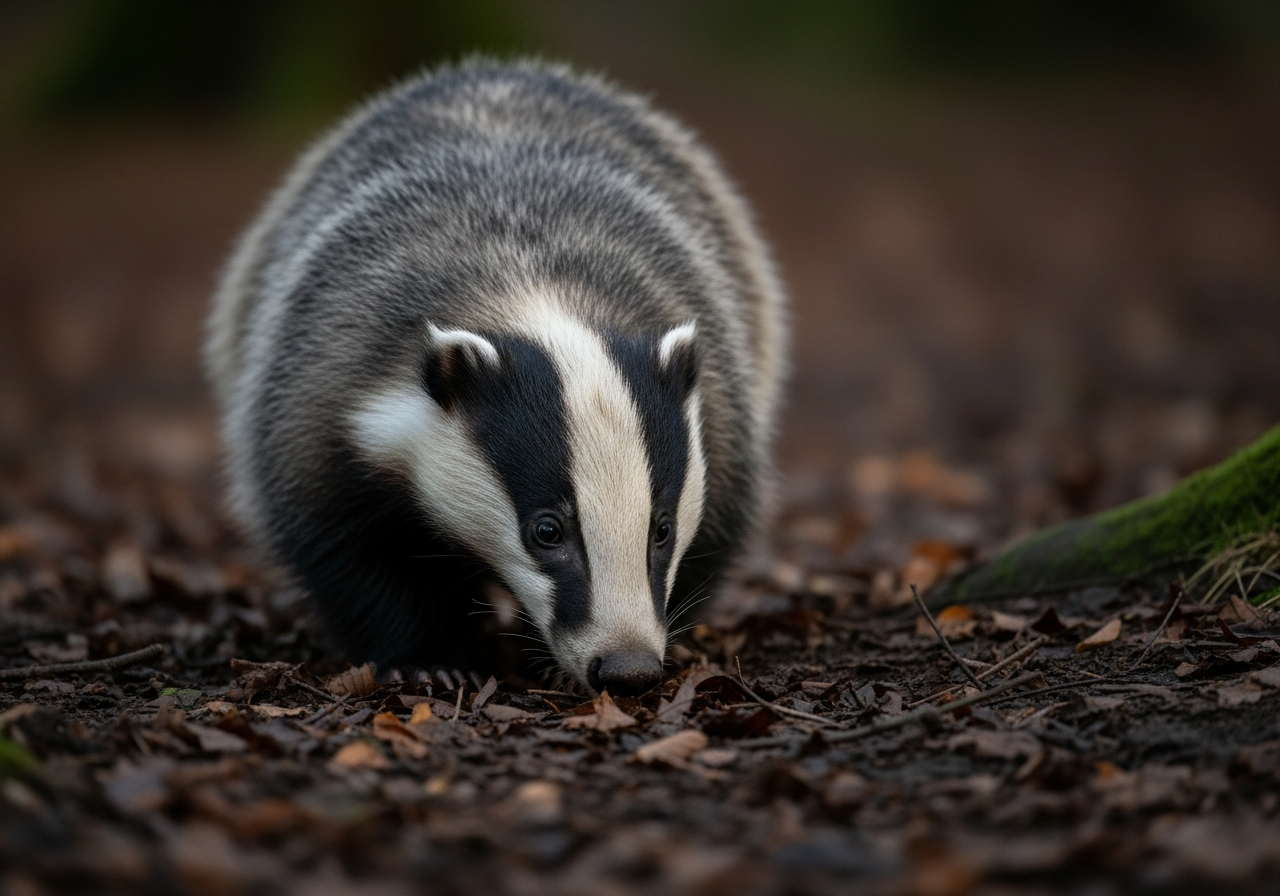
The European badger is a stocky, powerfully built mammal famous for the black-and-white stripes on its face. It is nocturnal, lives in family groups called clans inside large underground burrow systems known as setts, and feeds mainly on earthworms. Badgers weigh up to about 12 kg (26 lb) and typically live around 6 years in the wild.
Key takeaway
The European badger is a stocky, powerfully built mammal famous for the black-and-white stripes on its face. It is nocturnal, lives in family groups called clans inside large underground burrow systems known as setts, and feeds mainly on earthworms. Badgers weigh up to about 12 kg (26 lb) and typically live around 6 years in the wild.
Badger overview
Badger (Meles meles) is a mammal listed here as Least Concern. Typical weight 9–12 kg (20–26 lb), heavier in autumn; lifespan around Around 6 years wild (up to 14).
Badger ecology
Diet: Omnivore (mostly earthworms). Habitat: Woodland, hedgerows, farmland, grassland. Movement and social systems reflect those pressures across the native range.
Badgers and people
Learn before you travel or keep related pets. Wild badgers are not toys; captive care needs species-specific husbandry.
Status and further reading
Conservation label in our guides: Least Concern. See the full Badger profile for taxonomy, FAQs, and related topic guides on this site.
Behaviour and the sett
Badgers are highly social and live in clans of up to a dozen animals that share a sett — a maze of tunnels and chambers dug into a bank or woodland floor, often used and enlarged by generations of badgers over decades. They are strongly nocturnal, emerging at dusk to forage and patrol well-worn paths, and they keep their setts scrupulously clean, regularly changing the dry grass and leaves they use as bedding.
Diet and feeding
The European badger is an omnivore, but earthworms make up the bulk of its diet — a single badger can eat several hundred in one night, snuffling them from damp grassland after rain. They also take insects, slugs, small mammals, amphibians, fruit, nuts, and cereals, and their powerful forelimbs and long claws let them dig out underground prey and excavate the sett.
Sources
Badger FAQs
What are key facts about badgers?
The European badger is a stocky, powerfully built mammal famous for the black-and-white stripes on its face. It is nocturnal, lives in family groups called clans inside large underground burrow systems known as setts, and feeds mainly on earthworms. Badgers weigh up to about 12 kg (26 lb) and typically live around 6 years in the wild.
What is the scientific name of the badger?
Meles meles — used in research and conservation listings for badgers.
What do badgers eat?
Badgers eat mostly earthworms, with seasonal and regional variation in Woodland, hedgerows, farmland, grassland.
Where do badgers live?
They are associated with Woodland, hedgerows, farmland, grassland. Local presence depends on food, cover, and human land use.
What is the conservation status of badgers?
Listed in our guides as Least Concern. Check the IUCN Red List and national assessments for the latest formal category.